EN
EN
 jp
jp  ko
ko  es
es  ru
ru  pt
pt  th
th  ar
ar  vi
vi  id
id  kk
kk 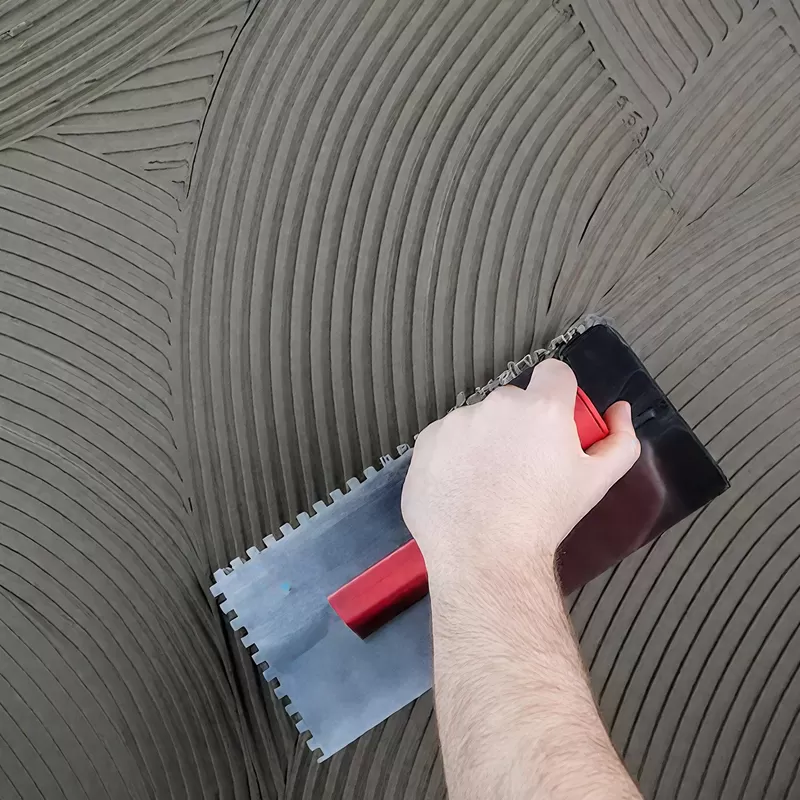
Construction
Build Better, Build Greener, with Celix HPMC

In fast-growing South Asian markets like India, Pakistan, and Bangladesh, cement-based skim coat (wall putty) is applied across millions of residential and commercial projects daily.
However, during the scorching summer and intense monsoon seasons, paint contractors and dry-mix mortar plants face a recurring, costly nightmare: wall putty or skim coat peeling off, flaking, chalking, and blistering.
When the skim coat loses its grip on the brick or concrete substrate, it leads to heavy jobsite rework, wasted materials, and ruined manufacturer reputations.
If your clients are complaining about poor bonding and surface flaking, the issue usually boils down to three main culprits. Here is a technical breakdown of why skim coat peels in South Asia and how to fix the skim coat formulation with the right Hydroxypropyl Methyl Cellulose HPMC and Redispersible Polymer Powder RDP additives.
Peeling and flaking happen when the mechanical and chemical bonds at the mortar-substrate interface fail. In South Asia's hot and humid conditions, three factors are usually to blame:
Reason 1: Poor Water Retention in High Heat (HPMC Deficiency)
During hot summer days where temperatures frequently exceed 40°C, water evaporates rapidly from the applied putty layer. If your HPMC grade lacks sufficient thermal gelation stability and water retention, the Portland cement inside the putty cannot fully hydrate. The unhydrated cement leaves a powdery, weak structure that chalks and flakes away under a coat of primer or paint.
Reason 2: Inadequate Polymer Flexible Bonding (Low RDP Content)
To cut costs, many local manufacturers rely solely on cement and coarse filler, minimizing or omitting Redispersible Polymer RDP Powder . While cement provides compressive strength, it lacks flexural flexibility. When concrete walls expand and contract under high humidity and heat, rigid putty without RDP cannot absorb the shear strain, causing it to delaminate and peel off in sheets.
Reason 3: Improper Substrate Preparation & High Suction
In South Asia, brickwork and cement plaster walls are often porous, dirty, or burning hot from direct sunlight. Applying wall putty onto a hot, un-dampened wall causes the dry substrate to suck the mixing water straight out of the wet putty before the cement can set, destroying boundary adhesion.
To eliminate peeling and achieve high tensile bond strength, dry-mix formulators must balance water retention, adhesion, and workability. Follow the RDP and HPMC manufacturer Celix’s guide, you will get a perfect wall putty or skim coat formulation instantly.
1. High-Thermal Stability HPMC (Brookfield 40,000 – 60,000 mPa·s)
Using standard low-grade cellulose ethers in summer causes rapid water loss. Celix HPMC for Wall Putty features customized substitution levels (Methoxy and Hydroxypropyl ratio) that raise its thermal gelation point. This guarantees over 98% water retention, keeping the wet putty moist long enough for cement crystals to lock firmly into the wall matrix.
2.ASTM C1583 tensile bond strength standards
Adding 0.5% to 1.5% of Celix VAE RDP transforms a rigid skim coat into a flexible, polymer-reinforced film. The redispersed latex droplets form a continuous elastic network interlocked with cement crystals, drastically boosting tensile adhesion strength and preventing moisture-induced peeling during monsoon season.
To meet localized Indian and South Asian quality benchmarks (such as Bureau of Indian Standards (BIS) cement mortar guidelines), try this cost-effective starting formula:
| Raw Material Component | Dosage (Weight %) | Technical Function in Hot & Humid Climates |
| White Cement (Type I 42.5R) | 28.0% - 35.0% | Core hydraulic binder for whiteness and structural strength. |
| Heavy Calcium Carbonate (Calcite Powder 300–400 Mesh) | 60.0% - 68.0% | Smooth mineral filler providing bulk density and opacity. |
| Hydrated Lime / Dolomite Powder | 3.0% - 5.0% | Enhances alkaline resistance and improves troweling smoothness |
| Celix HPMC for Wall Putty | 0.35% - 0.45% | Crucial water retention, prevents rapid drying/chalking, improves open time. |
| Celix VAE RDP Flexible Grade | 0.5% - 1.2% | Prevents peeling/flaking, imparts flexural strength, ensures paint adhesion. |
Whether you have any question about the formation, you can contact us with the technical team directly. And there’re some practical Jobsite Advice for the constructorsr, dealers and engineers according to our real test experiment.
1.Pre-Wet the Wall: Always damp highly porous brickwork or hot concrete walls with clean water before troweling.
2.Respect Coat Thickness: Apply in two thin coats (1–1.5 mm each) rather than one heavy layer to prevent shrinkage cracks.
Hebei Celix Cellulose Co., Ltd. (Celix), is climate-tailored HPMC, HEMC, and VAE RDP manufacturer and supplier designed specifically for high-heat and humid environments. Operating an advanced automated manufacturing base with an annual capacity of 30,000 tons, backed by 187 R&D and QC professionals, Celix delivers the batch-to-batch consistency to planty of South Asian dry-mix plants who need to eliminate jobsite failures in the past 20 years..
Are you facing chalking, peeling, or short open-time issues in your local market? Contact us for free communication and solutions.
Build Better, Build Greener, with Celix HPMC

Clean Safer, Care Smarter, with Celix Cellulose Ether

Drill Deeper, Operate Safer, with Celix Cellulose Ether

Formulate Precisely, Deliver Safely, with Celix Cellulose Ether

Taste Better, Keep Fresher, with Celix Cellulose Ether

Shape Stronger, Fire Smarter, with Celix Cellulose Ether
Contact Us
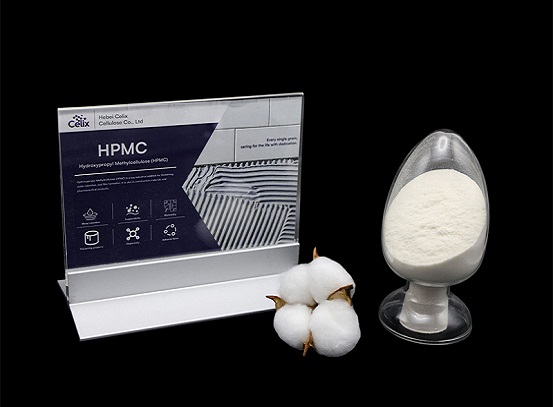
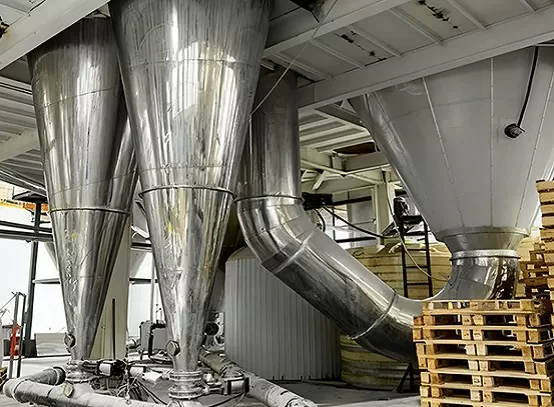
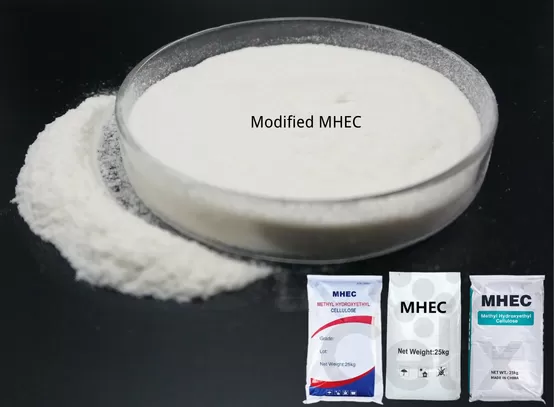

Celix Cellulose Co., Ltd, is an integrated chemical cellulose manufacturer with in-house R&D, factories, and global sales sites.
Our products include HPMC, HEC, MHEC, VAE RDP, PCE, PVA, Defoamers, PP fibers, HPS, SHP and Gypsum Retarder.


Celix Cellulose Co., Ltd, is an integrated chemical cellulose manufacturer with in-house R&D, factories, and global sales sites.
Our products include HPMC, HEC, MHEC, VAE RDP, PCE, PVA, Defoamers, PP fibers, HPS, SHP and Gypsum Retarder.
Quick Links
+8618330106777
info@celixcellulose.com