EN
 jp
 ko
 es
 ru
 pt
 th
 ar
 vi
 id
 kk


Celix Cellulose Co., Ltd, is an integrated chemical cellulose manufacturer with in-house R&D, factories, and global sales sites.
Our products include HPMC, HEC, MHEC, VAE RDP, PCE, PVA, Defoamers, PP fibers, HPS, SHP and Gypsum Retarder.

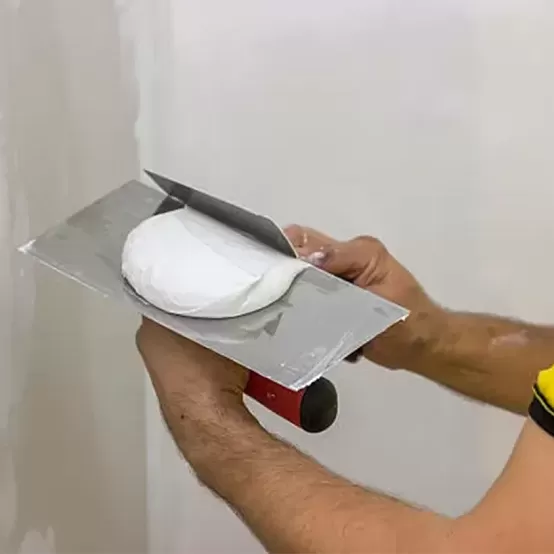
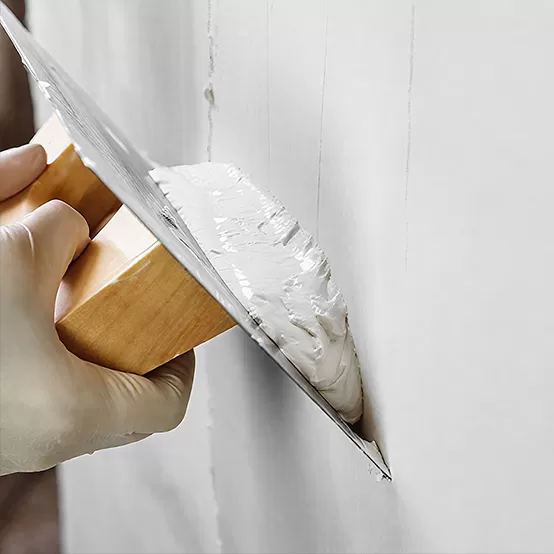
Celix HPMC PM-Pro-75US can efficiently improve the viscosity, film strength, and workability for paiting and coating. It makes the performance of the coating better.
Celix Pro Model: PM-Pro-75US
CAS No.: 9004-65-3
Type: Chemical Auxiliary Agent
Appearance: White To Off-White Powder Substance
Viscosity Range: 75,000m Pa.s (Brookfield, 2% water solution)
HS Code: 39123900
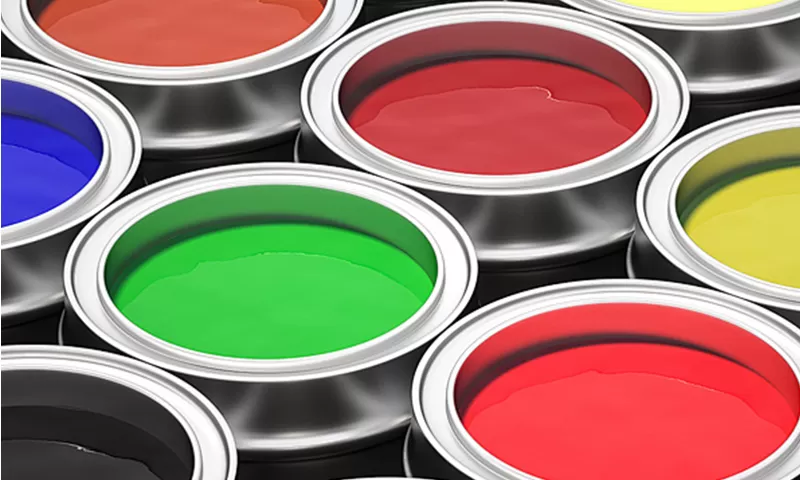
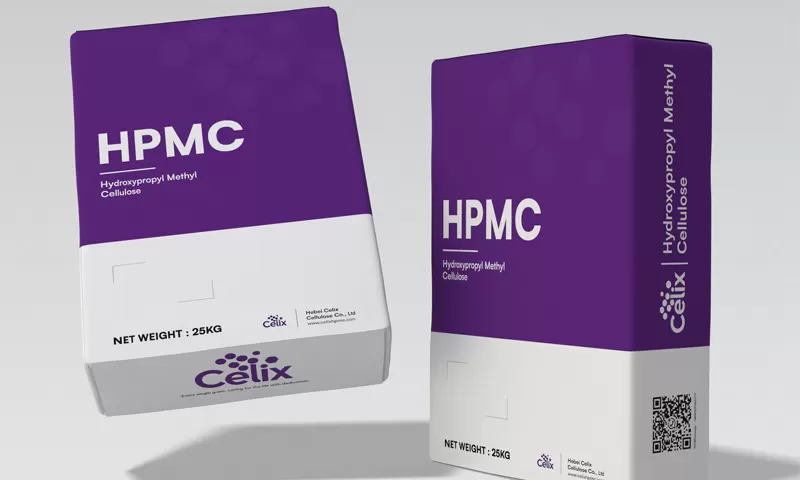
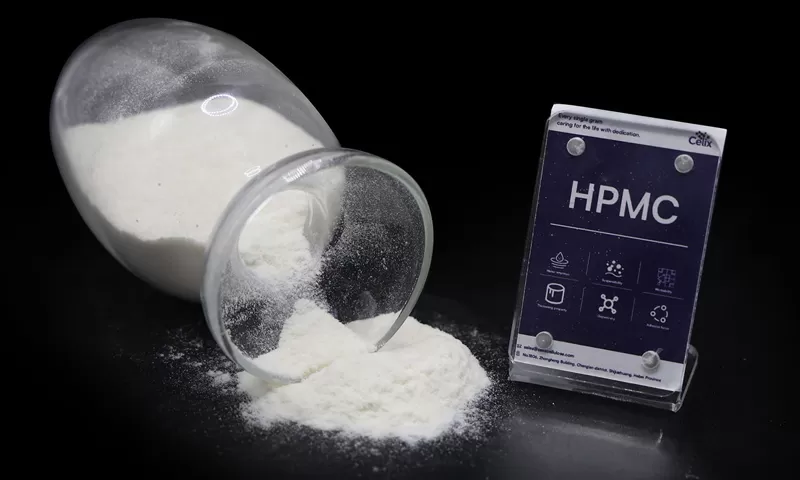
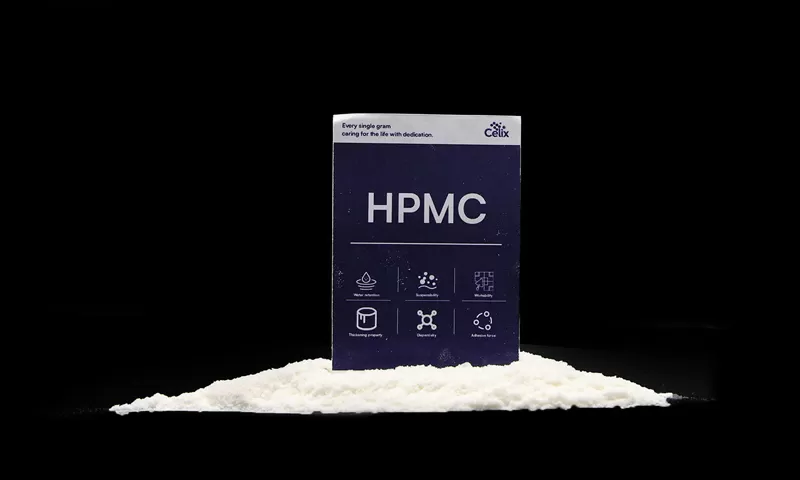
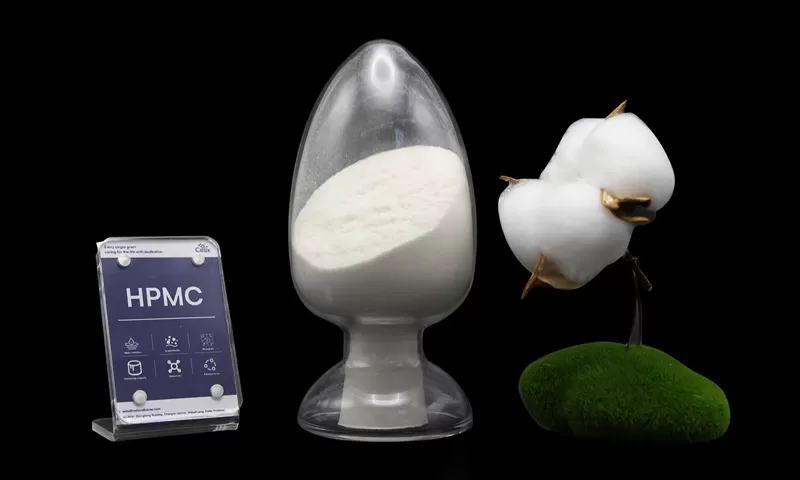
Celix HPMC is an important environmentally friendly additive in water-based coatings.
Suspensibility
Celix HPMC for Coating enhances the suspending ability of coating formulations, keeping pigments and additives evenly dispersed to prevent settling and ensure consistent color and performance.
Open Time
It extends the open time of coatings, allowing more time for application, leveling, and adjustment before drying, which improves finish quality and work efficiency.
Thickening Effect
Celix HPMC provides controlled thickening to coatings, optimizing viscosity for easy application without dripping or sagging, while maintaining smooth flow and uniform coverage.
| Specification | PM-Pro-75US |
| Exterior | White or light yellowish white powder |
| Product Manufacturing Process | Surface Treated |
| Methoxy.% | 19-24 |
| Hydroxypropyl,% | 7.5-12.0 |
| Gel temperature | 60-70 |
| Ash content,% | ≤5 |
| Water content,% | ≤5 |
| pH value | 6-8 |
| Brookfield Viscosity(2%, 20C, Mpa.s) | 75,000 |
| NDJ Viscosity(2%, 20C, Mpa.s) | 200,000 |
| Granularity | 98% passed the 80 mesh |
| Density,g/L | 370-390 |
| Dosage | 2-4% |
* The recommended dosage of this product is 2-4‰ of the system, and the dosage needs to be determined by experiment. Contact us for solutions!
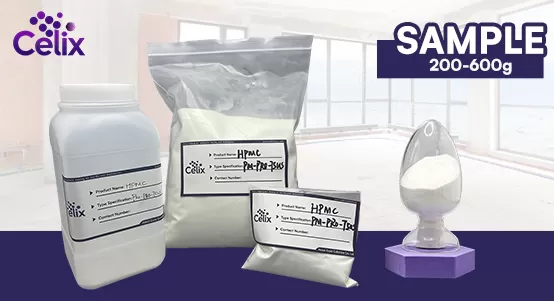
Quick sample availability so you may evaluate the product's performance before purchasing.
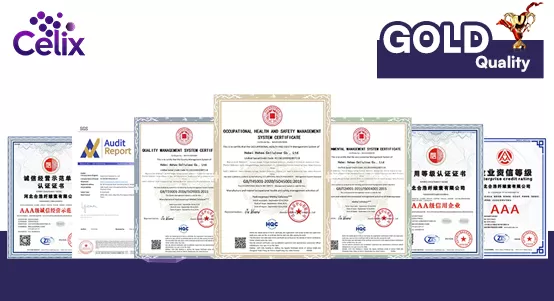
Extensive testing is carried out at every stage to ensure consistent, high-quality products.
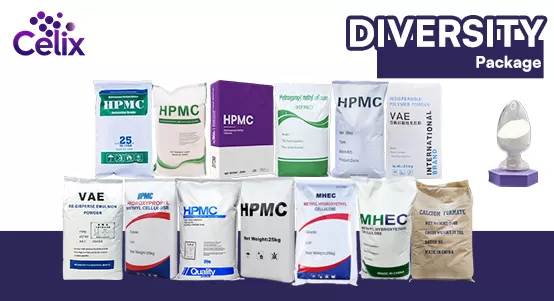
Standardized, safe packaging for safe transit and extended shelf life.

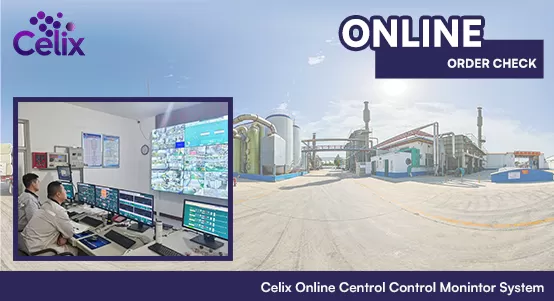
You can monitor production, quality, and shipments in real time with this completely transparent digital gateway. Provides a real-time, transparent digital interface for tracking production, quality, and shipments.

To fulfill your pressing project deadlines, you can use digital management to keep inventories under control and logistics flexible.

Storage Hydroxypropyl Methyl Cellulose is a powdered polymer that absorbs water and is hygroscopic. It must be kept dry and cool, and it must be transported and stored in its original packing. To avoid moisture intrusion during production and usage, the original package must be resealed after it has been opened.
Hydroxypropyl Methyl Cellulose (HPMC) serves as an essential non-ionic thickener, rheology modifier, protective colloid, and water retention agent in architectural latex paints, textured coatings, and waterborne industrial finishes.
Adding untreated cellulose ether directly into water-based paint formulations causes instant surface hydration, resulting in stubborn undissolved "fish-eyes" or lumps:
Lump-Free Dispersion: Paint-grade HPMC undergoes specialized glyoxal surface treatment that delays hydration in neutral-to-acidic water for a controllable window (typically 5–15 minutes). This allows the powder to disperse completely throughout the batch before viscosity builds.
Rapid pH-Triggered Activation: Once the pH is adjusted to alkaline (pH 8.0–9.5) using AMP-95 or ammonia, the surface coating dissolves rapidly, developing full, uniform viscosity without clumping or screen clogging.
Paint applicators demand smooth transfer, minimal mess, and invisible overlap marks:
Spatter Resistance & Sag Control: HPMC imparts pseudoplastic rheology. During high-speed rolling, it resists excessive misting and spattering; once applied to vertical walls, viscosity recovers rapidly to prevent dripping and curtain sagging.
Extended Open Time & Wet-Edge Leveling: By slowing water evaporation into porous drywall or masonry substrates, HPMC keeps the paint film wet longer. This gives painters ample time to blend adjacent roller passes seamlessly without visible lap marks or brush drag.
Architectural paints contain high loadings of Titanium Dioxide(TiO2), calcium carbonate, kaolin, and colorants that naturally settle over time:
High Low-Shear Viscosity: HPMC creates an intertwined hydrophilic network at rest, holding dense mineral pigments and extenders in uniform suspension.
Zero Liquid Separation (Syneresis): It locks free water into the continuous phase, preventing clear liquid layers from rising to the top of the paint can during warehouse storage or container shipping.
Standard cellulose ethers can be vulnerable to cellulase enzymes introduced by contaminated water, raw materials, or bacterial growth, leading to sudden viscosity drop in stored paint:
High Molar Substitution & Bio-Stability: Our coating-grade HPMC features optimized methoxy and hydroxypropyl substitution uniformity, providing enhanced steric protection against enzymatic attack.
Best Practice: For maximum long-term shelf stability, we recommend pairing bio-stable HPMC with standard in-can preservatives/biocides and maintaining clean plant water lines.
Viscosity selection depends on the coating type and desired film build:
Interior & Exterior Flat/Satin Latex Paints:
Viscosity Grade: 30,000 to 60,000 mPa.s / cPs (surface-treated).
Recommended Dosage: 0.2% to 0.5% by total weight of the wet paint formulation.
High-Build Textured Coatings, Stone-Like Paints & Skim Coats:
Viscosity Grade: 60,000 to 100,000 mPa.s / cPs.
Recommended Dosage: 0.3% to 0.6% by weight to suspend coarse quartz sands and prevent sagging on vertical facades.
Yes, combining HPMC with synthetic associative thickeners is a widely used industry strategy.
Balanced Rheology Profile: HPMC excels at low-shear viscosity (in-can stability, anti-settling) and water retention (open time), while associative thickeners (HEUR/HASE) boost high-shear ICI viscosity (film build and flow leveling).
Broad Compatibility: HPMC is non-ionic and compatible with anionic/non-ionic wetting agents, polyacrylate dispersants, acrylic/styrene-acrylic emulsions, defoamers, and coalescing agents without causing pigment flocculation or color float.
Contact Us

Celix Cellulose Co., Ltd, is an integrated chemical cellulose manufacturer with in-house R&D, factories, and global sales sites.
Our products include HPMC, HEC, MHEC, VAE RDP, PCE, PVA, Defoamers, PP fibers, HPS, SHP and Gypsum Retarder.


Celix Cellulose Co., Ltd, is an integrated chemical cellulose manufacturer with in-house R&D, factories, and global sales sites.
Our products include HPMC, HEC, MHEC, VAE RDP, PCE, PVA, Defoamers, PP fibers, HPS, SHP and Gypsum Retarder.
Quick Links
+8618330106777
info@celixcellulose.com