EN
 jp
 ko
 es
 ru
 pt
 th
 ar
 vi
 id
 kk


Celix Cellulose Co., Ltd, is an integrated chemical cellulose manufacturer with in-house R&D, factories, and global sales sites.
Our products include HPMC, HEC, MHEC, VAE RDP, PCE, PVA, Defoamers, PP fibers, HPS, SHP and Gypsum Retarder.

Celix Hydroxypropyl Methyl Cellulose (HPMC) is a innovative additive in the realm of cement - based applications. Derived from natural cellulose through a series of precise chemical modifications, it brings a multitude of benefits to cement products.
Celix Model: PM-65U, PM-75U
CAS No.: 9004-65-3
Type: Chemical Auxiliary Agent
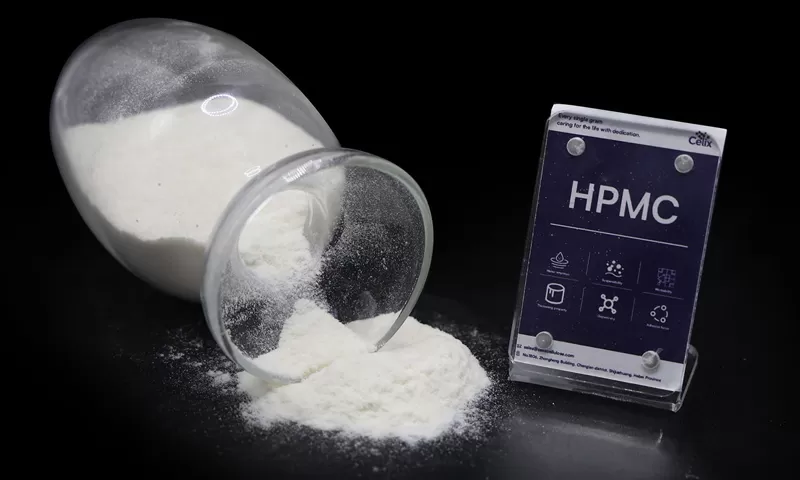
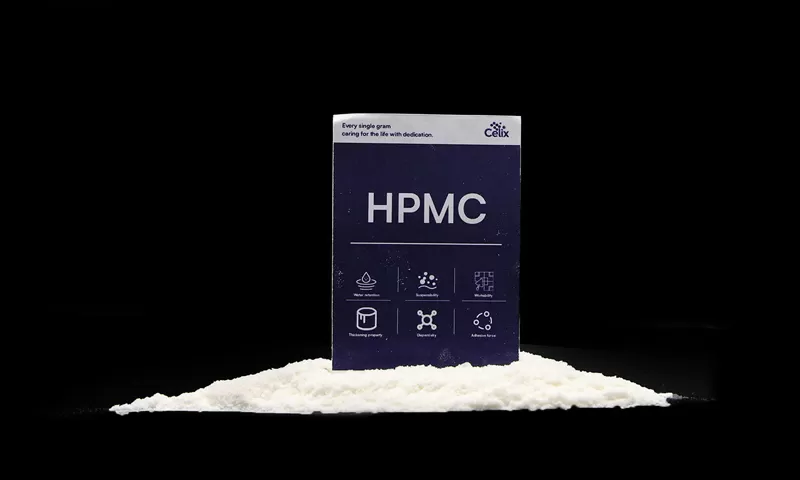
Appearance: White To Off-White Powder Substance
Viscosity Range: 65,000-75,000m Pa.s (Brookfield, 2% water solution)
HS Code: 39123900
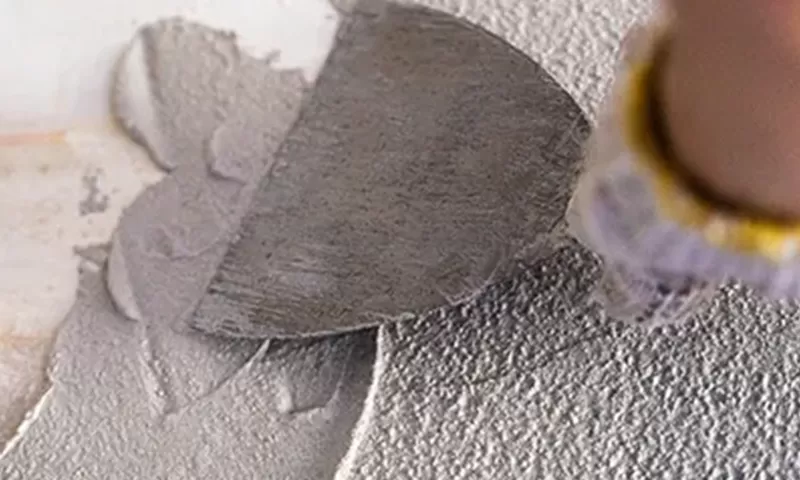
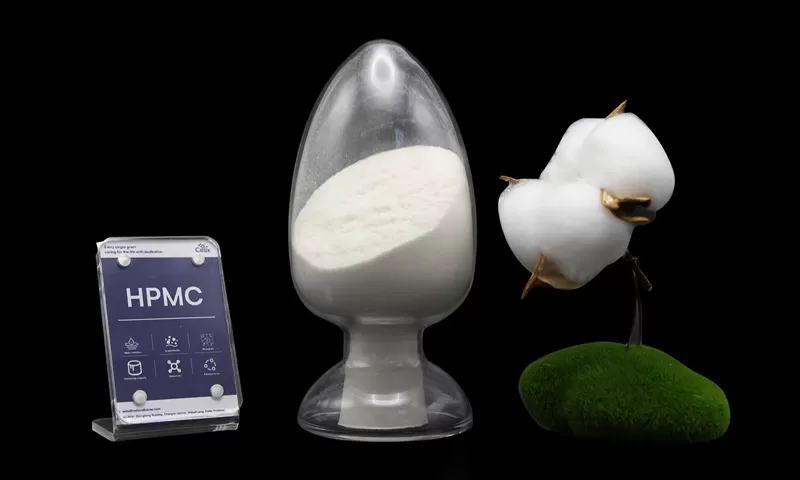
Due to HPMC's ability to form a film-like network structure and its effect on the rate of cement encapsulation, it can effectively prevent fluctuations in the moisture content of the mortar and hinder or slow down the hydration rate of the cement.
Water Retention
Prevents rapid water evaporation to ensure sufficient hydration of cement particles, even in hot or dry conditions.
Adhensive Force
Strengthens the bonding between cement and substrates like bricks or concrete blocks, reducing the risk of delamination and enhancing structural stability.
Consistency Control
Maintains a uniform, stable consistency of cement mortar/concrete, preventing segregation of aggregates and ensuring consistent performance.
Anti-Sag and Anti
Slump-Boosts the viscosity and thixotropy of cement mixtures, preventing sagging on vertical/overhead surfaces and slumping during placement.
Improve Processability
reduces friction between cement particles, making the mixture easier to mix, transport, and spread—simplifying construction operations and boosting efficiency.
| Specification | PM-65U | PM-75U |
| Exterior | White or light yellowish white powder | |
| Methoxy.% | 19-24 | |
| Hydroxypropyl,% | 7.5-12.0 | |
| Gel temperature | 60-70 | |
| Ash content,% | ≤5 | |
| Water content,% | ≤5 | |
| pH value | 6-8 | |
| Viscosity(2%, 20C, Mpa.s) | 65000 | 75000 |
| Granularity | 98% passed the 80 mesh | |
| Density | 370-390 g/L | |
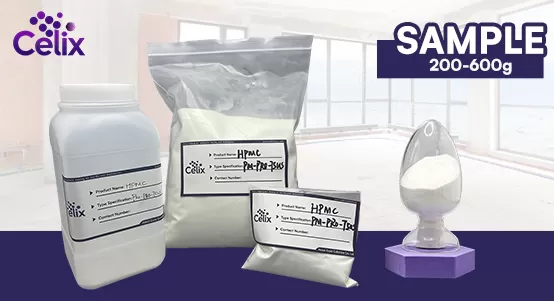
Celix provides rapid sample delivery, enabling you to test product performance in advance. With clear data and real results, you can confidently choose the solution that best fits your needs.
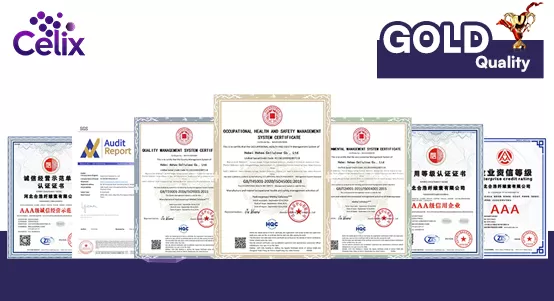
Every batch from Celix undergoes strict multi-stage testing. From raw material inspection to finished product verification, we guarantee stability, consistency, and high-quality cellulose you can rely on.
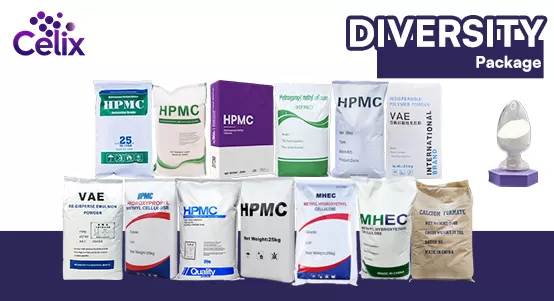
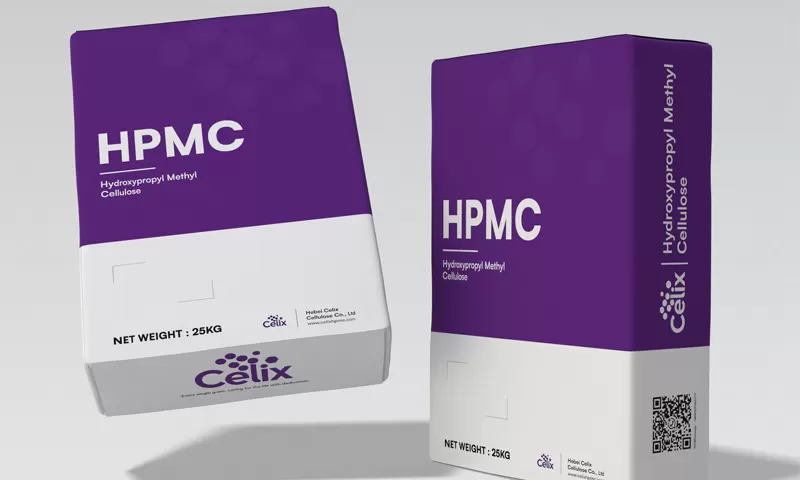
Our secure, standardized packaging keeps cellulose products safe during transport. It also helps extend shelf life, ensuring your materials arrive intact and perform reliably throughout storage.
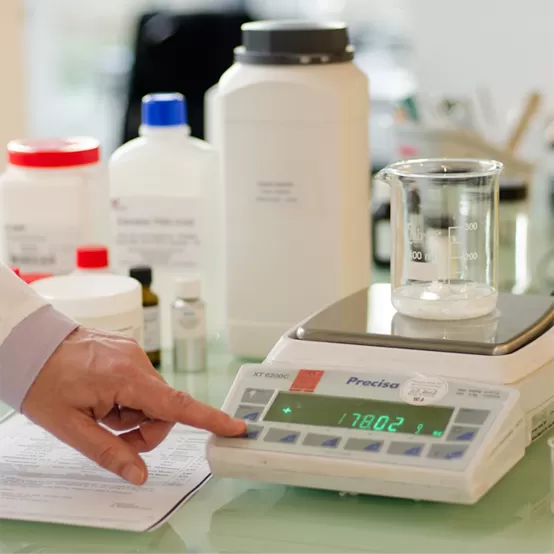
Different applications require different solutions. Celix develops customized cellulose ethers with precise viscosity and substitution adjustments, helping you achieve exactly the performance your formulations demand.

Beyond products, Celix empowers regional agents with training, marketing guidance, and technical backup. Together, we build sustainable growth and long-term value in every partnership.
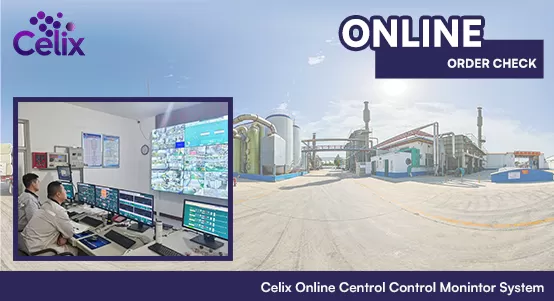
This fully transparent digital gateway allows you to track production, quality, and shipments in real time.
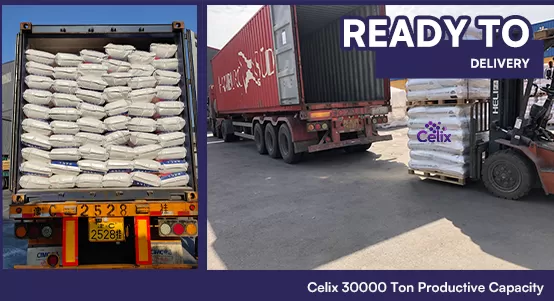
You can fulfill your urgent project deadlines by using digital management to keep inventories under control and logistics flexible.
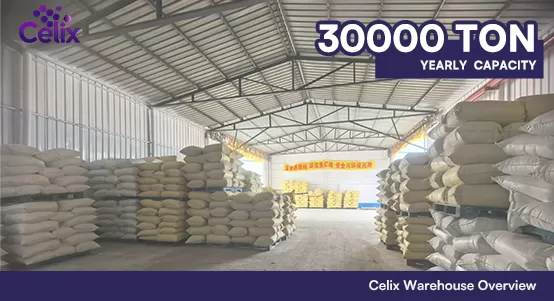
Hydroxypropyl Methyl cellulose is a hygroscopic and water-absorbent polymer powder. It should be stored and transported in its original packaging and kept cool and dry. During production and use, once the original packaging is opened, it must be resealed to prevent moisture intrusion.
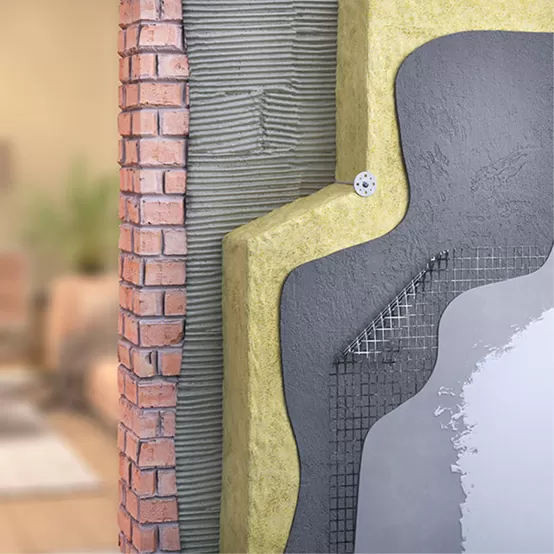
Hydroxypropyl Methyl Cellulose (HPMC) serves as an indispensable multi-functional additive in cement-based plastering mortars and renders.
Core Functions: It acts as a high-efficiency water retention agent, thickener, and workability stabilizer. HPMC holds mixing water within the wet plaster layer, preventing rapid water absorption by porous brick/block substrates or atmospheric evaporation. This ensures complete cement hydration, eliminating micro-cracking, shelling, and loss of bond strength.
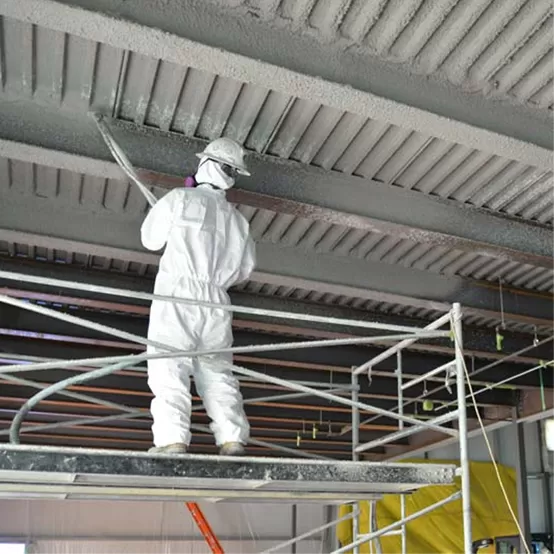
In modern construction, machine-sprayed cement plasters require unique rheological properties to pass through delivery pipes without segregation:
Lubrication & Pumping Stability: HPMC lowers friction between the mortar paste and pipe walls, preventing pump line blockages.
Anti-Segregation: It maintains a uniform suspension of sand and cement particles under pressure, ensuring smooth, continuous spraying and reduced rebound loss on vertical walls.
Plastering often requires applying thick coats (10–20 mm) in a single pass without sliding or sagging:
Thixotropic Rheology: HPMC imparts pseudoplastic viscosity to fresh cement mortar. Under mechanical shear (spraying or troweling), the mortar flows smoothly; once applied to the wall, its structural viscosity quickly recovers, holding thick plaster layers firmly in place without slumping.
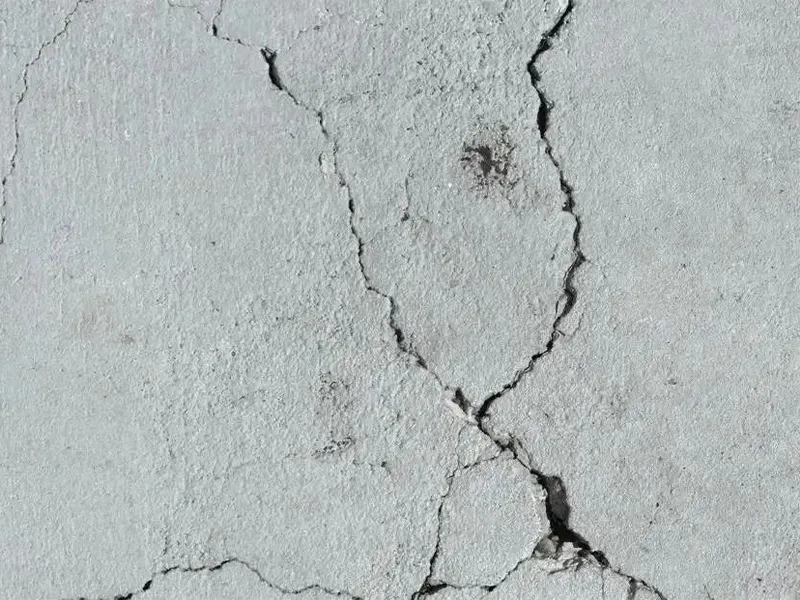
Cracking and hollow sound are primarily caused by rapid moisture loss before the cement cures fully:
High Water Retention (>98%): HPMC retains sufficient moisture in the plaster layer over extended curing periods, minimizing plastic shrinkage micro-cracks.
Enhanced Adhesion: By maintaining moisture at the interface between the substrate and plaster, HPMC ensures deep cement crystal formation, maximizing tensile bond strength to concrete blocks, red bricks, and AAC blocks.
Yes, positively.
Density Control & Air Entrainment: HPMC entrains controlled, micro-fine air bubbles during mixing. This increases the wet mortar volume (improving yield rate per bag) while reducing the overall wet density, making the plaster lighter to handle and easier for workers to level over large wall areas.
Viscosity selection depends on application method (manual vs. machine-sprayed):
Medium Viscosity (40,000 to 70,000 mPa.s / cPs): Recommended for machine-applied plastering mortars. It balances high pumpability with anti-sag performance.
High Viscosity (100,000 to 150,000 mPa.s / cPs): Preferred for hand-applied masonry plasters and thick-coat exterior renders, delivering strong thickening and high water retention under warm outdoor conditions.
Standard Hand-Applied Cement Plaster: Typically 0.1% to 0.25% (1 kg to 2.5 kg per metric ton of dry mortar).
Machine-Sprayed Cement Plaster: Typically 0.15% to 0.3% (1.5 kg to 3 kg per metric ton of dry mortar).
Pro Tip: Because plastering mortar contains a high proportion of sand, precise grading of aggregate sand combined with optimal HPMC dosage ensures maximum yield and minimal trowel drag.
Contact Us

Celix Cellulose Co., Ltd, is an integrated chemical cellulose manufacturer with in-house R&D, factories, and global sales sites.
Our products include HPMC, HEC, MHEC, VAE RDP, PCE, PVA, Defoamers, PP fibers, HPS, SHP and Gypsum Retarder.


Celix Cellulose Co., Ltd, is an integrated chemical cellulose manufacturer with in-house R&D, factories, and global sales sites.
Our products include HPMC, HEC, MHEC, VAE RDP, PCE, PVA, Defoamers, PP fibers, HPS, SHP and Gypsum Retarder.
Quick Links
+8618330106777
info@celixcellulose.com