EN
 jp
 ko
 es
 ru
 pt
 th
 ar
 vi
 id
 kk
Construction
Build Better, Build Greener, with Celix HPMC

For global dry-mix mortar producers, building material importers, and construction chemical distributors, one of the most critical operational challenges in international procurement is preventing product degradation during ocean transit.
Shipping hydroxypropy methylcellulose (HPMC)-the essential water retention agent and rheology modifier for tile adhesive C2TE, white cement wall putty, skim coat, and self-leveling underlayments-from manufacturing facilitiesin Asia to destination ports across the Middle East, Latin America, Southeast Asia, Africa, and Europe requires 20 to 40 days at sea. During these transoceanic voyages, freight vessels pass through equatorial tropical zones where internaltemperatures inside sealed shipping containers regularly reach 60 C - 70° C (140° F - 158℉) with relative humidity approaching 100%.
This aggressive phenomenon-known in maritime logistics as "Container Rain" -presents a severe threat to moisturesensitive cellulose ethers. Without an engineered multi-layer barrier, raw hpmc cellulose powder rapidly absorbsambient moisture, causing physical caking, loss of brookfield viscosity, reduced mortar water retention (≥ 98%),and unstable tile adhesive open time on the jobsite.
As a primary international cellulose ether factory and direct HPMC manufacturer, Hebei Celix Cellulose Co., Ltd. (Celix) has engineered a robust, end-to-end quality defense system. Combining advanced packaging technology, strict containerization protocols, and destination storage guidelines, Celix guarantees factory-fresh performance for every construction grade HPMC shipment.
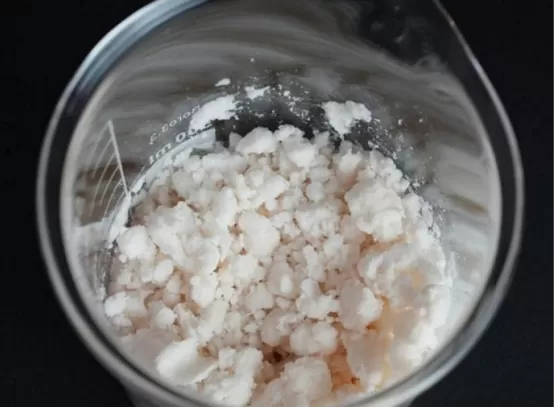
Hydroxypropyl methylcellulose (HPMC), along with hydroxyethyl methyl cellulose (HEMC/MHEC) and hydroxyethyl cellulose (HEC), is a non-ionic cellulose ether derivative synthesized via the chemical etherification of natural refinedcotton cellulose. Its molecular chain is rich in hydrophilic hydroxyl (-OH) and hydroxypropyl (-OCH2 CH(OH)CH) substituent groups, making it an exceptionally efficient thickening agent and anti-sagging additive in dry-mixed mortar formulations.
However, when exposed to severe container heat and humidity, unprotected hpmc polymer undergoes two primary failure mechanisms:
1.Moisture Absorption & Physical Caking: Free water vapor penetrates basic paper sacks, causing fine polymer particles to aggregate into hard lumps. This clogs pneumatic conveying lines, hampers automatic dosing systems, and creates un-dissolved "fish eye" clumps in wet mortar mixes.
2.Partial Hydration & Viscosity Loss: High thermal humidity triggers premature surface hydration of the cellulosechains. This degrades the active brookfield viscosity (100, 000 - 200, 000 mPa s), reduces thermal gelationstability, and shortens the open time extension of C2TES1 flexible tile adhesives under hot ambient applicationconditions.
To eliminate moisture ingress entirely, Celix enforces a specialized triple-layer export packaging standard.
Celix has upgraded its standard hpmc china export packaging system to exceed maritime logistics demands while fully aligning with the European Union Packaging and Packaging Waste Regulation (EU PPWR) sustainability mandates:
Inside every 25kg export bag, Celix incorporates a food- grade, high-density polyethylene (PE) inner liner. Unlikestandard tied or folded plastic bags, Celix utlizes automated thermal heat-sealing. This creates a hermetic, airtightbarrier that completely blocks water vapor transmission, preserving the purity and low ash content (< 5.0%) of the hydroxypropyl methyl cellulose.
The outer protective sack consists of high-tensile imported kraft paper laminated with a woven polypropylene (PP) inner mesh. This composite paper-plastic construction provides superior burst resistance, high tensile strength, and puncture protection, allowing bags to endure multi-point port handling and multi-tier pallet stacking without tearing.

During automated palletization, bags are stacked uniformly on export-grade fumigated or plastic pallets. Heavy-duty top-cap waterproof sheets are placed over the stack before multi-layer industrial stretch film wrapping is applied. This locks the pallet into a rigid, moisture-proof block that prevents tilting and shields against corrosive salt-laden ocean air.
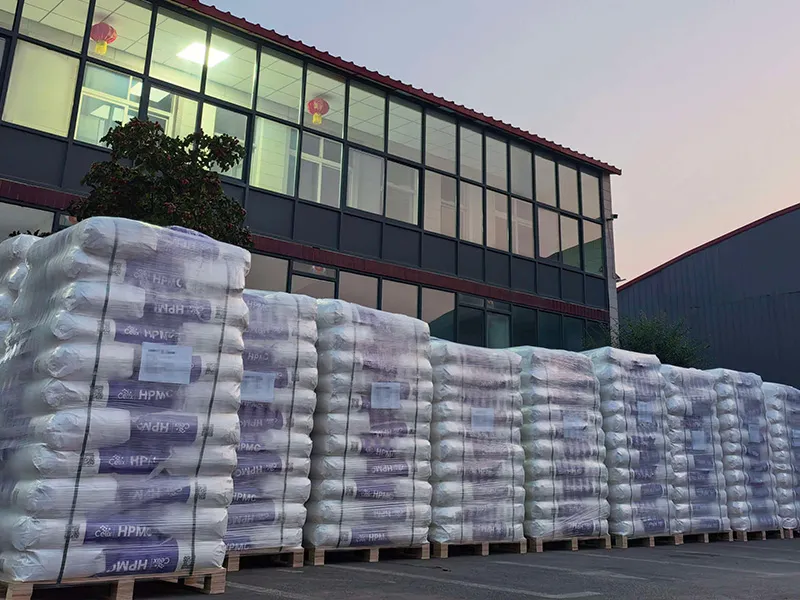
Protecting individual sacks is only half the solution; controlling the micro-climate inside the shipping container is equally vital. Every Celix ocean shipment undergoes a mandatory pre-loading checklist:
l Inspection: Zero structural holes, light leaks, floor moisture, or odors.
l Desiccant Placement: High-absorption industrial desiccant bags installed along container walls and upper corners to actively absorb condensation.
l Container Liners: Full-height protective liners installed along walls and floors to isolate freight from metal wall sweat.
l Certified Pallets: Fumigated ISPM-15 compliant wooden or plastic pallets.
Once your container arrives at the port of entry and moves into regional warehouse storage, proper handling ensures that the cellulose ether maintains its full 24-month shelf life. Celix application engineers recommend the following plant protocols:
l Temperature & Humidity Control: Store HPMC sacks in a cool, dry, well-ventilated indoor warehouse. Maintainambient temperatures between 5℃ and 30℃ (41℉ - 86℉) with relative humidity below 60%.
l Elevated Pallet Storage: Keep bags elevated on wooden or plastic pallets (at least 15 cm off concrete floors and 30 cm away from exterior walls) to eliminate capillary ground moisture uptake.
l First-In, First-Out (FIFO) Rotation: Practice strict FIFO stock management to ensure consistent performance inyour daily tile adhesive formulation, skim coat production, or wall putty batching.
l Stage Unpacking: Only cut open the heat-sealed inner PE liner immediately prior to batch mixing. Avoid leaving opened bags exposed to humid factory air for extended periods.
l Resealing Partial Bags: If a bag is partially consumed, fold the PE inner liner tightly and clamp it securely to prevent moisture pickup from ambient humidity.
Celix's commitment to export quality control, dry-mix chemical purity, and eco-friendly packaging is backed by internationally recognized standards:
1. EU REACH Chemical Compliance: Fully registered with the European Chemicals Agency (ECHA), ensuring legal clearance, safety compliance, and complete batch traceability across European markets. Review Official ECHA REACH Directives.
2. EU PPWR Eco-Packaging Alignment: All packaging materials conform to European Union requirements for packaging waste reduction and recyclability. Review the European Commission Environment Standards.
3. ISO 9001:2015 & ISO 14001:2015 Management Standards: Manufacturing, testing, and pre-shipment COA verification certified under ISO Quality Management Systems.
Whether your dry-mix manufacturing plant is located in the arid desert regions of the Middle East, tropical coastal zones in Southeast Asia, or major industrial hubs across Europe and the Americas, Hebei Celix Cellulose Co., Ltd. (Celix) delivers complete supply chain peace of mind.
By pairing advanced chemical synthesis with triple-layer moisture packaging, active container desiccant controls, and verified EU REACH / PPWR compliance, Celix ensures that every batch of HPMC, HEMC, HEC, and redispersible polymer powder (VAE RDP) arrives at your plant in peak functional condition.
Build Better, Build Greener, with Celix HPMC

Clean Safer, Care Smarter, with Celix Cellulose Ether

Drill Deeper, Operate Safer, with Celix Cellulose Ether

Formulate Precisely, Deliver Safely, with Celix Cellulose Ether

Taste Better, Keep Fresher, with Celix Cellulose Ether

Shape Stronger, Fire Smarter, with Celix Cellulose Ether
Contact Us

Celix Cellulose Co., Ltd, is an integrated chemical cellulose manufacturer with in-house R&D, factories, and global sales sites.
Our products include HPMC, HEC, MHEC, VAE RDP, PCE, PVA, Defoamers, PP fibers, HPS, SHP and Gypsum Retarder.


Celix Cellulose Co., Ltd, is an integrated chemical cellulose manufacturer with in-house R&D, factories, and global sales sites.
Our products include HPMC, HEC, MHEC, VAE RDP, PCE, PVA, Defoamers, PP fibers, HPS, SHP and Gypsum Retarder.
Quick Links
+8618330106777
info@celixcellulose.com