EN
 jp
 ko
 es
 ru
 pt
 th
 ar
 vi
 id
 kk
Celix Cellulose Co., Ltd, is an integrated chemical cellulose manufacturer with in-house R&D, factories, and global sales sites.
Our products include HPMC, HEC, MHEC, VAE RDP, PCE, PVA, Defoamers, PP fibers, HPS, SHP and Gypsum Retarder.

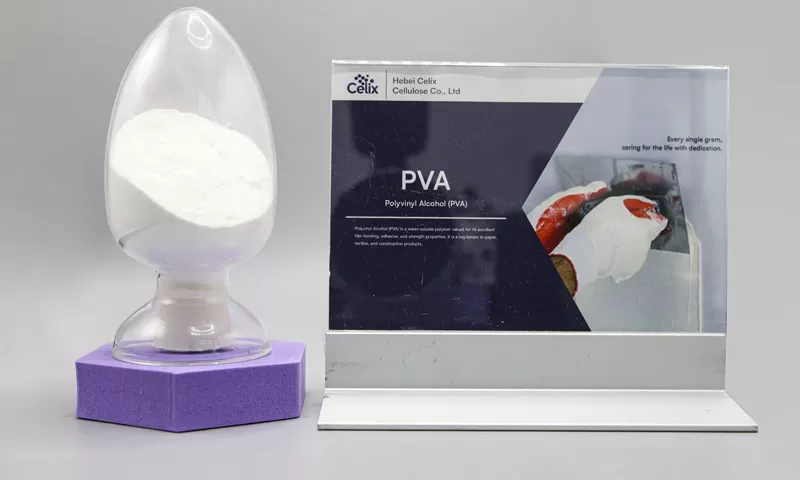
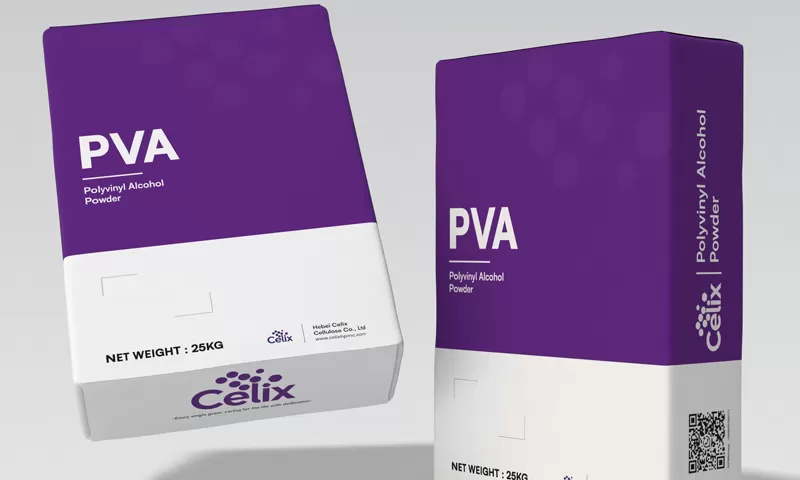
The Polyvinyl Alcohol Powder (PVA)is widely used and has good bonding, film-forming, and heat stability qualities. Its water solubility and the level of alcoholysis are correlated.
Celix Model: PVA-1788, PVA-2488
CAS No.: 9002-89-5
Type: Chemical Auxiliary Agent
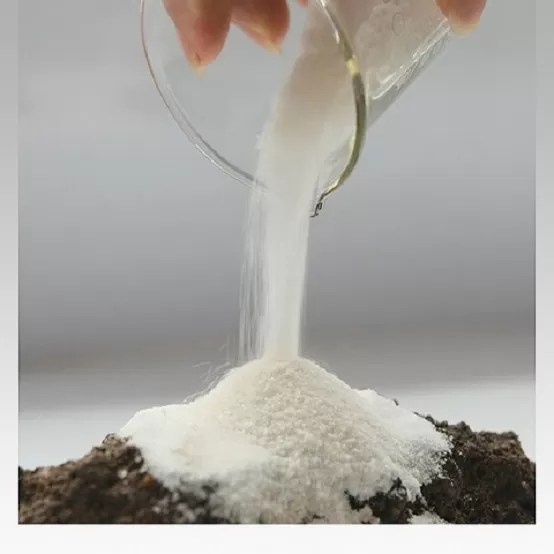
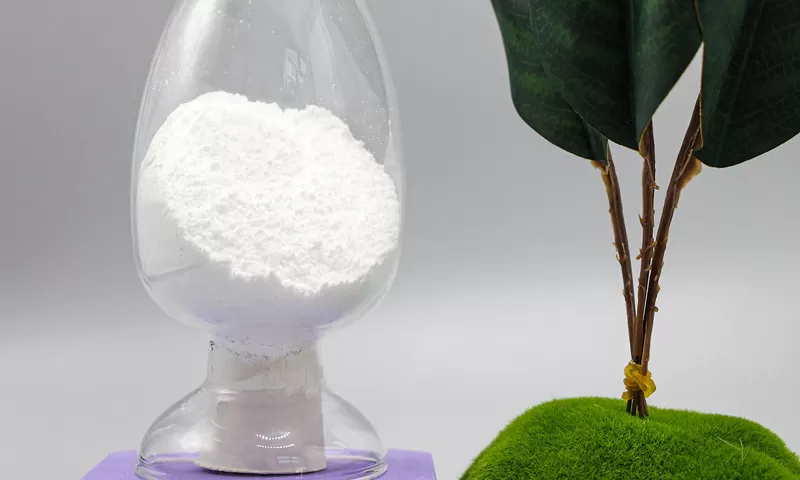
Appearance: White To Off-White Powder Substance
HS Code: 3905300000
Solution Stability
Polyvinyl Alcohol Powder (PVA) delivers excellent solution stability, preventing sedimentation or separation even during long storage, ensuring consistent performance in formulations.
Solubility
PVA dissolves well in water at appropriate temperatures, forming uniform solutions without lumps, enabling easy integration into various applications.
Film Formation
It forms flexible, transparent, and strong films with good barrier properties against gases and oils, suitable for coatings, adhesives, and packaging-related uses.
Adhesion
It has good adhesion to cement and other gelling materials.
| Specification | Index | |
| Model | 1788 (088 - 20) | 2488 (088 - 50) |
| Graininess | 120 mesh 100% pass | 120 mesh 100% pass |
| Viscosity(2%, 20℃, Mpa.s) | 20.5 - 24.5 | 40 - 48 |
| Alcoholysis degree mole% | 87 - 89 | 87 - 89 |
| Ash %max | 0.4 | 0.3 |
| Volatile content %max | 5 | 5 |
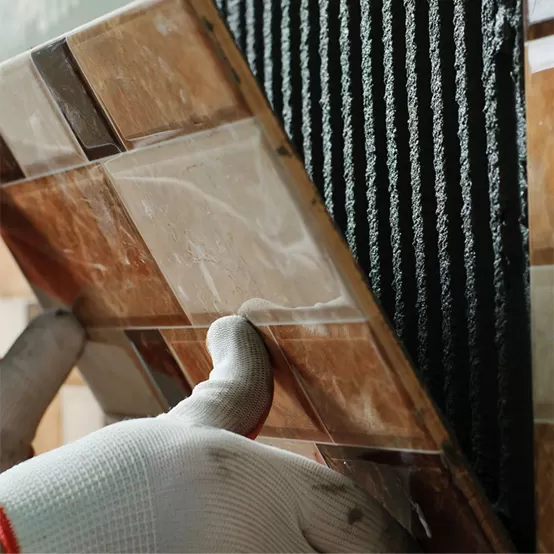
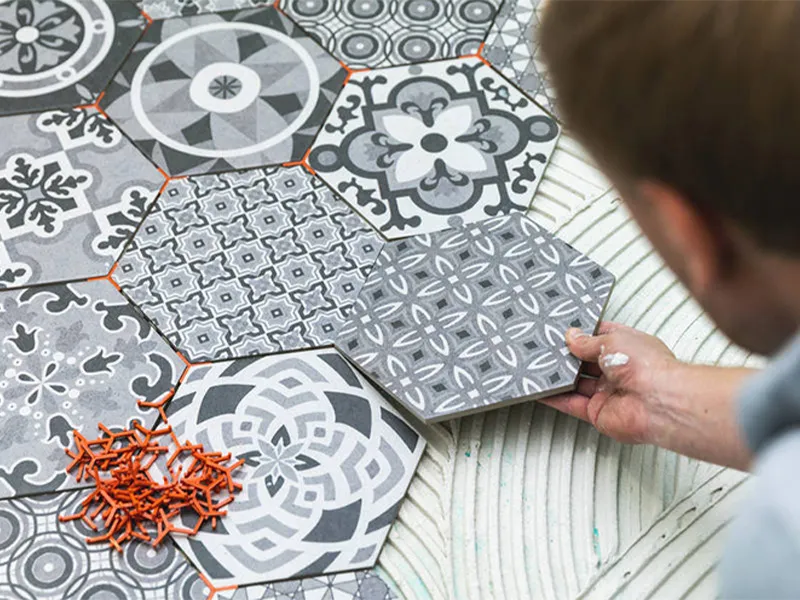
Polyvinyl Alcohol Powder (PVA) boosts bonding strength between tiles and substrates, enhances water retention to prevent premature drying, and improves workability for smoother, more reliable tile installation.
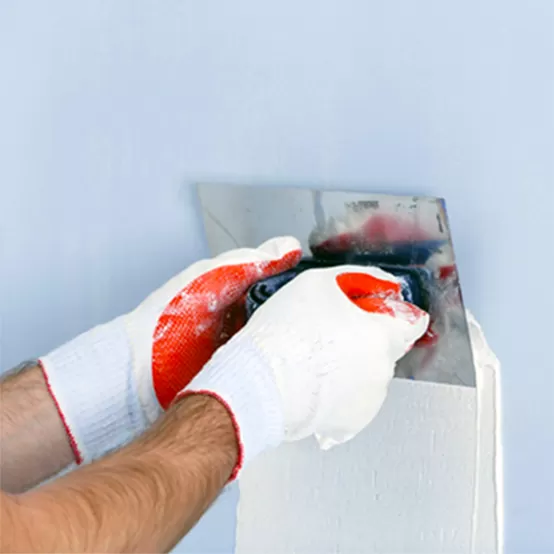
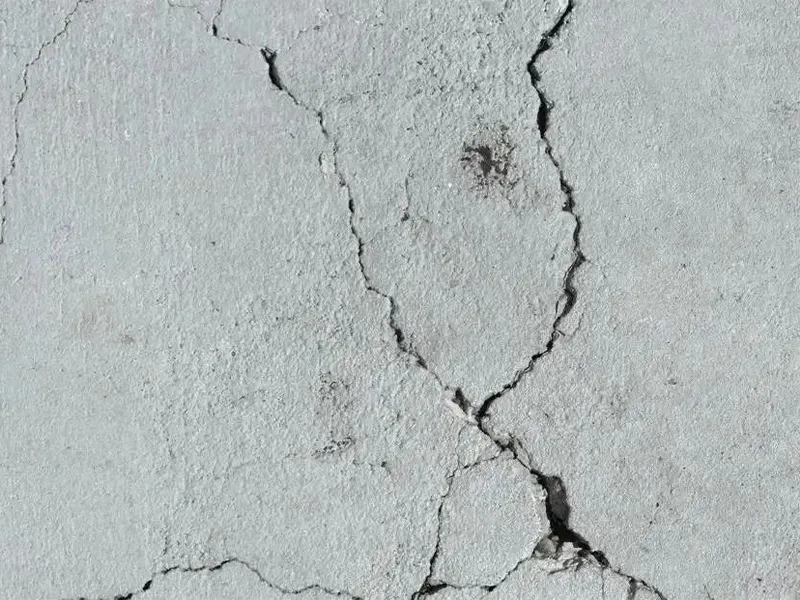
PVA enhances putty's adhesion to walls, reduces cracking and peeling, and improves smoothness—ensuring a uniform, durable base for painting or wall finishing.
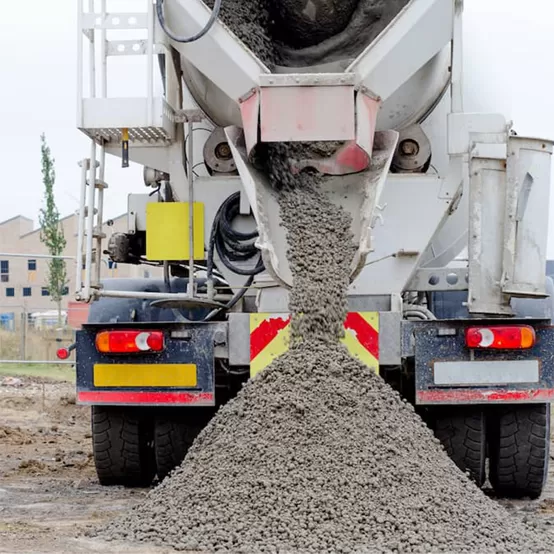
It acts as a water-retaining and bonding agent, maintaining mortar consistency during application, reducing shrinkage, and boosting overall mechanical strength.
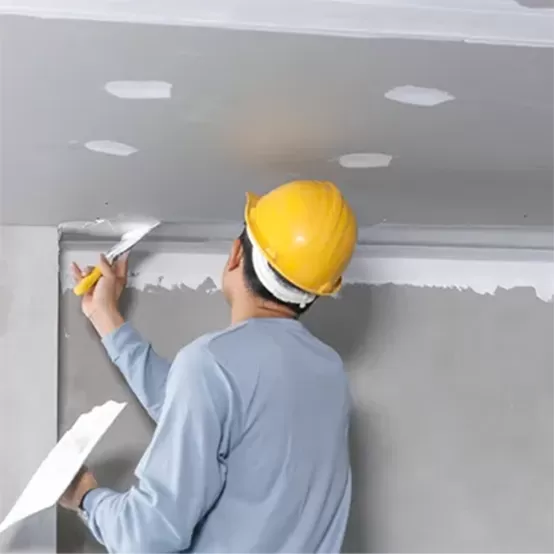
PVA improves gypsum mortar’s water retention (preventing rapid setting), enhances flexibility to reduce brittleness, and strengthens adhesion to substrates for longer-lasting performance.
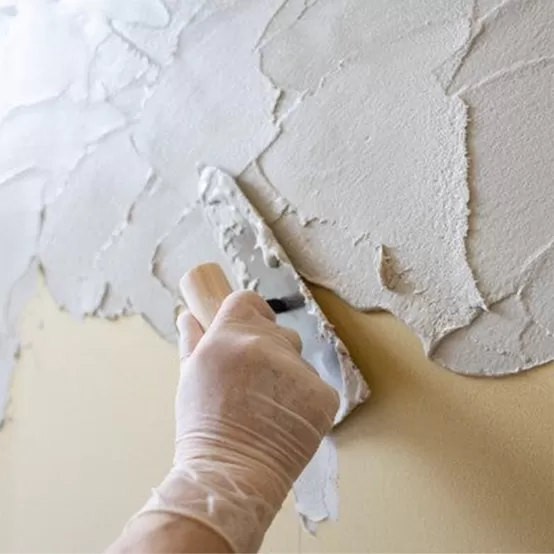
It enhances diatom mud’s cohesion to avoid powdering, improves workability for easy spreading, and helps form a stable structure while preserving diatom mud’s breathability.
Polyvinyl Alcohol (PVA) is a water-soluble, eco-friendly synthetic polymer featuring strong adhesion, high tensile strength, and excellent film-forming properties.
l Main Applications: Widely used in dry-mix mortars, tile adhesives, wall putty, and gypsum products to improve bonding strength and flexibility. It is also extensively applied in textile sizing, paper coatings, water-based adhesives, and film production.
The degree of hydrolysis determines the solubility and performance of PVA:
l Partially Hydrolyzed (87–89%, e.g., 2488, 0588): Highly soluble in cold/ambient water. Provides fast dispersion, excellent emulsification, and superior tack, making it ideal for construction additives and dry-mix formulations.
l Fully Hydrolyzed (98–99%+): Dissolves primarily in hot water. Offers high tensile strength, film toughness, and superior water and solvent resistance, making it suitable for paper processing and textiles.
When added to dry-mix cement mortar, tile adhesives, or wall putty, PVA powder acts as a premium redispersible organic binder:
l Increases Bonding Strength: Significantly improves adhesion between mortar and various substrates.
l Enhances Flexibility & Crack Resistance: Improves toughness to resist impact and thermal stress.
l Improves Workability: Offers excellent water retention, extends open time, and prevents sagging.
Yes. Our construction-grade PVA powders (such as 2488 / 0588) undergo specialized micronization and surface treatment. They dissolve quickly and thoroughly in cold water without clumping or forming fish-eyes, saving processing time on-site.
l Storage: Store in a cool, dry, and well-ventilated warehouse away from heat, direct sunlight, and moisture, as PVA is hygroscopic.
l Shelf Life: 12 to 24 months when unopened in original packaging.
l Standard Packaging: 25 kg multi-wall paper-plastic composite bags with an inner PE liner.
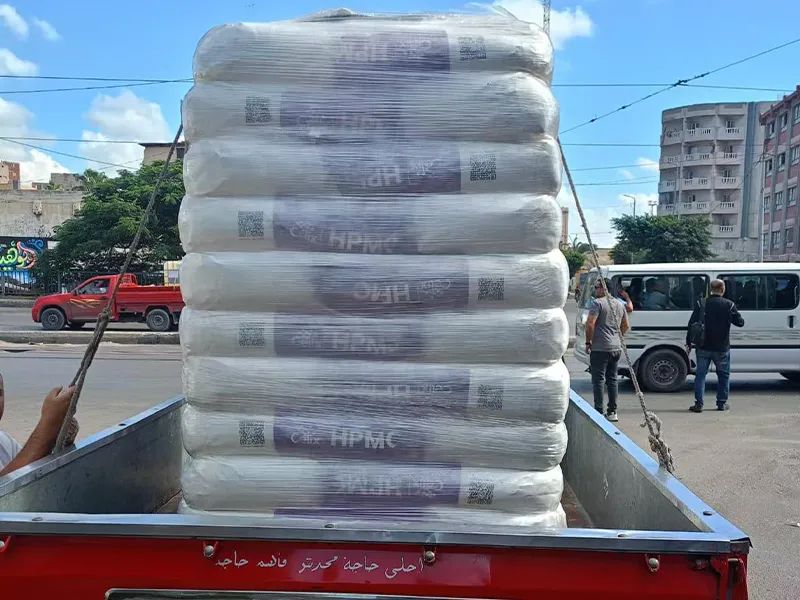
l Custom Options: Palletized shipments, stretch-wrapped for sea transport, or bulk jumbo bags upon request.
Yes. We offer free sample quantities (typically 500g to 1kg) for client formulation testing and laboratory evaluation. Contact our technical sales team to request samples for your specific application.
Contact Us

Celix Cellulose Co., Ltd, is an integrated chemical cellulose manufacturer with in-house R&D, factories, and global sales sites.
Our products include HPMC, HEC, MHEC, VAE RDP, PCE, PVA, Defoamers, PP fibers, HPS, SHP and Gypsum Retarder.


Celix Cellulose Co., Ltd, is an integrated chemical cellulose manufacturer with in-house R&D, factories, and global sales sites.
Our products include HPMC, HEC, MHEC, VAE RDP, PCE, PVA, Defoamers, PP fibers, HPS, SHP and Gypsum Retarder.
Quick Links
+8618330106777
info@celixcellulose.com