EN
 jp
 ko
 es
 ru
 pt
 th
 ar
 vi
 id
 kk

Celix Cellulose Co., Ltd, is an integrated chemical cellulose manufacturer with in-house R&D, factories, and global sales sites.
Our products include HPMC, HEC, MHEC, VAE RDP, PCE, PVA, Defoamers, PP fibers, HPS, SHP and Gypsum Retarder.

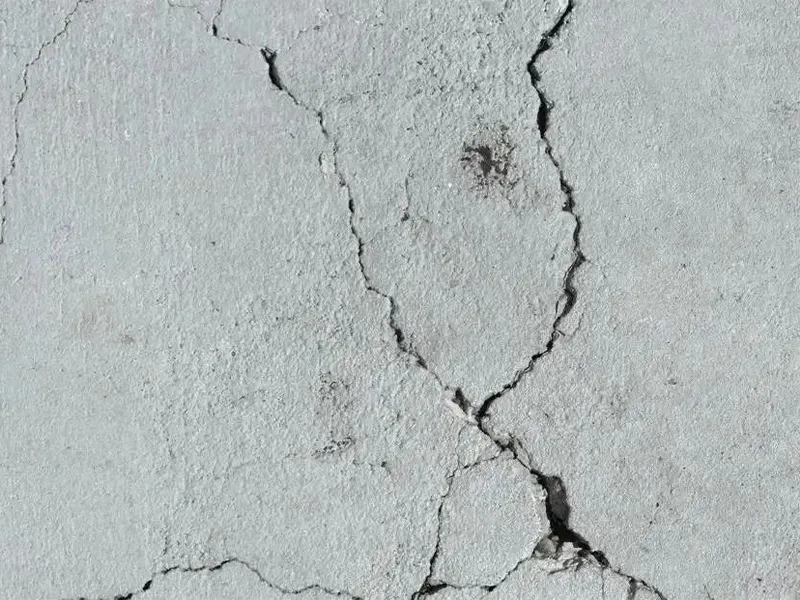
Celix Hydroxypropyl Methyl Cellulose (HPMC) improves water retention, workability, and crack resistance, ensuring smooth application and durable, uniform plaster finishes.
Celix Model: PM-30U
Celix Modified Model for Gypsum Based Plaster: PM-Pro-G1, PM-Pro-G2
CAS No.: 9004-65-3
Type: Chemical Auxiliary Agent
Appearance: White To Off-White Powder Substance
Viscosity Range: 24,000-45,000m Pa.s (Brookfield, 2% water solution)
HS Code: 39123900
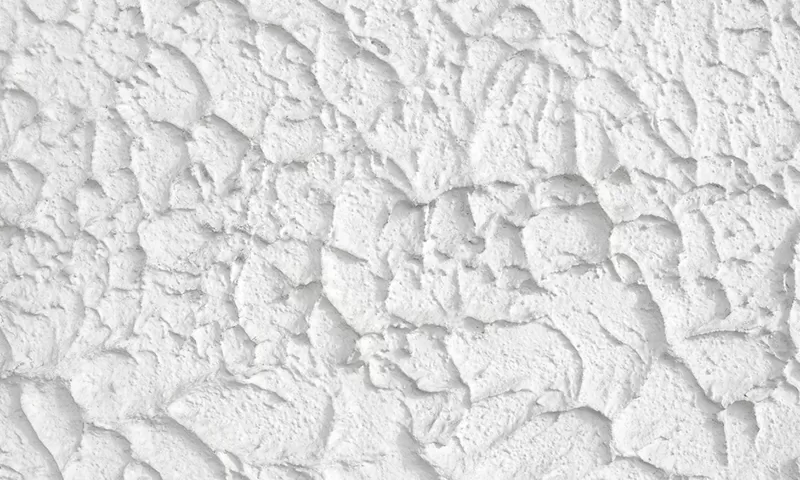
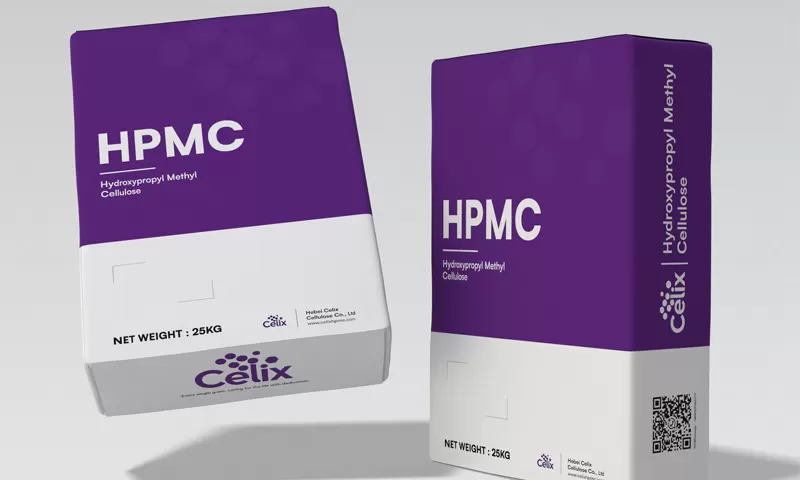
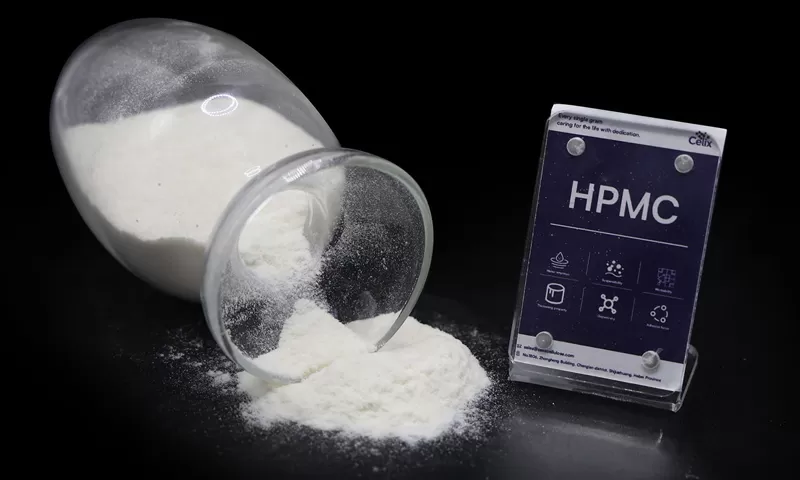
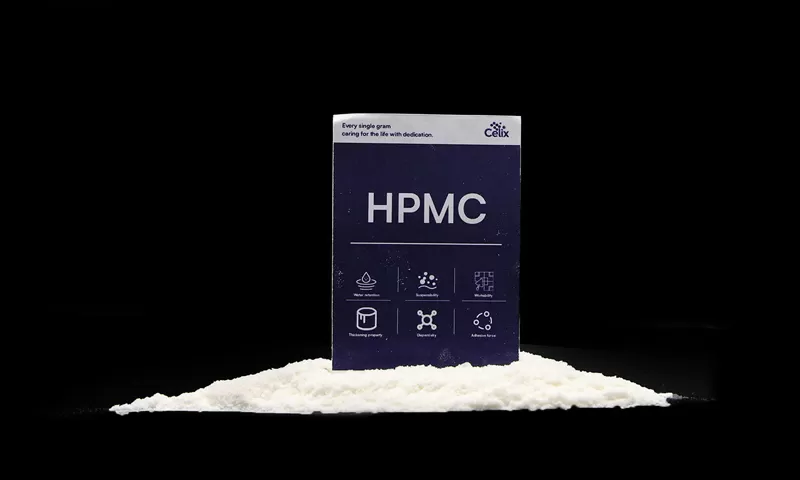
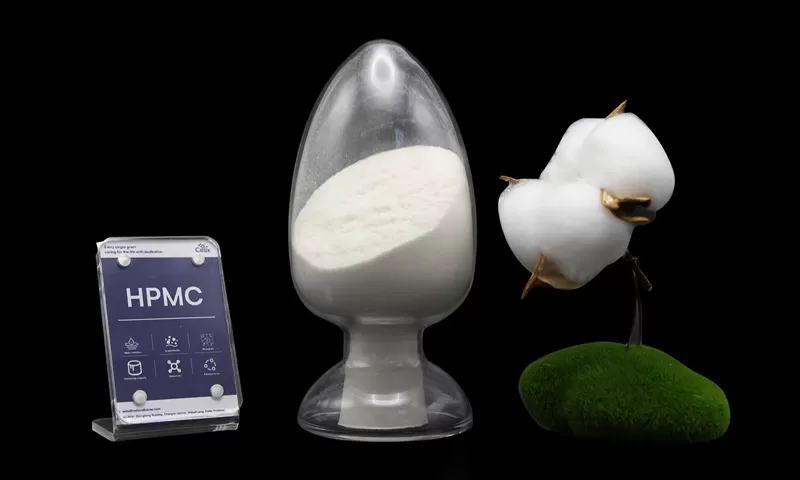
Celix HPMC PM-30U effectively improves the water retention and bonding strength of gypsum-based plaster mortar.
Water Retention
Celix HPMC for gypsum-based plaster effectively retains moisture, preventing rapid dehydration that causes premature setting and surface cracks, ensuring complete gypsum hydration.
Thickening Effect
It enhances the viscosity of gypsum-based plaster, maintaining a stable, workable consistency to avoid sagging on vertical surfaces and ensure uniform application.
Workability
Celix HPMC improves the spreadability and plasticity of gypsum-based plaster, making it easier to mix, apply, and smooth for efficient, consistent finishing.
Durability
It strengthens the gypsum matrix, reducing shrinkage and cracking over time to enhance the plaster’s long-term structural integrity and resistance to wear.
Fire Resistance
gypsum plaster is highly resistant to fire and can hold the fire for up to 3 hours.
Our products utilize advanced, fully automated reactor technology from Germany, ensuring high product purity, cost-effectiveness, and consistent quality. This technological advantage allows us to offer affordable solutions without compromising performance reliability.
| Specification | PM-30U |
| Exterior | White or light yellowish white powder |
| Methoxy.% | 19-24 |
| Hydroxypropyl,% | 7.5-12.0 |
| Gel temperature | 60-70 |
| Ash content,% | ≤5 |
| Water content,% | ≤5 |
| pH value | 6-8 |
| Viscosity(2%, 20C, Mpa.s) | 24000-45000 |
| Granularity | 98% passed the 80 mesh |
| Density | 370-390 g/L |
| Dosage | 2-4‰ |
* The recommended dosage of this product is 2-4‰ of the system, and the dosage needs to be determined by experiment. Contact us for solutions!
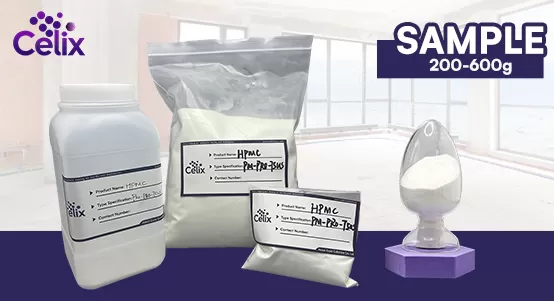
Fast sample supply to enable you assess the performance of the product before buying.
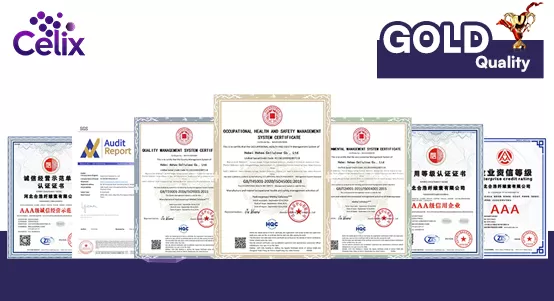
To guarantee consistent, high-quality products, rigorous testing is conducted at each level.
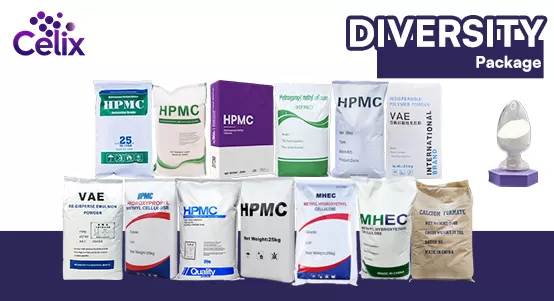
Standardized, secure packaging for long shelf life and safe transportation.
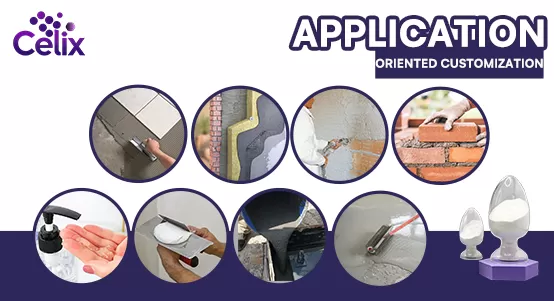
Formulations tailored to fit your particular application requirements.

Provide technical, marketing, and training resources to regional partners. 6. Online Factory Monitor: This fully transparent digital gateway allows you to track production, quality, and shipments in real time.
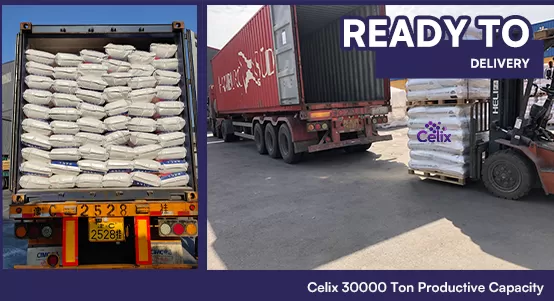
You can fulfill your urgent project deadlines by using digital management to keep inventories under control and logistics flexible.
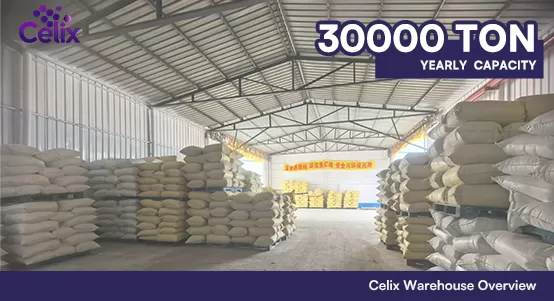
Hydroxypropyl Methyl Cellulose is a powdered polymer that absorbs water and is hygroscopic. It must be kept dry and cool, and it must be transported and stored in its original packing. To avoid moisture intrusion during production and usage, the original package must be resealed after it has been opened.
Interior gypsum plasters are frequently applied in thick layers (10–30 mm) in a single pass to level uneven masonry walls:
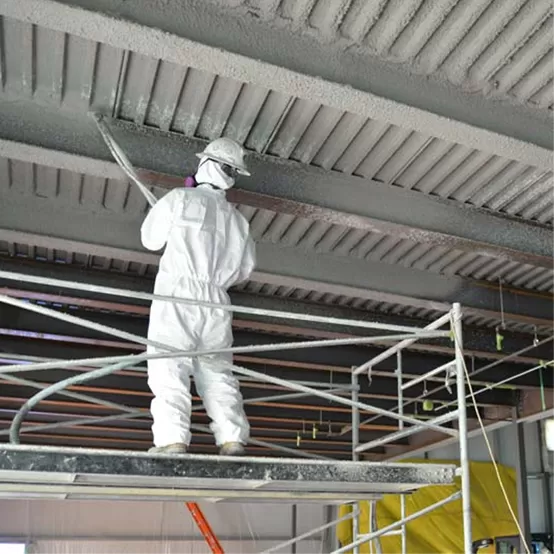
Structural Viscosity Recovery: Once mechanical shear (spraying or troweling) stops, HPMC rapidly rebuilds internal network viscosity. This holds heavy, thick gypsum layers firmly in place on vertical walls and ceilings without slumping, sliding, or dripping.
Hydroxypropyl Methyl Cellulose (HPMC) serves as an essential water retention agent, thickener, and rheology modifier in both hand-applied and machine-sprayed gypsum plasters (including FGD gypsum, natural gypsum, and phosphogypsum mortars).
Core Role: Hemihydrate gypsum requires sufficient water to crystallize into strong dihydrate gypsum. HPMC locks mixing water inside the fresh plaster paste, preventing porous substrates (like aerated concrete/AAC blocks and clay bricks) from sucking water out too quickly. This guarantees complete gypsum hydration, maximizing surface hardness, tensile bond strength, and crack resistance.
Gypsum plaster is prized for its fast, smooth finishing, which relies heavily on the rheological properties provided by HPMC:
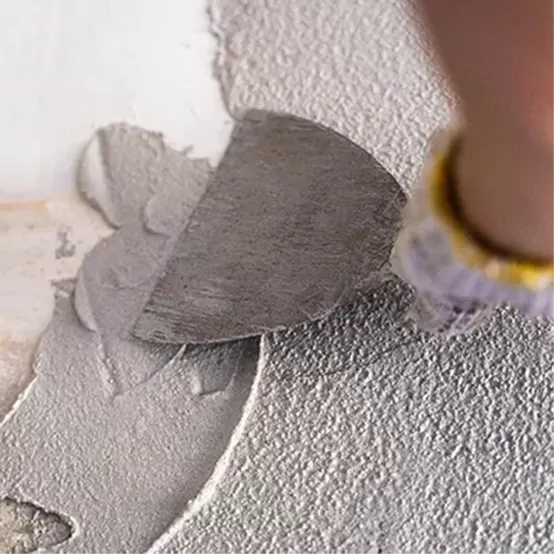
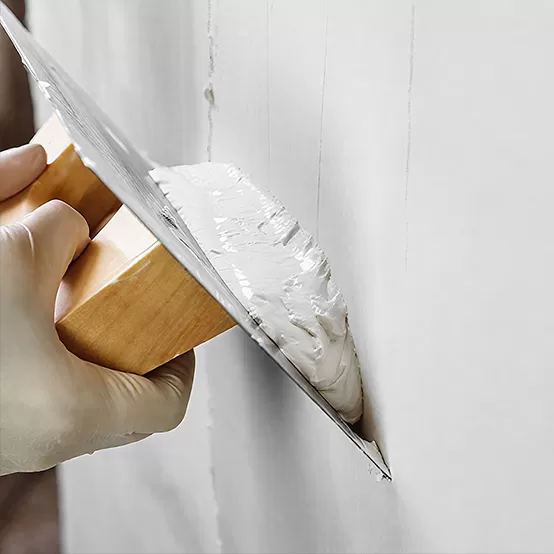
Creamy, Effortless Spreading: HPMC imparts pseudoplastic (thixotropic) behavior to the gypsum slurry. Under trowel pressure, the viscosity drops temporarily, allowing applicators to spread and level large wall areas smoothly with minimal arm fatigue.
Non-Sticky & Smooth Finish: Optimized gypsum-grade HPMC eliminates blade stickiness and prevents tearing during final sponging or steel-trowel polishing, delivering a mirror-smooth, paint-ready surface.
Material yield (square meters covered per ton of dry plaster) is a critical cost factor for contractors:
Controlled Micro-Air Entrainment: Gypsum-grade HPMC stabilizes fine, uniform micro-bubbles during mixing. This increases the wet mortar volume (higher yield rate) and lowers wet density, making the plaster lighter to apply while boosting coverage efficiency by 10%–15%.
Viscosity selection depends on the plaster layer thickness and application method (manual vs. machine spraying):
Medium Viscosity Grades (30,000 to 60,000 mPa.s / cPs): Ideal for machine-applied gypsum plasters (spray plaster) and thin-coat gypsum skim coats. It ensures smooth pumping through hoses without blockages while maintaining strong anti-sagging stability.
Medium-to-High Viscosity Grades (60,000 to 100,000 mPa.s / cPs): Preferred for hand-applied heavy-build gypsum plasters and bonding gypsum, offering maximum water retention on highly absorptive substrates.
Machine-Sprayed Gypsum Plaster: Typically 0.15% to 0.25% (1.5 kg to 2.5 kg per metric ton of dry gypsum mix).
Hand-Applied Gypsum Plaster / Skim Coat: Typically 0.20% to 0.35% (2.0 kg to 3.5 kg per metric ton of dry mix).
Pro Tip: Gypsum purity, crystal morphology, and phase composition (alpha vs. beta hemihydrate) significantly affect water demand. Laboratory trial batches are recommended to calibrate exact HPMC dosage.
Yes, exceptional synergistic compatibility.
With Gypsum Retarders (Protein / Amino Acid Type): HPMC retains hydration water while the gypsum retarder extends setting time (45–90+ minutes) without causing compressive strength loss.
With Modified Starch Ethers: Blending a small ratio of starch ether (0.02%–0.05%) with HPMC dramatically enhances thixotropic anti-sagging performance and improves trowel feel while reducing formulation costs.
With Redispersible Polymer Powder (RDP) & Air-Entraining Agents: Enhances substrate adhesion on smooth concrete ceilings and optimizes wet mortar plasticity.
Contact Us

Celix Cellulose Co., Ltd, is an integrated chemical cellulose manufacturer with in-house R&D, factories, and global sales sites.
Our products include HPMC, HEC, MHEC, VAE RDP, PCE, PVA, Defoamers, PP fibers, HPS, SHP and Gypsum Retarder.


Celix Cellulose Co., Ltd, is an integrated chemical cellulose manufacturer with in-house R&D, factories, and global sales sites.
Our products include HPMC, HEC, MHEC, VAE RDP, PCE, PVA, Defoamers, PP fibers, HPS, SHP and Gypsum Retarder.
Quick Links
+8618330106777
info@celixcellulose.com