EN
 jp
 ko
 es
 ru
 pt
 th
 ar
 vi
 id
 kk

Celix Cellulose Co., Ltd, is an integrated chemical cellulose manufacturer with in-house R&D, factories, and global sales sites.
Our products include HPMC, HEC, MHEC, VAE RDP, PCE, PVA, Defoamers, PP fibers, HPS, SHP and Gypsum Retarder.

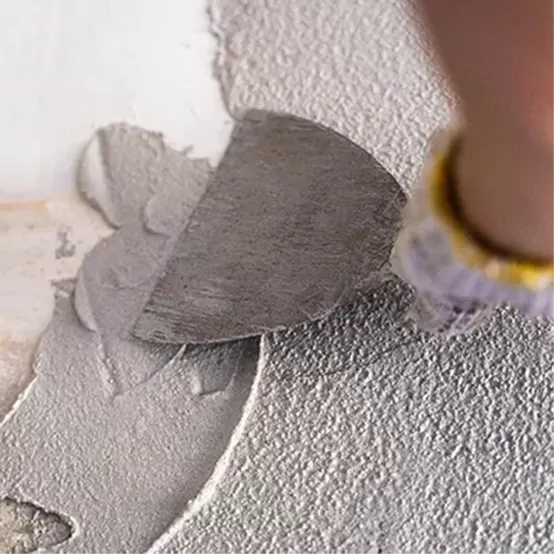
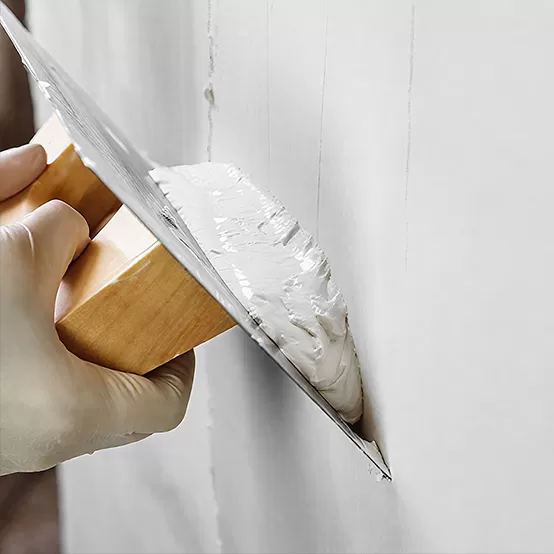
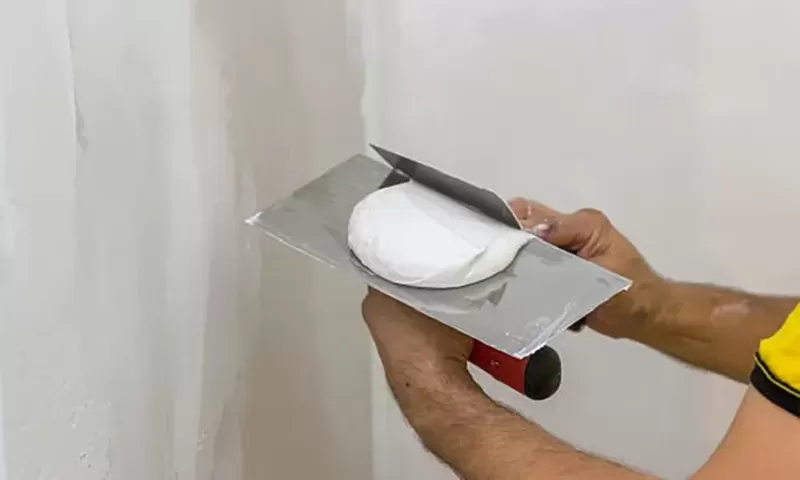
Celix Hydroxypropyl Methyl Cellulose (HPMC) for Wall putty makes putty mortar easier to mix and apply efficiently, by performing in high water retention, excellent workability and extended open time.
Celix Model: PM-55U
Celix Modified Model for Wall Putty: PM-Pro-SWP
CAS No.: 9004-65-3
Type: Chemical Auxiliary Agent
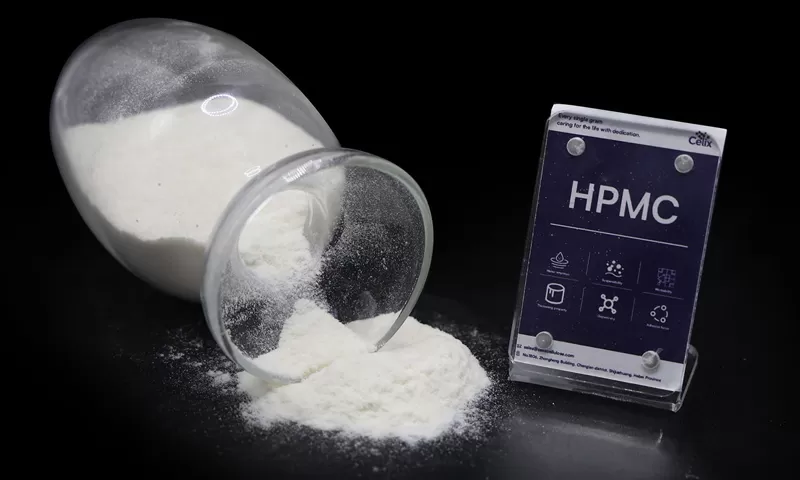
Appearance: White To Off-White Powder Substance
Viscosity Range: 45,000-65,000m Pa.s (Brookfield, 2% water solution)
HS Code: 39123900
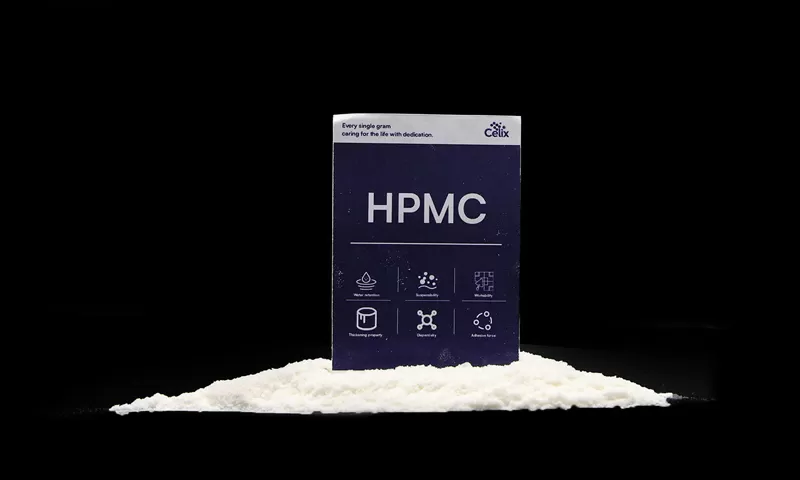
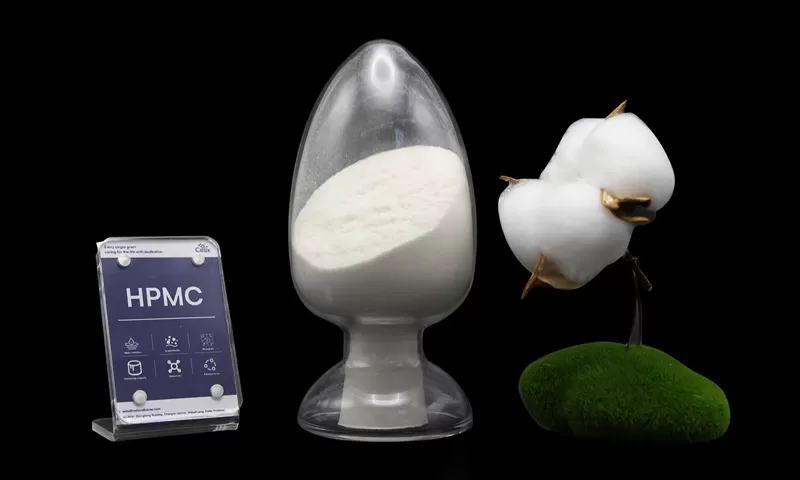
Celix HPMC for Wall Putty is surface-treated, thus improving the performance of the wall putty.
Water Retention
Prevents premature drying for uniform finishing.
Workability
Offers superior thickening, dispersion, and film-forming capabilities.
Durability
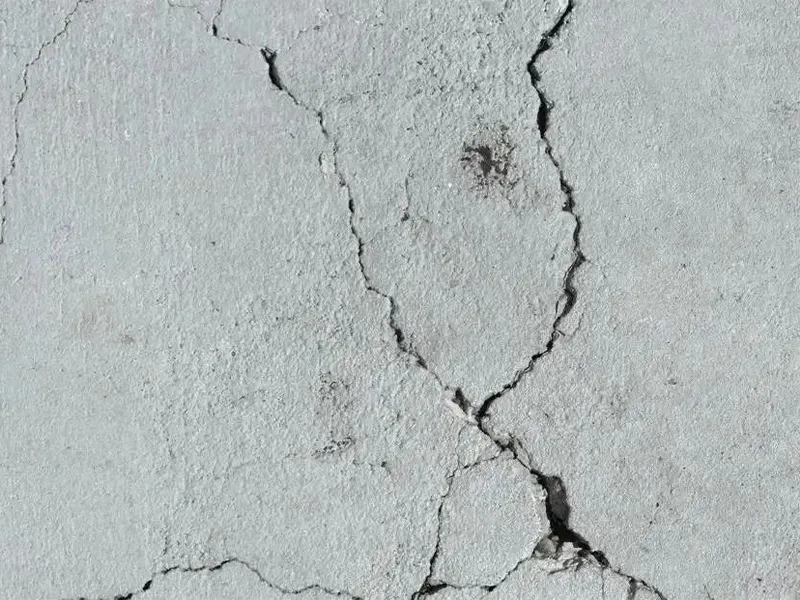
Reduces cracking and increases surface strength.
Sag Resistance
Keeps wall putty firmly in place on vertical surfaces
Our products utilize advanced, fully automated reactor technology from Germany, ensuring high product purity, cost-effectiveness, and consistent quality. This technological advantage allows us to offer affordable solutions without compromising performance reliability.
| Specification | PM-55U |
| Exterior | White or light yellowish white powder |
| Methoxy.% | 19-24 |
| Hydroxypropyl,% | 7.5-12.0 |
| Gel temperature | 60-70 |
| Ash content,% | ≤5 |
| Water content,% | ≤5 |
| pH value | 6-8 |
| Viscosity(2%, 20C, Mpa.s) | 55000 |
| Granularity | 98% passed the 80 mesh |
| Density | 370-390 g/L |
| Dosage | 4-6‰ |
* The recommended dosage of this product is 4-6‰ of the system, and the dosage needs to be determined by experiment. Contact us for solutions!
* Other "Celix Pro" Series HPMC for Wall Putty
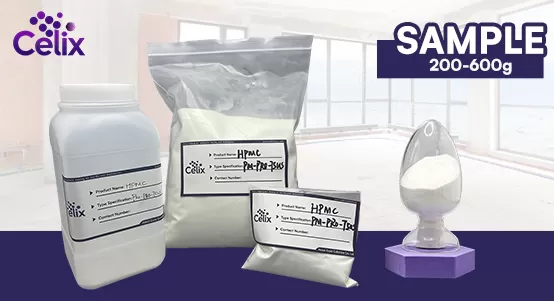
Quick sample supply to assist you in assessing the performance of the product before to purchase.
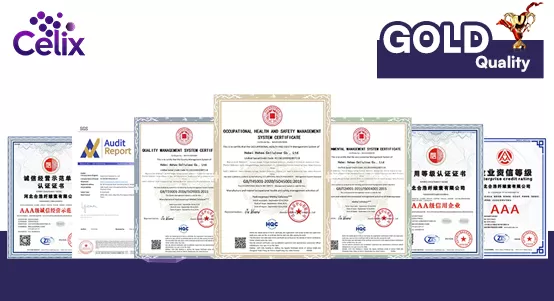
To guarantee consistent, high-quality products, rigorous testing is conducted at every level.
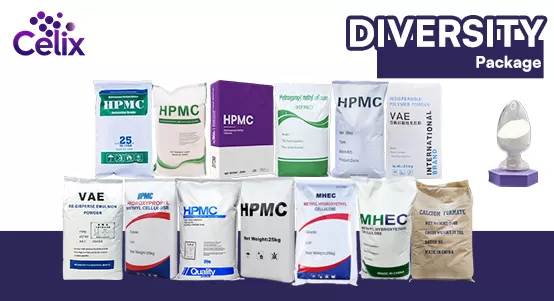
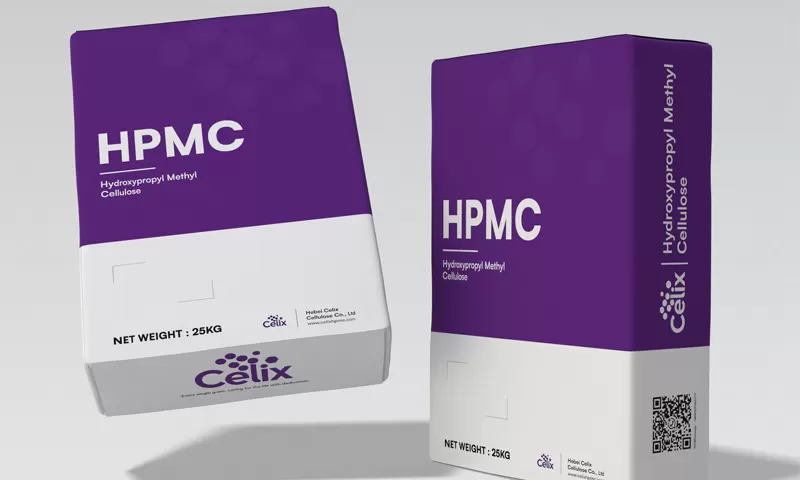
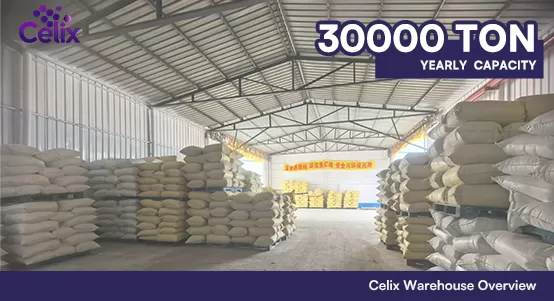
Safe, standardized packaging for extended shelf life and safe transportation.
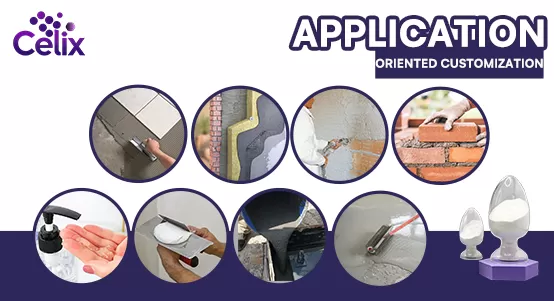
Formulations that are tailored to your particular application requirements.

Provide marketing, training, and technical assistance to regional partners.
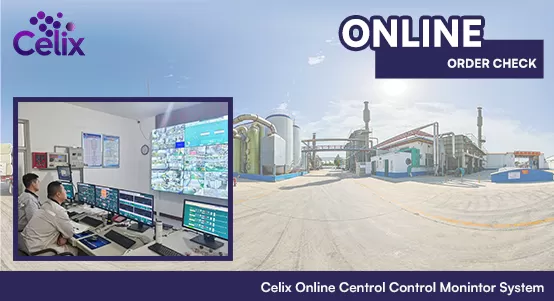
Provides a transparent, real-time digital platform for tracking production, quality, and shipments.
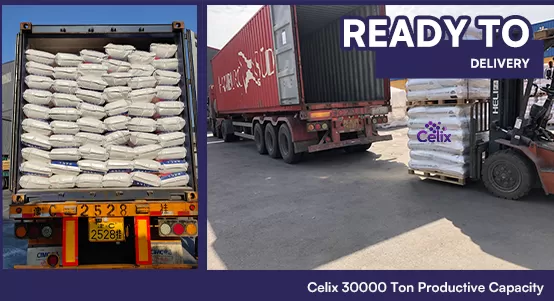
Maintaining inventory and adaptable logistics through digital management allows for quick dispatch to fulfill your pressing project deadlines.
Hydropropyl Methyl Cellulose is a powdered polymer that absorbs water and is hygroscopic. It should be kept dry and cool while being stored and transported in its original packing. The original package must be resealed after opening during manufacture and usage to stop moisture ingress.
Hydroxypropyl Methyl Cellulose (HPMC) acts as a critical multi-functional additive in both cement-based and gypsum-based wall putty (skim coat).
Core Functions: It serves as a high-efficiency water retention agent, thickener, and rheology modifier. By holding water within the thin putty layer (1–2 mm), HPMC ensures complete cement hydration, preventing issues like rapid drying, surface cracking, powdering, and debonding from the substrate.
Putty applied in thin coats is highly vulnerable to moisture loss from atmospheric evaporation and absorption by porous wall substrates.
Complete Hydration: HPMC maintains high water retention (over 98%), keeping moisture available for cement curing over an extended period.
Surface Integrity: This prevents shrinkage micro-cracks and eliminates chalking or surface powdering, providing a solid, dust-free base for final wall painting.
HPMC imparts unique pseudoplasticity (thixotropic behavior) to the wall putty matrix:
Smooth Spreading: Under trowel shear force, the viscosity temporarily lowers, allowing workers to push and spread the putty smoothly over large wall surfaces with minimal hand fatigue.
Anti-Rollback & Non-Sticky Finish: Specially engineered wall putty grade HPMC prevents the wet putty from sticking to the trowel blade or rolling back during second-pass smoothing, maximizing daily application output.
Pinholes and surface craters occur when air is trapped during mixing or when rapid substrate suction draws air through the wet layer.
Optimized Air Entrainment: Low air-entraining HPMC grades minimize internal macro-bubbles within the wet mortar paste.
Uniform Film Structure: This ensures a dense, pinhole-free finish that reduces paint consumption and yields a smooth, high-end wall surface.
Choosing the correct viscosity balances water retention against trowel feel:
Medium-to-High Viscosity (40,000 to 100,000 mPa.s / cPs): The gold standard for wall putty and skim coat. It delivers optimum water retention and thickness without making the mortar overly sticky or heavy on the trowel.
High Viscosity (100,000 to 150,000 mPa.s / cPs): Suitable for exterior wall putty or high-temperature regions requiring extreme moisture preservation.
Standard Interior Wall Putty: Typically 0.2% to 0.4% (2 kg to 4 kg per metric ton of dry powder mix).
Exterior / Water-Resistant Wall Putty: Typically 0.3% to 0.5% (3 kg to 5 kg per metric ton of dry powder mix).
Pro Tip: Overdosing can cause excessive stickiness and slow initial drying, while underdosing risks fast drying and low bonding strength. Lab ladder testing is recommended for local cement and filler grades.
Yes, excellent synergistic compatibility.
With Redispersible Polymer Powder (RDP): HPMC retains hydration water while RDP provides flexible polymer bridging, boosting flexural strength and water resistance.
With Starch Ethers: Blending modified starch ether with HPMC enhances anti-sagging properties while optimizing raw material costs.
With Hydrophobic Agents & Calcium Formate: Works seamlessly in water-repellent exterior wall putties and cold-weather formulations.
Contact Us

Celix Cellulose Co., Ltd, is an integrated chemical cellulose manufacturer with in-house R&D, factories, and global sales sites.
Our products include HPMC, HEC, MHEC, VAE RDP, PCE, PVA, Defoamers, PP fibers, HPS, SHP and Gypsum Retarder.


Celix Cellulose Co., Ltd, is an integrated chemical cellulose manufacturer with in-house R&D, factories, and global sales sites.
Our products include HPMC, HEC, MHEC, VAE RDP, PCE, PVA, Defoamers, PP fibers, HPS, SHP and Gypsum Retarder.
Quick Links
+8618330106777
info@celixcellulose.com