EN
 jp
 ko
 es
 ru
 pt
 th
 ar
 vi
 id
 kk
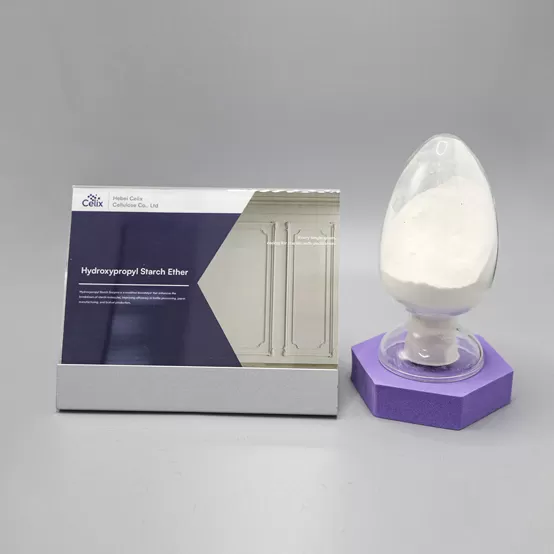
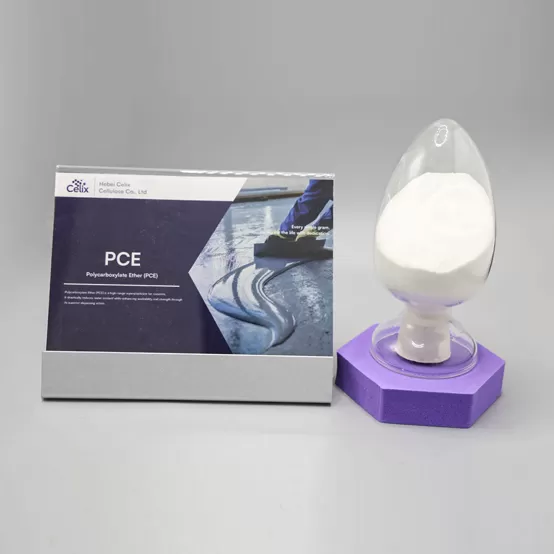
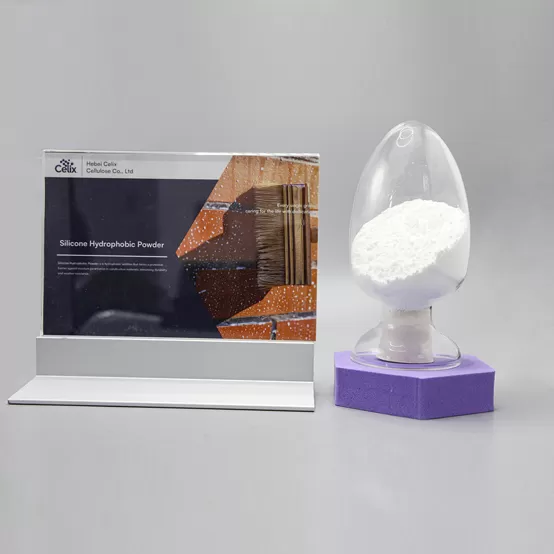
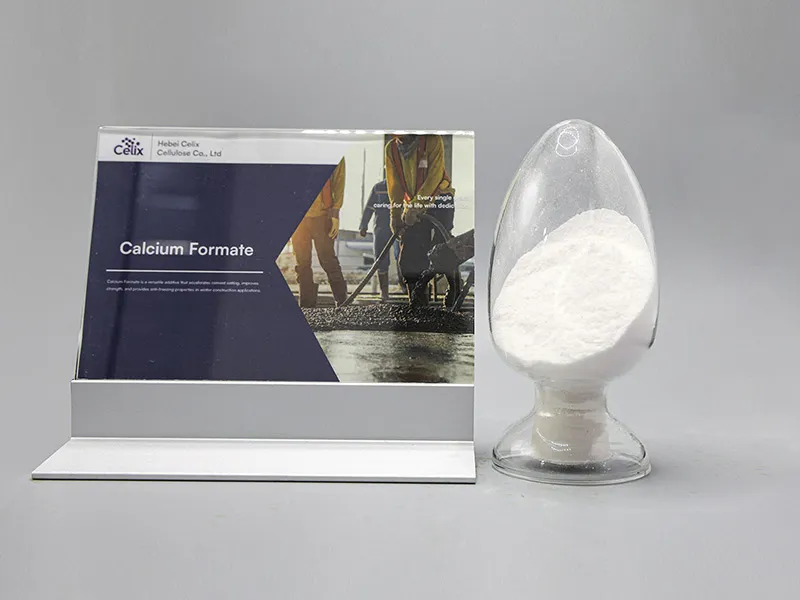
Celix Cellulose Co., Ltd, is an integrated chemical cellulose manufacturer with in-house R&D, factories, and global sales sites.
Our products include HPMC, HEC, MHEC, VAE RDP, PCE, PVA, Defoamers, PP fibers, HPS, SHP and Gypsum Retarder.

Air-Entraining Admixture (AEA) is a specialized concrete additive designed to introduce and stabilize a controlled system of microscopic air bubbles within fresh concrete. These uniformly distributed air voids significantly enhance the durability, workability, and resistance of concrete under harsh environmental conditions.
As a reliable manufacturer and exporter of construction chemicals, Celix provides stable quality products, competitive pricing, and customized solutions to meet diverse global market demands.
Powder air-entraining agent uses: It can be used in cement plastering, gypsum plastering, and putty powder.
Liquid air-entraining agent uses: Concrete.
CAS No.: 36290-04-7
Type: Synthetic Air Entraining Agent
HS Code: 3824409000
Powder Model No.: AEA-P80
Liquid Model No.: AEA-L90


Freeze-Thaw Resistance Improvement
Entrained air bubbles act as pressure relief chambers, preventing internal stress caused by freezing water and significantly improving resistance to freeze-thaw cycles.
Workability Enhancement
Improves the flow and cohesiveness of fresh concrete, making mixing, placing, and finishing easier
Reduction of Bleeding & Segregation
Helps maintain a uniform mix by reducing water separation and aggregate segregation.
Durability Enhancement
Improves resistance to scaling, cracking, and environmental damage, extending the service life of concrete.
Surface Finish Optimization
Produces smoother and more uniform concrete surfaces with fewer defects.
Item | AEA-P80 (Powder) |
Appearance | White or light yellow powder |
Odor | No strange odors |
Active matter | ≥92 |
Unsulfated matter | ≤4.6 |
Sodium sulfate | ≤5.5 |
Free Alkali ( % , as NaOH ) | ≤0.9 |
Color ( 5 % Am.aq ,s01.)Klett | ≤100 |
Item | AEA-L90 (Liquid) |
Appearance | Light Yellow Liquid |
pH Value | 4.5 |
Solid Content | 40% |
Proportion | 1.070(25℃) |
Solubility | Soluble in the water |

Improves pumpability and flow, reduces friction, and minimizes cracking risk caused by temperature and shrinkage.

Enhances durability and freeze-thaw resistance, while maintaining stability in low water-cement ratio systems.

Improves workability and consistency during transportation, while enhancing resistance to segregation and bleeding.

Enhances surface finish and reduces defects, while improving durability and resistance to environmental stress.
An Air-Entraining Admixture (AEA) is a specialized liquid or powder surfactant designed to introduce millions of microscopic, stable, and uniformly spaced air bubbles (typically 10 to 100 microns in diameter) into concrete and mortar mixtures during mixing.
Mechanism: The surfactant molecules lower the surface tension of the mixing water and stabilize tiny air pockets formed during mechanical agitation, keeping them dispersed throughout the cement matrix.
In cold climates, water trapped within concrete pores expands by roughly 9% upon freezing, creating immense internal hydraulic pressure that leads to cracking and spalling.
The "Relief Chamber" Effect: The microscopic air bubbles generated by the AEA act as internal expansion chambers, giving freezing water room to expand without stressing or fracturing the surrounding cement matrix, thereby dramatically enhancing freeze-thaw resistance and deicing salt scaling resistance.
As a general rule in concrete technology:
Strength Rule of Thumb: Every 1% increase in entrained air content typically results in a 3% to 5% reduction in 28-day compressive strength.
Optimization: However, because entrained air acts like tiny ball bearings that improve workability and allow for a lower water-cement ratio (W/C), part of this strength loss is offset. Careful dosage control is essential to strike the right balance between durability and mechanical strength.
Air-entraining agents are widely used in exterior structures exposed to severe weather and freeze-thaw cycles, including:
Infrastructure & Civil Works: Highway pavements, bridge decks, airport runways, and dams.
Ready-Mix & Precast Concrete: Exterior panels, curb blocks, and retaining walls.
Dry-Mix Mortars & Renderings: Masonry mortars, stucco, and plastering mortars where improved plasticity and freeze resistance are required.
For Concrete Mixtures: Typically 0.01% to 0.05% by weight of total cementitious materials (or 20–100 mL per 100 kg of cement, depending on liquid concentration).
Target Air Content: Usually aims for 4% to 8% total air content in fresh concrete, depending on coarse aggregate size and exposure conditions.
Note: Actual air content can be affected by ambient temperature, mixing time, aggregate grading, and fineness of cement. On-site air content testing (ASTM C231 / EN 12350-7) is recommended.
Yes, highly compatible. AEAs are frequently co-dosed with Polycarboxylate Superplasticizers (PCE), water reducers, and retarders.
Compatibility Tip: Do not mix raw AEA liquid directly with high-concentration PCE liquid in the same tank prior to dosing unless formulated for stability. Add them separately into the batching water stream to ensure uniform dispersion.
Temperature: Higher ambient temperatures reduce air entrainment efficiency; slightly higher dosages may be needed in summer.
Fly Ash & Fines: High-carbon fly ash or ultra-fine mineral admixtures tend to adsorb surfactant molecules, requiring an increased AEA dosage.
Mixing Time: Extended mixing or prolonged transit in ready-mix trucks can alter total air volume.
Contact Us

Celix Cellulose Co., Ltd, is an integrated chemical cellulose manufacturer with in-house R&D, factories, and global sales sites.
Our products include HPMC, HEC, MHEC, VAE RDP, PCE, PVA, Defoamers, PP fibers, HPS, SHP and Gypsum Retarder.


Celix Cellulose Co., Ltd, is an integrated chemical cellulose manufacturer with in-house R&D, factories, and global sales sites.
Our products include HPMC, HEC, MHEC, VAE RDP, PCE, PVA, Defoamers, PP fibers, HPS, SHP and Gypsum Retarder.
Quick Links
+8618330106777
info@celixcellulose.com