EN
 jp
 ko
 es
 ru
 pt
 th
 ar
 vi
 id
 kk

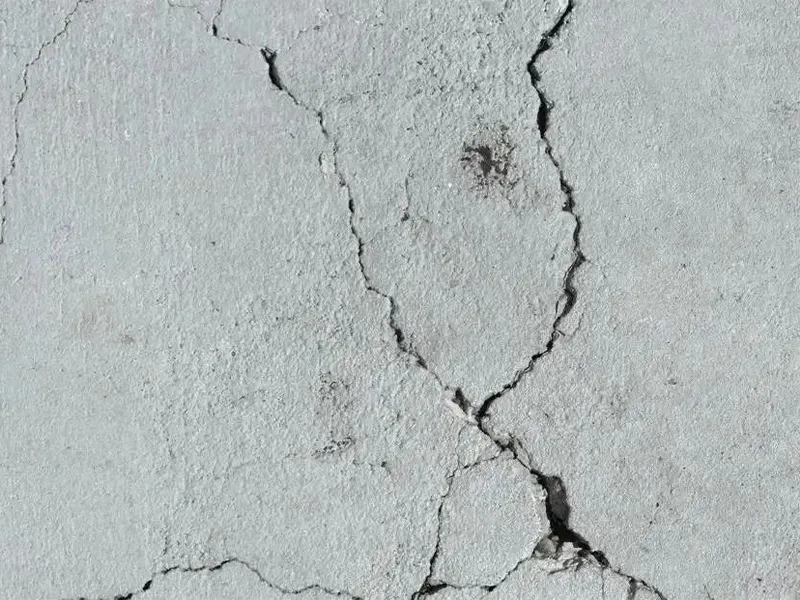
Celix Cellulose Co., Ltd, is an integrated chemical cellulose manufacturer with in-house R&D, factories, and global sales sites.
Our products include HPMC, HEC, MHEC, VAE RDP, PCE, PVA, Defoamers, PP fibers, HPS, SHP and Gypsum Retarder.

The specialized low-viscosity HPMC PM-4H for self-leveling mortar. Prevent bleeding and sedimentation while maintaining excellent flowability. Wholesale factory prices and technical support from Celix. Celix HPMC PM-4H enhances flow, consistency, and surface strength, delivering smooth, level floors with improved durability and application reliability.
Celix Model: PM-4H
CAS No.: 9004-65-3
Type: Chemical Auxiliary Agent
Appearance: White To Off-White Powder Substance
Viscosity Range: 300-20,000m Pa.s (Brookfield, 2% water solution)
HS Code: 39123900
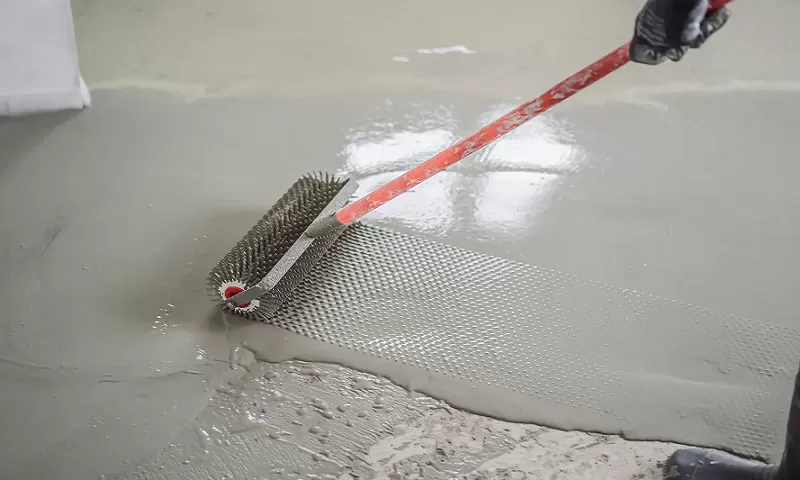
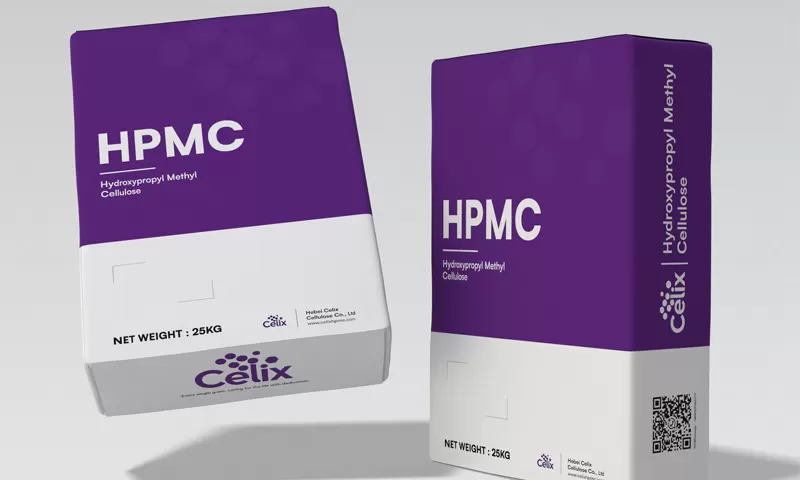
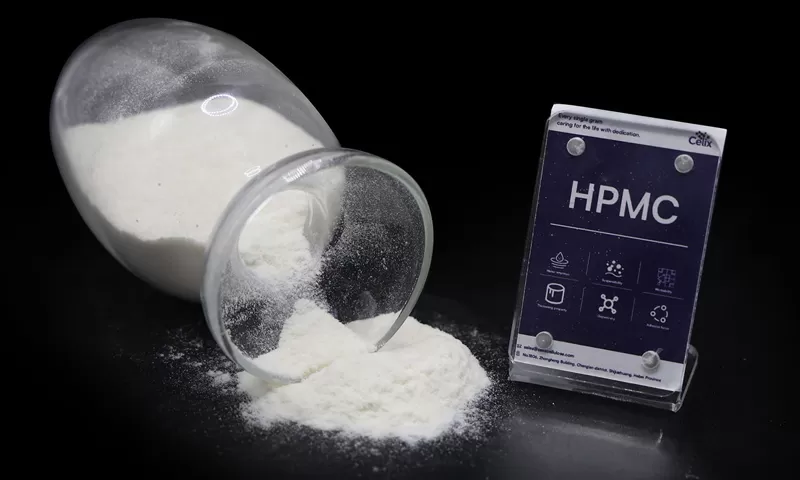
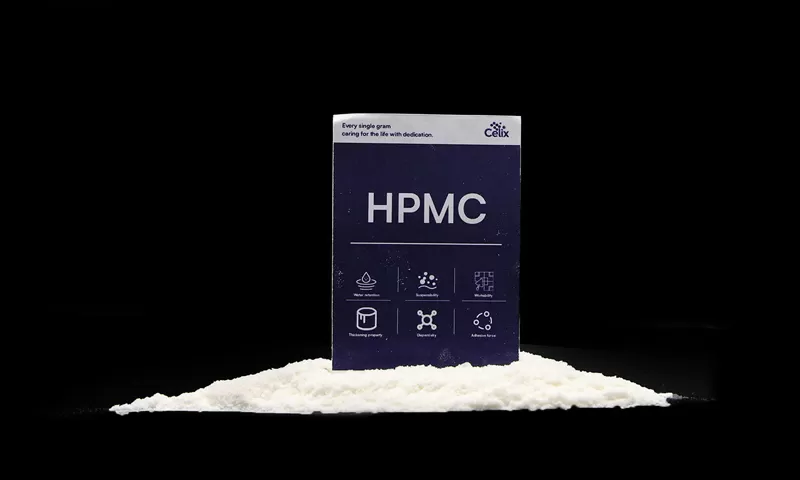
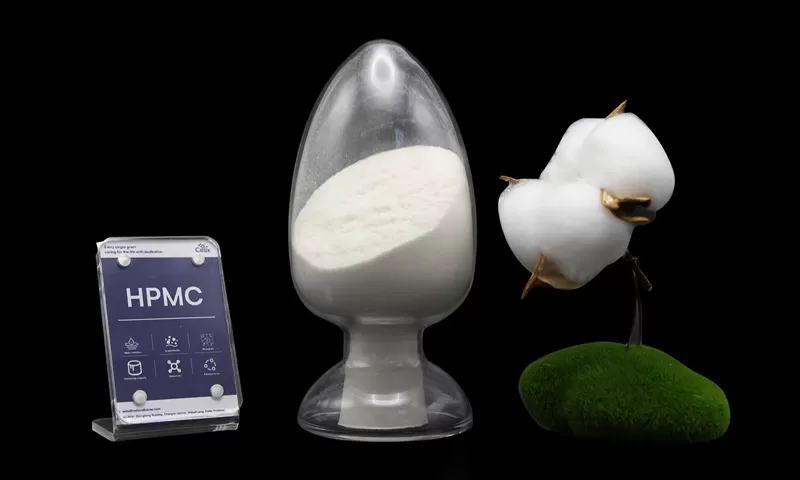
Celix HPMC PM-4H effectively improves the water retention and bonding strength of self-leveling mortar.
Water Retention
CELIX HPMC for self-leveling compounds locks in moisture effectively, preventing premature drying and ensuring uniform cement hydration to avoid surface defects like cracking or dusting.
Open Time
It extends the open time of self-leveling compounds, providing sufficient time for smooth spreading, adjustment, and bubble release before the compound sets.
Suspensibility
CELIX HPMC enhances the suspensibility of self-leveling compounds, keeping aggregates evenly dispersed and preventing sedimentation for a consistent, high-strength matrix.
Fluidity
It balances the fluidity of self-leveling compounds—enabling them to flow freely and self-level into a flat surface while avoiding excessive run-off or uneven thickness.
Our HPMC for Self-Leveling Compounds PM-4H is compatible with both Cement and Gypsum systems. The products utilize advanced, fully automated reactor technology from Germany, ensuring high product purity, cost-effectiveness, and consistent quality. This technological advantage allows us to offer affordable solutions without compromising performance reliability.
Minimal Impact on Flow: Our specialized low-viscosity HPMC (400-600 mPa.s) provides the necessary water retention without sacrificing the mortar's self-leveling properties.
Anti-Bleeding & Anti-Sedimentation: Effectively prevents the heavy aggregates from sinking and the water from rising to the surface, ensuring a uniform, smooth finish from bottom to top.
Bubble Control: Optimized to reduce air entrainment, helping you achieve a crater-free, dense surface that is ready for final floor coverings.
Crack Resistance: By regulating the hydration process, our HPMC reduces plastic shrinkage, significantly lowering the risk of surface cracks and curling.
| Specification | PM-4H |
| Exterior | White or light yellowish white powder |
| Methoxy.% | 19-24 |
| Hydroxypropyl,% | 7.5-12.0 |
| Gel temperature | 60-70 |
| Ash content,% | ≤5 |
| Water content,% | ≤5 |
| pH value | 6-8 |
| Viscosity(2%, 20C, Mpa.s) | 300-20000 |
| Granularity | 98% passed the 80 mesh |
| Density | 370-390 g/L |
| Dosage | 0.3-0.7‰ |
* The recommended dosage of this product is 0.3-0.7‰ of the system, and the dosage needs to be determined by experiment. Contact us for professional Self leveling Formula Guide solutions!
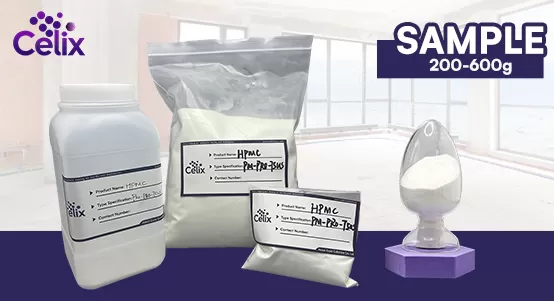
Fast sample delivery to enable you assess the performance of the product before buying.
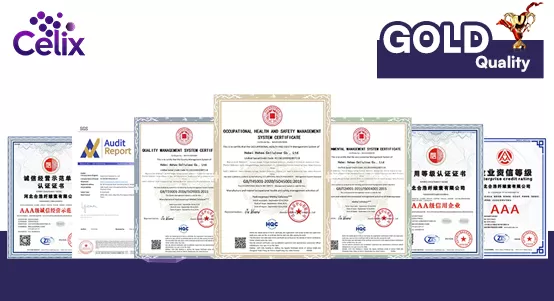
Thorough testing at each level to guarantee reliable, superior products. The Celix Package is a standardized, secure packaging that ensures long shelf life and safe transportation.
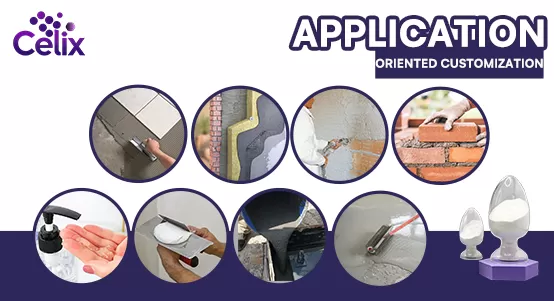
Formulations that are specifically tailored to your application demands.

Assistance with marketing, technical resources, and training for regional partners.
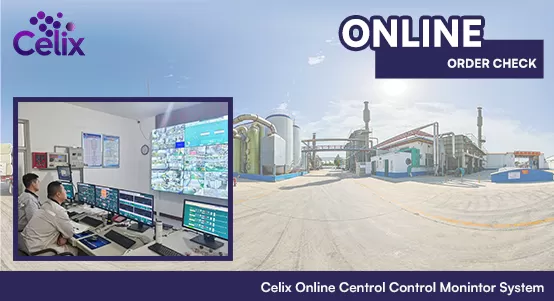
This fully transparent digital gateway allows you to track production, quality, and shipments in real time.
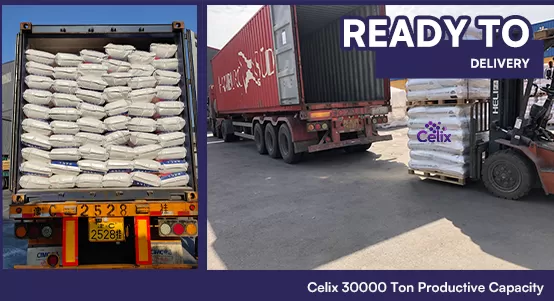
You can fulfill your urgent project deadlines by using digital management to keep inventories under control and logistics flexible.
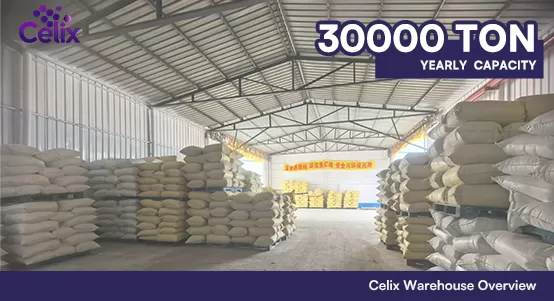
This powdered polymer, hydroxypropyl methyl cellulose, is hygroscopic and water-absorbent. It should be kept dry and cool, and it should be transported and stored in its original packing. To stop moisture penetration during production and usage, the original package needs to be resealed after being opened.
Hydroxypropyl Methyl Cellulose (HPMC) serves as a specialized rheology modifier, stabilizer, and water retention agent in cementitious and gypsum-based self-leveling underlayments (SLU) and toppings.
Core Role: Unlike standard wall mortars that require high thickening, self-leveling compounds require ultra-low viscosity HPMC to retain sufficient mixing water for complete hydration while preventing aggregate sedimentation (segregation) and surface water separation (bleeding)—all without sacrificing high fluidity.
Self-leveling floors rely on high water-to-binder ratios and superplasticizers to flow freely, which creates a high risk of heavy quartz sand sinking to the bottom and water rising to the top:
Suspension & Anti-Segregation: Low-viscosity HPMC forms a delicate, uniform polymer network that keeps fine fillers, cement particles, and sand evenly suspended throughout the slurry.
Anti-Bleeding Control: By binding free water molecules, HPMC eliminates surface bleeding, preventing a weak, dusty top crust (laitance) and ensuring uniform density from top to bottom.
Using standard construction viscosity (like 40,000+ mPa.s) will ruin self-leveling flowability. Self-leveling formulations require ultra-low viscosity grades:
Ultra-Low Viscosity Grades (300 to 1,000 mPa.s / cPs, especially 400 cPs): The industry standard for self-leveling underlayments and screeds. It provides essential water retention and anti-bleeding stability while allowing the mortar to spread effortlessly and achieve mirror-smooth self-healing.
Low Viscosity Grades (1,500 to 5,000 mPa.s / cPs): Used occasionally in thicker industrial floor toppings or sloped underlayments requiring slightly higher body.
Optimal Flow & Self-Healing: Ultra-low viscosity HPMC imparts controlled Newtonian-like flow under gravity, allowing spike-roller marks and trowel lines to vanish immediately (self-healing) within the working window.
Extended Open Time & Wet-Edge Merging: By preventing premature moisture loss into porous concrete subfloors, HPMC keeps the wet edge workable for 20–30 minutes, allowing consecutive pours to blend seamlessly without cold joints or ridge lines.
Self-leveling compounds are highly sensitive to cellulose ether dosage:
Recommended Dosage: Typically 0.03% to 0.10% (0.3 kg to 1.0 kg per metric ton of dry powder mix).
Pro Tip: Overdosing HPMC (even by 0.05%) will drastically reduce initial flow spread, increase viscosity, and trap air bubbles. Always combine ultra-low viscosity HPMC with a high-efficiency powder defoamer and calibrate dosage via laboratory flow-ring tests (EN 12706).
Pinholes and craters occur when air bubbles are trapped in a viscous matrix during mixing and pumping:
Low Air-Entrainment Grades: Specialized self-leveling grade HPMC is engineered with low surface activity to minimize air entrapment.
Fast Bubble Release: Its ultra-low viscosity allows micro-bubbles to rise quickly and burst during spike rolling, yielding a dense, smooth, and pinhole-free subfloor ready for vinyl, epoxy, or hardwood installation.
Yes, essential synergistic compatibility.
With Polycarboxylate Superplasticizer (PCE Powder): PCE provides extreme water reduction and flowability, while ultra-low viscosity HPMC prevents the PCE-dispersed mix from bleeding or segregating.
With Redispersible Polymer Powder (RDP): Enhances flexural strength, impact resistance, and substrate adhesion without shrinkage cracking.
With Powder Defoamers & Calcium Formate: Works seamlessly with defoamers for bubble-free leveling and with early-strength accelerators for fast foot-traffic readiness (2–4 hours).
Contact Us

Celix Cellulose Co., Ltd, is an integrated chemical cellulose manufacturer with in-house R&D, factories, and global sales sites.
Our products include HPMC, HEC, MHEC, VAE RDP, PCE, PVA, Defoamers, PP fibers, HPS, SHP and Gypsum Retarder.


Celix Cellulose Co., Ltd, is an integrated chemical cellulose manufacturer with in-house R&D, factories, and global sales sites.
Our products include HPMC, HEC, MHEC, VAE RDP, PCE, PVA, Defoamers, PP fibers, HPS, SHP and Gypsum Retarder.
Quick Links
+8618330106777
info@celixcellulose.com