EN
 jp
 ko
 es
 ru
 pt
 th
 ar
 vi
 id
 kk
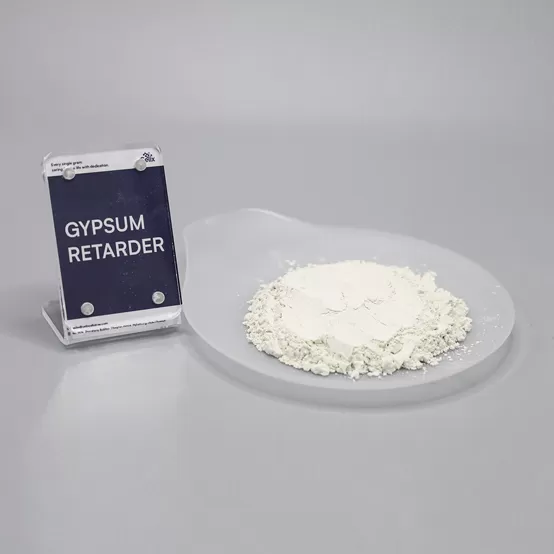
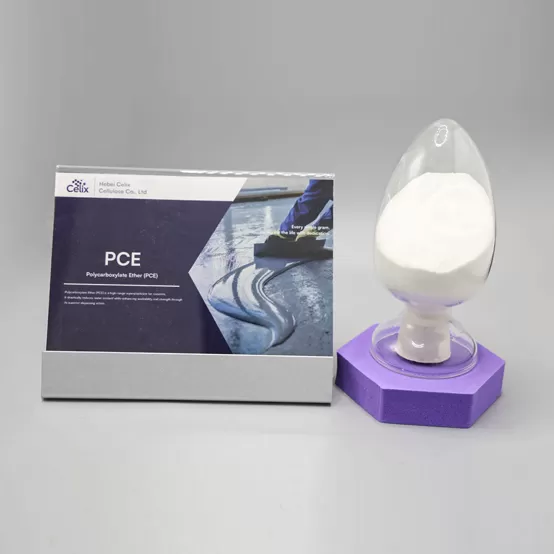
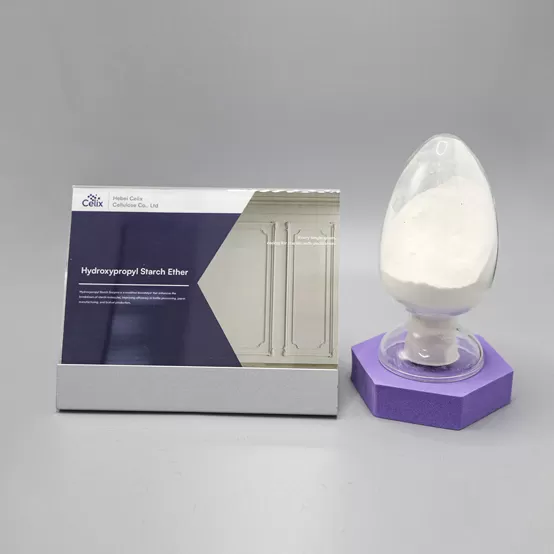
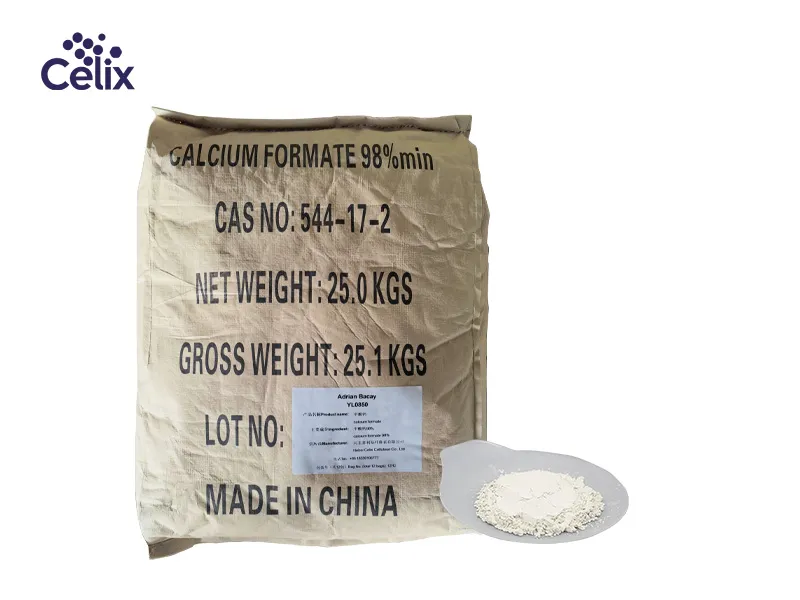
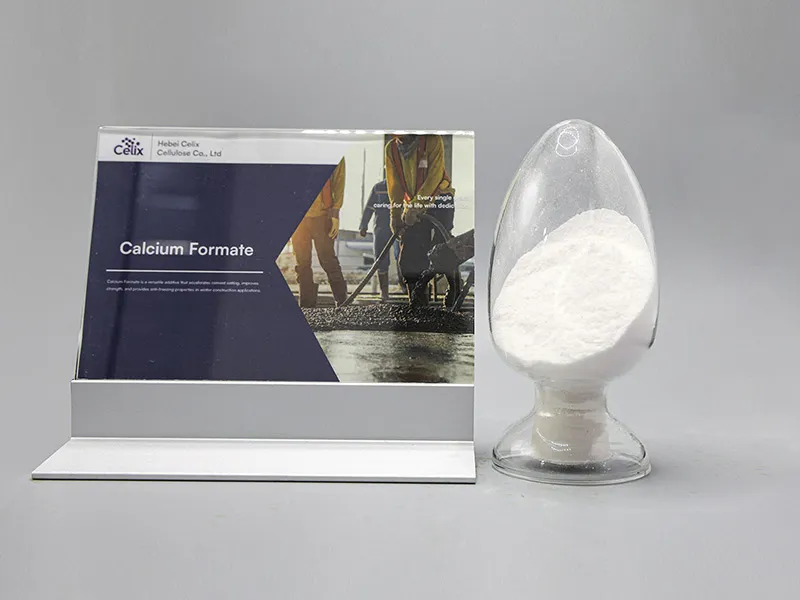

Celix Cellulose Co., Ltd, is an integrated chemical cellulose manufacturer with in-house R&D, factories, and global sales sites.
Our products include HPMC, HEC, MHEC, VAE RDP, PCE, PVA, Defoamers, PP fibers, HPS, SHP and Gypsum Retarder.

Viscosity Modifying Agent M-45 is a kind of polymer that extremely soluble in water , compounded with high-performance water retention ingredients. As a integral finishing aid, it can effectively reduce bleeding and segregation of mortars and aggregates in concrete. Contains no added chlorides or chemicals known to promote corrosion of steel. Excellent compatibility with most other admixtures commonly used in concrete, including air-entraining agents, polycarboxylate superplasticizer and cement retarders.
Type: Viscosity Modifying Agent
HS Code: 3824409000
Model No.: M-45


Improves finishability
Reduces bleeding
Provides thixotropic properties
Reduces segregation during pumping
Excellent compatibility with admixtures
No effect on strength and durability
| Appearance | Yellowish liquid |
| Solid content% | 40 |
| Viscosity (mPa.s, 25°C) | 2200 |
| Bulk density/(g/mL, 25℃) | 1.07 |
| Ph value(1% water dispersion, 25°C) | 6 |
| Dosage In (50% solid content of Concrete admixture) | 0.2-1.0 % |

Stabilizes low water-cement ratio systems, preventing segregation while maintaining high flowability and structural integrity.

Improves cohesion and stability of the mix, preventing segregation caused by uneven particle size distribution.

Enhances tolerance to variations in cement and admixtures, ensuring consistent performance and reducing mix sensitivity.

Stabilizes the concrete during transport, reducing segregation and bleeding while improving continuous pumpability.
Prevents floating or settling of aggregates by increasing viscosity, ensuring uniform distribution throughout the mix.
Provides excellent stability at high flow, preventing segregation and ensuring smooth, self-leveling performance
A Viscosity Modifying Agent (VMA) is a high-performance chemical additive designed to modify the rheological properties and stability of fresh concrete and mortar.
Mechanism: Long-chain polymer molecules in the VMA bind water and form a three-dimensional network structure within the cement paste. This increases the yield stress and plastic viscosity of the mix, keeping aggregates and cement particles homogeneously suspended without reducing fluid flow.
Adding a VMA provides essential physical stability during mixing, pumping, and placing:
Prevents Segregation & Bleeding: Keeps coarse aggregates suspended and prevents water from separating to the top surface.
Enhances Pumping Efficiency: Reduces friction in pipes, prevents blockage in high-rise or long-distance pumping, and lowers pump pressure requirements.
Improves Washout Resistance: Crucial for underwater concrete placement to prevent cement paste from washing away.
Enhances Surface Finish: Eliminates bug-holes, sand streaks, and honeycomb defects on molded surface finishes.
Viscosity Modifying Agents are widely specified across specialized, high-performance concrete and dry-mix applications:
Self-Compacting Concrete (SCC): Maintains high slump flow while preventing aggregate settlement.
Underwater & Anti-Washout Concrete: For bridge piers, harbor foundations, and marine structures.
Pumped & High-Strength Concrete: For skyscrapers and complex structural castings.
Dry-Mix Mortars & Self-Leveling Compounds: Stabilizes self-leveling underlayments and prevents bleeding in flowable grouts.
VMA and PCE work in perfect synergy.
PCE provides high fluidity and water reduction by dispersing cement particles.
VMA controls the internal stability, preventing the segregation that often occurs when concrete is made extremely fluid by PCE.
Result: Combining PCE and VMA creates a highly flowable yet robust concrete mixture with exceptional stability and placeability.
For Concrete Formulations: Typically 0.02% to 0.2% by weight of total cementitious materials (depending on whether it is liquid or powder VMA, and the degree of fluidity required).
For Dry-Mix Mortars & Grouts: Typically 0.05% to 0.3% of the total dry formulation.
Note: VMA is highly sensitive. Optimal dosage depends on water-cement ratio, aggregate grading, and target flowability. We recommend running laboratory trial mixes to establish precise dosage.
Powder VMA: Ideal for dry-mix mortar plants (e.g., self-leveling compounds, non-shrink grouts) where direct dry-blending is required.
Liquid VMA: Ideal for ready-mix concrete batching plants and precast facilities using automated liquid dosing equipment.
No, not when used at recommended dosages. High-quality VMAs are engineered to alter only the physical matrix viscosity of unhardened concrete. They do not retard cement hydration or reduce ultimate 28-day compressive strength. In fact, by eliminating internal micro-bleeding and honeycomb voids, VMAs often improve finished compressive strength and durability.
Contact Us

Celix Cellulose Co., Ltd, is an integrated chemical cellulose manufacturer with in-house R&D, factories, and global sales sites.
Our products include HPMC, HEC, MHEC, VAE RDP, PCE, PVA, Defoamers, PP fibers, HPS, SHP and Gypsum Retarder.


Celix Cellulose Co., Ltd, is an integrated chemical cellulose manufacturer with in-house R&D, factories, and global sales sites.
Our products include HPMC, HEC, MHEC, VAE RDP, PCE, PVA, Defoamers, PP fibers, HPS, SHP and Gypsum Retarder.
Quick Links
+8618330106777
info@celixcellulose.com