EN
EN
 jp
jp  ko
ko  es
es  ru
ru  pt
pt  th
th  ar
ar  vi
vi  id
id  kk
kk 

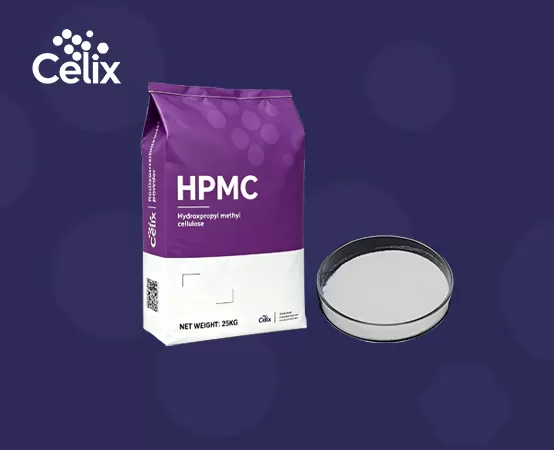
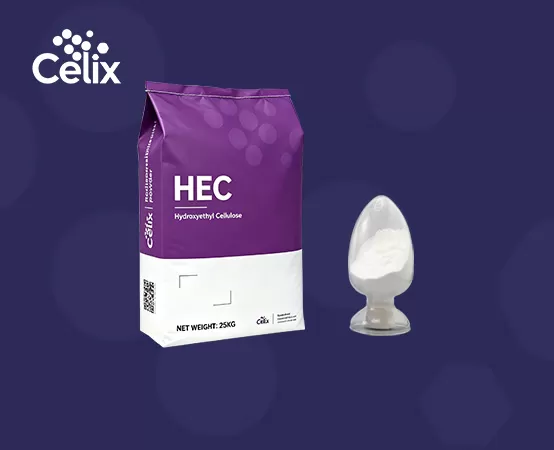
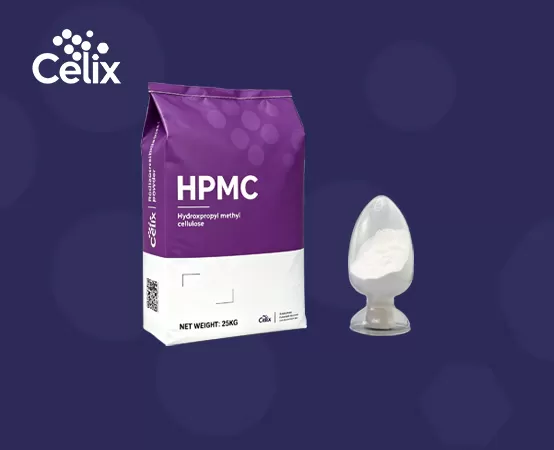
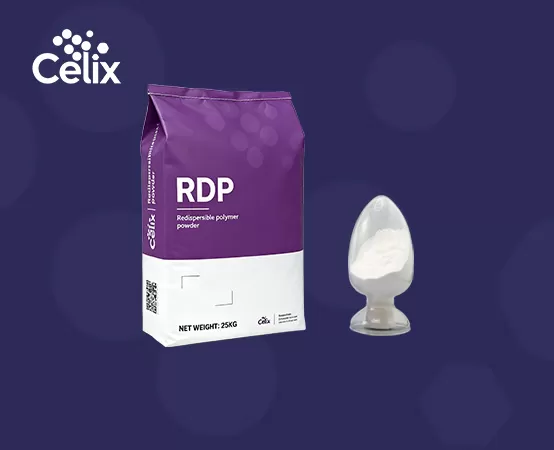
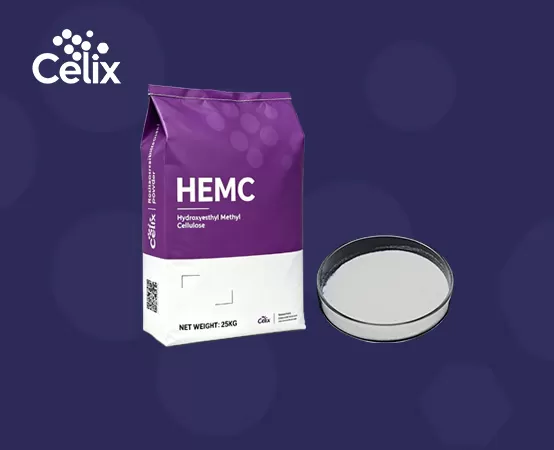
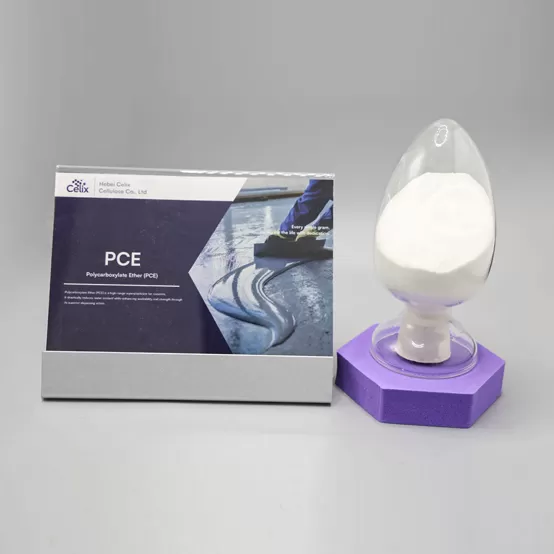
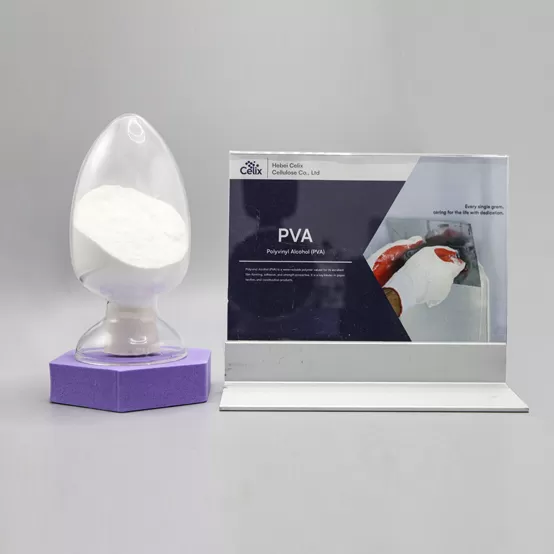
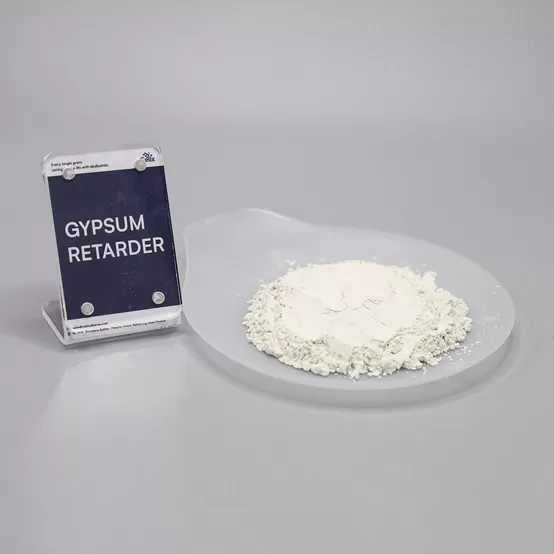
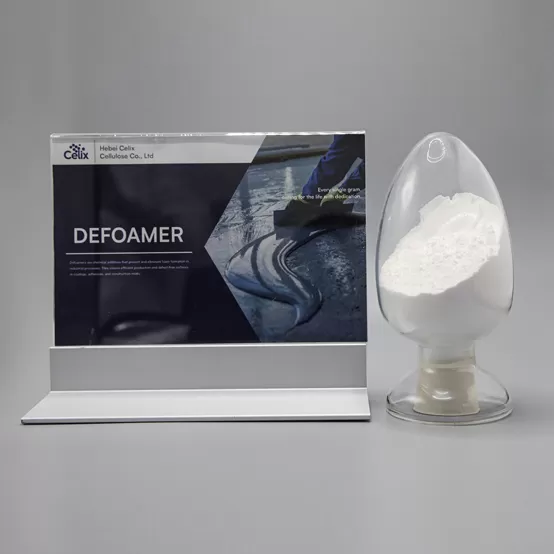
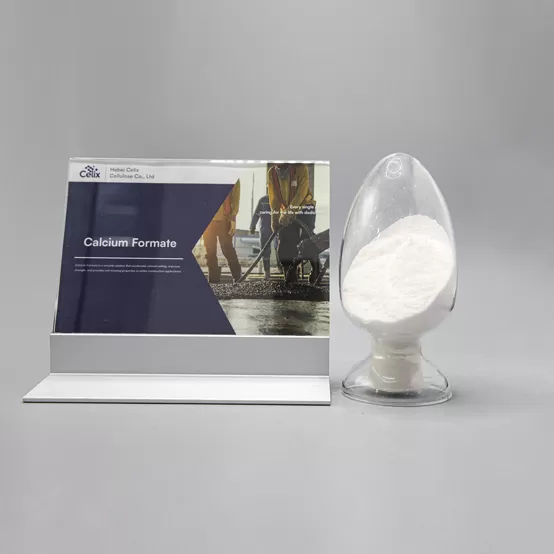
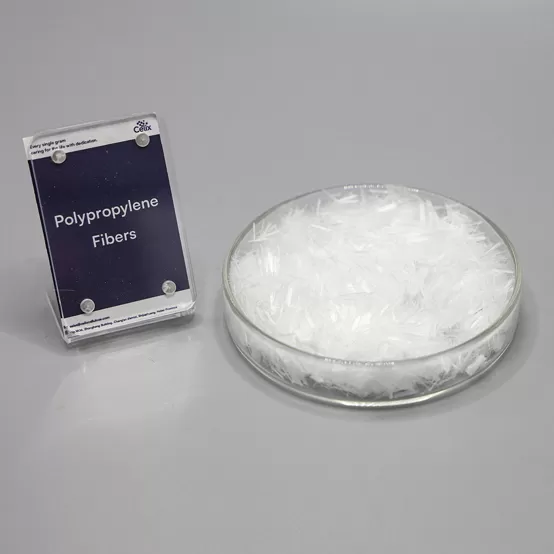
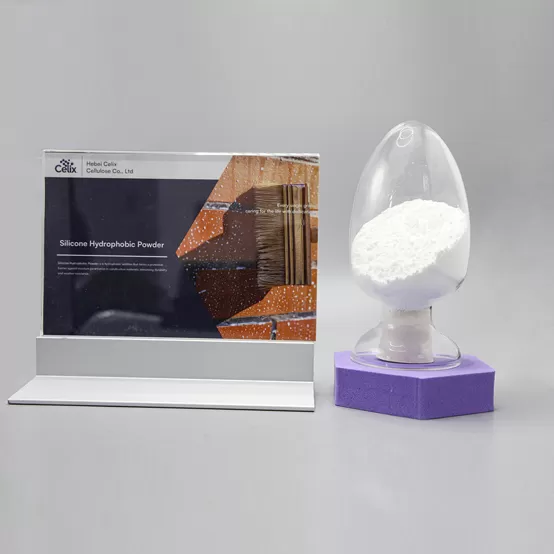
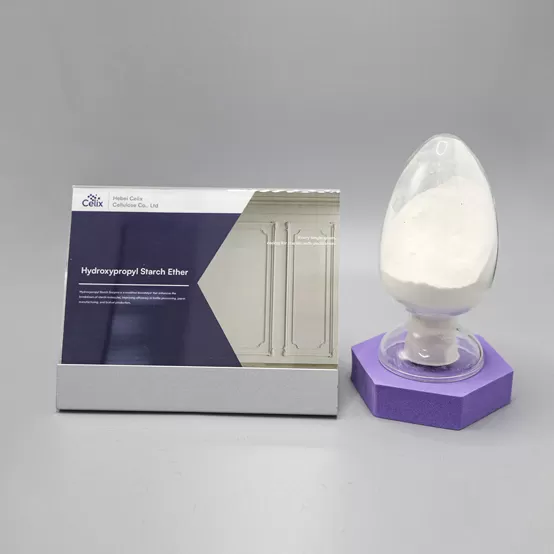

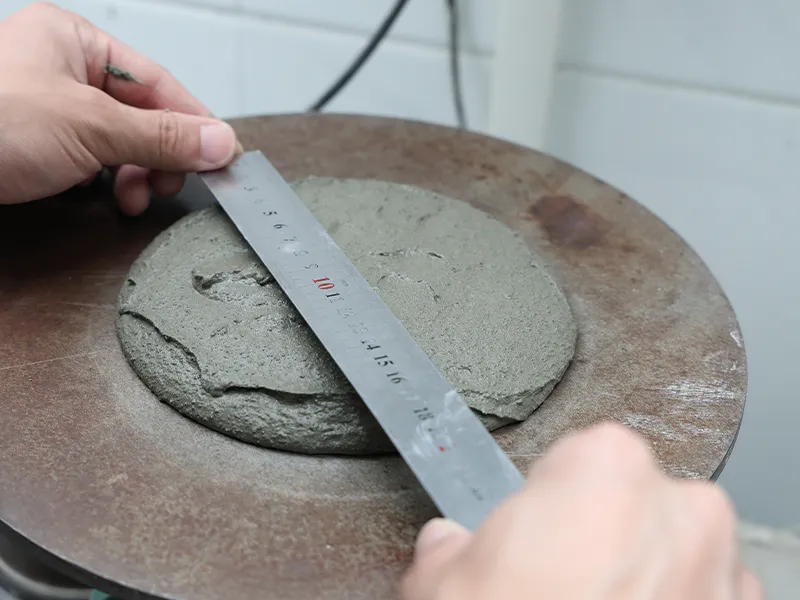
Celix Cellulose Co., Ltd, is an integrated chemical cellulose manufacturer with in-house R&D, factories, and global sales sites.
Our products include HPMC, HEC, MHEC, VAE RDP, PCE, PVA, Defoamers, PP fibers, HPS, SHP and Gypsum Retarder.

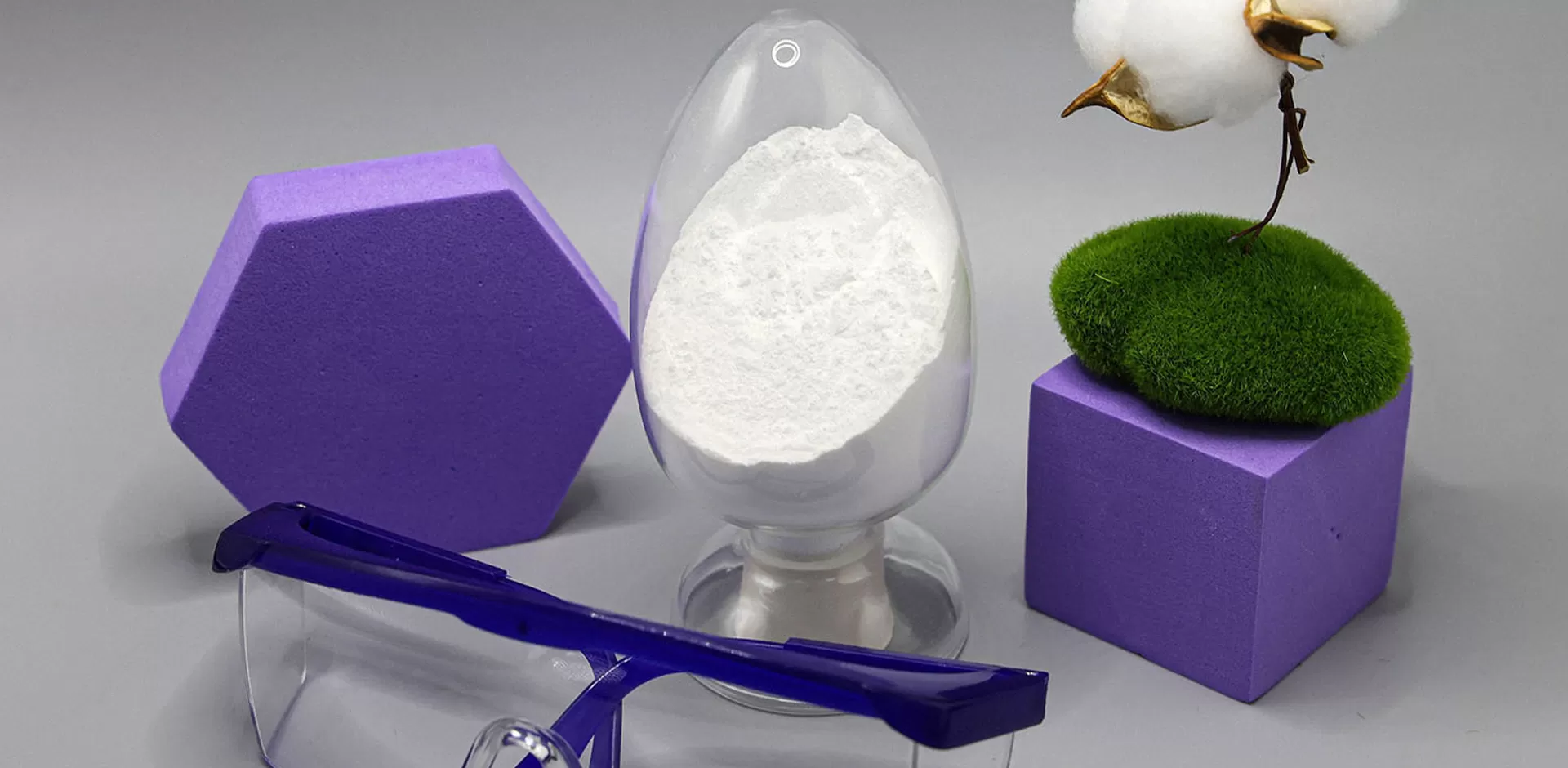
Celix Pro Model: EM-30U, EM-55U, EM-65U, EM-75U
CAS No.: 9032-42-2
Type: Chemical Auxiliary Agent
Appearance: White To Off-White Powder Substance
Viscosity Range: 20,000-75,000 mPa.s (Brookfield,2% water solution)
HS Code: 39123900
Usage: Tile Adhesive, Wall Putty, Painting, Dry Mix Mortar, ETICS/EIFS, Detergent, Liquid Soap
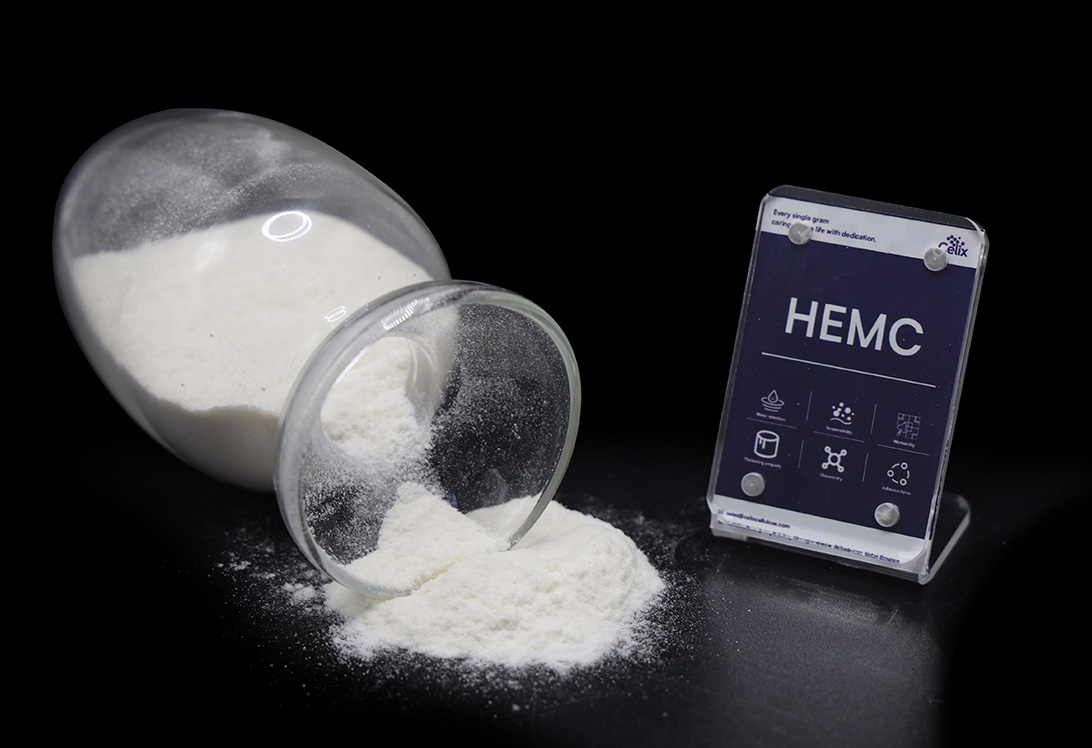
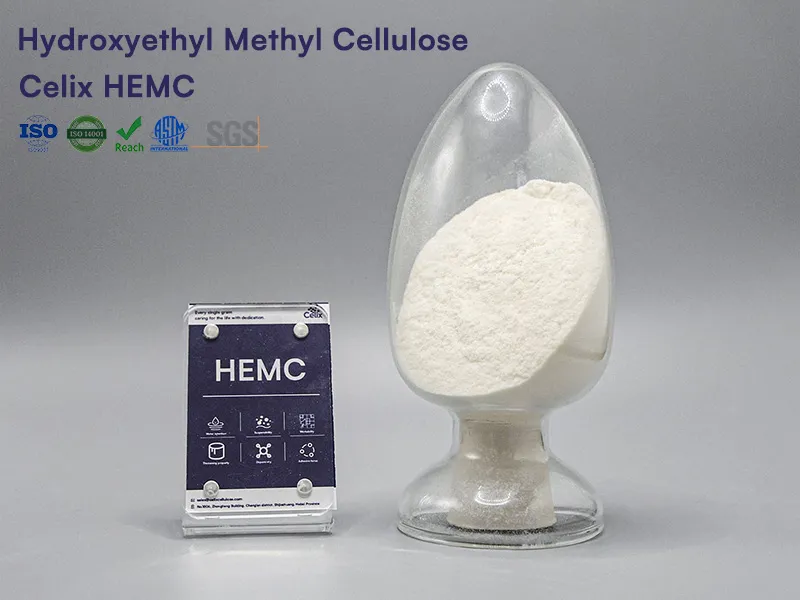
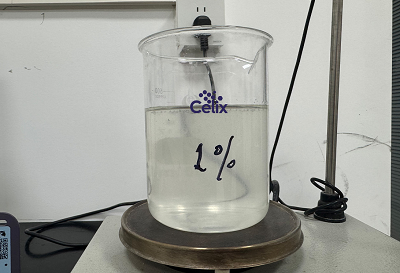
Hydroxyethyl Methyl Cellulose (HEMC/MHEC) is a nonionic natural polymer derived from the refine cotton linter. Like other methyl cellulose derivatives, methyl hydroxyethyl cellulose has many of the same advantages, including effective thickening and water retention. It is widely used in the C1TE,C2TE tile adhesive, wall putty, latex painting, detergent and liquid soap.

Higher Gel Temperature
It maintains excellent water-retention capabilities even in high-temperature summer conditions (e.g., above 35°C) and does not easily lose its effectiveness.

Water Retention & Thickening
Ensure adequate hydration of the cement or gypsum matrix to prevent the mortar from drying out too rapidly or becoming powdery.
Sag Resistance
Provides excellent slip resistance during vertical surface applications (such as installing large-format wall tiles or plastering).
| Specification | EM-30U | EM-55U | EM-65U | EM-75U |
| Exterior | White or light yellow powder | |||
| Methoxyl, % | 18.0 - 24.0 | |||
| Hydroxyethyl, % | 8.0 - 16.0 | |||
| pH value | 5.0 - 8.5 | |||
| Moisture, % | ≤6 | |||
| Ash, % | ≤3 | |||
| Graininess | 100 mesh 98.5% pass, 80 mesh 100% pass | |||
| Viscosity(2%, 20℃, Mpa.s) | 24,000-45,000 | 45,000-60,000 | 55,000-65,000 | 65,000-75,000 |
| Gel temperature,℃ | 70-90 | |||

Adhesion Enhancement
Weather Resistance

Sustainability

Water Retention
Compatibility & Synergy
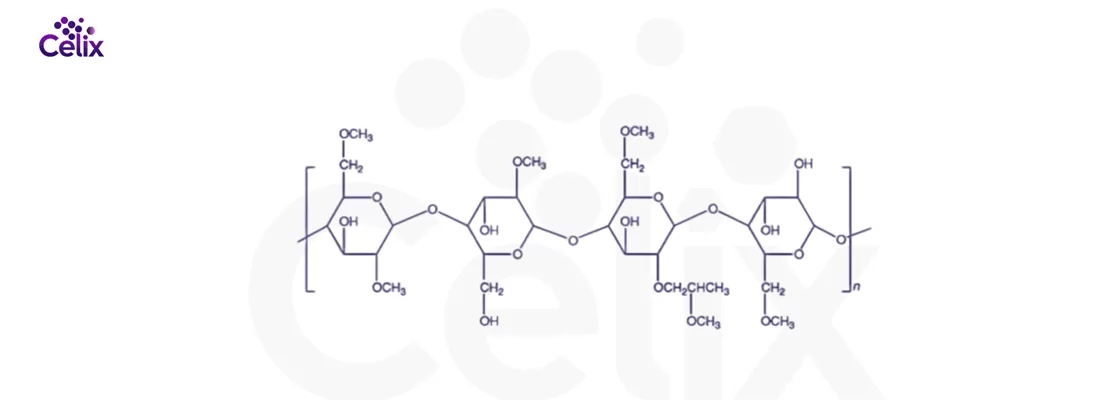
The production of hydroxyethyl methyl cellulose (HEMC) follows a similar process to HPMC, beginning with the alkali treatment of refined cotton. Ethylene oxide and chloromethane act as etherifying agents, introducing hydroxyethyl and methyl groups into the cellulose backbone under controlled temperature and pressure. After etherification, the product undergoes neutralization, washing, drying, and milling to yield the finished HEMC with the desired substitution degree.
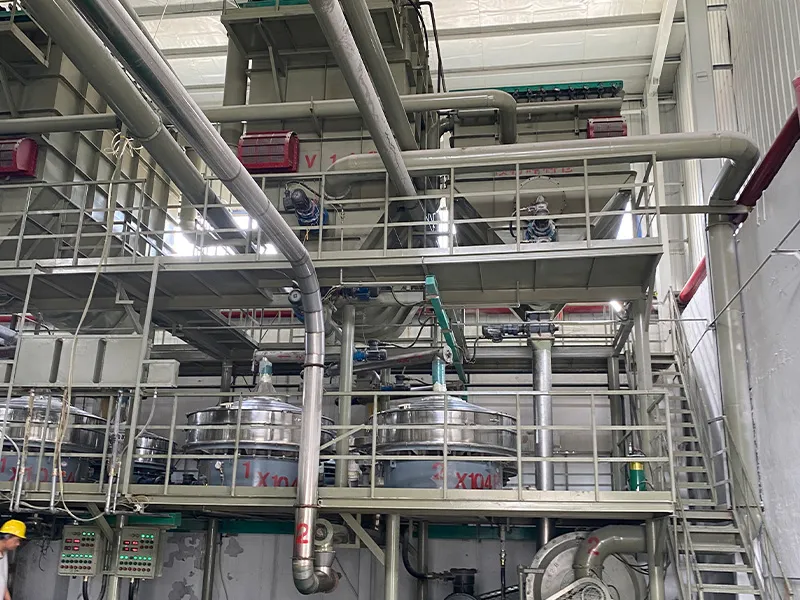
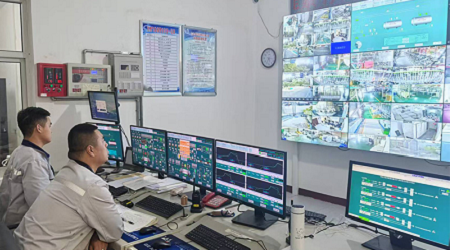
At Celix, HEMC quality begins with carefully selected raw materials and continues through every step of production. Automated DCS systems ensure stable reaction conditions, while real-time monitoring safeguards viscosity, substitution, and consistency. Advanced testing methods like IR and GPC guarantee reliable performance and product uniformity, delivering confidence in every batch.
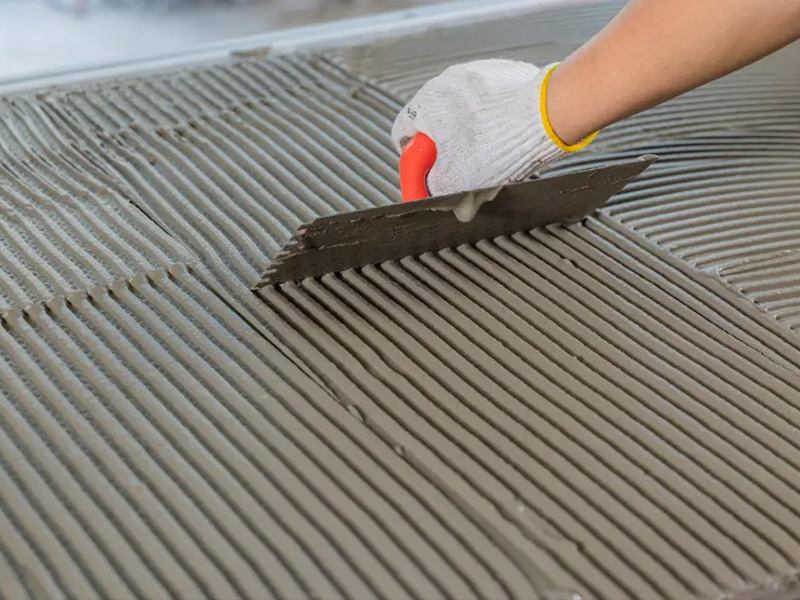
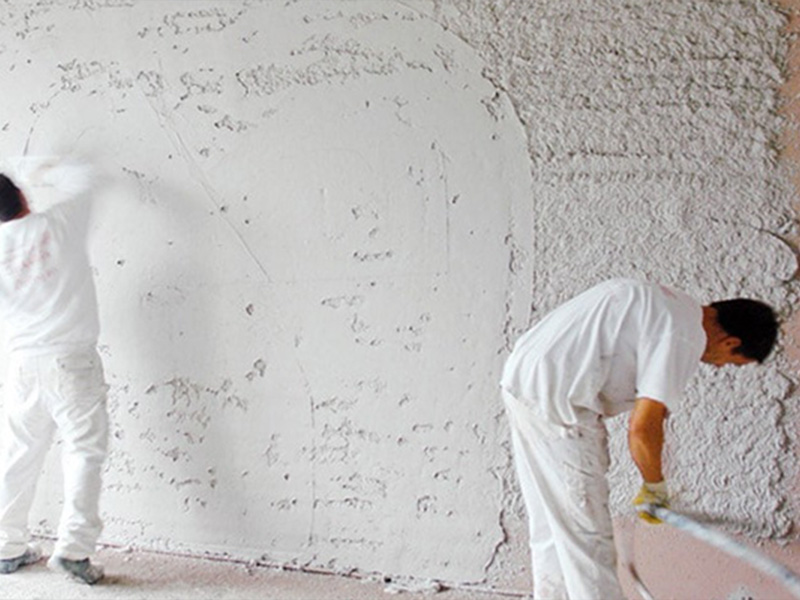
Tile Adhesives:Extend open time and enhance slip resistance. Gypsum-based Plaster:Improves the fluidity of the gypsum and provides a smooth application feel.
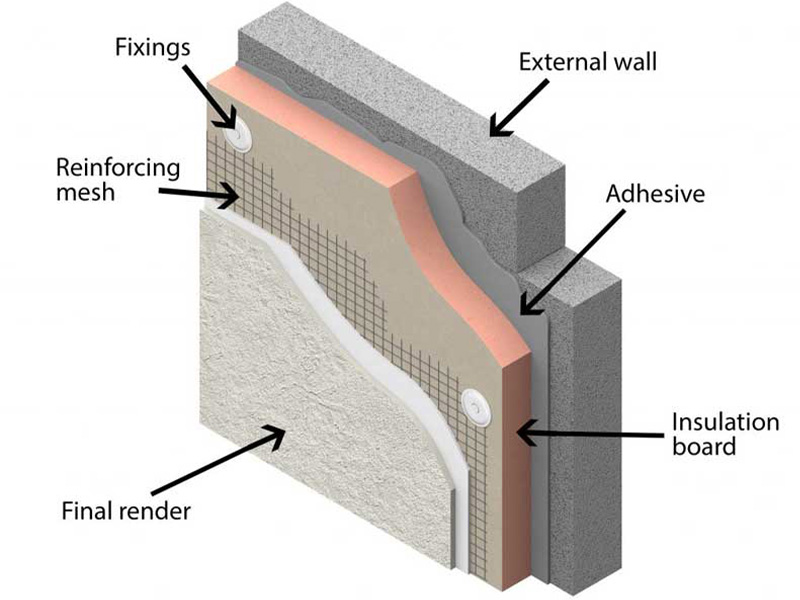
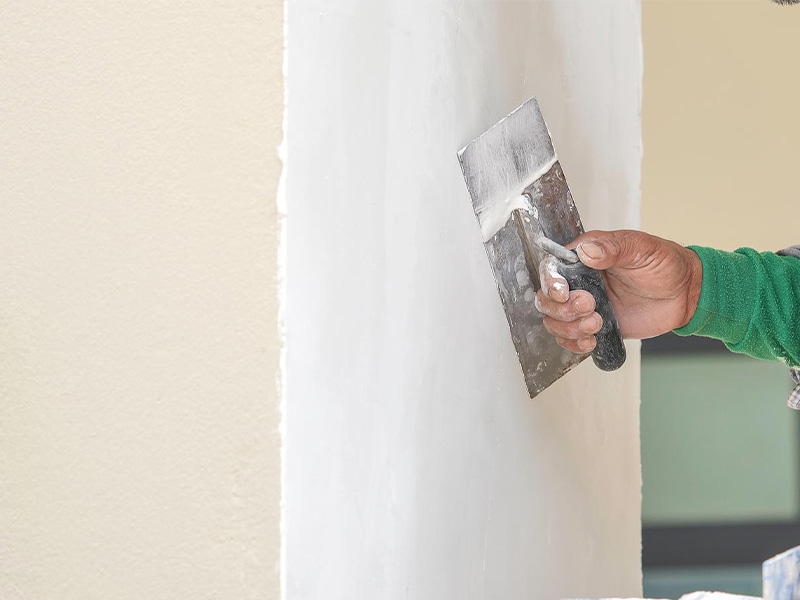
EIFS/ETICS:Enhance the bond strength between the base coat mortar and the insulation board (EPS/XPS).Wall Putty / Skim Coat:Improve scraping efficiency and surface smoothness.
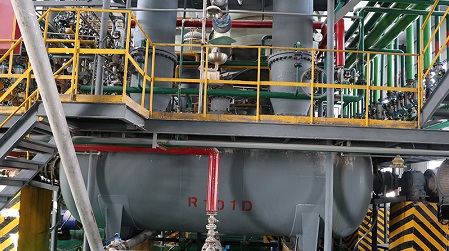
DCS Automated Consistency: Our manufacturing facility utilizes a fully automated German-engineered DCS (Distributed Control System). By stabilizing the etherification temperature and substitution ratios (-OCH₃ and -OCH₂CH₂OH), we eliminate human error to guarantee strict batch-to-batch viscosity tolerances.
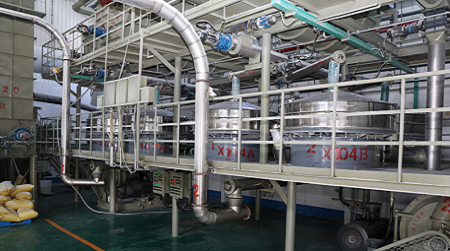
30,000-Ton Annual Capacity: Large-scale, continuous factory production shields your business from sudden market shortages, ensuring competitive factory-direct wholesale pricing and stable, long-term contract fulfillment.
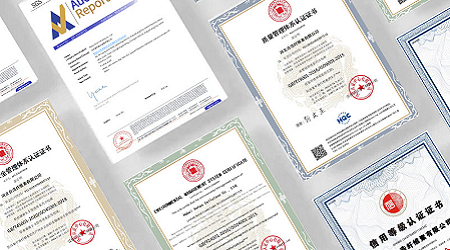
International Quality Standards: Operating under stringent ISO9001 and ISO14001 management, every batch undergoes strict QC laboratory testing for ash content (≤5%), moisture (≤5%), and thermal gel point before leaving our facility.
Customized Modification & Viscosity: Whether your formulation requires an ultra-high viscosity for thick-layer gypsum plaster or modified slip resistance for C2-grade tile adhesives, our in-house R&D lab adjusts substitution levels to fit your local aggregates and climate.
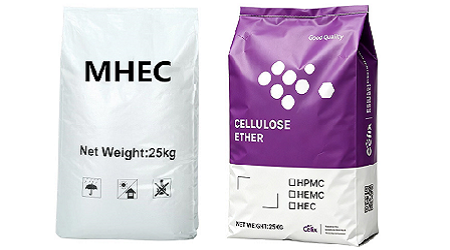
Seaworthy & OEM Packaging: We offer standard 25kg multi-layer moisture-proof paper-plastic bags with PE liners, jumbo bags, or customized private-label OEM branding tailored to your local market distribution network.
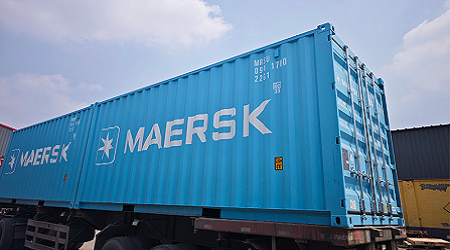
Streamlined Global Logistics: With 20 years of cross-border experience exporting to over 150 countries, our logistics team optimizes container volume (including mixed-container loading of MHEC, HPMC, and VAE RDP) to drastically reduce your ocean freight per ton.
Hydroxyethyl methyl cellulose (HEMC) is widely used in construction materials like tile adhesives, wall putty, gypsum, and coatings to improve workability and water retention. It is also applied in personal care and detergent formulations as a thickener, stabilizer, and film-forming agent for consistent product performance.
Both HPMC and HEMC are cellulose ethers used for thickening, water retention, and stability. The key difference lies in substitution: HEMC introduces hydroxyethyl groups, enhancing salt and temperature resistance, while HPMC introduces hydroxypropyl groups, offering broader solubility. Choice depends on application demands in construction, detergents, or pharmaceuticals.
Celix guarantees HEMC quality through strict raw material selection, advanced DCS-controlled manufacturing, and real-time monitoring of viscosity and substitution. Every batch undergoes testing with infrared spectroscopy (IR) and gel permeation chromatography (GPC). These controls ensure consistent performance, reliability, and compliance with international standards for construction and industrial applications.
RECOMMENDED PRODUCTS
Contact Us

Celix Cellulose Co., Ltd, is an integrated chemical cellulose manufacturer with in-house R&D, factories, and global sales sites.
Our products include HPMC, HEC, MHEC, VAE RDP, PCE, PVA, Defoamers, PP fibers, HPS, SHP and Gypsum Retarder.


Celix Cellulose Co., Ltd, is an integrated chemical cellulose manufacturer with in-house R&D, factories, and global sales sites.
Our products include HPMC, HEC, MHEC, VAE RDP, PCE, PVA, Defoamers, PP fibers, HPS, SHP and Gypsum Retarder.
Quick Links
+8618330106777
info@celixcellulose.com