EN
 jp
 ko
 es
 ru
 pt
 th
 ar
 vi
 id
 kk

Celix Cellulose Co., Ltd, is an integrated chemical cellulose manufacturer with in-house R&D, factories, and global sales sites.
Our products include HPMC, HEC, MHEC, VAE RDP, PCE, PVA, Defoamers, PP fibers, HPS, SHP and Gypsum Retarder.

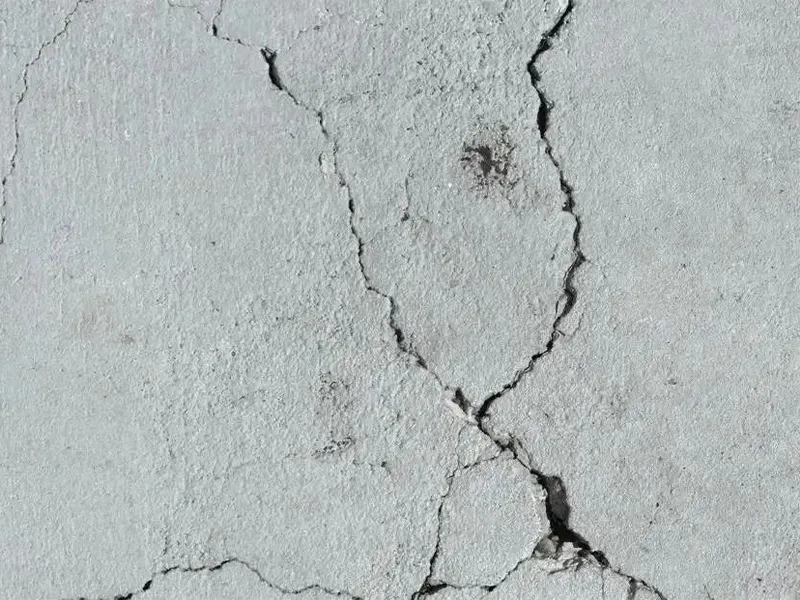
Celix HPMC provides water retention, workability, and adhesion, ensuring compact, durable tile joints with reduced shrinkage and cracking.
Celix Model: PM-55U, PM-65U, PM-75U
CAS No.: 9004-65-3
Type: Chemical Auxiliary Agent
Appearance: White To Off-White Powder Substance
Viscosity Range: 45,000-75,000m Pa.s (Brookfield, 2% water solution)
HS Code: 39123900
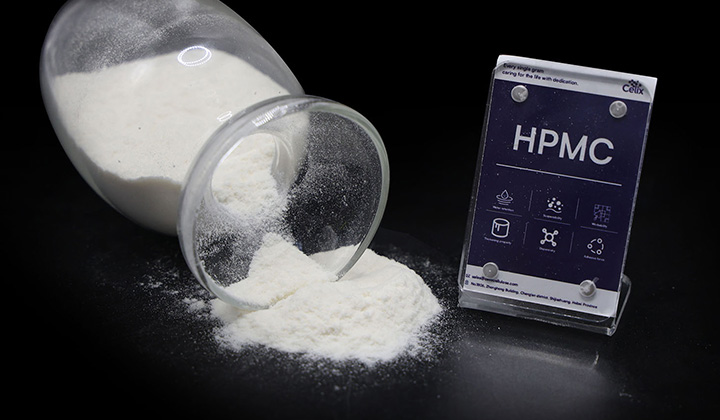
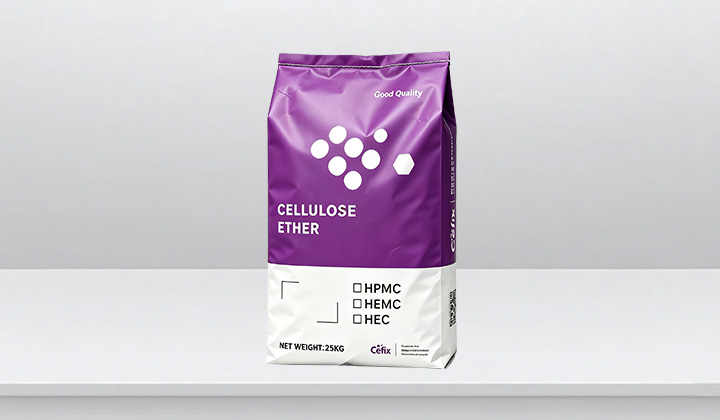
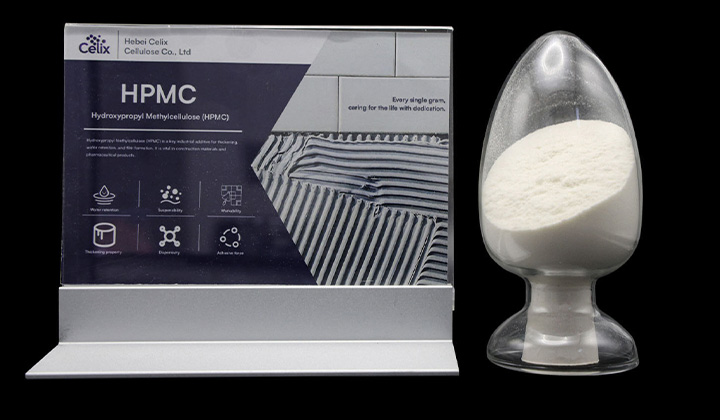
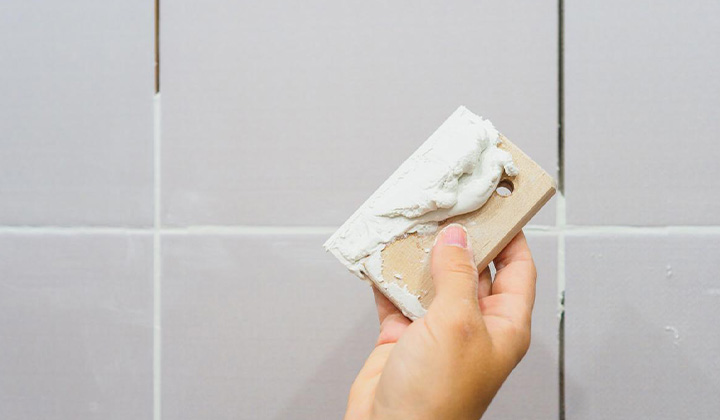
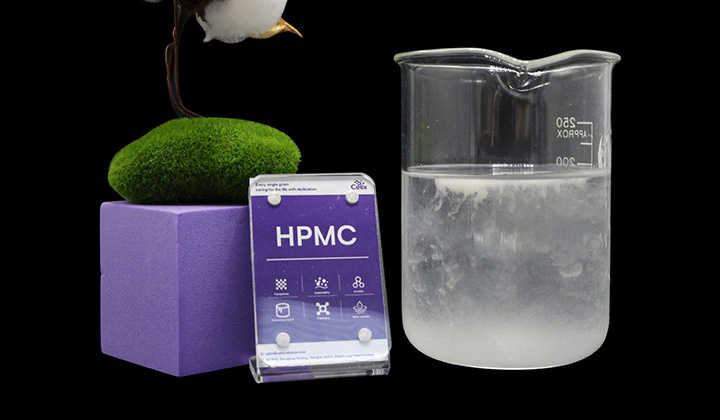
With the process of manufacturing, Celix HPMC for Tile Grouts will present those features
Water Retaining
Celix HPMC for tile grouts effectively locks in moisture, preventing premature drying that causes cracking and ensuring full hydration for stable grout structure.
Thickening
It enhances tile grout viscosity, maintaining a uniform, non-runny consistency to avoid sagging in gaps and ensure precise filling.
Workability
Celix HPMC makes tile grouts smoother and easier to mix, spread, and tool, reducing labor effort during gap filling.
Open Time
It extends tile grouts’ open time, giving more flexibility for adjustments and ensuring complete, even gap coverage before setting.
Adhesive Force
Boosts tile grouts’ bonding to tile edges and substrates, minimizing shrinkage and preventing gap separation for long-lasting results.
| Specification | Index |
| Exterior | White or light yellowish white powder |
| Methoxy.% | 19-24 |
| Hydroxypropyl,% | 7.5-12.0 |
| Gel temperature | 60-70 |
| Ash content,% | ≤5 |
| Water content,% | ≤5 |
| pH value | 6-8 |
| Viscosity(2%, 20C, Mpa.s) | 55000-75000 |
| Granularity | 98% passed the 80 mesh |
| Density | 370-390 g/L |
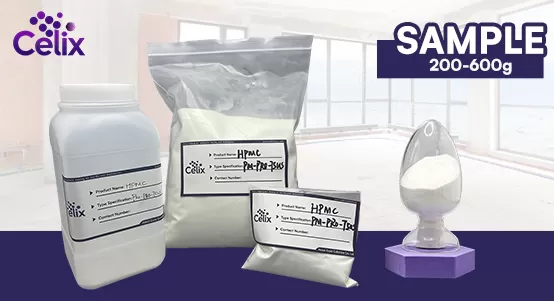
Fast sample delivery to enable you assess the performance of the product before buying.
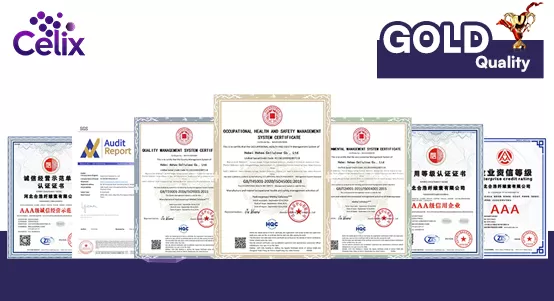
Thorough testing at each level to guarantee reliable, superior products. The Celix Package is a standardized, secure packaging that ensures long shelf life and safe transportation.
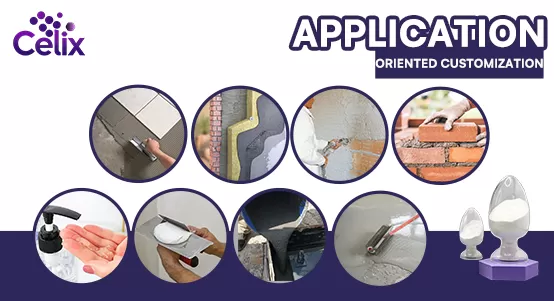
Formulations that are specifically tailored to your application demands.

Assistance with marketing, technical resources, and training for regional partners.
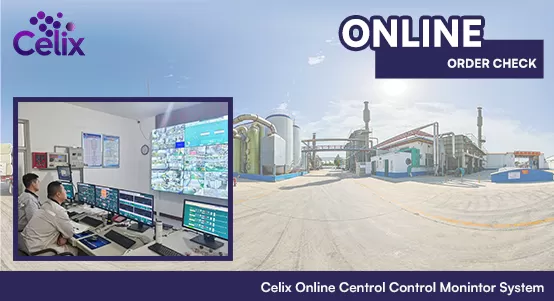
Provides a transparent, real-time digital platform for tracking production, quality, and shipments.

Maintaining inventory and adaptable logistics through digital management allows for quick dispatch to fulfill your pressing project deadlines.
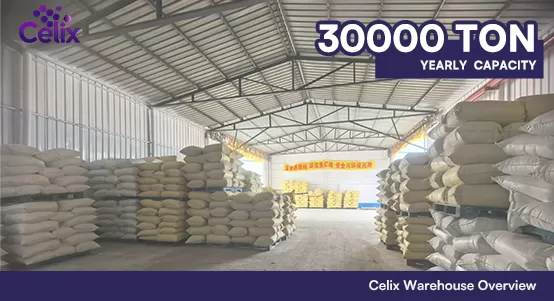
This powdered polymer, hydroxypropyl methyl cellulose, is hygroscopic and water-absorbent. It should be kept dry and cool, and it should be transported and stored in its original packing. To stop moisture penetration during production and usage, the original package needs to be resealed after being opened.
Hydroxypropyl Methyl Cellulose (HPMC) serves as an essential water retention agent, thickener, and rheology modifier in cement-based tile grouts and joint fillers.
Core Role: Because grout joints are narrow and surrounded by porous tile edges and substrates, mixing water can be absorbed too rapidly. HPMC locks moisture inside the grout paste, ensuring complete cement hydration. This prevents premature drying, shrinkage cracking, surface powdering, and loss of abrasion resistance.
Shrinkage cracks and crumbling occur when water evaporates or wicks away before the cement cures properly:
Superior Water Retention (>98%): HPMC forms a hydrophilic network that retains mixing water uniformly throughout the joint depth.
Dense, Crack-Free Curing: By controlling moisture release, HPMC eliminates plastic shrinkage micro-cracks (even in wider joints up to 10–15 mm) and ensures a dense, hard, and wear-resistant cured finish.
In pigmented tile grouts, uneven water migration carries soluble calcium hydroxide salts to the surface, causing white powdery stains (efflorescence) and blotchy color variations:
Controlled Moisture Migration: HPMC restricts capillary water movement toward the grout surface during curing.
Uniform Pigmentation: By preventing salt migration and keeping hydration rates uniform across the joint, HPMC preserves vibrant, consistent grout colors without white haze or discoloration.
Tile grouts require a smooth, creamy consistency that packs tightly into narrow gaps without dragging, yet cleans easily off tile faces:
Smooth Packing & Anti-Sagging: HPMC imparts tailored pseudoplastic rheology, allowing rubber floats to press grout smoothly into both floor and vertical wall joints without slumping or dripping.
Clean Wash-Off: Optimized low-to-medium viscosity grades provide cohesion without excessive stickiness, making excess grout easy to sponge off the tile surface without pulling material out of the joints.
Unlike heavy-duty tile adhesives that require ultra-high viscosity, tile grouts perform best with low-to-medium viscosity grades:
Low Viscosity Grades (400 to 20,000 mPa.s / cPs): Ideal for fine-joint and dense porcelain tile grouts. They provide excellent water retention and creamy flowability so the grout fills narrow joints (1–3 mm) completely without high float resistance or excessive stickiness.
Medium Viscosity Grades (20,000 to 40,000 mPa.s / cPs): Best suited for wide-joint grouts and vertical wall applications requiring extra anti-sagging body.
Standard Cementitious Tile Grout: Typically 0.05% to 0.20% (0.5 kg to 2.0 kg per metric ton of dry grout mix).
Pro Tip: Tile grouts require much lower HPMC dosages than tile adhesives. Overdosing can make the grout overly sticky, difficult to pack into narrow joints, and harder to wash off glazed or textured tiles. Laboratory trial mixes are recommended to balance water retention and cleanability.
Yes, exceptional synergistic compatibility.
With Redispersible Polymer Powder (RDP): HPMC ensures proper hydration while RDP enhances flexibility, flexural strength, and abrasion resistance (meeting EN 13888 CG2 high-performance grout standards).
With Silicone Hydrophobic Powder: Works together to create water-repellent, stain-resistant, and mold-resistant bathroom and exterior tile grouts.
With Powder Defoamers: Eliminates trapped air micro-bubbles, yielding a smooth, pinhole-free grout surface.
Contact Us

Celix Cellulose Co., Ltd, is an integrated chemical cellulose manufacturer with in-house R&D, factories, and global sales sites.
Our products include HPMC, HEC, MHEC, VAE RDP, PCE, PVA, Defoamers, PP fibers, HPS, SHP and Gypsum Retarder.


Celix Cellulose Co., Ltd, is an integrated chemical cellulose manufacturer with in-house R&D, factories, and global sales sites.
Our products include HPMC, HEC, MHEC, VAE RDP, PCE, PVA, Defoamers, PP fibers, HPS, SHP and Gypsum Retarder.
Quick Links
+8618330106777
info@celixcellulose.com