EN
EN
 jp
jp  ko
ko  es
es  ru
ru  pt
pt  th
th  ar
ar  vi
vi  id
id  kk
kk 

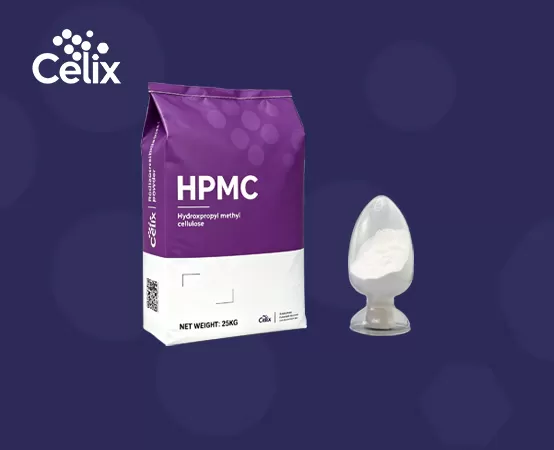
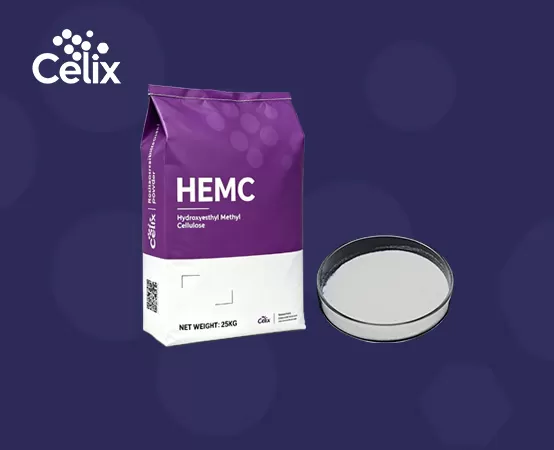
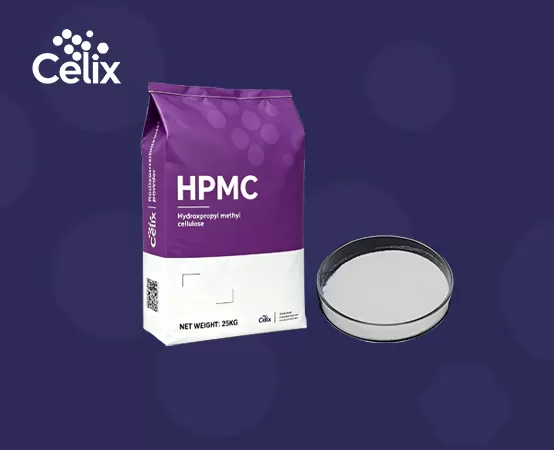
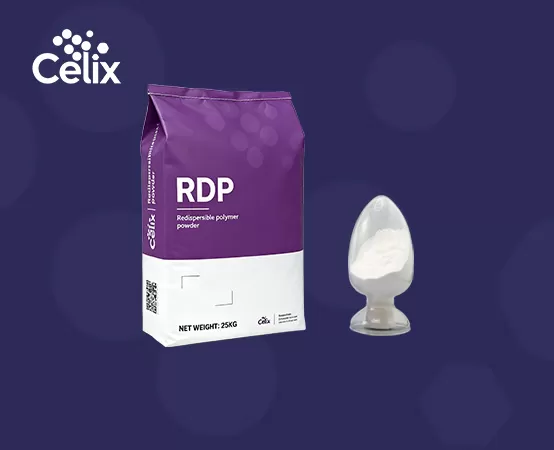
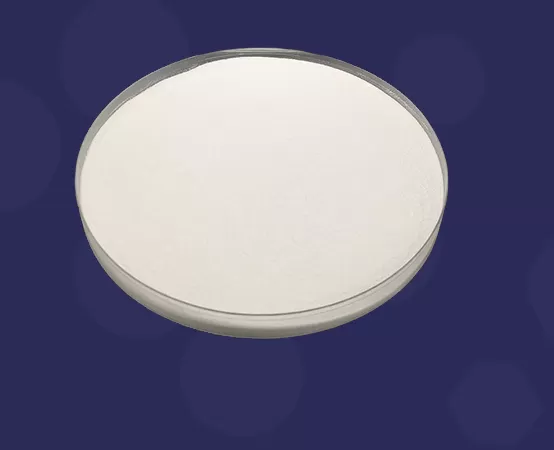
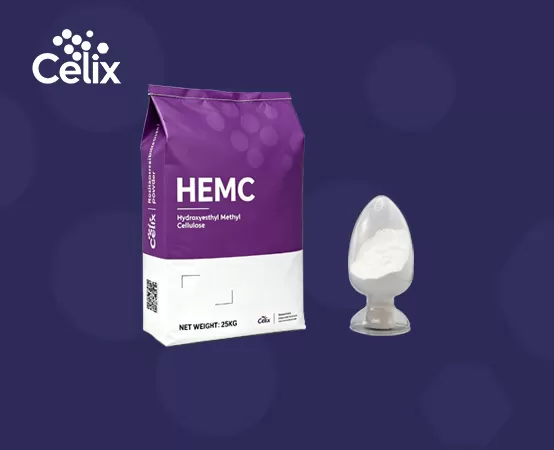
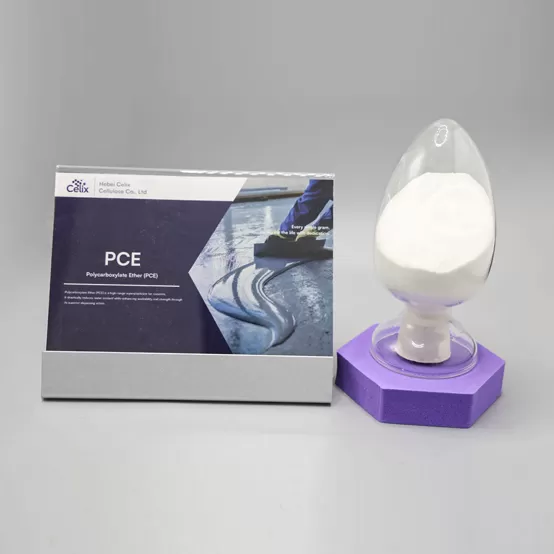
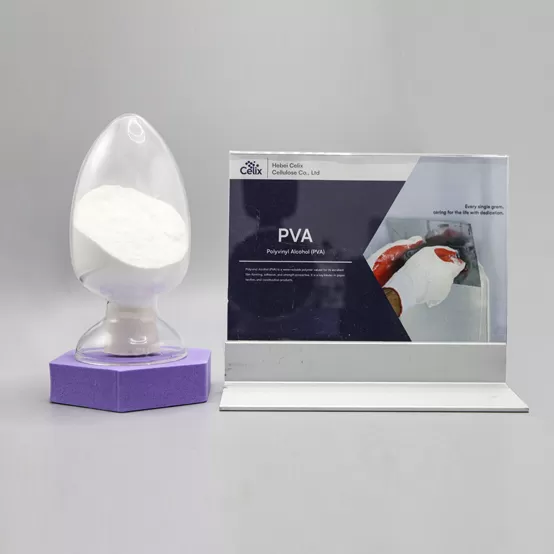
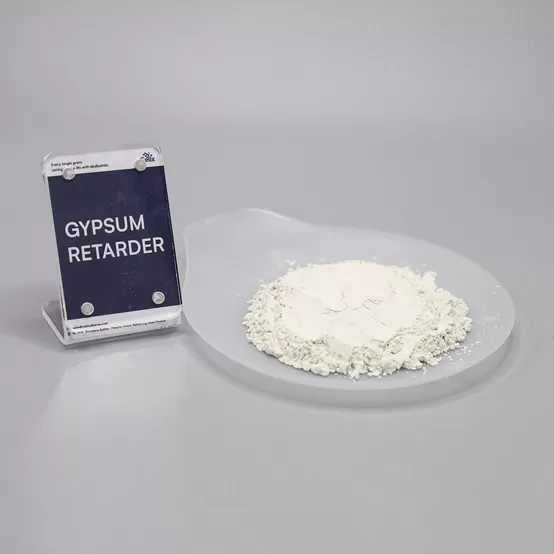
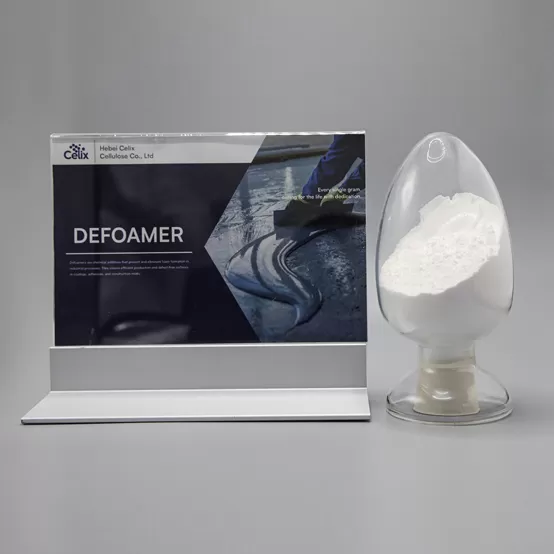
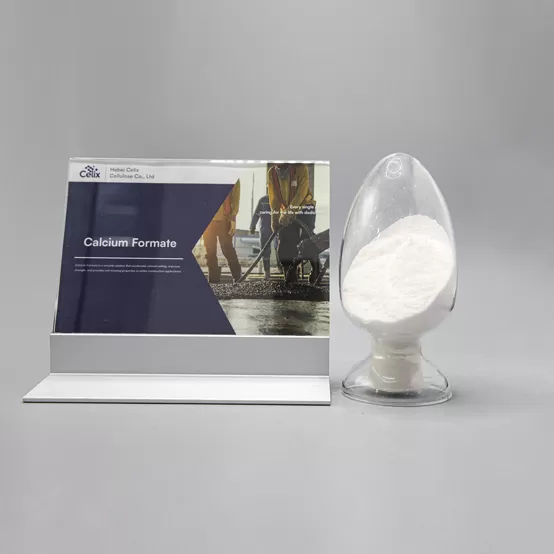
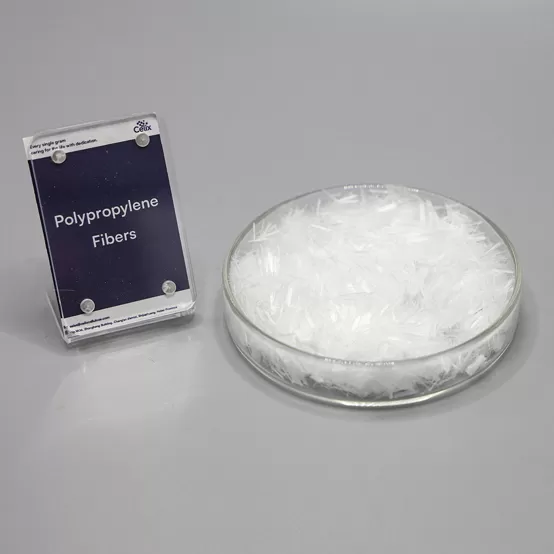
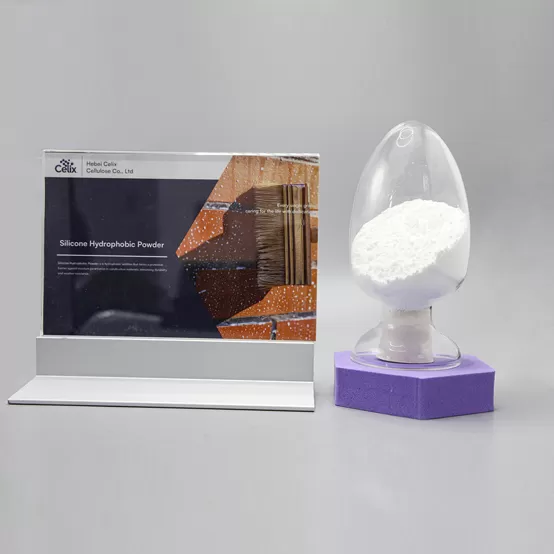
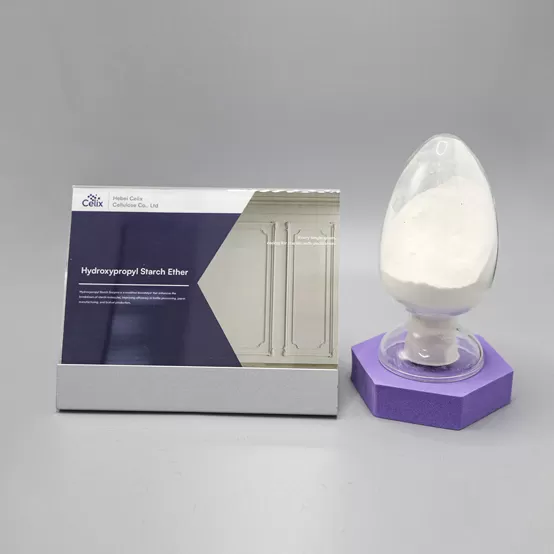

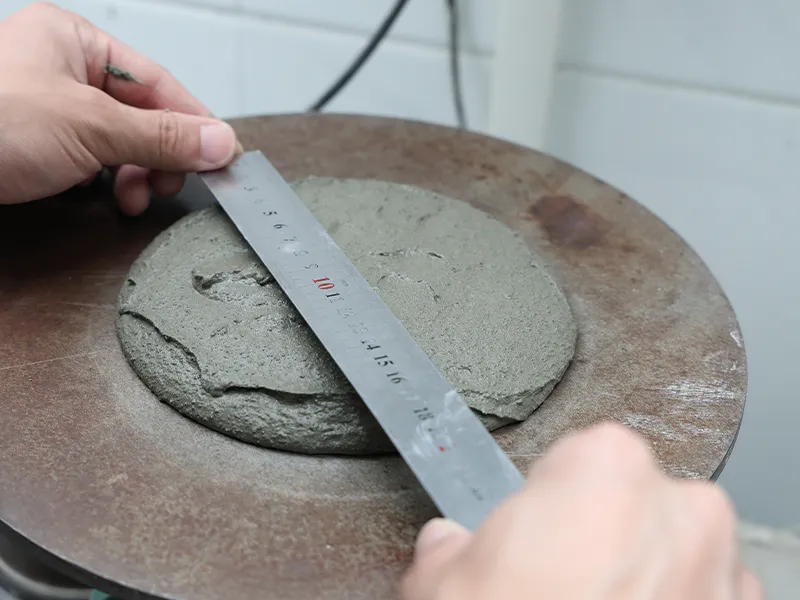
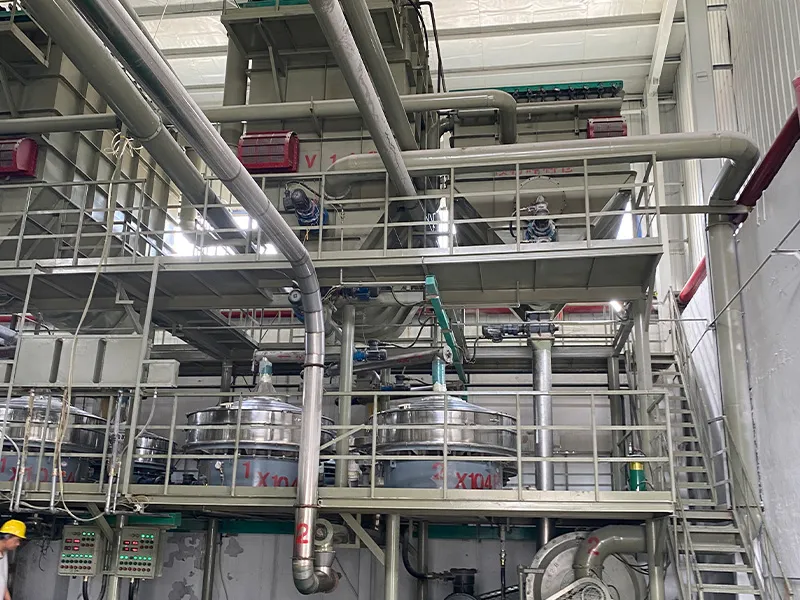
Celix Cellulose Co., Ltd, is an integrated chemical cellulose manufacturer with in-house R&D, factories, and global sales sites.
Our products include HPMC, HEC, MHEC, VAE RDP, PCE, PVA, Defoamers, PP fibers, HPS, SHP and Gypsum Retarder.

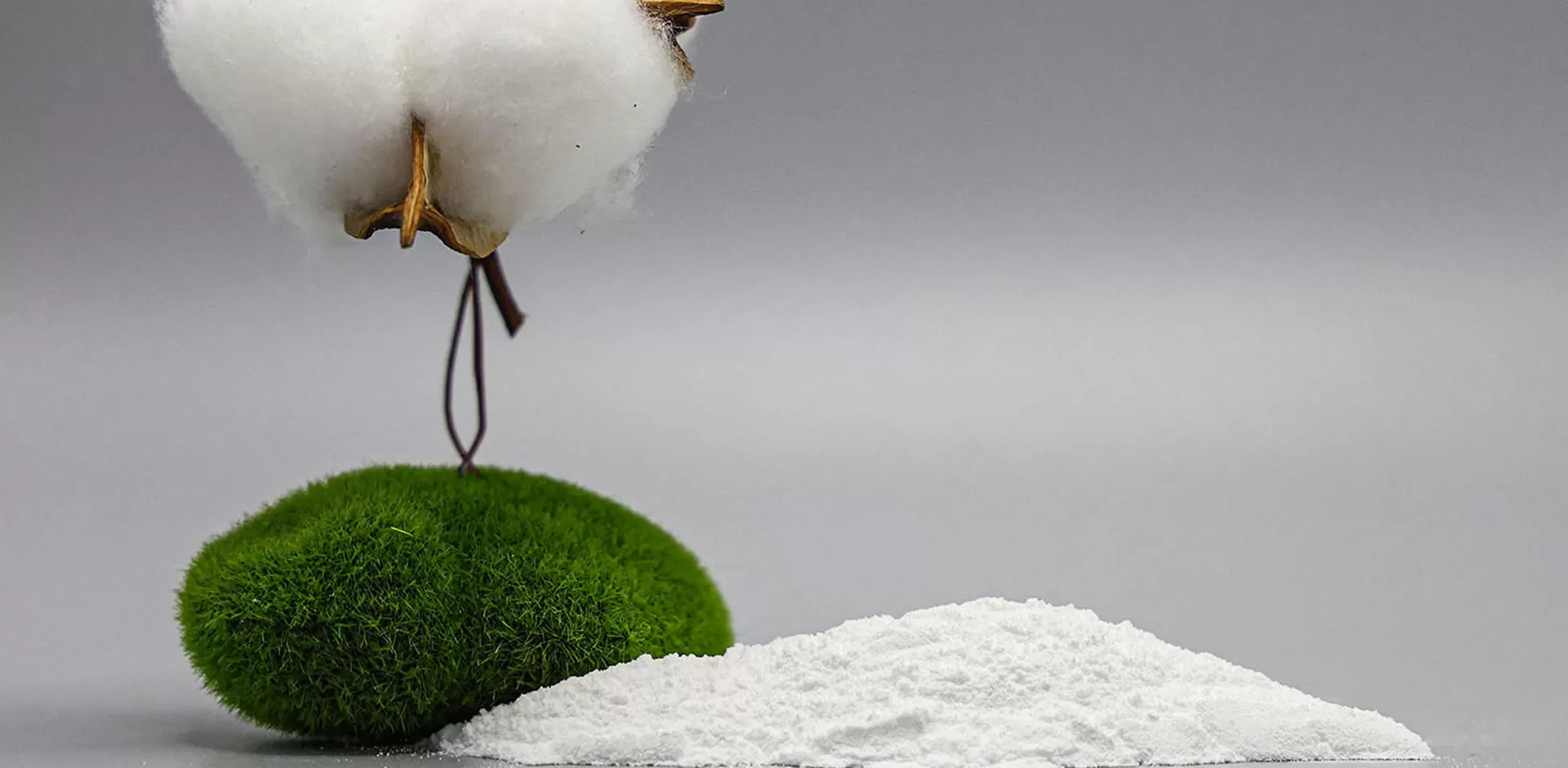
Hydroxyethyl Cellulose (HEC) is a non-ionic, water-soluble polymer derived from cellulose and ethylene oxide, widely used as a thickening, binding, and stabilizing agent.
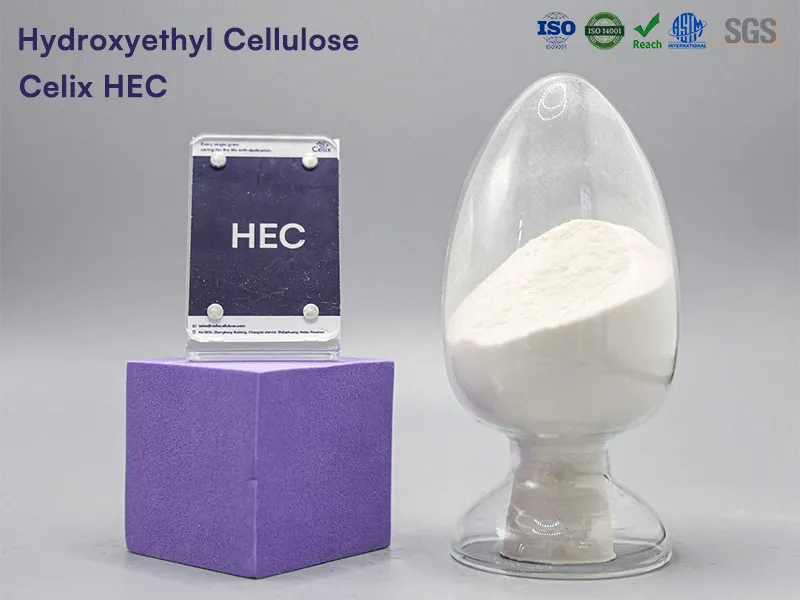
| Specification | Index |
| Exterior | White or light yellowish white |
| Dosage,% | 0.8-1.2 |
| Viscosity(Brookfield, 2%, 20°C, mpa.s) | 400-75000 |
| Moisture content,% | ≤5 |
| Particle Size | 100-120 mesh |
| pH Value | 6-8 |
As a chemical auxiliary agent, the Hydroxyethyl cellulose HEC can provide the following properties to the construction and oil drilling product:

Film Formation

Enzyme Resistance

Water Retention

Surface Activity

Pseudoplasticity

PH Stability

Thickening & Binding
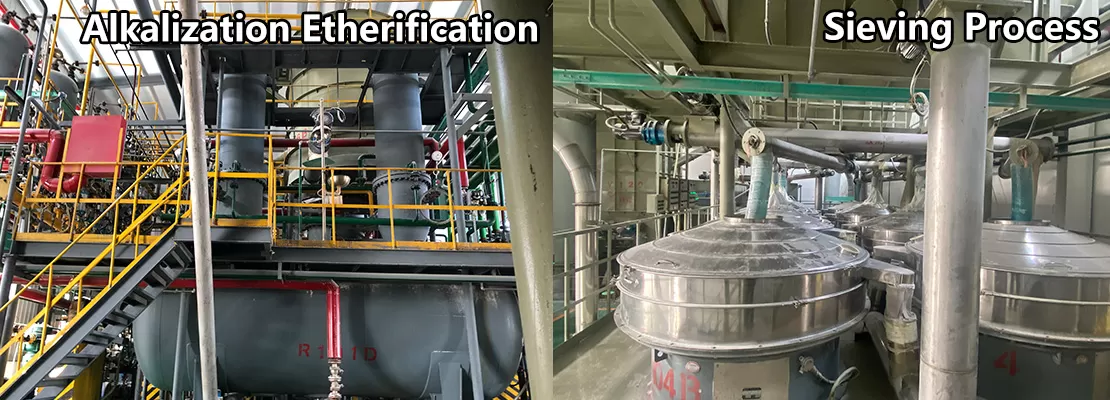
The production process of HEC (hydroxyethyl cellulose) typically involves three main steps: alkalization, etherification, and post-treatment.
First, refined cellulose (such as wood pulp) is alkalized under alkaline conditions to produce alkaline cellulose.
Next, the alkaline cellulose undergoes an etherification reaction with ethylene oxide in the presence of a catalyst, introducing hydroxyethyl side chains. Finally, post-treatment, including neutralization, washing, filtration, centrifugation, and drying, yields the final HEC product.
During the manufacturing process, the factory launched:
1. Real-time monitoring DCS System: to protect viscosity, substitution, and consistency.
2. Quality Control: starts with the meticulous selection of raw materials extending throughout the whole production process.
Celix Hydroxyethyl Cellulose HEC could offer:
1. Good Film formation
2. Good Enzyme resistance
3. High Water retention
4. Perfect Surface activity
5. Pseudoplasticity
6. Good PH stability
7. Good Thickening & Binding Effect
The advanced testing techniques, like IR and GPC, provide trust in every batch by ensuring consistent product quality and dependable performance.
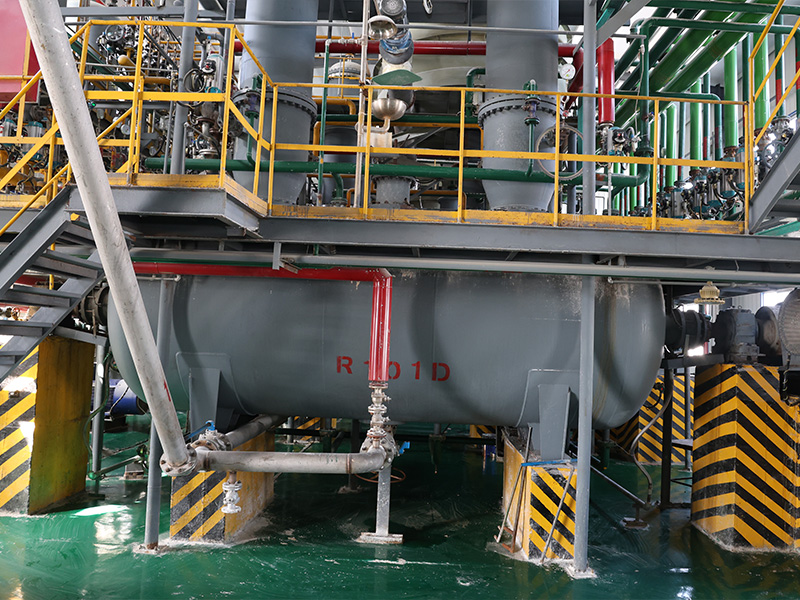
German DCS Precision Automation: Standardizing Ethoxylation for Superior HEC Quality
Our Hydroxyethyl Cellulose (HEC) synthesis is governed by a fully automated German-engineered DCS framework. By achieving precise, intelligent control over ethoxylation thermal profiles, ethylene oxide (EO) dosing, and molar substitution ratios (MS), we eliminate human variability. The result is uncompromised batch-to-batch consistency in pseudoplastic rheology, optical solution clarity, and bio-stability.
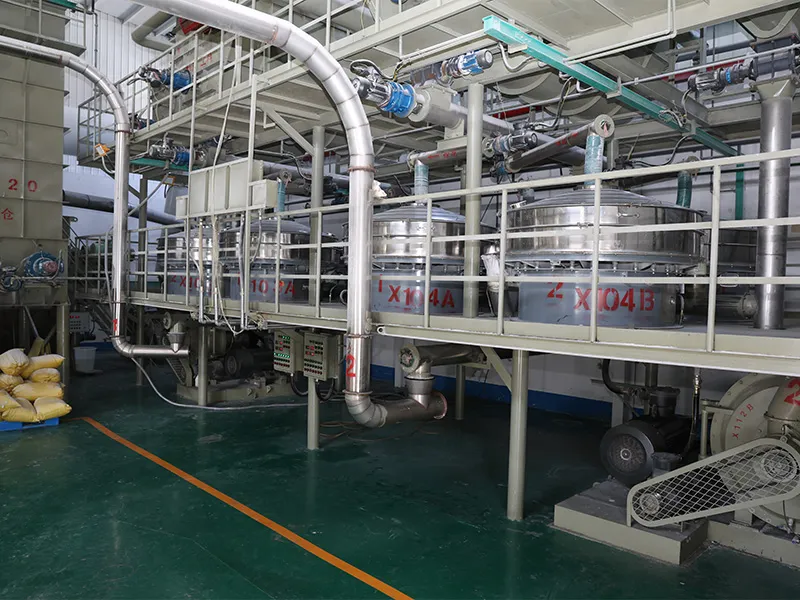
30,000-Ton Annual HEC Output: High-Capacity Manufacturing for Coating & Personal Care Supply Resilience
Backed by a high-volume 30,000-metric-ton annual HEC manufacturing capacity, we shield your business from raw material bottlenecks and price spikes during peak seasons. Harnessing optimum scale efficiency, we deliver competitive factory-direct wholesale rates and dependable long-term contract fulfillment to keep your paint, detergent, and industrial formulations running without interruption.
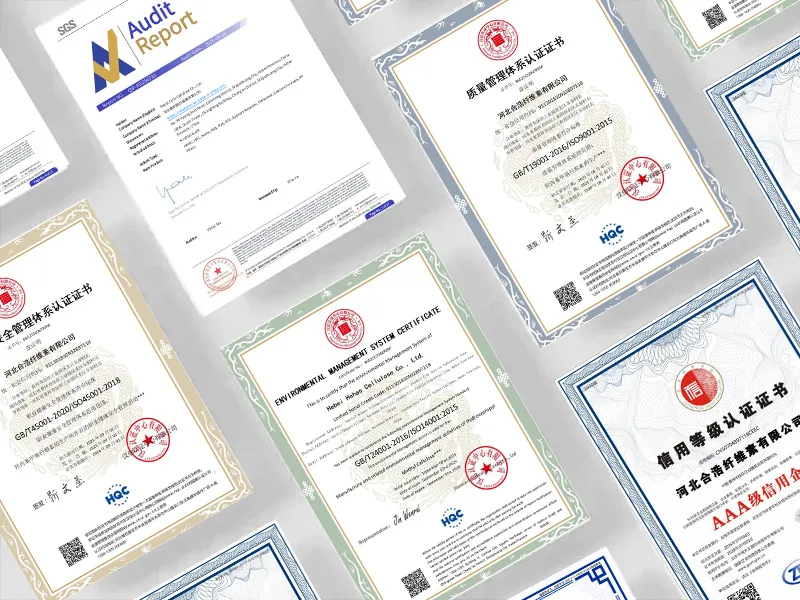
ISO-Certified Quality Management: Rigorous QC Protocols for Verified HEC Performance
Operating strictly under ISO 9001 and ISO 14001 certified management frameworks, our facility enforces zero-defect manufacturing standards. Every batch of Hydroxyethyl Cellulose (HEC) undergoes comprehensive QC laboratory testing—strictly verifying key parameters including ash content (≤5%), moisture levels (≤5%), optical clarity/transmittance, narrow viscosity tolerance, and enzymatic resistance—guaranteeing 100% compliant, reliable dispatch.

Tailored Rheology & Custom HEC Formulations for Diverse Global Systems
Whether your latex paint demands high shear-thinning efficiency and superior leveling or your personal care/industrial systems require high-salt tolerance and long-term suspension stability, our dedicated R&D lab customizes HEC molar substitution (MS) profiles and molecular weight distributions. We deliver tailor-made rheological profiles engineered to seamlessly match your local emulsion vehicles, raw materials, and ambient climate conditions.
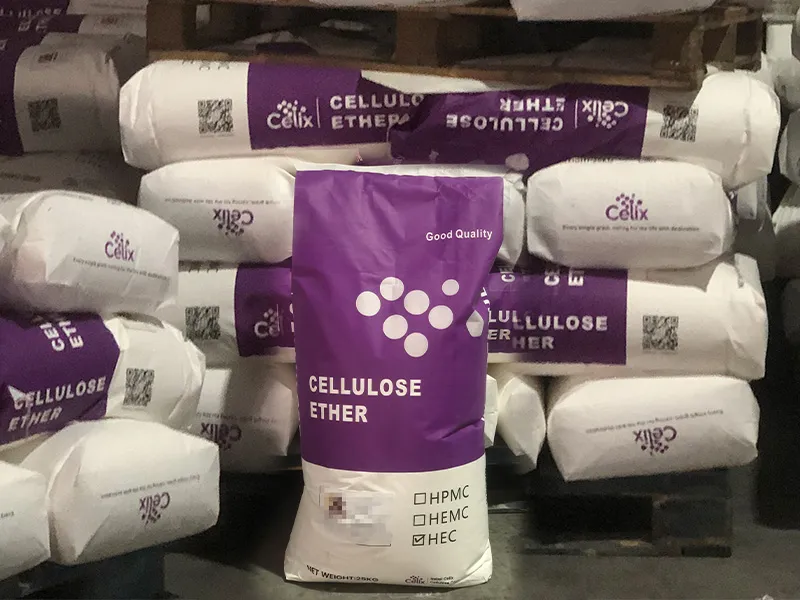
Seaworthy High-Barrier Packaging & Turnkey OEM Branding for HEC
Engineered to protect HEC’s active thickening performance and rapid hydration properties during extended ocean freight, our packaging utilizes 25kg multi-layer moisture-barrier paper-plastic bags with heavy PE liners and durable Jumbo Bags (FIBCs). We also offer comprehensive private-label OEM branding solutions, customizing packaging design and specs to seamlessly match your local paint, detergent, or oilfield supply network.
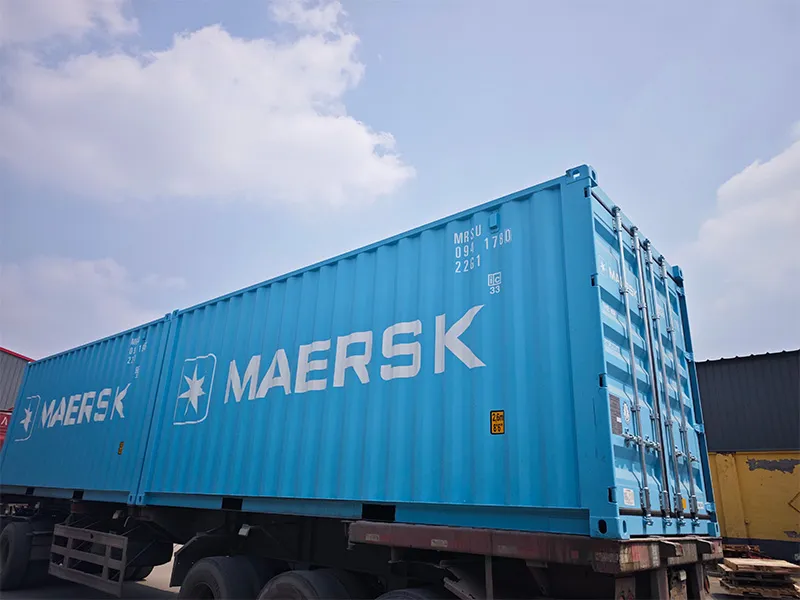
Seaworthy High-Barrier Packaging & Turnkey OEM Branding for HEC
Engineered to protect HEC’s active thickening performance and rapid hydration properties during extended ocean freight, our packaging utilizes 25kg multi-layer moisture-barrier paper-plastic bags with heavy PE liners and durable Jumbo Bags (FIBCs). We also offer comprehensive private-label OEM branding solutions, customizing packaging design and specs to seamlessly match your local paint, detergent, or oilfield supply network.
Don’t compromise on dry-mix mortar workability. Contact our technical team today to request a complimentary sample of Celix HPMC (CAS 9004-62-0) and download the complete Technical Data Sheet (TDS) / SDS.


It is used as the thickener, stabilizer in coatings, detergents, oil drilling; Sometimes, it is also used in the pharmaceuticals and cosmetics.
HEC material is a hydroxyethyl cellulose, a non-ionic cellulose ether with water-soluble, thickening properties.
HEC cellulose is a hydroxyethyl cellulose, made by etherifying natural cellulose with ethylene oxide.
HEC has hydroxyethyl groups; HPMC has methyl + hydroxypropyl groups. HPMC has the better thermal stability.
It's avg hydroxy groups substituted by hydroxyethyl per glucose unit (0.5–1.5 industrially, max 3 theoretically).The specific value affects its thickening properties, water retention and application areas. For example, high substitution degree is often used for coating thickening, while low substitution degree is suitable for textile processing, etc.
RECOMMENDED PRODUCTS
Contact Us

Celix Cellulose Co., Ltd, is an integrated chemical cellulose manufacturer with in-house R&D, factories, and global sales sites.
Our products include HPMC, HEC, MHEC, VAE RDP, PCE, PVA, Defoamers, PP fibers, HPS, SHP and Gypsum Retarder.


Celix Cellulose Co., Ltd, is an integrated chemical cellulose manufacturer with in-house R&D, factories, and global sales sites.
Our products include HPMC, HEC, MHEC, VAE RDP, PCE, PVA, Defoamers, PP fibers, HPS, SHP and Gypsum Retarder.
Quick Links
+8618330106777
info@celixcellulose.com