EN
 jp
 ko
 es
 ru
 pt
 th
 ar
 vi
 id
 kk
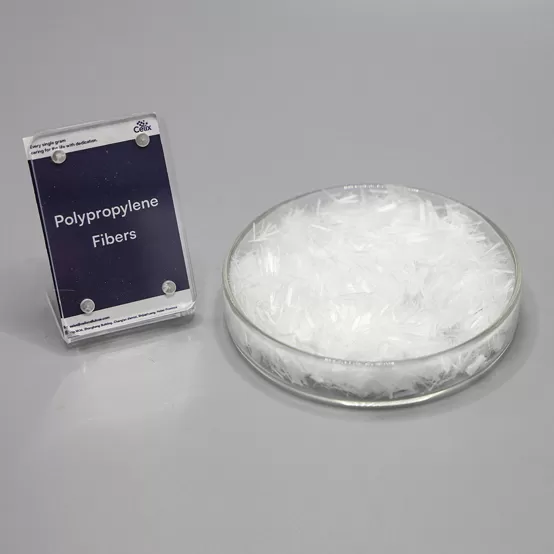
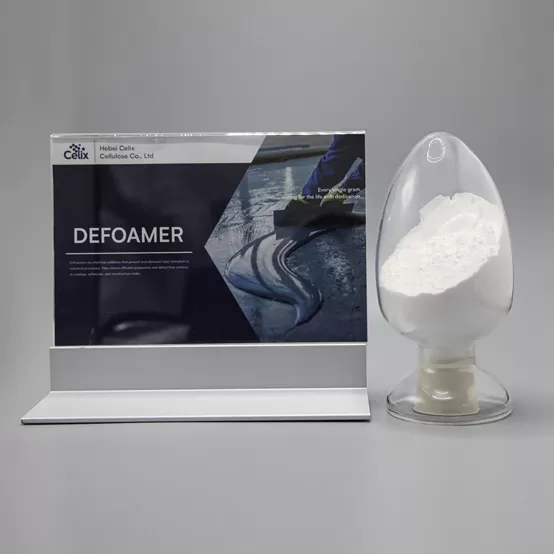

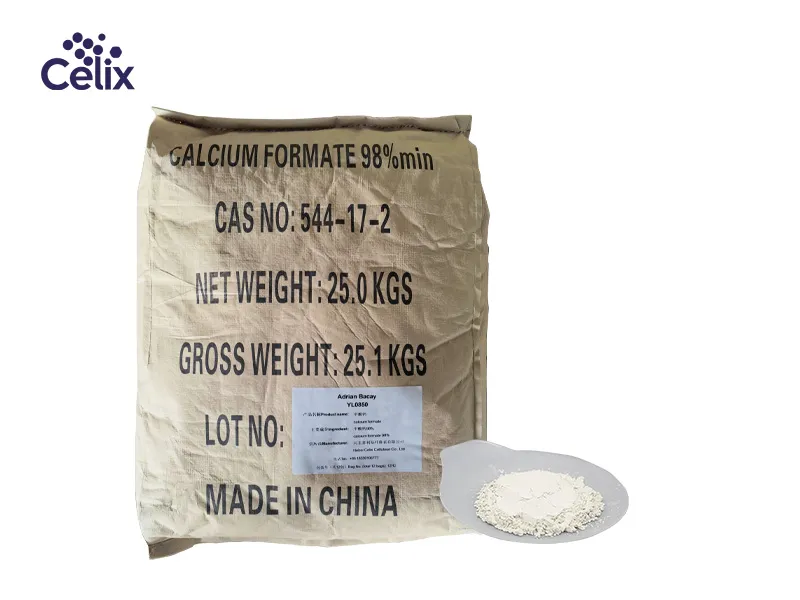
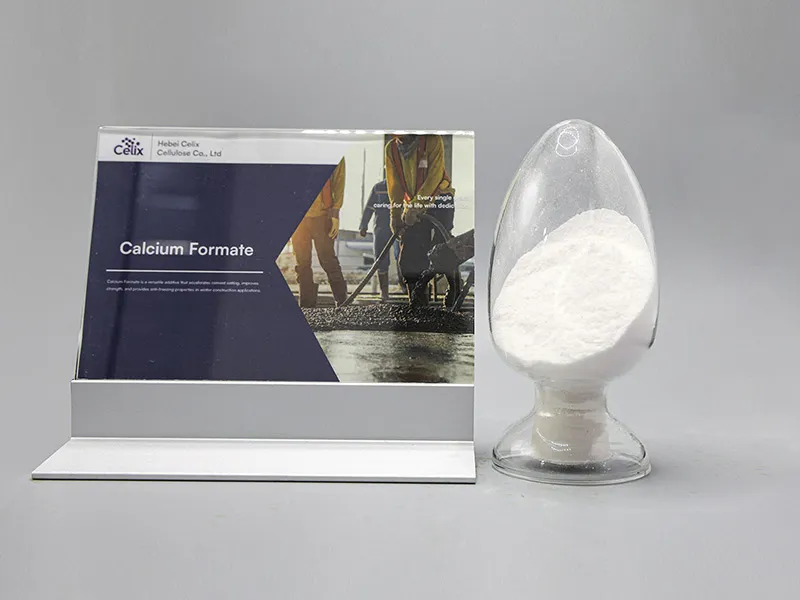

Celix Cellulose Co., Ltd, is an integrated chemical cellulose manufacturer with in-house R&D, factories, and global sales sites.
Our products include HPMC, HEC, MHEC, VAE RDP, PCE, PVA, Defoamers, PP fibers, HPS, SHP and Gypsum Retarder.

Sodium Gluconate is a multifunctional organic compound derived from glucose through fermentation. It appears as a white crystalline powder, highly soluble in water, and is widely used as a chelating agent, set retarder, and stabilizer in various industrial applications.
Celix is a professional manufacturer and global supplier of construction chemicals, specializing in high-quality concrete admixtures and functional additives for modern building materials.
CAS No.: 527-07-1
Type: Retarder Agent
Appearance: White crystalline powder
HS Code: 29181600
Model No.: SG-303


Concrete Retarder & Water Reducer Aid
In construction, Sodium Gluconate acts as an efficient set retarder, delaying cement hydration and improving workability. It also enhances the performance of superplasticizers in concrete formulations.
Metal Chelating Agent
Effectively binds metal ions (Ca²⁺, Fe³⁺, Al³⁺), preventing precipitation and improving system stability in industrial processes.
Scale & Corrosion Inhibitor
Widely used in water treatment systems to prevent scale formation and protect equipment from corrosion
Cleaning Agent Enhancer
Improves the efficiency of detergents and industrial cleaners by softening water and boosting cleaning performance.
Item | Specification |
Sodium gluconate | ≥98% |
Water Content | ≤1.4% |
Glucose | ≤0.5% |
Sodium chloride | ≤0.05% |
Sodium sulfate | ≤0.05% |

Acts as a set retarder to extend working time, improving slump retention during transportation.

Controls setting time for better molding and finishing, while helping reduce surface defects.

Delays hydration to reduce heat buildup, minimizing thermal cracking risk in large-volume pours

Improves dispersion and workability at low water-cement ratios, supporting better strength development and durability.
Sodium Gluconate acts as an exceptionally efficient set retarder. It adsorbs onto the surface of hydration particles (primarily tricalcium silicate and aluminate), forming a temporary protective barrier that slows down initial hydration and hydration heat release.
Benefits: Extends initial and final setting times, prevents cold joints, enhances workability retention during long-distance transportation or hot weather, and boosts long-term compressive strength without cracking.
Sodium Gluconate is a high-purity, white crystalline powder derived from the fermentation of glucose. It is a non-toxic, highly biodegradable organic sodium salt with exceptional chelating and retarding capabilities.
Main Applications:
Construction: Set retarder and water-reducing agent in concrete and mortar formulations.
Water Treatment: Scale and corrosion inhibitor for cooling towers, boilers, and industrial water systems.
Industrial Cleaning: Metal surface cleaner, bottle-washing agent, and glass cleaning formulations.
Textile & Printing: Sequestering agent for metal ions in dyeing and printing processes.
Standard Dosage: Typically 0.03% to 0.1% by total weight of cementitious materials (0.3 kg to 1.0 kg per ton of cement).
High-Retardation Needs: Dosages up to 0.15%–0.3% can be used in specialized deep-well oil cementing or mass concrete pours requiring extended setting times.
Yes, perfectly compatible. In fact, Sodium Gluconate is one of the most widely used co-retarders in PCE liquid and powder formulations. Adding a small percentage of Sodium Gluconate to PCE admixtures significantly improves slump retention over long delivery times, especially in high-temperature climates, without causing segregation.
Lower Strength Loss: Unlike citric acid, which can significantly reduce early-stage compressive strength, Sodium Gluconate maintains or even improves 28-day concrete compressive strength.
Broader Temperature Stability: Remains effective in hot weather conditions where standard retarders lose performance.
Excellent Chelating Power: Forms strong, water-soluble chelates with heavy metal ions (Ca²⁺, Mg²⁺, Fe³⁺) across wide pH ranges (especially alkaline conditions).
Standard Packaging: 25 kg multi-wall paper-plastic bags with inner PE liners, or 1000 kg jumbo bags for bulk ocean freight. Palletized and stretch-wrapped.
Storage & Shelf Life: Store in a cool, dry, and well-ventilated warehouse away from direct moisture, as it is slightly hygroscopic. Shelf life is 24 months in unopened original packaging.
Yes. We provide free sample quantities (500g) for client laboratory testing, water treatment chelating assays, and concrete trial batches. Contact our technical sales team to arrange express delivery for your test samples.
Contact Us

Celix Cellulose Co., Ltd, is an integrated chemical cellulose manufacturer with in-house R&D, factories, and global sales sites.
Our products include HPMC, HEC, MHEC, VAE RDP, PCE, PVA, Defoamers, PP fibers, HPS, SHP and Gypsum Retarder.


Celix Cellulose Co., Ltd, is an integrated chemical cellulose manufacturer with in-house R&D, factories, and global sales sites.
Our products include HPMC, HEC, MHEC, VAE RDP, PCE, PVA, Defoamers, PP fibers, HPS, SHP and Gypsum Retarder.
Quick Links
+8618330106777
info@celixcellulose.com