EN
 jp
 ko
 es
 ru
 pt
 th
 ar
 vi
 id
 kk


Celix Cellulose Co., Ltd, is an integrated chemical cellulose manufacturer with in-house R&D, factories, and global sales sites.
Our products include HPMC, HEC, MHEC, VAE RDP, PCE, PVA, Defoamers, PP fibers, HPS, SHP and Gypsum Retarder.

Celix Hydroxypropyl Methyl Cellulose (HPMC) for concrete enhances the concrete product performance as you wish.
Celix Model: PM-65U, PM-75U
CAS No.: 9004-65-3
Type: Chemical Auxiliary Agent
Appearance: White To Off-White Powder Substance
Viscosity Range: 65,000-75,000m Pa.s (Brookfield, 2% water solution)
HS Code: 39123900
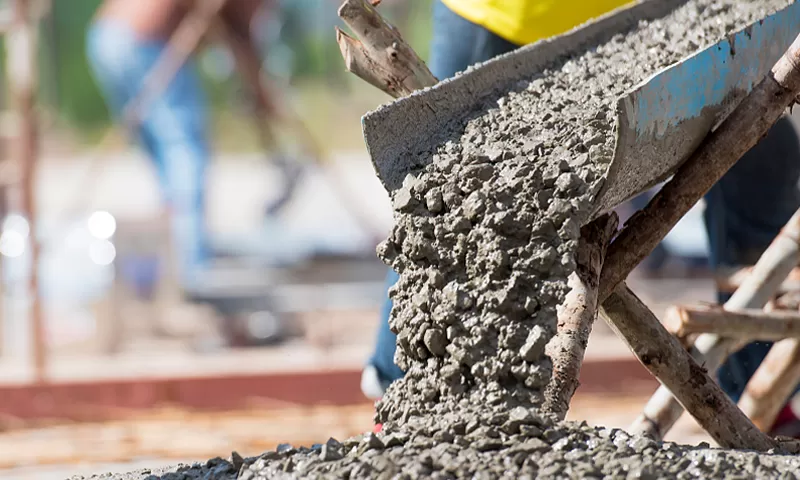
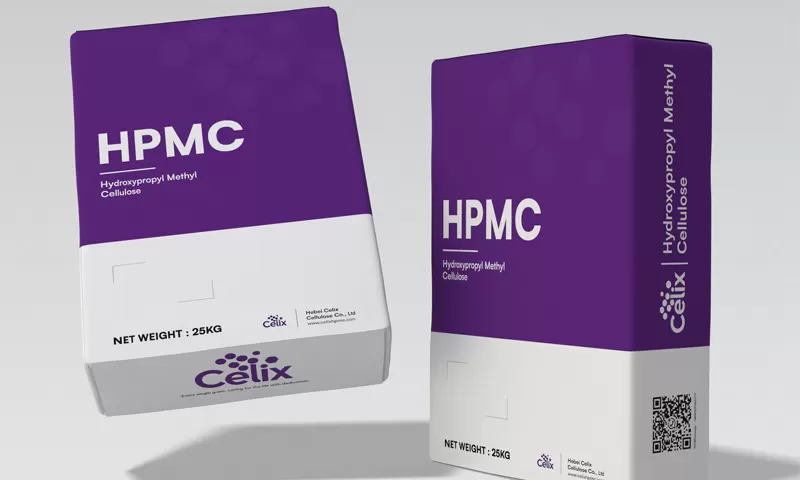
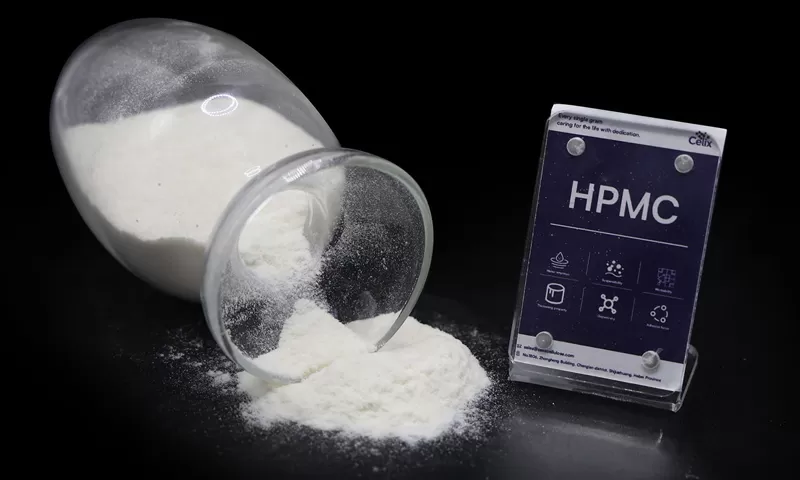
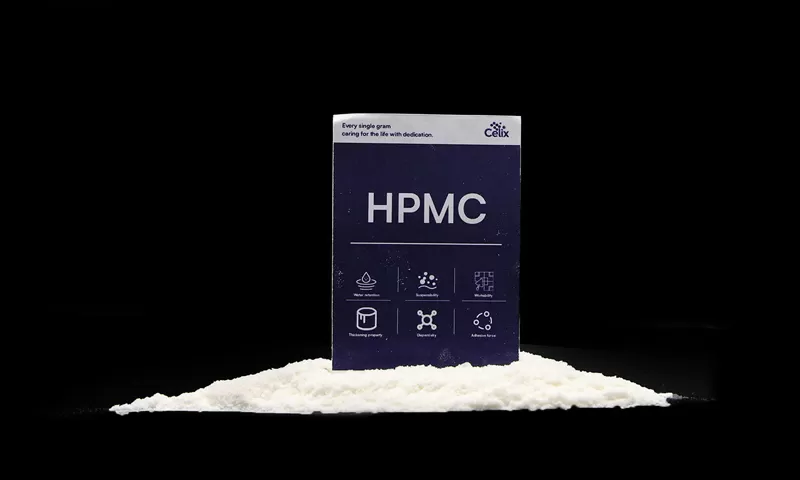
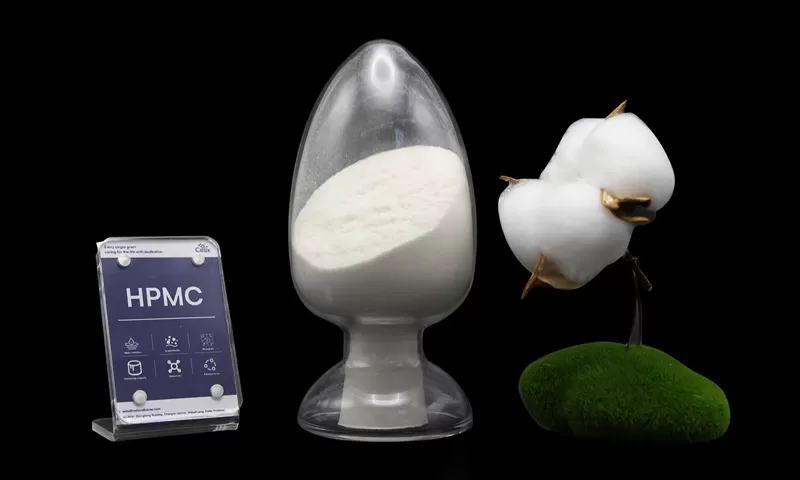
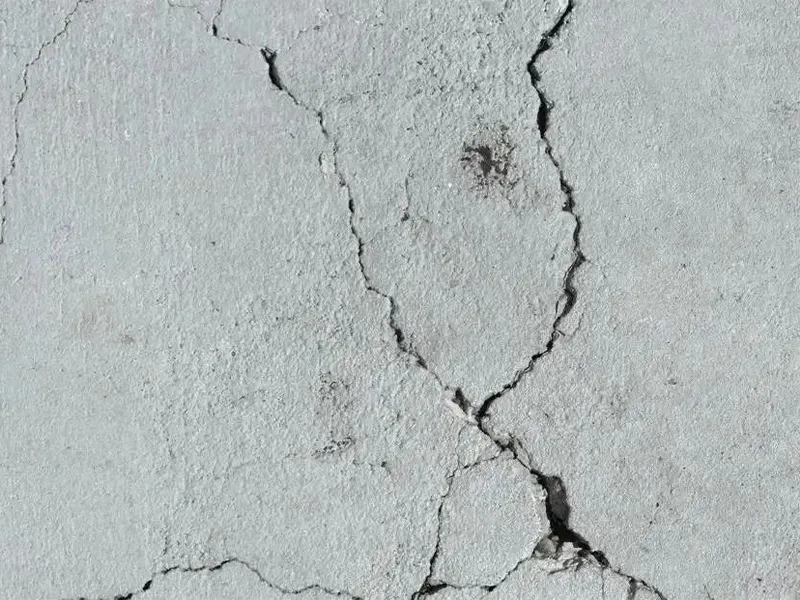
Celix HPMC can improve the cohesion, segregation resistance, strength, and durability of concrete. It helps to reduce cracking, and make the mixture easier to mix, pump, and place.
Water Retention
Even in hot or dry weather, Celix HPMC for concrete efficiently holds onto moisture, halting quick evaporation to guarantee full cement hydration and lessen shrinkage cracks.
Open Time
It increases the amount of time that concrete is open, giving you more time to mix, pour, and finish the material before it hardens.
Workability
Celix HPMC enhances the flow and flexibility of concrete, which makes it simpler to mix, pump, and shape while preserving consistency.
Durability
It increases the concrete matrix's long-term resistance to weathering, wear, and structural stress by improving hydration completeness and decreasing cracking.
| Specification | PM-65U | PM-75U |
| Exterior | White or light yellowish white powder | |
| Methoxy.% | 19-24 | |
| Hydroxypropyl,% | 7.5-12.0 | |
| Gel temperature | 60-70 | |
| Ash content,% | ≤5 | |
| Water content,% | ≤5 | |
| pH value | 6-8 | |
| Viscosity(2%, 20C, Mpa.s) | 65000 | 75000 |
| Granularity | 98% passed the 80 mesh | |
| Density, g/L | 370-390 | |
| Dosage | 0.5-5‰ | |
* The recommended dosage of this product is 0.5-5‰ of the system, and the dosage needs to be determined by experiment. Contact us for solutions!

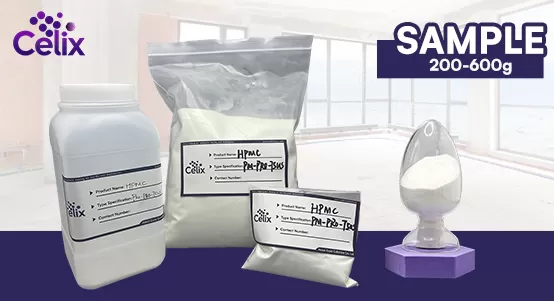
Quick sample availability so you may evaluate the product's performance before purchasing.
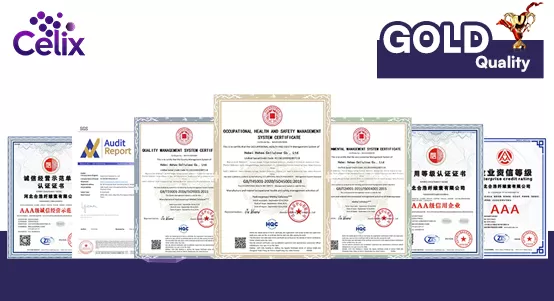
Extensive testing is carried out at every stage to ensure consistent, high-quality products.
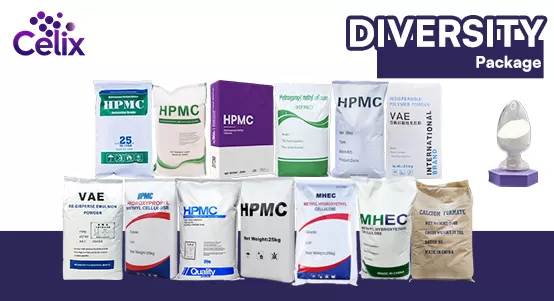
Standardized, safe packaging for safe transit and extended shelf life.
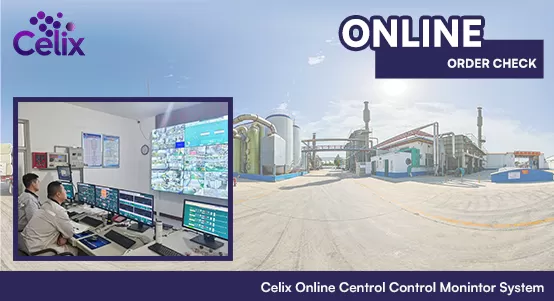
You can monitor production, quality, and shipments in real time with this completely transparent digital gateway. This fully transparent digital gateway allows you to track production, quality, and shipments in real time.
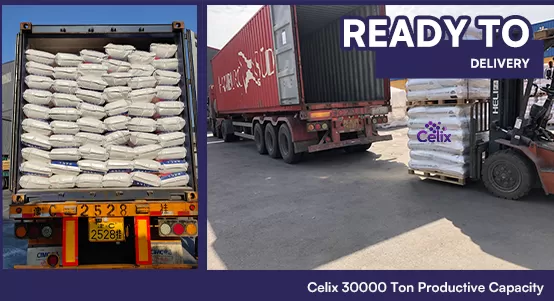
You can fulfill your urgent project deadlines by using digital management to keep inventories under control and logistics flexible.
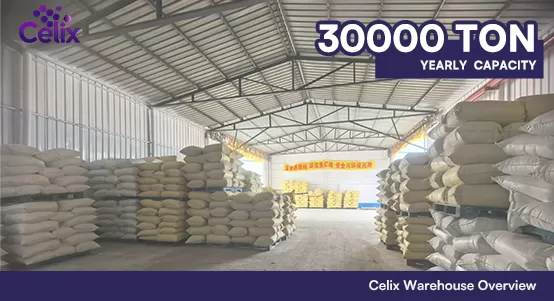
The powdered polymer hydroxypropyl methyl cellulose is a hygroscopic and water-absorbent substance. It should be kept dry and cool, and it should be transported and stored in its original packing. To stop moisture penetration during production and usage, the original package needs to be resealed after being opened.
Hydroxypropyl Methyl Cellulose (HPMC) acts as a specialized viscosity modifying agent (VMA), anti-washout admixture (AWA), and water retention stabilizer in specialty and high-performance concrete mixes.
Core Role: Unlike standard concrete mixes that rely solely on superplasticizers, high-fluidity, pumped, and underwater concretes require HPMC to bind free mixing water, increase plastic viscosity, and prevent aggregate segregation, surface bleeding, and cement paste washout.
When pouring concrete directly underwater (for bridge piers, marine foundations, dams, and harbor structures), flowing water easily washes away cement particles, causing severe strength loss and water turbidity:
Cohesive Polymer Network: High-viscosity HPMC forms a dense, intertwined three-dimensional gel network around cement grains and aggregates.
Superior Washout Resistance: This cohesive matrix holds the concrete together during underwater placement, preventing cement washout while allowing the concrete to self-level and consolidate cleanly without vibrating.
High-fluidity concretes with low water-to-cement ratios and high superplasticizer dosages are prone to coarse aggregate settling (segregation) and water rising to the surface (bleeding):
Suspension Stability: HPMC increases the yield stress and viscosity of the cement paste, keeping heavy gravel and sand uniformly suspended throughout transportation and casting.
Eliminating Bleeding & Laitance: By locking free water inside the matrix, HPMC prevents weak, dusty surface laitance and ensures uniform compressive strength from top to bottom.
Pumping concrete over long horizontal distances or to extreme heights generates high friction and pressure inside delivery pipes:
Internal Lubrication Layer: HPMC creates a smooth, water-retaining lubricating boundary layer along the inner wall of the pump pipe, significantly reducing pumping pressure and wear.
Anti-Blockage Protection: By preventing water from being squeezed out of the cement paste under high pump pressure (pressure bleeding), HPMC eliminates aggregate locking and pipe blockages.
This is a critical concern for concrete engineers, and it depends on grade selection and dosage control:
Air Content & Defoamer Pairing: Standard HPMC can entrain micro-air bubbles during vigorous concrete mixing, which may slightly reduce 28-day compressive strength if left uncontrolled. For structural concrete, we recommend low-air-entraining HPMC grades or pairing HPMC with a small dose of concrete defoamer (tributyl phosphate or silicone-based) to maintain target air content and full design strength.
Improved Curing Strength: In thin slabs or hot climates, HPMC prevents premature moisture evaporation, reducing plastic shrinkage cracks and improving surface durability.
Concrete applications typically require high-to-ultra-high viscosity grades at very low dosages:
Recommended Viscosity Grades: 100,000 to 200,000 mPa.s / cPs (for underwater anti-washout concrete and heavy segregation control) or 40,000 to 75,000 mPa.s / cPs (for pumped concrete and SCC rheology tuning).
Yes, HPMC and PCE work together synergistically when properly balanced.
Synergy: PCE provides extreme water reduction and slump flow, while HPMC provides cohesion, anti-bleeding, and anti-washout stability.
Contact Us

Celix Cellulose Co., Ltd, is an integrated chemical cellulose manufacturer with in-house R&D, factories, and global sales sites.
Our products include HPMC, HEC, MHEC, VAE RDP, PCE, PVA, Defoamers, PP fibers, HPS, SHP and Gypsum Retarder.


Celix Cellulose Co., Ltd, is an integrated chemical cellulose manufacturer with in-house R&D, factories, and global sales sites.
Our products include HPMC, HEC, MHEC, VAE RDP, PCE, PVA, Defoamers, PP fibers, HPS, SHP and Gypsum Retarder.
Quick Links
+8618330106777
info@celixcellulose.com