EN
 jp
 ko
 es
 ru
 pt
 th
 ar
 vi
 id
 kk
Construction
Build Better, Build Greener, with Celix HPMC

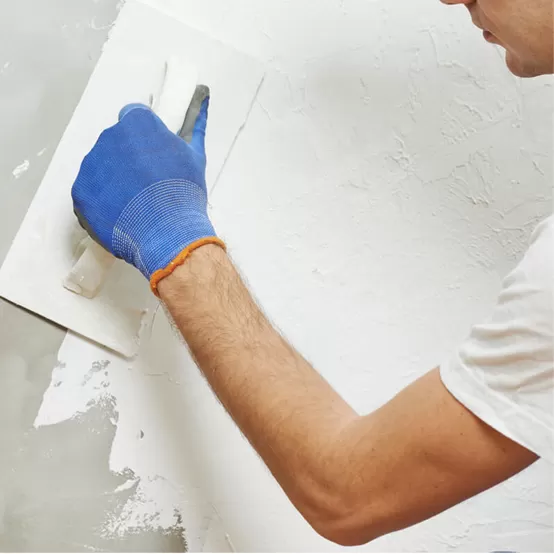
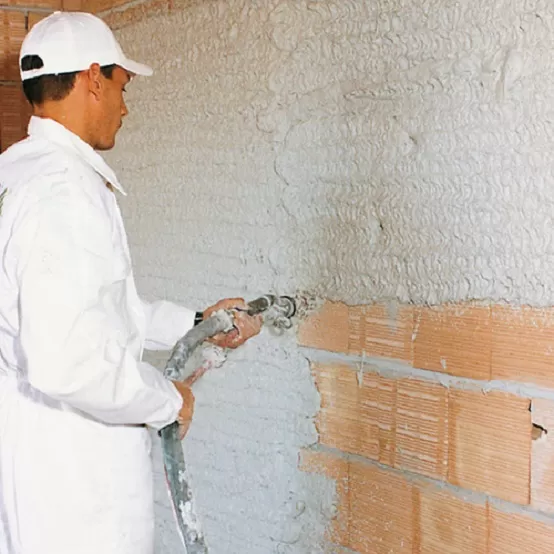
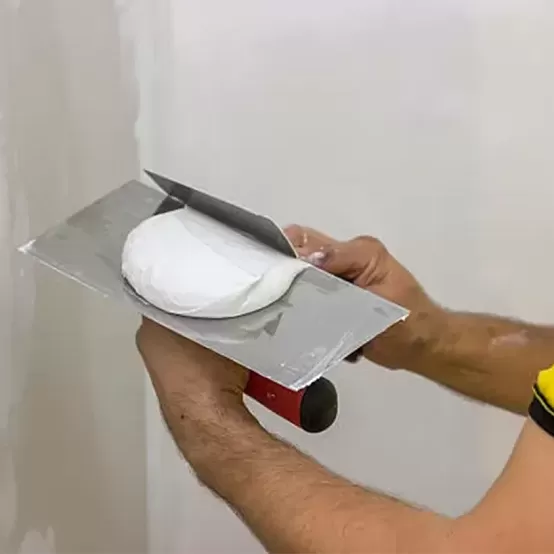
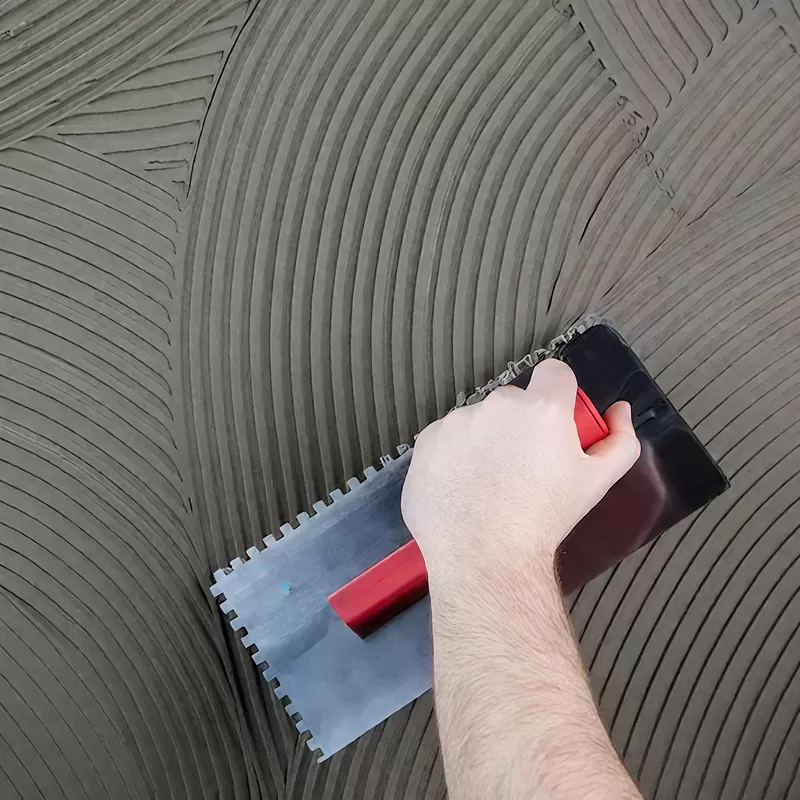
Across the rapidly expanding construction landscapes of the Middle East and North Africa (MENA)—from mega-developments in Saudi Arabia (Riyadh, Jeddah, NEOM) to high-density residential projects in Egypt (New Administrative Capital, Cairo) and Morocco (Casablanca, Tangier)—one of the most persistent jobsite quality complaints is exterior wall plaster and thin-set render cracking shortly after drying.
In arid, high-temperature desert climates where ambient temperatures routinely exceed 40℃-48℃(104℉-118℉) alongside dry desert winds and low relative humidity, freshly applied cementitious mortars lose moisture at an alarming rate. When surface evaporation outpaces internal bleeding water replenishment, severe plastic shrinkage micro-cracking occurs within the first 2 to 6 hours of application—long before the cement matrix develops mechanical tensile strength.
To eliminate these costly callbacks and structural failures, dry-mix mortar producers and building material manufacturers must move beyond single-additive fixes. Combining high-purity Hydroxypropyl Methylcellulose (HPMC) with micro-reinforcing Polypropylene Fiber (Celix PP Fiber) creates an unbeatable chemical-and-physical dual defense system.
This engineering guide breaks down the root physics of hot-weather mortar shrinkage, explains the water-retention mechanism of construction grade HPMC, and provides actionable formulation ratios for MENA dry-mix plants.
Plastic shrinkage cracking occurs while the freshly troweled plaster, skim coat, or masonry render is still in its "plastic" (unhardened) state. In desert climates across Saudi Arabia, Egypt, and Morocco, three environmental stressors attack fresh mortar simultaneously:
1.Extreme Surface Evaporation: High solar radiation and dry winds strip free water from the exposed mortar face at rates exceeding 1.0 kg/m2/h.
2.Aggressive Substrate Suction: Dry concrete masonry units (CMU), red clay bricks, and Autoclaved Aerated Concrete (AAC) blocks act like sponges, siphoning mixing water from the back of the plaster layer.
3.Capillary Meniscus Tension: As water retreats into the microscopic pores between cement and sand particles, curved liquid menisci form, generating high negative capillary pressure. Because the unhardened cement paste has virtually zero tensile strength during the first few hours, this internal contraction pulls the mortar apart, creating spider-web plastic shrinkage cracks.
The first line of defense against plastic shrinkage is locking mixing water inside the mortar matrix so cement hydration can proceed uninterrupted. This is the primary function of hydroxypropyl methylcellulose (HPMC)—the essential water retention agent, thickening agent, and rheology modifier in dry-mix mortars.
Synthesized from natural refined cotton cellulose, HPMC cellulose ether features hydrophilic hydroxyl (-OH) and hydroxypropyl (-OCH2CH(OH)CH3)substituent groups along its polymer backbone.
l Hydrogen-Bonding Water Lock: When mixed with water, HPMC polymer uncoils and binds free water molecules via dense hydrogen bonds, drastically reducing the water evaporation rate and blocking substrate capillary suction.
l Elevated Thermal Gel Point (65℃-75℃): Standard low-grade thickeners suffer from thermal gelation in 45℃ Middle Eastern heat, losing their water-holding capacity and causing instant surface skinning. Celix High-Thermal-Stability HPMC maintains its hydrated 3D network under extreme desert temperatures, ensuring complete Calcium Silicate Hydrate (C-S-H) crystal growth.
l Extended Open Time & Trowel Workability: By regulating Brookfield viscosity (75,000-150,000 mPa.s) HPMC provides smooth, creamy workability, superior anti-sagging performance, and extended open time so plasterers can float and level large exterior walls without tearing the surface.
While construction grade HPMC dramatically slows moisture loss, extreme desert winds and thick plaster applications (15mm-25mm) still generate localized tensile stresses during drying. That is where Celix Polypropylene Fiber (PP Fiber) provides critical mechanical micro-reinforcement.
Celix PP Fiber consists of high-tenacity,(100%) virgin polypropylene monofilament fibers (3mm,6mm,or 12mm cut lengths) treated with a specialized hydrophilic surface finish for instant, clump-free dispersion in dry-mix mortars:
1.Three-Dimensional Random Distribution: Adding just 0.6kg-1.0kg of Celix PP Fiber per ton of dry mortar introduces tens of millions of microscopic fibers distributed uniformly in every direction.
2.Mechanical Crack Arresting: When negative capillary pressure attempts to pull the fresh cement paste apart, individual polypropylene filaments span across the nascent micro-fissures, absorbing tensile strain energy and stopping micro-cracks from propagating into visible structural cracks.
3.Enhanced Impact & Freeze-Thaw Toughness: Once cured, the 3D fiber network significantly boosts flexural toughness, surface abrasion resistance, and durability against extreme day-to-night desert thermal cycling.
To help dry-mix plants in Saudi Arabia, Egypt, and Morocco eliminate exterior wall cracking complaints while optimizing raw material costs, the application laboratory at Hebei Celix Cellulose Co., Ltd. (Celix) outlines benchmark formulations below:
Raw Material Component | Exterior Cement Plaster / Render (10-20mm) | Thin-Layer Exterior Skim Coat (2-5mm) | C2TE High-Open-Time Tile Adhesive |
Ordinary Portland Cement (OPC 42.5) | 25.0%-32.0% | 30.0%-35.0% | 35.0%-40.0% |
Washed Silica Sand / Graded Aggregate | 65.0%-72.0% | 50.0%-60.0% | 55.0%-60.0% |
Calcium Carbonate / Limestone Filler | 0%-5.0% | 8.0%-15.0% | 0%-3.0% |
Celix HPMC (High-Thermal Grade) | 0.20%-0.28% (100kmPa.s) | 0.30%-0.38% (100k-150k) | 0.35%-0.45% (Modified 50k) |
Celix Polypropylene Fiber (PP Fiber) | 0.08%-0.12% (6mm/12mm) | 0.05%-0.08% (3mm/6mm) | 0.03%-0.05% (3mm) |
0.50%-1.0% | 1.0%-2.0% | 2.5%-3.5% | |
0.02%-0.04% | 0.03%-0.05% | 0.03%-0.05% |
Formulation Engineering Tip: For thick exterior renders applied over smooth concrete columns or AAC blocks in high-wind coastal cities (such as Jeddah, Alexandria, or Casablanca), combining Celix HPMC, Celix PP Fiber, and 0.8%-1.5% Celix VAE RDP guarantees both zero shrinkage cracking and high interfacial pull-off bond strength.
To verify mortar anti-cracking performance, water retention, and mechanical strength for commercial tenders across the MENA region, align laboratory testing with recognized international standards:
EN 998-1 Specification for Rendering and Plastering Mortars: Consult European Standard EN 998-1 Protocols for evaluating capillary water absorption, water vapor permeability, and compressive/adhesion strength.
ASTM C1579 Standard Test Method for Evaluating Plastic Shrinkage Cracking: Review ASTM International Test Methods for quantifying crack reduction ratios in fiber-reinforced cementitious mixtures under controlled wind and temperature evaporation.
ISO 13007 / EN 12004 Mortar Adhesion Testing: Check ISO 13007 Specifications for open time (E) and tensile bond verification under heat-aging conditions.
EU REACH & ISO 9001:2015 Quality Compliance: Verify chemical purity, low ash content (≤5.0%) , and batch consistency under ECHA REACH Directives.
Solving plastic shrinkage cracking in harsh Middle Eastern and North African climates requires more than basic raw materials—it demands precision-engineered cellulose ethers paired with high-dispersion reinforcing fibers from a single reliable manufacturer.
As a direct global cellulose ether factory and chemical additive producer, Hebei Celix Cellulose Co., Ltd. (Celix) supplies high-thermal-stability HPMC, HEMC (MHEC), Polypropylene Fibers (PP Fiber), and VAE Redispersible Polymer Powders (RDP) tailored specifically for dry-mix mortar plants in Saudi Arabia, Egypt, Morocco, the UAE, and across the MENA region. With triple-layer equatorial moisture-proof export packaging and in-house formulation support, Celix helps you deliver crack-free walls and boost customer loyalty.
Build Better, Build Greener, with Celix HPMC

Clean Safer, Care Smarter, with Celix Cellulose Ether

Drill Deeper, Operate Safer, with Celix Cellulose Ether

Formulate Precisely, Deliver Safely, with Celix Cellulose Ether

Taste Better, Keep Fresher, with Celix Cellulose Ether

Shape Stronger, Fire Smarter, with Celix Cellulose Ether
Contact Us

Celix Cellulose Co., Ltd, is an integrated chemical cellulose manufacturer with in-house R&D, factories, and global sales sites.
Our products include HPMC, HEC, MHEC, VAE RDP, PCE, PVA, Defoamers, PP fibers, HPS, SHP and Gypsum Retarder.


Celix Cellulose Co., Ltd, is an integrated chemical cellulose manufacturer with in-house R&D, factories, and global sales sites.
Our products include HPMC, HEC, MHEC, VAE RDP, PCE, PVA, Defoamers, PP fibers, HPS, SHP and Gypsum Retarder.
Quick Links
+8618330106777
info@celixcellulose.com