EN
EN
 jp
jp  ko
ko  es
es  ru
ru  pt
pt  th
th  ar
ar  vi
vi  id
id  kk
kk 
Construction
Build Better, Build Greener, with Celix HPMC

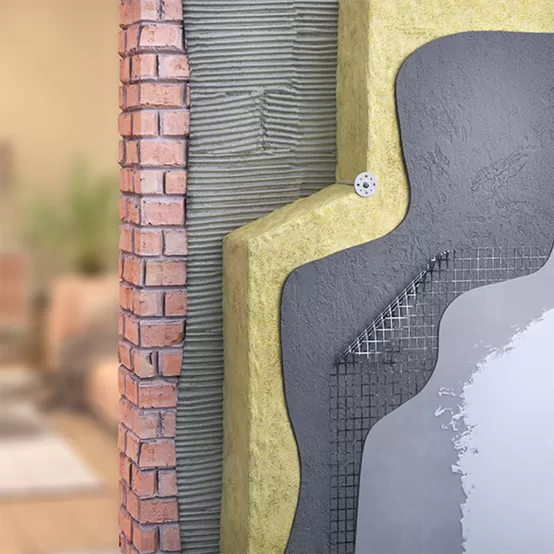
External Insulation and Finish Systems (EIFS), also widely known in Europe as External Thermal Insulation Composite Systems (ETICS), represent one of the most demanding application environments for dry-mix mortars.
Unlike standard interior wall putties or light-duty tile adhesives, EIFS base coats and adhesive mortars operate in a harsh exterior ecosystem. They must simultaneously bind organic insulation boards—such as Expanded Polystyrene (EPS), Extruded Polystyrene (XPS), or Mineral Wool—to mineral substrates while enduring direct solar radiation, thermal expansion, severe wind shear, and freeze-thaw cycles.
When formulators attempt to use standard, non-modified Hydroxypropyl Methyl Cellulose (HPMC) in EIFS formulations, the system frequently experiences poor tack, slip/sagging under heavy render layers, micro-cracking, and premature debonding.
Here is a deep technical breakdown of why standard cellulose ether falls short in EIFS/ETICS, and how Celix Modified HPMC provides the chemical bridges needed for long-term exterior durability.
To formulate a resilient EIFS adhesive or base coat, formulators must engineer around three severe stress factors:
(1)Non-Porous, Hydrophobic Substrates: EPS/XPS boards are extremely hydrophobic and lack capillary pores. Standard cellulose ethers rely on mechanical keying into porous substrates; they struggle to build immediate wet adhesion (tack) on slick EPS surfaces.
(2)High Shear & Gravity Forces (Anti-Sagging): Base coat mortars embedded with fiberglass mesh are applied in thick layers on vertical facades. If the dynamic viscosity of the mortar breaks down under gravity, the mortar slumps, leading to uneven mesh embedding and structural weakness.
(3)Extreme Weathering & Thermal Shock: Exterior walls experience daily temperature swings of up to 40°C. Mortars require exceptional elastic compliance and water retention to prevent stress-induced micro-cracking during curing.
Standard HPMC (straight etherified cellulose without tailored chemical modification) acts primarily as a basic aqueous thickener and standard water retainer. In an EIFS matrix, it reveals three major technical deficiencies:
(1)Insufficient Initial Wet-Tack: Standard HPMC does not lower interfacial surface tension efficiently enough between the water-based cement paste and the hydrophobic EPS polymer surface. The mortar simply "slides" rather than grips.
(2)Poor Pseudoplasticity (Rheology Deficit): Under the trowel, standard HPMC can feel sticky and heavy, yet once applied to the vertical facade, it lacks the strong static yield point needed to hold heavy reinforcement mesh in place without sag.
(3)Thermal Gelation Limitations: Direct summer sunlight can heat exterior EPS board surfaces to over 60°C. Standard HPMC loses its water retention capability as it approaches its thermal gelation point, leading to hydration failure at the critical EPS-mortar interface.
At Celix, our chemical synthesis team modifies the cellulosic backbone specifically to address exterior insulation dynamics. Formulated to align with key ASTM standards for EIFS mortars (including E2134, C1397, and E2486), our approach introduces specialized etherifying agents and controls substituent distribution (DS/MS ratios) to deliver targeted functional advantages:Surface-Active Interfacial Wetting
(1)Surface-Active Interfacial Wetting
Our modified polymer chain features optimized hydrophobic/hydrophilic domain alignment. This lowers the surface tension of the mixing water, allowing the cement paste to spread evenly across and "wet" the inert, hydrophobic EPS/XPS surface, resulting in dramatically higher tensile bond strength (both dry and after water immersion).
(2)High Thixotropy & Anti-Sagging Performance
Celix EIFS-grade HPMC creates a reversible pseudoplastic network.
Under Shear (Troweling): Viscosity drops instantly for effortless, smooth application that lowers fatigue for jobsite workers.
At Rest (On the Wall): The dynamic network recovers its structural yield point immediately, preventing sag even when applying thick base coats (3–5 mm) embedded with heavy alkali-resistant fiberglass mesh.
(3)Balanced Air-Entrapment & Hydration
Over-aeration severely compromises the compressive and bond strength of EIFS base coats. Celix modified HPMC incorporates anti-foaming/air-control technology during synthesis, yielding a dense, micro-porous structure that balances lightweight workability with high mechanical impact resistance.
To achieve EAD 040083-00-0404 (formerly ETAG 004)compliance for ETICS systems, try this balanced starting-point formula using Celix Modified HPMC:
| Raw Material Component | Dosage (Weight %) | Technical Function in EIFS Base Coat |
| Portland Cement (Type I 42.5R) | 30.0% - 38.0% | Primary hydraulic binder for mechanical strength. |
| Quartz Sand (0.1–0.5 mm) | 45.0% - 55.0% | Graded aggregate backbone ensuring structural volume. |
| Calcium Carbonate (Filler) | 8.0% - 12.0% | Densifies fine capillary matrix. |
| Redispersible Polymer Powder (Celix RDP) | 2.5% - 4.5% | Essential for flexible polymer-bridge formation and adhesion to EPS. |
| Celix EIFS-Grade Modified HPMC | 0.25% - 0.35% | Provides high anti-sagging, EPS wetting, water retention, and smooth troweling. |
| Hydrophobic Agent / Fibers | 0.2% - 0.5% | Prevents rain absorption and resists micro-shrinkage cracks. |
Upgrade Your Exterior Insulation Systems with Celix
Exterior insulation systems leave zero room for material failure. With an annual production capacity of 30,000 tons and a dedicated R&D force of 187 chemical and application specialists, Hebei Celix Cellulose Co., Ltd. delivers climate-tested, batch-consistent cellulose ethers engineered for global dry-mix demands.
We don't just sell additives—we help you pass stringent EIFS tensile and freeze-thaw certification tests.
Are you experiencing poor EPS adhesion or mortar sagging on your EIFS projects?
Build Better, Build Greener, with Celix HPMC

Clean Safer, Care Smarter, with Celix Cellulose Ether

Drill Deeper, Operate Safer, with Celix Cellulose Ether

Formulate Precisely, Deliver Safely, with Celix Cellulose Ether

Taste Better, Keep Fresher, with Celix Cellulose Ether

Shape Stronger, Fire Smarter, with Celix Cellulose Ether
Contact Us
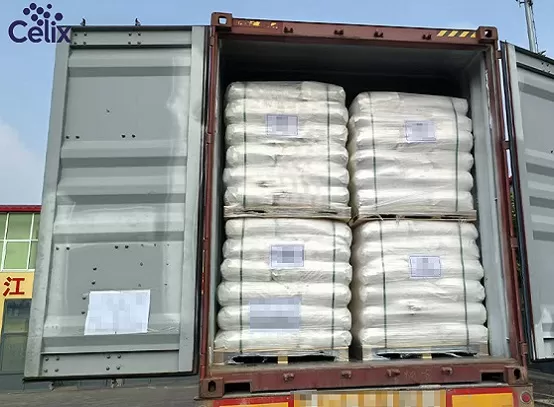

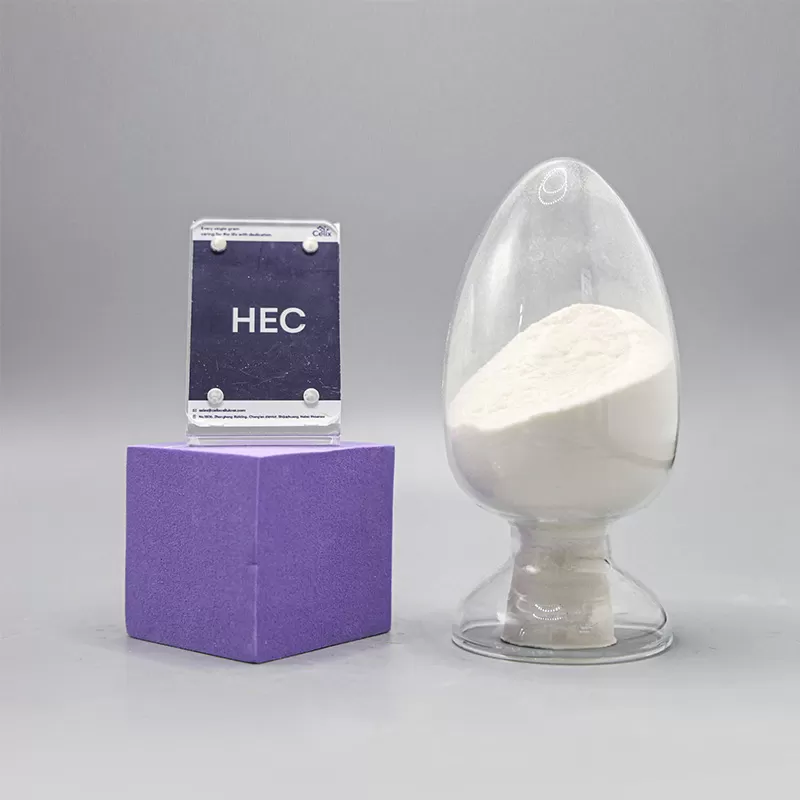

Celix Cellulose Co., Ltd, is an integrated chemical cellulose manufacturer with in-house R&D, factories, and global sales sites.
Our products include HPMC, HEC, MHEC, VAE RDP, PCE, PVA, Defoamers, PP fibers, HPS, SHP and Gypsum Retarder.


Celix Cellulose Co., Ltd, is an integrated chemical cellulose manufacturer with in-house R&D, factories, and global sales sites.
Our products include HPMC, HEC, MHEC, VAE RDP, PCE, PVA, Defoamers, PP fibers, HPS, SHP and Gypsum Retarder.
Quick Links
+8618330106777
info@celixcellulose.com