EN
 jp
 ko
 es
 ru
 pt
 th
 ar
 vi
 id
 kk
Construction
Build Better, Build Greener, with Celix HPMC

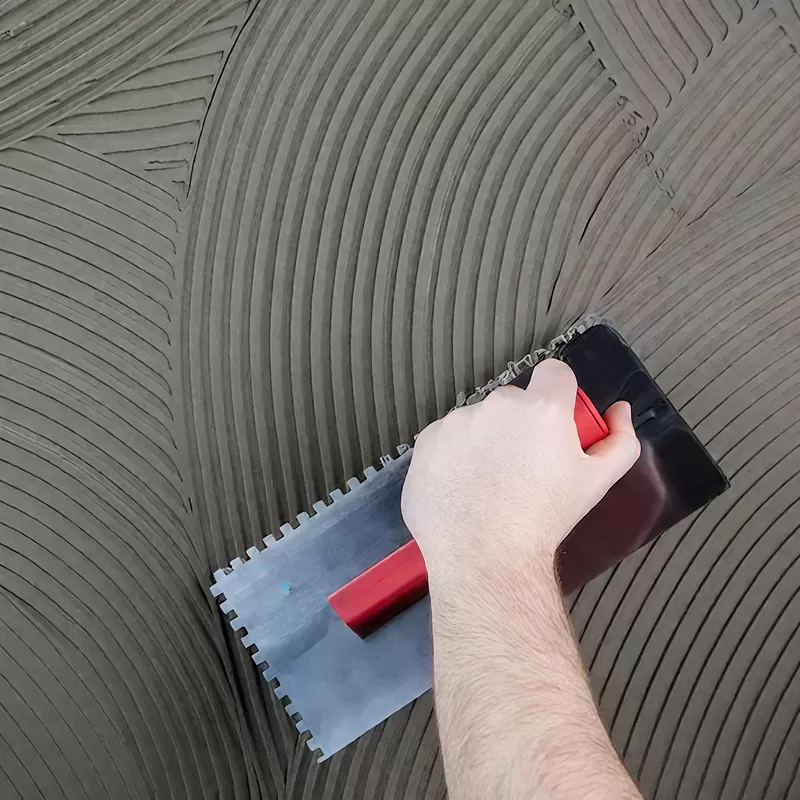
When formulating high-performance tile adhesive C2TE or flexible c2 flexible tile adhesivesystems for extreme climatic regions—such as the Middle East, North Africa, South Asia, and southern Europe—dry-mix chemists face a critical raw material selection choice: HPMC (Hydroxypropyl Methylcellulose) versus HEMC (Methyl Hydroxyethyl Cellulose).
Both non-ionic cellulose ether derivatives serve as the primary water retention engine and rheology modifier in modern cement-based mortars. However, their molecular structures, thermal gelation temperatures, and hydration dynamics differ significantly. In high-temperature jobsites (40℃ to 50℃), choosing the wrong ether can lead to premature thermal skinning, shortened tile adhesive open time, vertical tile slippage, and eventual bond failure.
This technical guide compares HPMC vs. HEMC, examining their thermal gel points, water retention efficiency, anti-slip mechanics, and scientific selection criteria for hot climates.
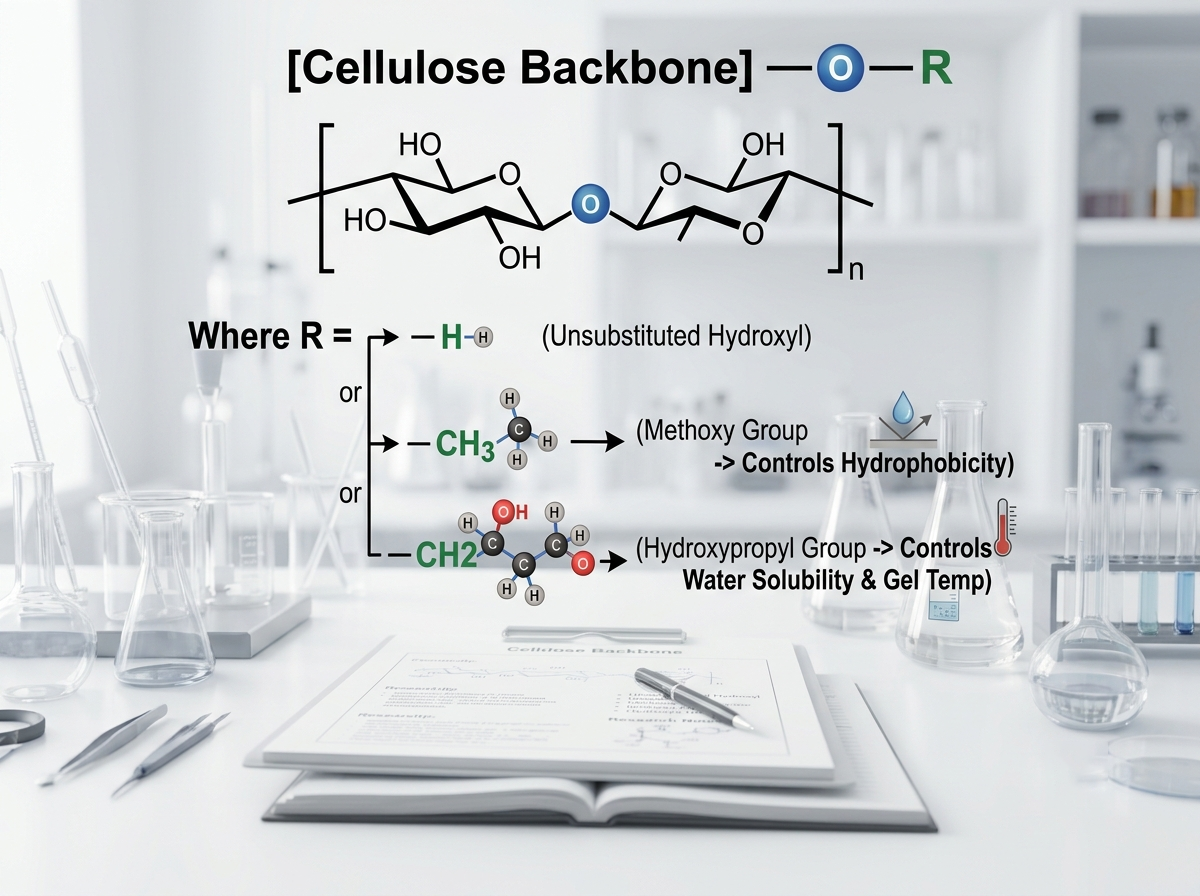
Both hydroxypropyl methylcellulose and methyl hydroxyethyl cellulose are produced by etherifying natural refined cotton or wood pulp with methyl chloride combined with either propylene oxide (for HPMC) or ethylene oxide (for HEMC).
When water-soluble cellulose ethers are heated in wet mortar, hydrogen bonds break down, causing the polymer chains to aggregate and form an insoluble gel network at a specific temperature known as the Thermal Gel Point.
l HEMC/MHEC Behavior: Standard methyl hydroxyethyl cellulose typically exhibits a slightly lower thermal gelation point (around 55℃-62℃). In hot desert environments where wet slurry temperatures inside black mixing buckets easily exceed 38℃, standard HEMC approaches its gel threshold rapidly, causing a sudden drop in water retention efficiency and surface skinning.
l HPMC Behavior: High-substitution HPMC polymer grades engineered with balanced methoxyl and hydroxypropyl ratios feature higher thermal gelation thresholds (65℃-75℃). This higher thermal window ensures that the polymer maintains its 3D hydration shell and water retention capacity even under scorching jobsite conditions.
Performance Parameter | HPMC (Hydroxypropyl Methylcellulose) | HEMC / MHEC (Methyl Hydroxyethyl Cellulose) | Technical Implication in Hot Climates |
Thermal Gel Point | Higher (65℃-75℃)
| Lower (55℃-62℃)
| HPMC resists thermal breakdown better in 40℃+ ambient heat.
|
Water Retention Rate (≥98%)
| Exceptional across broad temperature ranges | High,but drops faster above 40℃
| HPMC prevents premature moisture suction by dry substrates. |
Open Time ( E≥30 min) | Superior extended open time in C2TE formulas | Good under moderate climates; shorter in extreme heat | HPMC ensures compliant wet transfer area for large-format slabs. |
Vertical Slip Resistance (T≤0.05 mm)
| Outstanding thixotropic yield stress | Excellent initial tack and slip control | HEMC often provides slightly higher initial tack during immediate application. |
Trowel Workability & Drag | Smooth, butter-like spread | Slightly shorter feel, excellent slip | Both deliver pseudoplastic shear thinning when modified. |
In arid regions, concrete blocks and red clay bricks exhibit aggressive capillary suction. When combined with dry desert winds, standard mortars lose free water within minutes.
l HPMC excels by maintaining a stable hydration film that resists rapid evaporation, ensuring that cement binders undergo complete hydration.
l HEMC provides excellent water binding at normal temperatures (20℃-30℃), making it highly popular in European spring/autumn construction. However, in tropical Middle Eastern or South Asian summers, its lower gel point requires careful grade selection and co-formulation.
With vitrified porcelain tiles and large slabs (600×1200 mm) demanding c2 flexible tile adhesive formulations, maintaining a 30-minute open time is mandatory under ISO 13007 / EN 12004 standards.
High-substitution Modified HPMC for tile adhesive prevents skinning and ensures that the wet contact area remains above 95℃ even after prolonged exposure to dry wind.
C. Anti-Slip Performance (T Rating)
When fixing heavy tiles to vertical walls,mhec and hemc grades are frequently praised by applicators for their rapid initial tack and anti-slip stability. However, combining Celix Moodified HPMC with a minor dosage of Hydroxypropyl Starch Ether (HPS) achieves equal or superior vertical slip resistance (≤ 0.5 mm) while outperforming HEMC in heat aging retention.
Choose HPMC When:You are formulating for tropical, desert, or summer construction environments (>35℃), or manufacturing high-end C2TE/C2TES1 tile adhesives for large-format porcelain slabs where extended open time and thermal stability are critical.
Choose HEMC (MHEC) When: You are operating in moderate temperature zones, seeking rapid initial slip resistance on vertical wall ceramic tiles, or optimizing standard C1 tile adhesive formulations where cost-performance balance is prioritized.
To verify tile adhesive performance in your laboratory, align testing with international standards:
IOS 13007-1/EN 12004 Tile Adhesives Standards:Consult IOS13007 Specifications for C1/C2 tensile adhesion, open time (E), and slip (T) compliance.
EN 1346 Open Time Determination: Review European Standard EN 1346 Protocols for pull-off strength measurements after extended open-air exposure.
ASTM C1583 Tensile Bond Testing: Check ASTM International Test Standards for direct tension bond evaluations on concrete substrates.
EU REACH Chemical Compliance: Review ECHA REACH Directives ensuring chemical import safety and regulatory compliance across European markets.
Whether your dry-mix manufacturing plant requires high-thermal-stability HPMC for Middle Eastern desert projects or specialized HEMC for European standard tile adhesives, formulation success depends on consistent purity and tailored substitution profiles.
As an international cellulose ether factory and trusted hpmc manufacturer, Hebei Celix Cellulose Co., Ltd. (Celix) produces premium HPMC, HEMC, HEC, and redispersible polymer powders (VAE RDP) engineered specifically for global dry-mix exporters and regional mortar producers.
Build Better, Build Greener, with Celix HPMC

Clean Safer, Care Smarter, with Celix Cellulose Ether

Drill Deeper, Operate Safer, with Celix Cellulose Ether

Formulate Precisely, Deliver Safely, with Celix Cellulose Ether

Taste Better, Keep Fresher, with Celix Cellulose Ether

Shape Stronger, Fire Smarter, with Celix Cellulose Ether
Contact Us

Celix Cellulose Co., Ltd, is an integrated chemical cellulose manufacturer with in-house R&D, factories, and global sales sites.
Our products include HPMC, HEC, MHEC, VAE RDP, PCE, PVA, Defoamers, PP fibers, HPS, SHP and Gypsum Retarder.


Celix Cellulose Co., Ltd, is an integrated chemical cellulose manufacturer with in-house R&D, factories, and global sales sites.
Our products include HPMC, HEC, MHEC, VAE RDP, PCE, PVA, Defoamers, PP fibers, HPS, SHP and Gypsum Retarder.
Quick Links
+8618330106777
info@celixcellulose.com