EN
EN
 jp
jp  ko
ko  es
es  ru
ru  pt
pt  th
th  ar
ar  vi
vi  id
id  kk
kk 
Construction
Build Better, Build Greener, with Celix HPMC

In modern dry-mix construction technology, thin-set mortars (such as tile adhesives C2TE, skim coats, and EIFS/ETICS base coats) are applied in ultra-thin layers ranging from 2mm to 5mm. Unlike traditional thick-bed masonry mortars that rely on bulk mass and mechanical keying, thin-set systems face severe mechanical challenges: accelerated water loss into dry substrates, rapid drying from ambient air, high shear stress from differential thermal expansion, and near-zero water absorption from vitrified porcelain tiles.
While cellulose ethers like hydroxypropyl methylcellulose (HPMC) control water retention and rheology, they cannot inherently provide flexural elasticity or high tensile bond strength.
This is where Vinyl Acetate-Ethylene Redispersible Polymer Powder (VAE RDP) plays a critical role. For dry-mix R&D chemists and formulation engineers, understanding the precise chemical and physical modification mechanics of VAE RDP is key to engineering high-performance thin-set mortars that pass rigorous ISO 13007 / EN 12004 standards.
When dry-mix mortar is mixed with water on-site, VAE polymer particles instantly redisperse into individual primary emulsion droplets (0.5-5μm) within the aqueous phase. As hydraulic hydration proceeds, two interpenetrating networks form simultaneously:
1. Hydraulic Phase: Cement particles react with water, forming needle-like Calcium Silicate Hydrate (C-S-H) crystals that establish the rigid inorganic framework.
2. Coalescence Phase: As capillary water is absorbed by the substrate and evaporates into the air, the redispersed polymer spheres are forced into the capillary pores and microscopic voids between cement hydrates.
3. Film Formation Phase: When ambient moisture drops, the individual polymer spheres coalesce and deform under capillary pressure, fusing into a continuous, flexible 3D polymer film web that interweaves through the inorganic cement matrix.
Porous substrates and non-porous vitrified tiles present completely different interface challenges.
l On porous concrete, polymer chains penetrate deep into substrate pores, forming mechanical anchors.
l On impermeable porcelain slabs (<0.5% water absorption), inorganic cement hydration cannot interlock. The polar functional groups (-COOCH3) of the VAE copolymer establish strong dipole-dipole interactions and hydrogen bonds with the tile backing, replacing pure mechanical anchoring with high chemical adhesion.
Unmodified cement mortar is extremely brittle—it exhibits high compressive strength but very low flexural tensile strength (high compressive/flexural ratio, often >0.8).
When thermal stress, freeze-thaw cycles, or structural deflection occur, rigid mortar cracks and debonds. Incorporating VAE RDP lowers the elastic modulus (E-modulus) of the mortar, lowering the compressive-to-flexural ratio down to 3.0-5.0. This allows thin-set mortars to absorb energy and deform elastically without fracture (achieving S1/S2 transeverse deformation ratings under EN 12004).
Under mechanical shear or vibration, micro-cracks form within the brittle C-S-H matrix. The flexible VAE polymer films act as microscopic "elastic bridges" across these micro-fissures. As stress increases, the polymer fibrils stretch, dissipating fracture energy and preventing crack propagation through the thin-set layer.
To illustrate the relationship between VAE RDP content and thin-set mortar properties, the application laboratory at Hebei Celix Cellulose Co., Ltd. (Celix) evaluated a standard tile adhesive matrix with varying polymer powder dosages:
Performance Property | Unmodified Base Mortar (0% RDP) | C1 Standard Grade (1.5% RDP) | C2TE Premium Grade (3.0% RDP) | C2TES1 Flexible Grade (5.0% RDP) |
Initial Tensile Adhesion (EN 1348) | 0.35N/mm2(Fail) | 0.65N/mm2(Pass C1) | 1.35N/mm2(Pass C2) | 1.80N/mm2(Pass C2) |
Heat Aging Adhesion (70℃) | 0.20N/mm2 | 0.55N/mm2 | 1.10N/mm2 | 1.45N/mm2 |
Transverse Deformation (EN 12002) | <1.0mm | 1.2mm | 2.1mm | 3.8mm(Pass S1) |
Water Absorption (24h immersion) | 12.5% | 8.2% | 5.4% | 3.1% |
Key Formulation Lnsight:While cellulose ether (HPMC)is essential for retaining water and extending open time, increasing HPMC dosage beyond 0.4% does not improve bond strength. Reaching C2TE and S1 performance thresholds requires increasing VAE RDP content to build a dense continuous polymer film network.
A common pitfall in dry-mix R&D is treating additives in isolation. Optimal thin-set mortar performance relies on a tight synergy between cellulose ether and redispersible polymer powder:
l Excessive HPMC / Low RDP: High water retention but air-entraining and brittle; mortar exhibits poor pull-off strength and high surface stickiness.
l Low HPMC / High RDP: Mortar dries out prematurely on porous substrates before the polymer powder can fully redisperse and form a film.
l The Celix Balanced Ration: Combine Celix Modified HPMC (0.30%-0.40%)with Celix VAE RDP(2.0%-4.5%) to achieve effortless troweling,30-minute open time under heat, and pull-off adhesion exceeding 1.5N/mm2.
When verifying dry-mix formulations for commercial projects, align laboratory testing with these international frameworks:
1. ISO 13007-1 / EN 12004 Tile Adhesives Classification: Consult official ISO Standard Directives for tensile bond, open time, and transverse deformation (S1/S2) test methods.
2. EN 12002 Transverse Deformation Testing: Review European Standards Repository for evaluating flexibility in cementitious mortars.
3. ASTM C1583 Tensile Bond Evaluation: Check ASTM International Protocols for direct tension pull-off strength on concrete substrates.
4. EU REACH Chemical Safety Directives: Review ECHA REACH Regulations regarding chemical safety and import compliance across European markets.
Empower Your R&D Formulations with Celix Polymer Additives
Engineering durable, flexible, high-adhesion thin-set mortars requires high-purity chemical additives with verified particle size distribution, low ash content, and superior redispersibility.
As a primary chemical producer,Hebei Celix Cellulose Co.,Ltd(Celix) manufactures advanced VAE Redispersible Polymer Powders (RDP),HPMC, MHEX, and HEC engineered specifically for global dry-mix producers. By controlling monomer ratios and glass transition temperatures (Tg), Celix polymer powders deliver exceptional bond security, impact resistance, and weatherability across demanding architectural applications.
Build Better, Build Greener, with Celix HPMC

Clean Safer, Care Smarter, with Celix Cellulose Ether

Drill Deeper, Operate Safer, with Celix Cellulose Ether

Formulate Precisely, Deliver Safely, with Celix Cellulose Ether

Taste Better, Keep Fresher, with Celix Cellulose Ether

Shape Stronger, Fire Smarter, with Celix Cellulose Ether
Contact Us
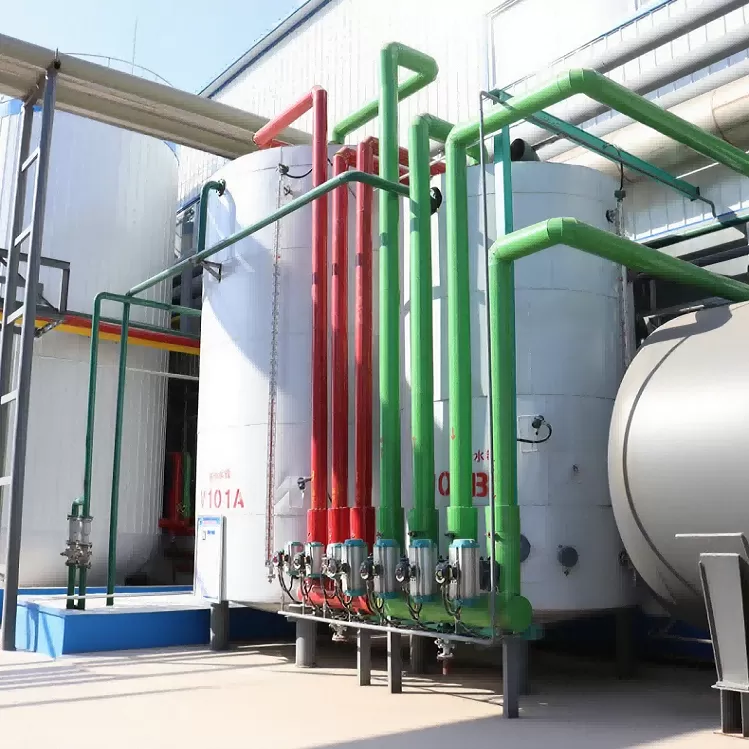
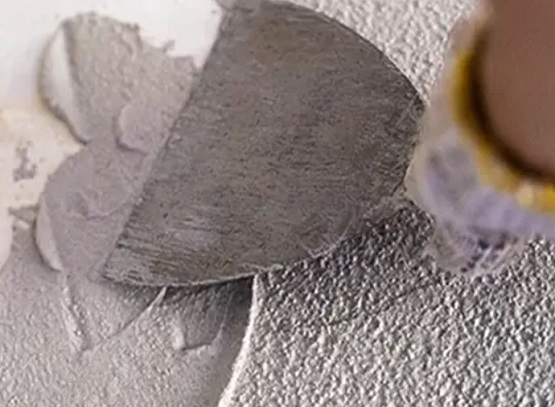
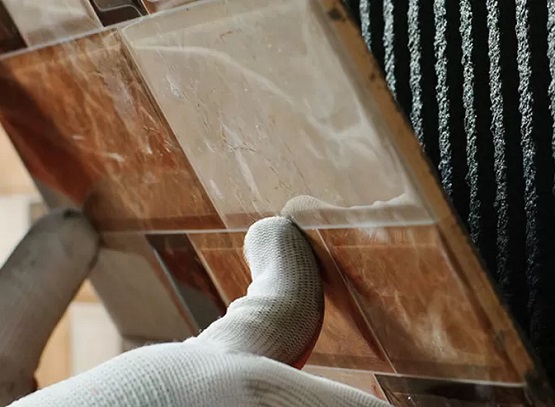

Celix Cellulose Co., Ltd, is an integrated chemical cellulose manufacturer with in-house R&D, factories, and global sales sites.
Our products include HPMC, HEC, MHEC, VAE RDP, PCE, PVA, Defoamers, PP fibers, HPS, SHP and Gypsum Retarder.


Celix Cellulose Co., Ltd, is an integrated chemical cellulose manufacturer with in-house R&D, factories, and global sales sites.
Our products include HPMC, HEC, MHEC, VAE RDP, PCE, PVA, Defoamers, PP fibers, HPS, SHP and Gypsum Retarder.
Quick Links
+8618330106777
info@celixcellulose.com