EN
EN
 jp
jp  ko
ko  es
es  ru
ru  pt
pt  th
th  ar
ar  vi
vi  id
id  kk
kk 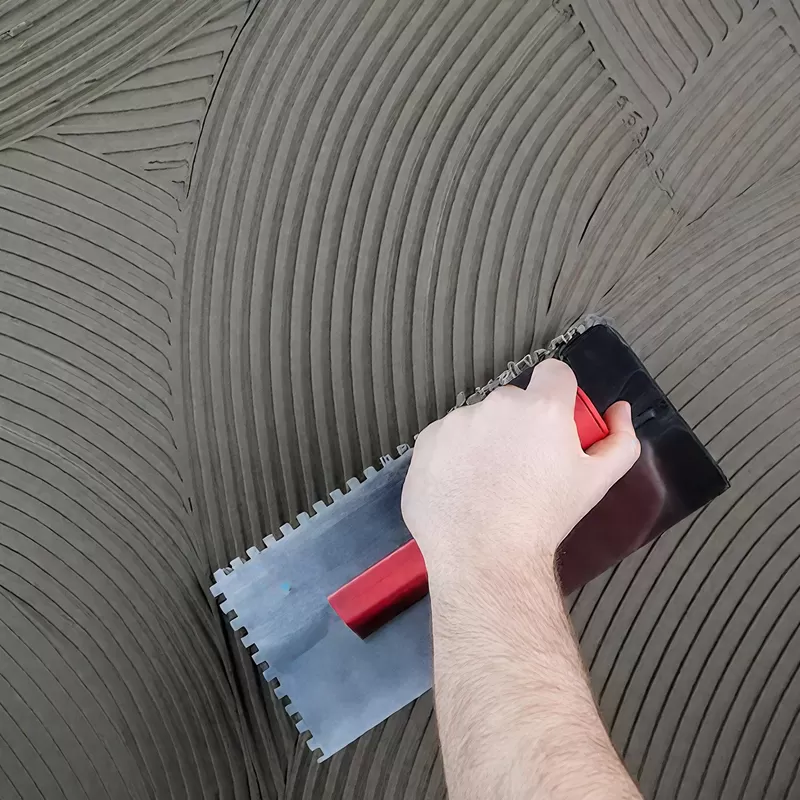
Construction
Build Better, Build Greener, with Celix HPMC

Wet adhesion is one of the most critical performance indicators for cement-based tile adhesives, especially in kitchens, bathrooms, swimming pools, and other high-moisture environments. Poor wet adhesion can lead to tile debonding, costly repairs, and reduced service life.
Improving wet adhesion requires more than increasing cement content. It depends on a balanced formulation that combines quality raw materials, appropriate polymer modification, and the correct cellulose ether. This guide explains the key factors affecting wet adhesion and how manufacturers can optimize formulations using hpmc for tile adhesive to achieve consistent performance.
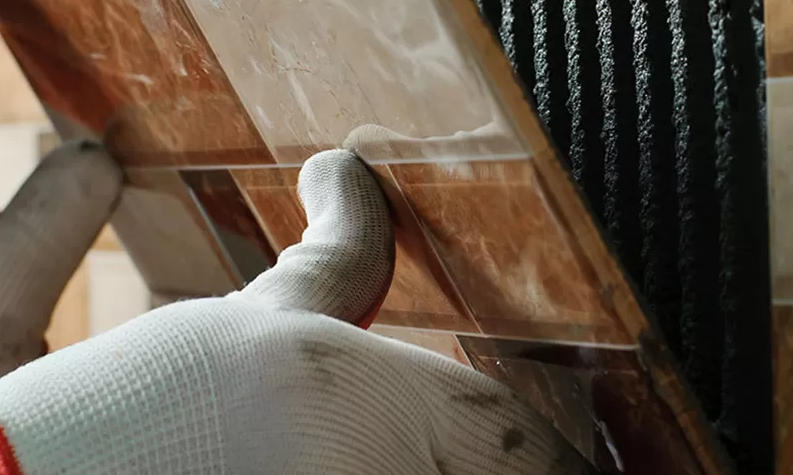
Wet adhesion refers to the bonding strength of a tile adhesive after exposure to water. International standards such as EN 12004 require cement-based tile adhesives to maintain adequate adhesion after water immersion to ensure long-term durability.
When wet adhesion is insufficient, moisture can weaken the bond between the tile and substrate, resulting in hollow tiles, cracking, or complete failure. High-performance hpmc for tile adhesive helps improve water retention and hydration, allowing the cement matrix to develop stronger bonding even under wet conditions.
Several formulation variables influence wet adhesion performance.
Factor | Effect on Wet Adhesion |
Cellulose ether grade | Improves water retention and workability |
Redispersible polymer powder (RDP) | Enhances flexibility and bonding |
Cement quality | Determines hydration and strength |
Sand grading | Affects mortar structure |
Water ratio | Influences curing and adhesion |
The best results come from optimizing the complete formulation rather than adjusting a single ingredient.
Choosing the correct HPMC is one of the most effective ways to improve wet adhesion.
A suitable HPMC grade provides balanced water retention, open time, and workability while preventing excessive water loss during cement hydration. However, selecting the highest viscosity grade is not always the best solution. Excessive viscosity may reduce spreadability and construction efficiency.
For premium hpmc for tile adhesive formulations, manufacturers should evaluate viscosity, dissolution rate, and compatibility with other additives instead of relying on a single specification.
Redispersible Polymer Powder (RDP) significantly enhances wet adhesion by forming a flexible polymer film throughout the hardened mortar.
The combination of HPMC and RDP creates a stronger bond between the cement matrix and the tile surface while improving crack resistance and deformation performance.
Proper polymer dosage is especially important for porcelain tiles and large-format tiles, which require higher bonding strength than traditional ceramic tiles.
Wet adhesion depends on the interaction of all raw materials rather than cellulose ether alone.
Manufacturers should carefully optimize:
Cement type and dosage
Aggregate grading
Water-to-powder ratio
HPMC dosage
Polymer content
Mixing procedure
Regular laboratory testing under standardized curing conditions helps identify the best formulation before large-scale production.
For products such as hpmc for cement mortar, similar optimization principles also apply because water retention and hydration directly influence bonding performance.
Consistent raw material quality is essential for maintaining stable wet adhesion across production batches.
An experienced cellulose ether manufacturer should provide consistent viscosity, controlled moisture content, technical support, and application recommendations for different mortar systems.
Celix supplies high-quality cellulose ether solutions for tile adhesives, cement mortar, gypsum products, and other dry mix building materials. With stable production processes and professional technical support, Celix helps customers optimize formulations and achieve reliable wet adhesion performance in demanding construction applications.
Wet adhesion measures the bonding strength of a tile adhesive after exposure to water or immersion conditions.
HPMC improves water retention, allowing cement hydration to continue and creating a stronger bond between the adhesive and substrate.
No. Excessively high viscosity may reduce workability. The appropriate grade should match the formulation requirements.
RDP forms a flexible polymer film that increases bonding strength and water resistance after curing.
Yes. Temperature, humidity, and curing time all influence cement hydration and final bonding performance.
By optimizing the complete formulation, selecting high-quality additives, and working with a reliable cellulose ether manufacturer.
Improving wet adhesion in cement-based tile adhesives requires a balanced approach rather than increasing a single additive. Selecting the right hpmc for tile adhesive, combining it with suitable polymer modification, and optimizing the complete mortar formulation can significantly enhance long-term bonding performance. With consistent raw materials, laboratory validation, and technical support from an experienced cellulose ether manufacturer like Celix, manufacturers can produce tile adhesives that meet demanding industry standards and deliver reliable performance in wet environments.
Build Better, Build Greener, with Celix HPMC
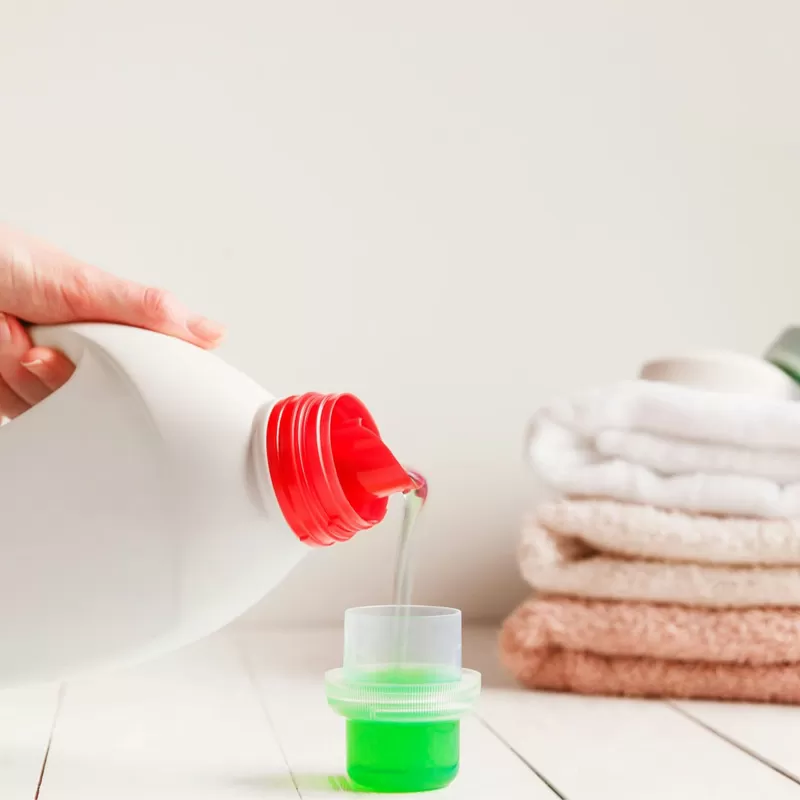
Clean Safer, Care Smarter, with Celix Cellulose Ether

Drill Deeper, Operate Safer, with Celix Cellulose Ether

Formulate Precisely, Deliver Safely, with Celix Cellulose Ether

Taste Better, Keep Fresher, with Celix Cellulose Ether

Shape Stronger, Fire Smarter, with Celix Cellulose Ether
Contact Us
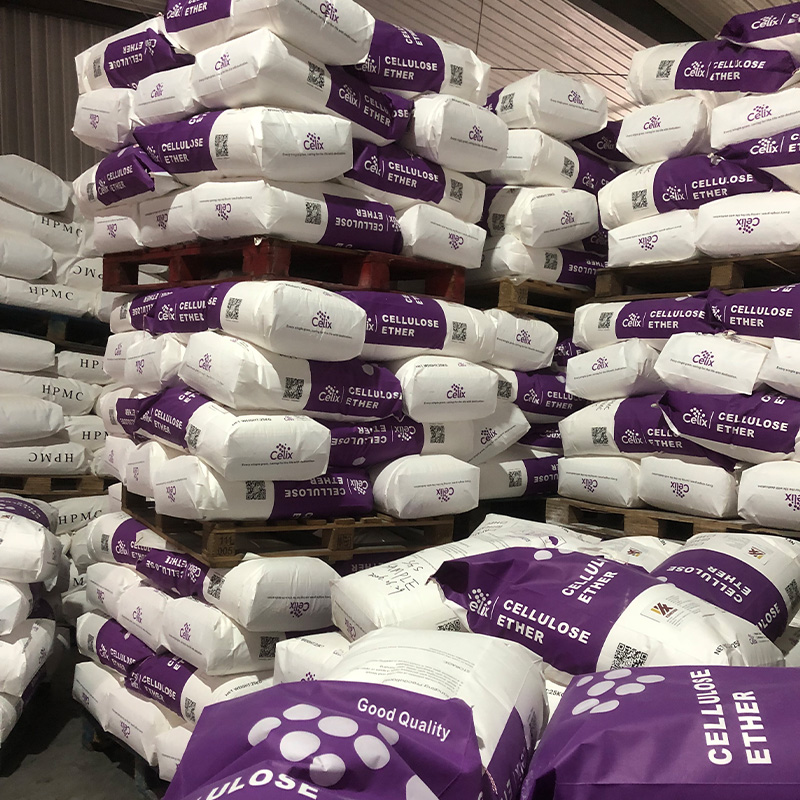

Celix Cellulose Co., Ltd, is an integrated chemical cellulose manufacturer with in-house R&D, factories, and global sales sites.
Our products include HPMC, HEC, MHEC, VAE RDP, PCE, PVA, Defoamers, PP fibers, HPS, SHP and Gypsum Retarder.


Celix Cellulose Co., Ltd, is an integrated chemical cellulose manufacturer with in-house R&D, factories, and global sales sites.
Our products include HPMC, HEC, MHEC, VAE RDP, PCE, PVA, Defoamers, PP fibers, HPS, SHP and Gypsum Retarder.
Quick Links
+8618330106777
info@celixcellulose.com