EN
EN
 jp
jp  ko
ko  es
es  ru
ru  pt
pt  th
th  ar
ar  vi
vi  id
id  kk
kk 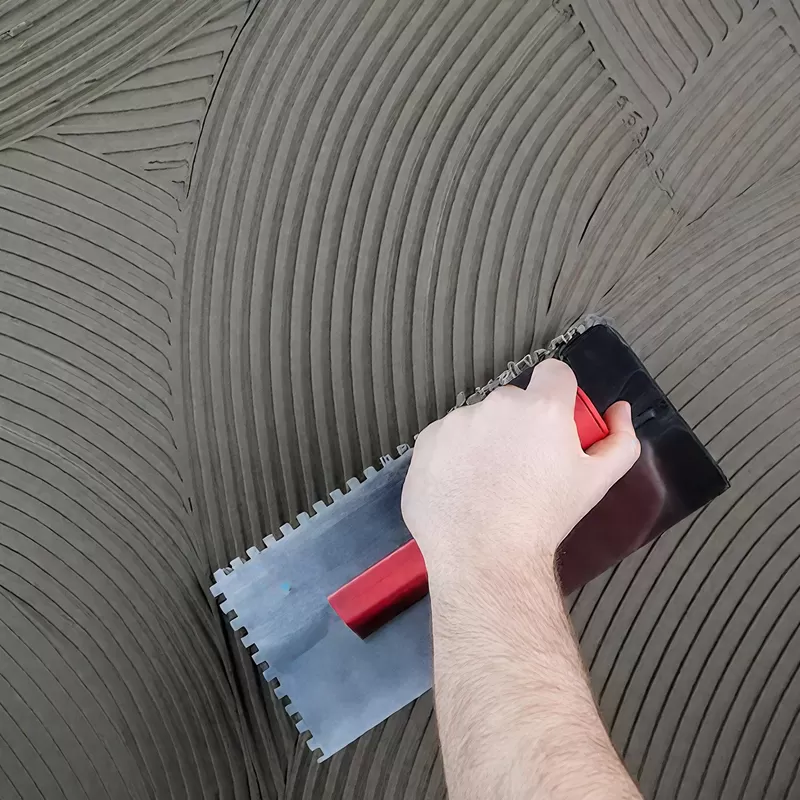
Construction
Build Better, Build Greener, with Celix HPMC

In the modern dry-mix mortar and construction chemical industries, Hydroxypropyl Methyl Cellulose (HPMC) is recognized as the ultimate multi-functional additive. Without it, thin-set tile adhesives would skin over in minutes, self-leveling floors would segregate, and wall putties would crack before curing.
For formulators, chemical engineers, and technical procurement professionals, understanding HPMC goes beyond knowing it as a "thickener." It requires a deep dive into its molecular structure, synthesis chemistry, and the exact physical mechanisms it performs within cementitious and gypsum-based systems.
Here is the definitive technical guide to HPMC, engineered by Celix.
HPMC is a non-ionic, water-soluble cellulose ether derived from natural polymer linters . The secret to its multi-functional performance lies in its chemical modification.
Through a controlled chemical process, the natural, highly crystalline structure of cellulose is etherified:

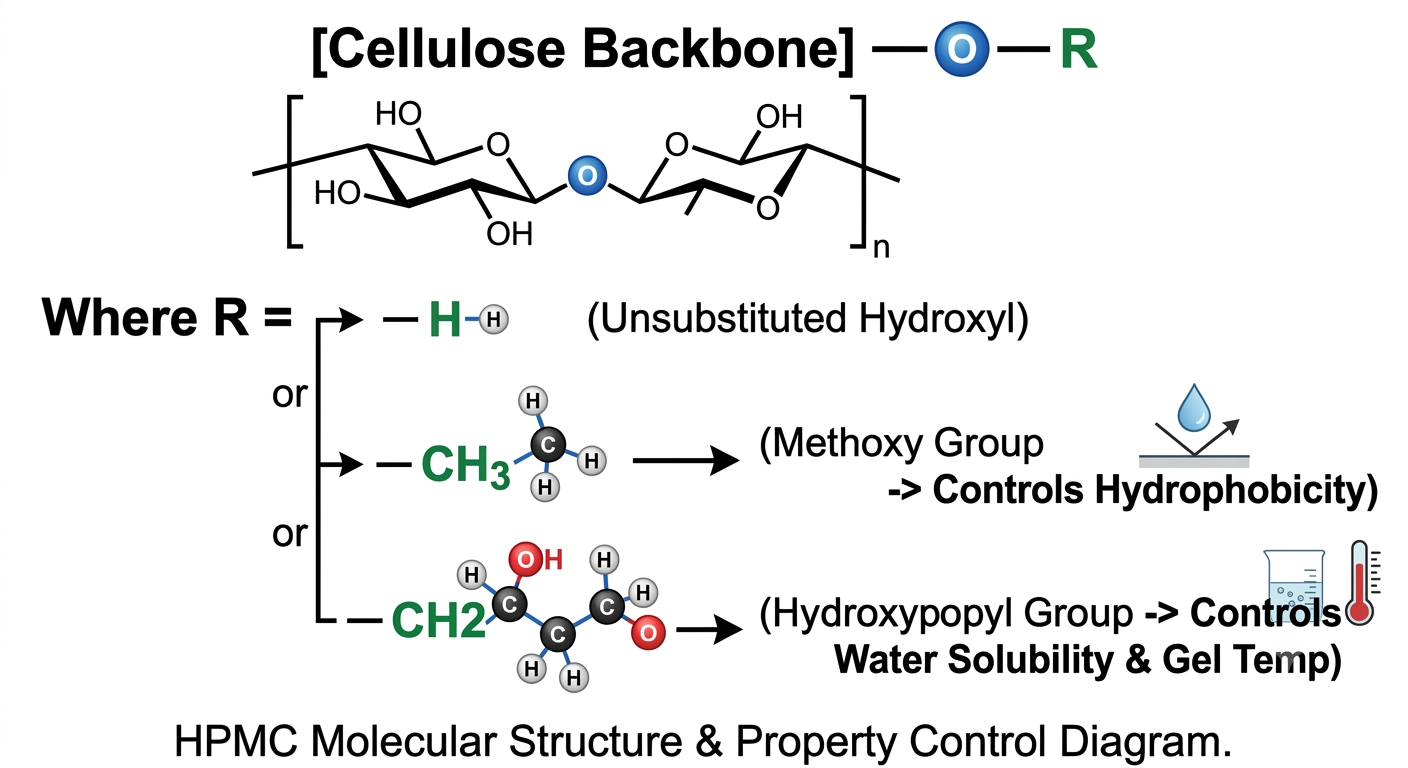
The Balance of Substitution: Methoxy vs. Hydroxypropyl
Two critical parameters define the grade and performance of any HPMC product:
l Methoxy Substitution Degree (DS): Controls the hydrophobicity and wetting speed of the polymer.
l Hydroxypropyl Molar Substitution (MS): Dictates the water solubility and alters the thermal gelation temperature.
By adjusting the ratio of these two functional groups, Celix engineers custom HPMC grades with exact viscosity profiles (ranging from 400 to over 200,000 mPa·s) tailored for diverse structural applications.
The manufacturing of premium-grade HPMC requires extreme chemical precision and strict contamination control across a multi-stage process.
Natural cellulose fibers are treated with a concentrated Sodium Hydroxide (NaOH) solution under precise temperatures to destroy the native crystalline hydrogen bonds, transforming it into highly reactive alkali cellulose.
The alkali cellulose is fed into closed, pressurized reactors. Methyl Chloride (CH3Cl) and Propylene Oxide (C3H6O) are injected simultaneously to perform the etherification substitution.
Because HPMC exhibits thermal gelation properties (it is insoluble in hot water above its gelation point), the raw polymer is thoroughly washed with boiling water to strip out byproduct salts, neutralizing the batch without dissolving the product.
The purified cake is dried, milled into a fine mesh powder, and can undergo a temporary glyoxal surface treatment to delay hydration, ensuring lump-free dispersion when dissolved by the end-user.
HPMC does not simply "thicken" water; it modifies the entire microscopic water-transport and rheological profile of the dry-mix matrix.
Ceramic Tile Adhesives (CTA): Extending Open Time & Preventing Sag
l The Mechanism: When water is introduced to dry-mix tile adhesive, HPMC polymers rapidly dissolve and form a dense, intertwined overlapping web. This web seals the capillary pores of the mortar, severely retarding the evaporation rate of water into the atmosphere and its absorption into highly porous ceramic tiles.
l The Result: It dramatically extends the open time (the window where a tile can be laid and adjusted) and guarantees complete cement hydration, ensuring high tensile adhesion strength. Simultaneously, its pseudoplastic behavior provides excellent sag resistance, allowing heavy large-format tiles to remain perfectly positioned vertically without slipping.
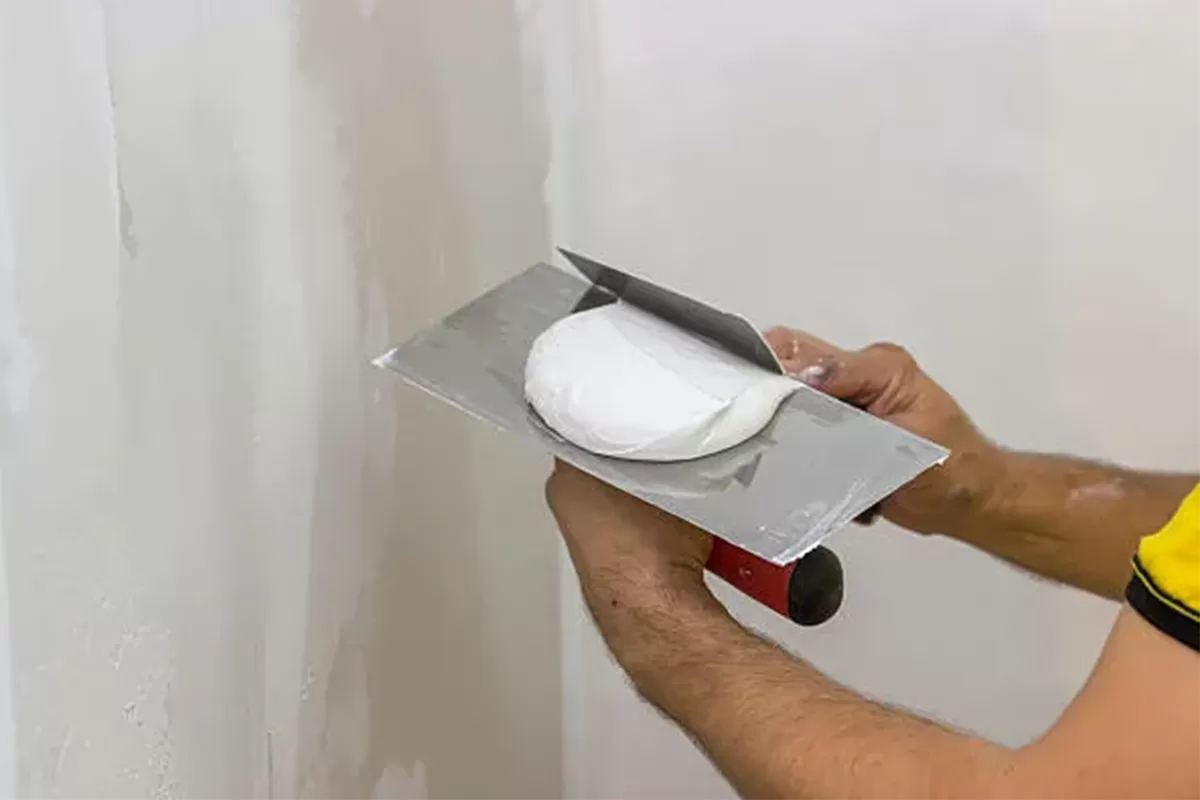
For thin-layer applications like wall putties, water loss happens almost instantly due to the high surface area.
l The Mechanism: HPMC offers specialized viscosity building and lubrication properties. It decreases the internal friction between mineral aggregates, giving the applicator a creamy, low-resistance troweling experience.
l The Result: The high water-retention capability keeps the thin layer wet long enough for the cement or calcium-based binder to cross-link properly. This prevents surface powdering, cracking, and shrinkage defects.
Gypsum (Calcium Sulfate) hydrates far more rapidly and aggressively than Portland cement, demanding a completely different chemical setting curve.
l The Mechanism: HPMC delays the initial hydration kinetics of gypsum crystals by adsorbing onto the growth faces of hemihydrate particles.
l The Result: It yields a perfectly controlled working time, ensures the plaster maintains excellent volume stability, and prevents water from draining away before the gypsum can form a continuous, high-strength dihydrate crystal matrix.
| Application Field | Primary HPMC Mechanism Required | Recommended Viscosity Range (2% Sol, mPa·s) |
| Tile Adhesives (C1/C2) | Open Time Extension & Anti-Sagging | 125,000 – 200,000 (Modified) |
| Wall Putty / Skim Coat | High Water Retention & Smooth Troweling | 85,000 – 115,000 |
| Gypsum Plaster / Render | Hydration Retardation & Sag Resistance | 45,000 – 200,000 |
| Self-Leveling Compounds | Anti-Segregation & Fluidity Retention | 350 – 4,000 (Low Viscosity) |
At Celix, we manage chemical consistency at the molecular scale. Operating an advanced automated manufacturing grid with an annual capacity of 30,000 tons, our team of 187 specialized R&D, production, and QC professionals guarantees that every batch delivers uniform viscosity, substitution ratios, and thermal performance.
We bridge the gap between rigorous chemical engineering and optimal jobsite performance.
Contact the Celix Technical Lab Today to request certified Technical Data Sheets (TDS), complete chemical Safety Data Sheets (SDS), or to secure custom-tailored free lab samples for your specific aggregate configuration.
Build Better, Build Greener, with Celix HPMC

Clean Safer, Care Smarter, with Celix Cellulose Ether

Drill Deeper, Operate Safer, with Celix Cellulose Ether

Formulate Precisely, Deliver Safely, with Celix Cellulose Ether

Taste Better, Keep Fresher, with Celix Cellulose Ether

Shape Stronger, Fire Smarter, with Celix Cellulose Ether
Contact Us
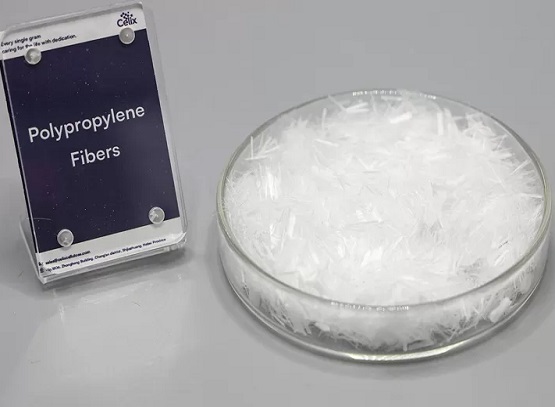
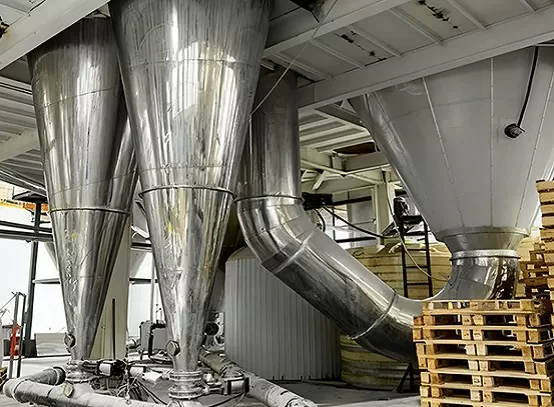
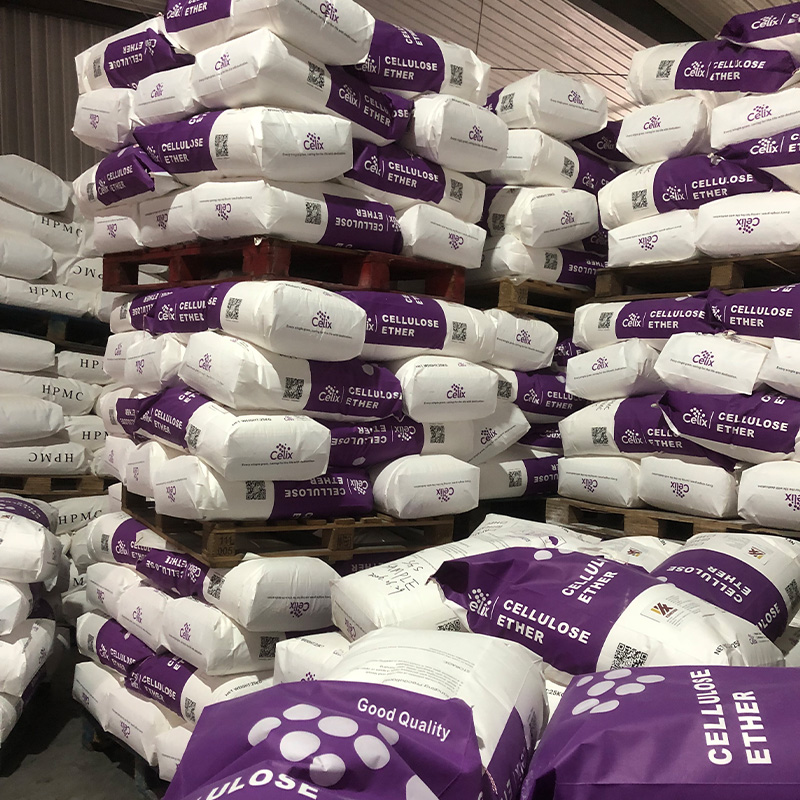

Celix Cellulose Co., Ltd, is an integrated chemical cellulose manufacturer with in-house R&D, factories, and global sales sites.
Our products include HPMC, HEC, MHEC, VAE RDP, PCE, PVA, Defoamers, PP fibers, HPS, SHP and Gypsum Retarder.


Celix Cellulose Co., Ltd, is an integrated chemical cellulose manufacturer with in-house R&D, factories, and global sales sites.
Our products include HPMC, HEC, MHEC, VAE RDP, PCE, PVA, Defoamers, PP fibers, HPS, SHP and Gypsum Retarder.
Quick Links
+8618330106777
info@celixcellulose.com