EN
 jp
 ko
 es
 ru
 pt
 th
 ar
 vi
 id
 kk
Construction
Build Better, Build Greener, with Celix HPMC

For construction chemical importers, building material distributors, and dry-mix mortar manufacturers across Africa and Latin America—including major ports of entry in Nigeria (Lagos/Apapa), Kenya (Mombasa), and Peru (Callao)—opening a shipping container after a 35-to-50-day ocean voyage only to find hardened, caked bags of Hydroxypropyl Methylcellulose (HPMC) is an operational nightmare.
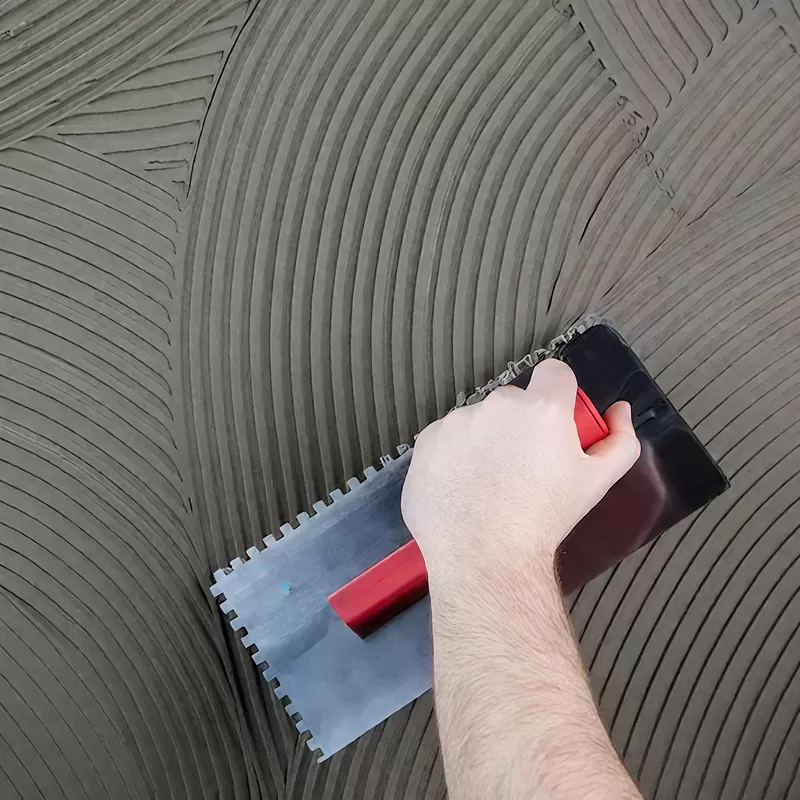
Transoceanic freight routes connecting Asian chemical hubs to West Africa, East Africa, and the Pacific coast of South America traverse equatorial tropical zones where ambient relative humidity stays above 85% and internal container temperatures swing wildly between 25℃ at night and 65℃ under direct tropical sun. When moisture compromises your construction grade HPMC, the consequences are immediate: clogged pneumatic conveying lines, un-dissolved "fish eye" lumps in tile adhesive C2TE and white cement wall putty, plummeting mortar water retention (≥98%),and costly insurance disputes.
As an experienced international cellulose ether factory and direct HPMC manufacturer, Hebei Celix Cellulose Co., Ltd. (Celix) has shipped thousands of metric tons of HPMC, HEMC (MHEC), HEC, and VAE Redispersible Polymer Powder (RDP) to equatorial ports worldwide. This practical engineering and procurement guide explains the equilibrium moisture physics behind HPMC caking, shows importers how to distinguish harmless pressure compaction from true moisture spoilage, and establishes actionable port-to-warehouse handling standards.
Hydroxypropyl Methylcellulose (HPMC) is a non-ionic, water-soluble cellulose ether synthesized from refined cotton pulp. Its polymer backbone carries abundant hydrophilic hydroxyl (-OH) and hydroxypropyl (-OCH2CH(OH)CH3) functional groups—the exact chemical structures responsible for its exceptional performance as a water retention agent, thickening agent, and rheology modifier in dry-mix mortars.
However, those same water-loving groups make raw hpmc cellulose powder naturally hygroscopic. Every cellulose ether seeks a thermodynamic balance with the surrounding air known as Equilibrium Moisture Content (EMC):
The 5% Moisture Threshold: High-purity construction grade HPMC leaves the factory with a tightly controlled moisture content of ≤5% .When exposed to humid marine air (>75% RH) inside poorly sealed bags, the powder rapidly absorbs water vapor to reach its new EMC.
Liquid Bridge Sintering: Once moisture content exceeds 7.0%-8.0% microscopic films of liquid water form on the surfaces of individual polymer particles. Under the weight of upper pallet tiers and vessel vibration, these wet surfaces fuse together into solid, rock-hard cakes that cannot be broken by hand.
Thermal Gelation & Viscosity Drift: Prolonged exposure to high heat (>60℃) combined with elevated moisture causes partial surface hydration and chain entanglement, permanently degrading the active Brookfield viscosity (75,000-200,000 mPa.s) and ruining tile adhesive open time.
Before filing a cargo claim or rejecting a batch at your warehouse in Lagos, Mombasa, or Lima, your quality control team must distinguish between reversible mechanical compaction (normal in sea freight) and irreversible moisture spoilage.
Diagnostic Parameter | Normal Pressure Compaction ("Soft Lumping") | True Moisture Degradation ("Hard Caking") |
Physical Texture | Soft, pillow-like blocks formed by pallet stacking weight during transit. | Hard, crusty, stone-like lumps or solid slabs along bag edges/seams. |
Hand Crush Test | Crumbles effortlessly back into free-flowing powder with light finger pressure. | Resists finger pressure; requires mechanical force or a hammer to break. |
Color & Appearance | Uniform off-white to bright white color; no yellowing or dark spots. | Localized yellowing, translucency, or brownish gelled crust near outer layers. |
Moisture Content (Lab) | Remains ≤5.5% (measured at 105℃ for 2 hours). | Exceeds 7.5%-12.0% |
Dissolution & Viscosity | Disperses cleanly in water; retains ≥95% of stated Brookfield viscosity. | Forms insoluble "fish eye" gel lumps; severe drop in viscosity and water retention. |
Usability Verdict | 100% Safe to Use: Fluff bags or pass through standard dry-mix screening. | Compromised Quality: Quarantine affected bags; do not feed into automated lines. |
To protect your capital and establish clear documentation in case of transit damage, enforce this 4-step inspection checklist immediately when breaking the container seal:
Seal & Roof Check: Photograph container seal before cutting. Inspect inside ceiling and walls for water stains, rust streaks, or condensation droplets.
Desiccant Audit: Check hanging container desiccant bags-swollen, gel-filledbags confirm high ambient moisture during the ocean crossing.
Pallet Wrap Integrity: Verify that 360-degree stretch film and top-cap waterproof sheets remain intact without forklift punctures
Core Moisture Sampling: Extract 200g samples from outer corner bags and center pallet bags to test moisture content and Brookfield viscosity.
Many importers experience caking because low-cost traders ship hpmc china in single-wall woven bags with basic tied plastic liners that breathe during temperature swings. At Hebei Celix Cellulose Co., Ltd. (Celix), every export order for Africa and Latin America is protected by our Triple-Layer Equatorial Defense System:
Heat-Sealed High-Density PE Inner Liner: Every 25kg sack features a thick, food-grade polyethylene inner liner sealed via industrial thermal heat-sealing—creating an airtight vapor barrier that locks factory moisture below 5.0%.
3-in-1 Multi-Wall Kraft Paper & PP Composite Outer Bag: High-tensile imported kraft paper laminated with woven polypropylene resists tearing, moisture wicking, and rough port handling.
Full-Pallet Stretch-Wrapped Hooding + Container Desiccants: Pallets are topped with waterproof PE sheets, wrapped 360°in heavy-duty stretch film, and loaded into pre-inspected containers equipped with wall liners and high-capacity calcium chloride desiccant poles.
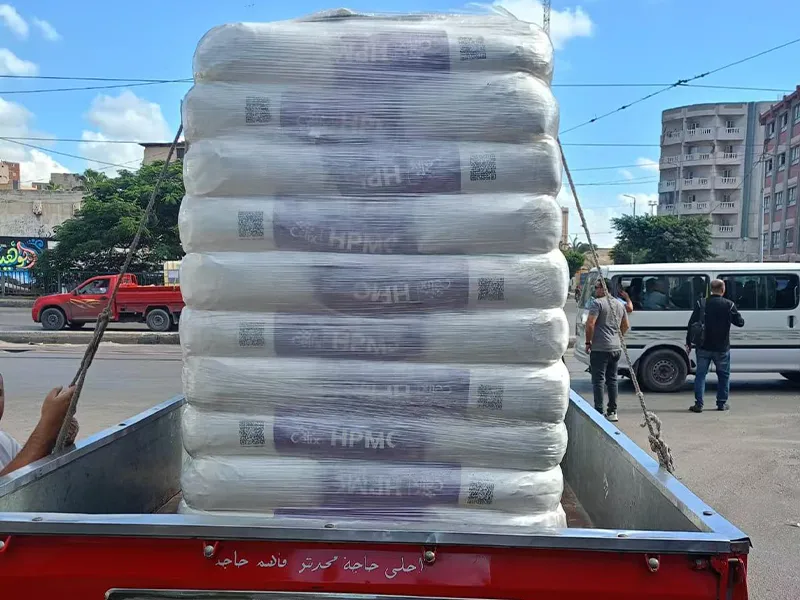
Even the best export packaging cannot protect cellulose ether if warehouse conditions at the destination port are neglected—especially during rainy seasons in West/East Africa or coastal winter fog (garúa) in Peru.
Maintain Low Humidity (<65% RH) : Store HPMC in an enclosed, dry, well-ventilated warehouse away from open loading doors and coastal sea spray. Keep temperatures between 5℃ and 30℃.
Never Stack Directly on Concrete: Always keep bags on wooden or plastic pallets elevated at least 15cm off the floor and 30cm away from exterior walls to prevent ground moisture migration.
Limit Stacking Height: Do not stack pallets more than 2 tiers high in long-term storage to minimize bottom-bag pressure compaction.
Strict FIFO Rotation: Follow First-In, First-Out inventory management to ensure every batch is utilized well within its 24-month shelf life.
Cut-and-Dump Immediately: Instruct mortar batching operators to cut open the heat-sealed inner PE liner only right before discharging into the mixer.
Airtight Resealing for Partial Bags: If a 25kg bag is only partially used during a shift, expel excess air, fold the PE inner liner down at least three times, and secure it tightly with a heavy-duty bag clip or industrial tape before placing the outer kraft flap over it.
To maintain strict quality assurance across international dry-mix supply chains, align incoming batch inspections with global standards:
ISO 9001:2015 Quality Management & COA Verification: Ensure every shipment includes a batch-specific Certificate of Analysis verifying Brookfield viscosity, ash content (≤5.0%), moisture (≤5.0%), and particle fineness (80-100 mesh).Review ISO Quality Standards.
ISO 13007 / EN 12004 Mortar Performance Testing: Verify water retention, anti-sagging performance, and open time extension in standard C1/C2TE tile adhesive test mixes under ISO 13007 Specifications.
EU REACH & PPWR Packaging Compliance: Confirm chemical purity and recyclable packaging standards under ECHA REACH Regulations and European Packaging Directives.
Eliminating ocean freight caking and unpredictable mortar quality starts with partnering directly with a manufacturer that understands global maritime logistics.
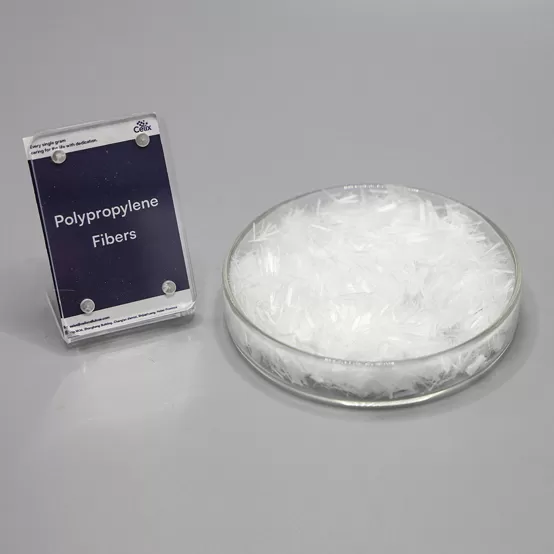
As an international cellulose ether factory and trusted HPMC manufacturer, Hebei Celix Cellulose Co., Ltd. (Celix) supplies high-purity HPMC, HEMC (MHEC), HEC, VAE Redispersible Polymer Powders (RDP), and Polypropylene Fibers to leading importers and mortar producers across Nigeria, Kenya, South Africa, Peru, Colombia, Brazil, and over 50 countries worldwide. With heat-sealed moisture barriers, pre-shipment COA testing, and responsive technical support, Celix ensures your inventory arrives dry, free-flowing, and ready for peak performance.
Build Better, Build Greener, with Celix HPMC

Clean Safer, Care Smarter, with Celix Cellulose Ether

Drill Deeper, Operate Safer, with Celix Cellulose Ether

Formulate Precisely, Deliver Safely, with Celix Cellulose Ether

Taste Better, Keep Fresher, with Celix Cellulose Ether

Shape Stronger, Fire Smarter, with Celix Cellulose Ether
Contact Us


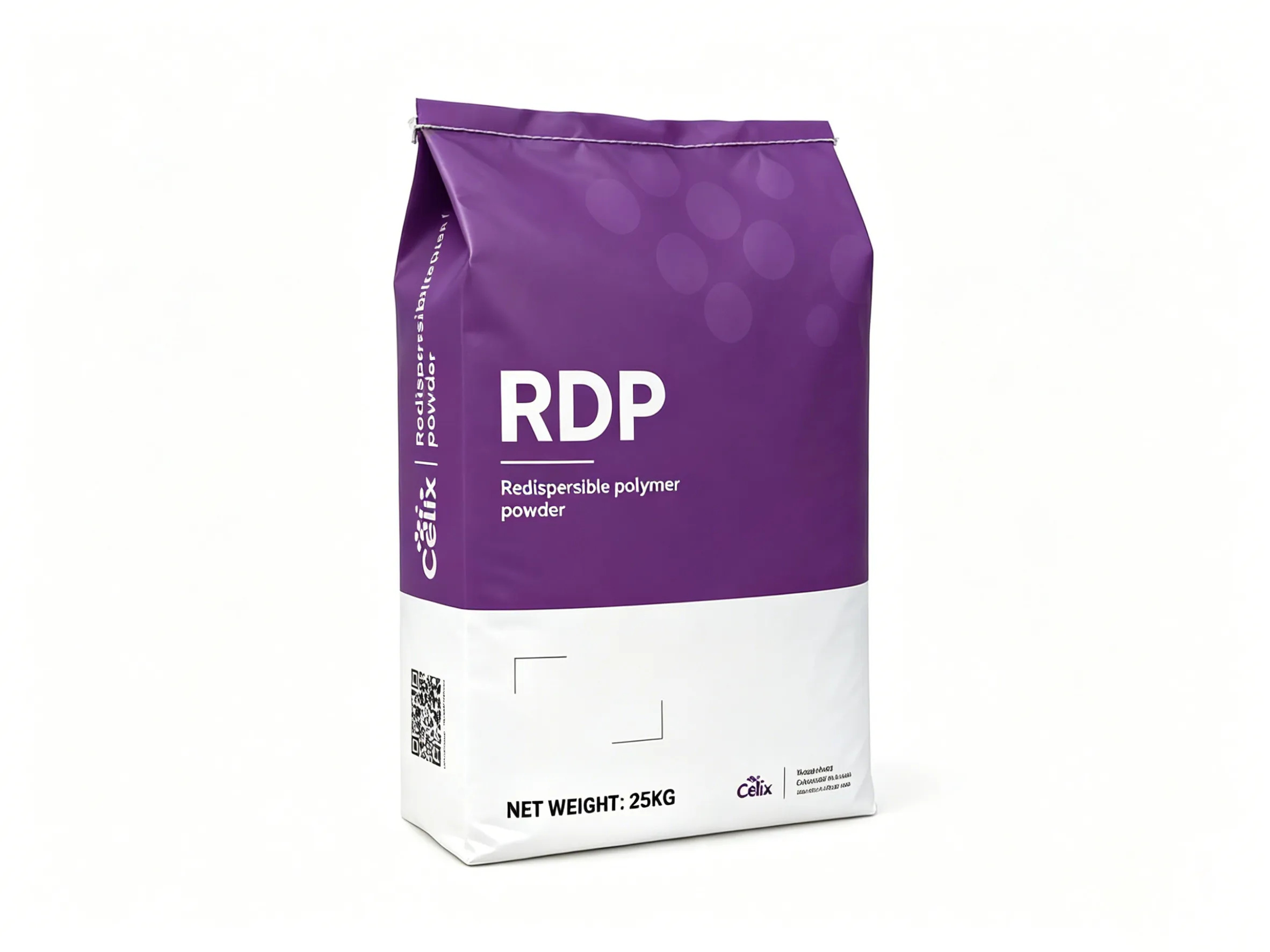

Celix Cellulose Co., Ltd, is an integrated chemical cellulose manufacturer with in-house R&D, factories, and global sales sites.
Our products include HPMC, HEC, MHEC, VAE RDP, PCE, PVA, Defoamers, PP fibers, HPS, SHP and Gypsum Retarder.


Celix Cellulose Co., Ltd, is an integrated chemical cellulose manufacturer with in-house R&D, factories, and global sales sites.
Our products include HPMC, HEC, MHEC, VAE RDP, PCE, PVA, Defoamers, PP fibers, HPS, SHP and Gypsum Retarder.
Quick Links
+8618330106777
info@celixcellulose.com