EN
EN
 jp
jp  ko
ko  es
es  ru
ru  pt
pt  th
th  ar
ar  vi
vi  id
id  kk
kk 
Construction
Build Better, Build Greener, with Celix HPMC

In the high-stakes world of B2B chemical procurement, trust is essential, but verification is mandatory. For a production manager, receiving a 20-ton container of HPMC that doesn't match the required specs is more than an inconvenience—it’s a manufacturing catastrophe. The Certificate of Analysis (COA) is the primary document that bridges the gap between the seller’s promise and the buyer’s reality. At Celix Cellulose, we believe that a transparent COA is the foundation of global trust.
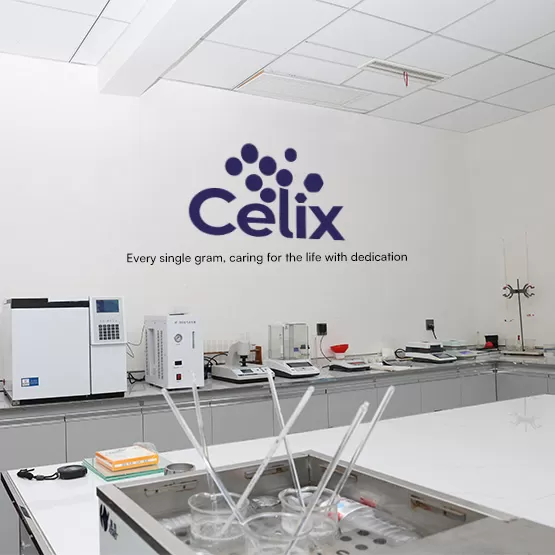
A COA is not just a piece of paper; it is a legal and technical commitment. It should provide a snapshot of a specific batch’s physical and chemical properties. However, not all COAs are created equal.
When importing hydroxypropyl methylcellulose powder or MHEC powder, it’s critical to verify that the Certificate of Analysis (COA) is not merely a “typical values” document. Instead, it should reflect the actual test results of the specific batch you receive, ensuring full traceability and quality consistency.
At Celix Cellulose, every shipment of hydroxypropyl methylcellulose powder and MHEC powder is accompanied by a batch-specific COA, directly aligned with our internal automated quality control data—so what you see on paper precisely matches what’s delivered to your warehouse.
To truly verify quality, you need to look beyond the "Pass" mark. Here are the three most critical parameters to analyze on your next Celix Cellulose COA:
Viscosity (Brookfield vs. NDJ): This is the most vital metric for tile adhesive additives. Always check the concentration (usually 2% solution) and the temperature (20°C). If the testing method doesn't match your lab's equipment, the results will differ.
Ash Content: High ash content usually indicates the presence of residual salts or fillers. For premium Modified HPMC, the ash should be kept strictly within the specified range to ensure long-term mortar durability.
Moisture Content: Excess moisture doesn't just mean you are paying for water; it can lead to clumping and reduced shelf life.
A red flag often appears when parameters are "too perfect" or suspiciously consistent across multiple batches. Real-world chemistry has slight, natural variations.
Professional suppliers like Celix Cellulose provide a range for each parameter. For example, a viscosity spec of 40,000 mPa.s might show an actual result of 41,200 mPa.s. This level of technical honesty is what differentiates a premium construction chemicals supplier from a low-cost alternative. We also include the Degree of Substitution (DS), which dictates how the polymer will behave in extreme environments like high-heat climates.
Following our commitment to EEAT (Experience, Expertise, Authoritativeness, and Trustworthiness), we have upgraded our documentation process. We utilize automated data logging directly from our lab instruments to our COA generator. This eliminates human error and ensures that the data you see is the data we measured.
As we scale our global exports, Celix Cellulose is moving toward a QR-code-based traceability system. By scanning the batch number on the 25KG bag, our partners will soon be able to access a digital twin of their COA, along with safety data sheets (SDS) and application guides. In the B2B world, transparency is the ultimate currency, and we are invested in your peace of mind.
Don't settle for vague documentation. Contact the Celix Cellulose technical support team to receive a sample COA or to discuss how our testing standards align with your local requirements.
Build Better, Build Greener, with Celix HPMC

Clean Safer, Care Smarter, with Celix Cellulose Ether

Drill Deeper, Operate Safer, with Celix Cellulose Ether

Formulate Precisely, Deliver Safely, with Celix Cellulose Ether

Taste Better, Keep Fresher, with Celix Cellulose Ether

Shape Stronger, Fire Smarter, with Celix Cellulose Ether
Contact Us
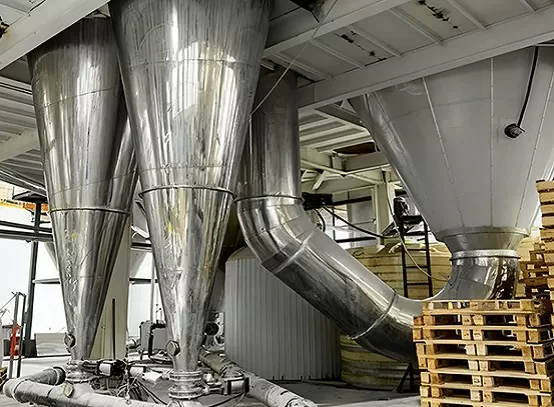
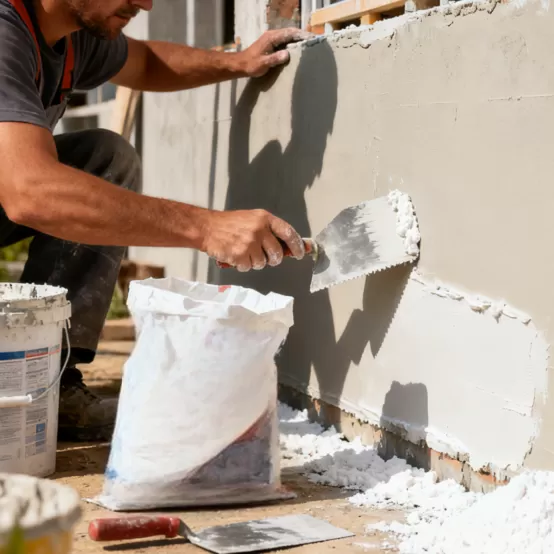


Celix Cellulose Co., Ltd, is an integrated chemical cellulose manufacturer with in-house R&D, factories, and global sales sites.
Our products include HPMC, HEC, MHEC, VAE RDP, PCE, PVA, Defoamers, PP fibers, HPS, SHP and Gypsum Retarder.


Celix Cellulose Co., Ltd, is an integrated chemical cellulose manufacturer with in-house R&D, factories, and global sales sites.
Our products include HPMC, HEC, MHEC, VAE RDP, PCE, PVA, Defoamers, PP fibers, HPS, SHP and Gypsum Retarder.
Quick Links
+8618330106777
info@celixcellulose.com