EN
EN
 jp
jp  ko
ko  es
es  ru
ru  pt
pt  th
th  ar
ar  vi
vi  id
id  kk
kk 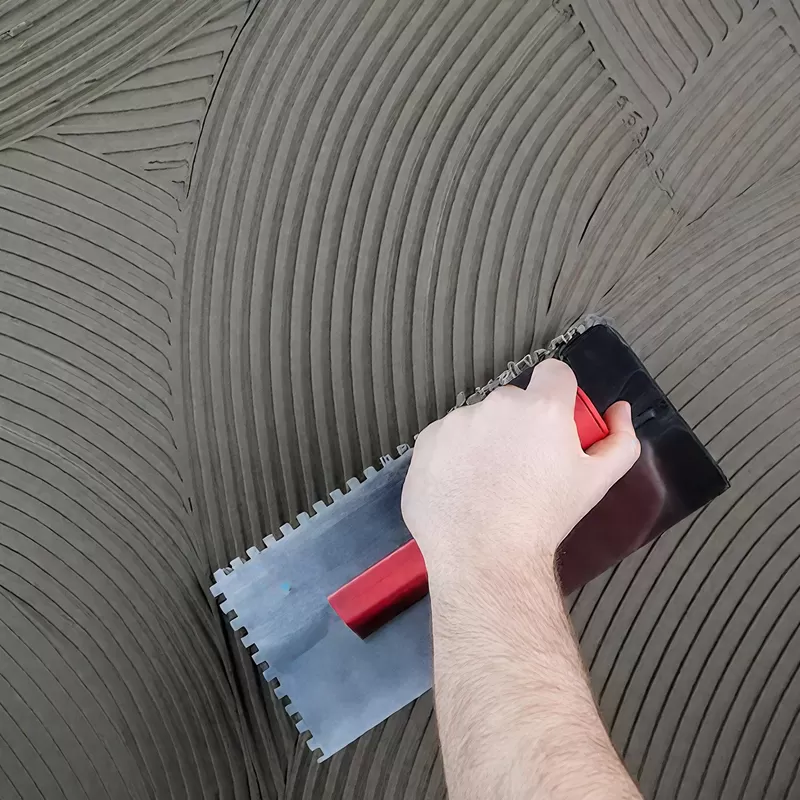
Construction
Build Better, Build Greener, with Celix HPMC

In Middle Asia (Central Asian countries such as Kazakhstan, Uzbekistan, Kyrgyzstan, Turkmenistan, and Tajikistan), the construction sector faces unique challenges due to extreme climate conditions. Harsh winters, strong temperature fluctuations, and dry environments all place high demands on cement-based materials. One highly effective solution is the use of HPMC for cement, particularly high-performance grades like Celix HPMC. In this article, we will explore how HPMC can improve cement mortar and concrete in these regions, why Celix is a preferred brand, and how its technical features align with the needs of Middle Asian construction.
One of the most significant functions of HPMC in cement-based systems is its exceptional water retention capability. In arid and semi-arid parts of Middle Asia, surface water can evaporate rapidly, which risks incomplete hydration of cement particles and leads to weak, brittle structures.
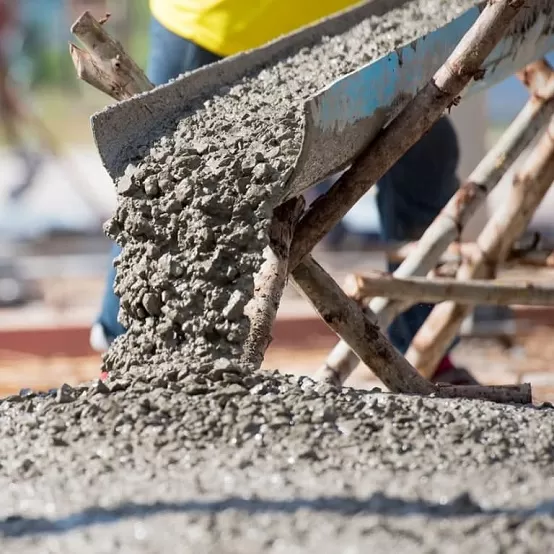
By preserving moisture, Celix HPMC helps the mortar or concrete cure more uniformly, which enhances long-term durability even when exposed to freeze-thaw cycles or rapid drying. As one of the effective admixtures for concrete, it improves water retention to ensure proper hydration — a key factor in strength development — ultimately leading to stronger and more reliable structures over time.
Construction in Middle Asia often deals with large-scale projects—whether in remote mountain communities or urban regeneration zones—where having adequate working time (“open time”) is essential. HPMC for cement significantly extends the workable window, allowing workers more time to mix, apply, and finish mortar or adhesive before it begins to set.
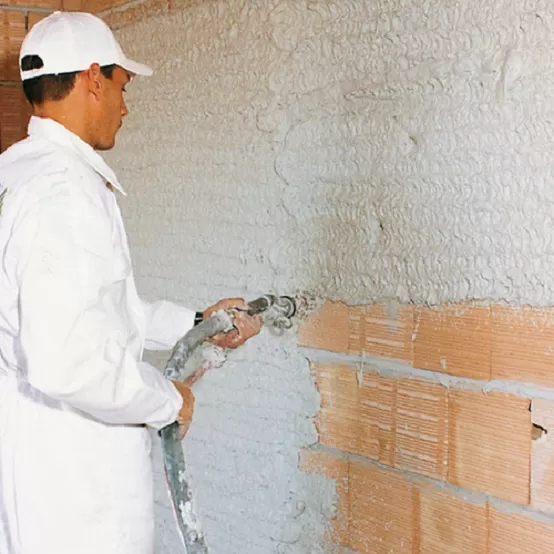
Moreover, HPMC increases the viscosity and thixotropy of cement mixtures, reducing slumping or sagging on vertical or overhead surfaces. According to Celix's product specifications, their HPMC grade improves consistency control, reducing segregation of aggregates, making the mortar more stable during placement.
In addition to workability, adhesive strength is critical when working with brick, block, or stone substrates predominant in many Central Asian regions. Celix HPMC enhances bonding between cement-based mortar and substrates, lowering the risk of delamination and improving structural cohesion.
Middle Asia's climate often features wide temperature swings—from scorching summers to freezing winters. These thermal stresses place cementitious materials under repeated expansion and contraction cycles, increasing the risk of cracking. HPMC plays a crucial role in crack resistance: by maintaining internal moisture and improving flexibility, it helps control shrinkage and reduces internal stresses during drying and curing.
Research supports that HPMC modifies the microstructure by creating a more cohesive matrix, lowering the potential for crack formation.
In very cold environments, the retained moisture also acts like a buffer, enabling cement hydration to continue more evenly when temperatures rise again.
Because of this, using Celix HPMC contributes to more resilient cement-based systems that can better withstand freeze-thaw cycles and thermal shock, which is extremely valuable in the volatile climates of Middle Asia.
When selecting HPMC for cement, not all products are created equal. Celix, one of the leading cellulose ether manufacturers, offers several advantages that make it particularly well-suited for Middle Asian conditions:
Proven Specifications: Celix HPMC for cement is carefully engineered—its typical properties include methoxy substitution between 19–24%, hydroxypropyl substitution around 7.5–12%, and a viscosity range from 400 to 75,000 mPa·s, depending on the grade.
Water Retention and Anti-Sag Performance: According to Celix, their HPMC grades maintain mortar cohesion, prevent rapid water loss, and stabilize fresh cement‑based mixtures even under challenging environmental conditions.
Strong Quality Control and Global Reach: Hebei Celix Cellulose Co., Ltd. has in-house R&D, strict batch testing, and a global brand reputation.
Sustainable Technology: Celix's HPMC is plant-derived and biodegradable, aligning with green construction trends across emerging markets.
Technical Support & Custom Grades: Celix offers tailored HPMC formulations (e.g., different viscosities) to meet specific project needs — such as mortar for high-altitude areas or self-leveling compounds.
In the demanding environment of Middle Asia, where construction materials must endure extreme heat, cold, drought, and large temperature fluctuations, HPMC for cement is a game-changer. Celix HPMC stands out with its superior water retention, extended open time, improved adhesion, and crack resistance—making it ideal for mortar and concrete systems in these challenging conditions.
For engineers, contractors, and material formulators in the region, selecting a trusted, high‑quality HPMC like that from Celix not only improves performance but also contributes to long-term durability and sustainability. By optimizing mix design and relying on robust cellulose ether solutions, infrastructure and building projects across Middle Asia can achieve greater longevity, reduce maintenance costs, and better resist climate stress.

Build Better, Build Greener, with Celix HPMC

Clean Safer, Care Smarter, with Celix Cellulose Ether

Drill Deeper, Operate Safer, with Celix Cellulose Ether

Formulate Precisely, Deliver Safely, with Celix Cellulose Ether

Taste Better, Keep Fresher, with Celix Cellulose Ether

Shape Stronger, Fire Smarter, with Celix Cellulose Ether
Contact Us

Celix Cellulose Co., Ltd, is an integrated chemical cellulose manufacturer with in-house R&D, factories, and global sales sites.
Our products include HPMC, HEC, MHEC, VAE RDP, PCE, PVA, Defoamers, PP fibers, HPS, SHP and Gypsum Retarder.


Celix Cellulose Co., Ltd, is an integrated chemical cellulose manufacturer with in-house R&D, factories, and global sales sites.
Our products include HPMC, HEC, MHEC, VAE RDP, PCE, PVA, Defoamers, PP fibers, HPS, SHP and Gypsum Retarder.
Quick Links
+8618330106777
info@celixcellulose.com