EN
EN
 jp
jp  ko
ko  es
es  ru
ru  pt
pt  th
th  ar
ar  vi
vi  id
id  kk
kk 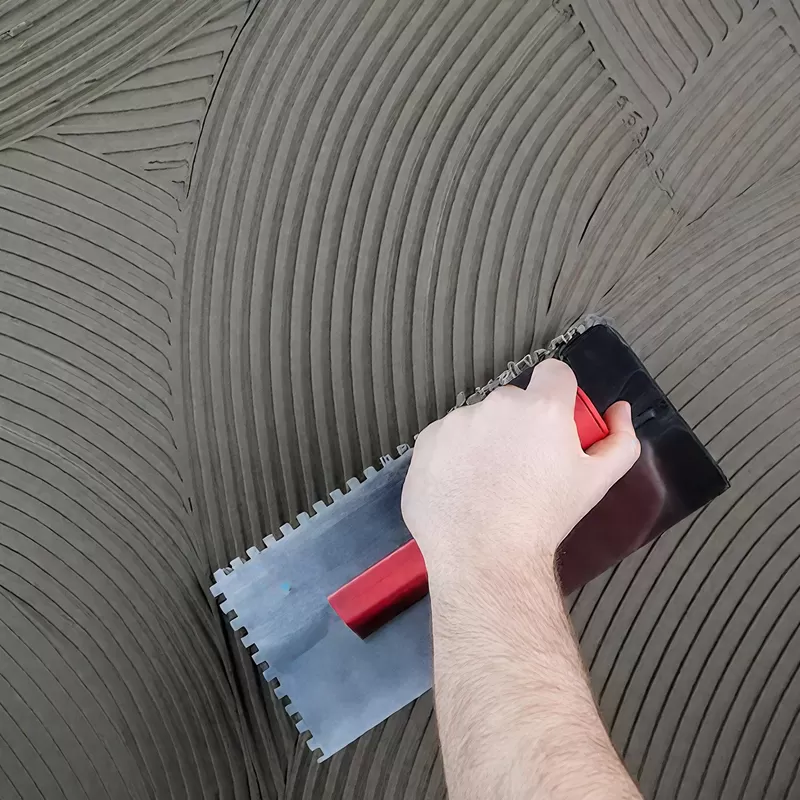
Construction
Build Better, Build Greener, with Celix HPMC

In modern construction, tile adhesive performance directly determines installation quality, durability, and cost efficiency. Among all raw materials used in tile adhesive formulations, HPMC (Hydroxypropyl Methyl Cellulose) plays a critical role in improving workability and long-term bonding performance.
As a professional hydroxypropyl methyl cellulose HPMC supplier, Celix HPMC provides high-performance HPMC for tile adhesive designed for C1/C2 grade cement-based systems used globally in residential, commercial, and industrial construction.
In this article, we will break down the 5 core functions of HPMC in tile adhesive, supported by real formulation insights, performance data, and industry comparisons.
Water retention is the primary reason HPMC is used in tile adhesive, and it is the function that has the greatest impact on long-term bond strength. Cement requires water to hydrate and develop compressive strength. Without adequate water retention, porous substrates — concrete blocks, brick, autoclaved aerated concrete (AAC) — rapidly absorb the mix water before the cement has hydrated, producing a weakly bonded, powdery interface.
HPMC's hydroxypropyl and methyl substituents create a three-dimensional hydrogel network within the adhesive matrix. This network immobilizes free water, releasing it gradually to support cement hydration rather than letting it drain into the substrate. Higher-viscosity grades — typically in the 40,000–75,000 mPa·s range for tile adhesive systems — provide stronger water retention, particularly relevant when working on high-absorption substrates or in hot, dry climates where evaporation losses compound the problem.
From a practical standpoint, superior water retention translates directly into higher pull-off strength. Adhesives that lose water too fast cure under-hydrated, with tensile adhesion values that often fall short of the EN 12004 C2 classification threshold of ≥1.0 N/mm². Properly formulated construction HPMC keeps the moisture in the mix where it belongs — sustaining hydration from the moment of application until the adhesive has reached structural strength.
Open time refers to the window during which a tile can be pressed into the adhesive bed and still achieve full bond strength. For standard C1-class mortars, EN 12004 requires a minimum open time of 20 minutes; extended open time (E classification) demands at least 30 minutes. HPMC for tile adhesive is the primary lever formulators use to meet — and exceed — these thresholds.
The mechanism is closely linked to water retention: by preventing rapid moisture loss from the adhesive surface, HPMC delays the formation of the dried skin that signals the end of the open time window. In high-temperature or low-humidity conditions — common on construction sites in tropical and arid markets — surface skinning can occur within minutes without an adequate HPMC dose. Modified grades are engineered with additional surface-treatment technology to extend open time without compromising other performance attributes.
Extended open time has measurable labour efficiency benefits. Tilers working with large-format tiles (600×600 mm and above) or complex patterns — where multiple tiles need to be adjusted before pressing — depend on an open time of 30–40 minutes to avoid repeatedly scraping off and reapplying adhesive. A reliable open time also reduces tile waste on site.
Anti-sag — also called slip resistance — is the adhesive's ability to hold a tile in position on a vertical wall without it sliding down under gravity before the adhesive sets. For large-format wall tiles weighing several kilograms per piece, inadequate sag resistance is a major practical problem and a leading cause of rework on tiling projects.
HPMC contributes to anti-sag performance through its thickening and pseudoplastic (shear-thinning) rheology. Under the shear stress of trowel application, the adhesive flows easily; once the tile is placed and shear is removed, viscosity recovers rapidly, creating sufficient internal resistance to prevent tile movement. High-viscosity HPMC grades — particularly those above 60,000 mPa·s — are preferred for adhesives intended for heavy wall tiles because they provide stronger initial tack and faster viscosity recovery.
The EN 12004 standard classifies tile adhesives with a T designation when they meet the slip resistance criterion of ≤0.5 mm tile movement under a defined load. Achieving T classification consistently — batch after batch — requires not only the right HPMC grade but also tight viscosity control from the cellulose ether manufacturer. Batch-to-batch viscosity variation of more than ±10% can cause a formulation to alternate between meeting and failing the T threshold, creating costly quality control problems for mortar producers.
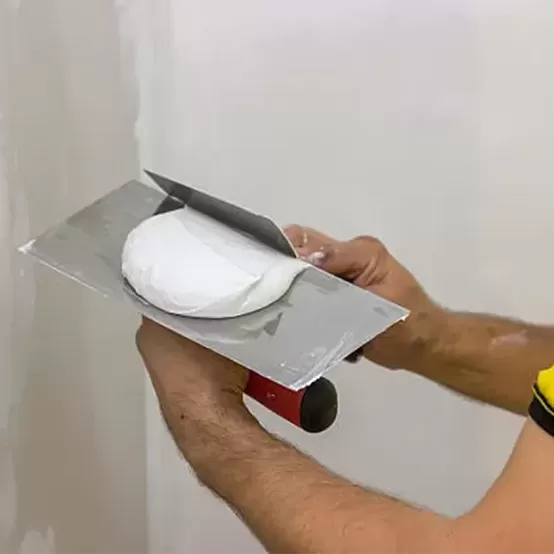
Workability refers to how easily the tile adhesive can be mixed, spread, and combed with a notched trowel. Poor workability — such as a stiff, sticky, or tearing mix — slows down installation, increases labor effort, and may lead to incomplete tile coverage, creating voids that weaken long-term bond strength.
HPMC gives the adhesive a smooth, creamy, and “buttery” consistency that improves handling on site. Its lubricating effect reduces internal friction between cement and aggregates, allowing the mortar to spread evenly without tearing during application.
At the same time, the shear-thinning (pseudoplastic) behavior of hydroxypropyl methyl cellulose HPMC helps the adhesive hold trowel ridges after application. This is important for achieving sufficient tile contact coverage, which in general practice should meet around 65%–80% depending on tile size and installation conditions.
Crack resistance is often overlooked when specifying HPMC for tile adhesive, yet it directly affects the durability of the installation. Cement-based adhesives are prone to shrinkage cracking as they cure and dry. These micro-cracks propagate through the adhesive layer, weakening the interface between tile and substrate and providing pathways for moisture ingress — particularly problematic in wet areas such as bathrooms and external facades.
HPMC contributes to crack resistance through two complementary mechanisms. First, by retaining water and slowing the drying rate, it reduces the differential shrinkage stress that drives early-age cracking. A more uniform, slower drying profile results in a denser, more homogeneous adhesive layer. Second, the polymer chains of hydroxypropyl methylcellulose act as a micro-reinforcement within the cured matrix, absorbing deformation energy and improving the adhesive's surface compressive strength and wear resistance.
For exterior applications — facades, terraces, and areas subject to thermal cycling — this dimensional stability function is especially valuable. Tiles expand and contract with temperature changes, placing cyclic stress on the adhesive bond. HPMC's contribution to the elastic modulus and crack-resistance of the cured layer helps the system absorb these stresses without delamination, extending the service life of the tile installation well beyond what would be achievable with a plain cement-filler mix.
As a professional cellulose ether manufacturer, Celix HPMC focuses on consistent quality and global construction standards.
Our advantages:
Stable viscosity grades for tile adhesive systems
Adjustable substitution levels for different climates
Compatible with C1/C2 tile adhesive formulations
Export-ready quality for global markets
1. What does HPMC do in tile adhesive?
HPMC improves water retention, workability, open time, sag resistance, and long-term durability in tile adhesives.
2. What is the recommended dosage of HPMC for tile adhesive?
Typical dosage ranges from 0.2% to 0.4% depending on formulation requirements.
3. Can HPMC improve tile bonding strength?
Yes. By improving cement hydration, HPMC helps achieve more stable and stronger bonding performance.
4. Is HPMC necessary for C2 tile adhesive?
Yes, most C2-grade tile adhesives require HPMC for enhanced performance and extended open time.
5. What type of HPMC is best for construction use?
Medium to high viscosity hydroxypropyl methyl cellulose HPMC is commonly used in tile adhesive formulations.
6. Why choose Celix HPMC over other suppliers?
Celix HPMC provides stable quality, customizable viscosity grades, and reliable global supply for construction applications.
HPMC is not just an additive—it is a core performance driver in modern tile adhesive systems. From improving water retention to enhancing sag resistance and durability, its role is essential in achieving professional-grade construction results.
With Celix HPMC for tile adhesive, manufacturers and contractors can achieve:
Higher efficiency
Better workability
Stronger long-term performance
If you are looking for a reliable cellulose ether manufacturer, Celix HPMC provides stable, high-performance solutions tailored for global construction markets.
Build Better, Build Greener, with Celix HPMC
Clean Safer, Care Smarter, with Celix Cellulose Ether

Drill Deeper, Operate Safer, with Celix Cellulose Ether

Formulate Precisely, Deliver Safely, with Celix Cellulose Ether

Taste Better, Keep Fresher, with Celix Cellulose Ether

Shape Stronger, Fire Smarter, with Celix Cellulose Ether
Contact Us
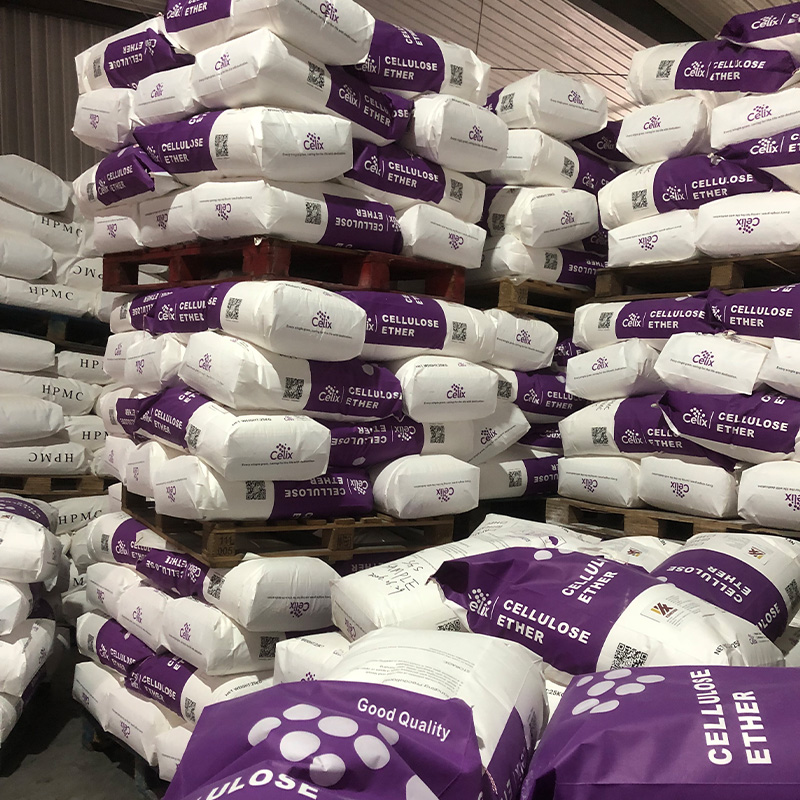
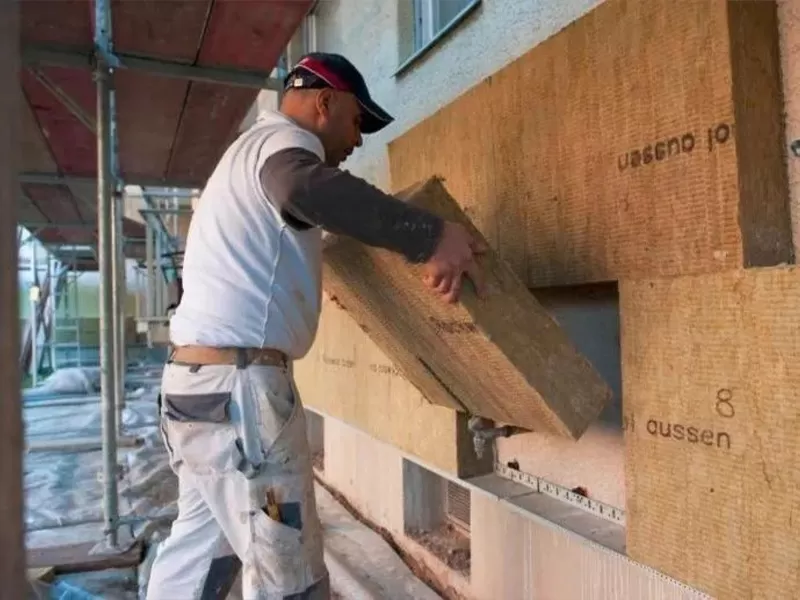
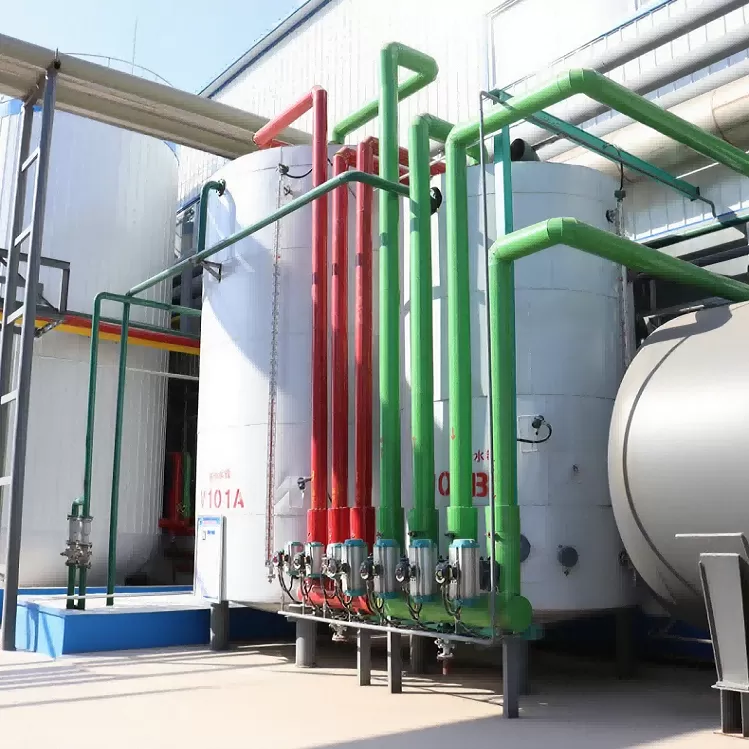

Celix Cellulose Co., Ltd, is an integrated chemical cellulose manufacturer with in-house R&D, factories, and global sales sites.
Our products include HPMC, HEC, MHEC, VAE RDP, PCE, PVA, Defoamers, PP fibers, HPS, SHP and Gypsum Retarder.


Celix Cellulose Co., Ltd, is an integrated chemical cellulose manufacturer with in-house R&D, factories, and global sales sites.
Our products include HPMC, HEC, MHEC, VAE RDP, PCE, PVA, Defoamers, PP fibers, HPS, SHP and Gypsum Retarder.
Quick Links
+8618330106777
info@celixcellulose.com