EN
EN
 jp
jp  ko
ko  es
es  ru
ru  pt
pt  th
th  ar
ar  vi
vi  id
id  kk
kk 
Construction
Build Better, Build Greener, with Celix HPMC

In cement-based construction materials, Hydroxypropyl Methyl Cellulose (HPMC) plays a critical role in improving water retention, workability, adhesion, and application performance. However, when selecting HPMC grades, many manufacturers make a common assumption: higher viscosity always means better performance.
This is not always true.
Although viscosity is an important parameter for evaluating HPMC performance, it only represents one aspect of the material’s behavior. A high-viscosity grade may provide stronger thickening ability, but it can also negatively affect mixing, leveling, and construction efficiency if not matched with the right formulation.
For manufacturers producing dry mortar, tile adhesive, and cement-based products, understanding the relationship between HPMC viscosity and water retention is essential for achieving stable product quality and reducing formulation issues.
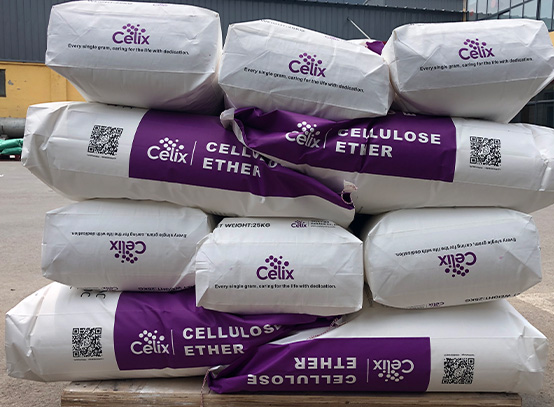
HPMC viscosity refers to the thickness and flow resistance of an HPMC solution. Generally, higher viscosity means stronger thickening performance, which can improve mortar consistency and sag resistance.
Water retention, on the other hand, refers to the ability of HPMC to keep moisture inside the mortar system during application. Good water retention allows cement particles to hydrate properly, improving bonding strength and overall durability.
Although viscosity and water retention are related, they are not the same property.
HPMC performance depends on multiple factors, including:
Molecular structure
Degree of substitution
Particle size
Dissolution characteristics
Dosage level
Compatibility with other additives
A suitable HPMC grade should provide a balance between viscosity, water retention, and workability rather than simply choosing the highest viscosity option.
Many buyers select HPMC products by comparing only viscosity values. However, excessive viscosity can create problems during production and construction.
High Viscosity HPMC Effects | Possible Result |
Increased thickening ability | Better consistency |
Excessive mortar viscosity | Difficult spreading |
Reduced flowability | Poor leveling performance |
Higher stickiness | Lower construction efficiency |
Longer dissolution time | Increased mixing difficulty |
For example, in cement mortar applications, very high viscosity may improve water retention but make the mortar harder to apply. Workers may experience increased resistance during troweling, which reduces construction speed.
The ideal HPMC selection should consider the complete formulation, including cement type, sand properties, additives, and final application requirements.
Water retention is one of the most important functions of HPMC in construction materials.
During mortar application, water can quickly migrate into porous substrates or evaporate into the environment. If moisture is lost too quickly, cement hydration may become incomplete, resulting in:
Lower bonding strength
Reduced adhesion
Shorter open time
Surface cracking
HPMC helps control water movement by creating a protective polymer network inside the mortar system.
For manufacturers producing hpmc for cement mortar, selecting the correct balance between water retention and viscosity is essential. The goal is not simply to maximize thickness but to achieve smooth application, proper hydration, and consistent final performance.
Different construction materials require different HPMC characteristics. A grade suitable for one application may not perform equally well in another.
Cement mortar requires good water retention, workability, and adhesion. The selected HPMC grade should maintain moisture while allowing smooth mixing and application.
For hpmc for dry mix mortar, manufacturers usually focus on:
Water retention capability
Mixing behavior
Construction consistency
Compatibility with other additives
A balanced viscosity level helps maintain both performance and user experience.
Tile adhesive requires excellent open time, adhesion strength, and anti-sag performance. Choosing an HPMC grade only based on viscosity may negatively affect spreading performance.
Many formulation problems are caused by incorrect HPMC selection rather than poor raw materials.
Viscosity is an important reference value, but it should not be the only selection criterion. Two HPMC products with similar viscosity may perform differently because of differences in modification technology and production processes.
Adding more HPMC does not always improve mortar performance. Excessive dosage may increase cost and create issues such as poor workability or slower drying.
A product designed for tile adhesive may require different HPMC characteristics compared with plaster mortar or self-leveling compounds.
Selecting a reliable supplier is an important step in achieving consistent construction material performance.
A professional supplier should provide:
Stable product quality
Technical data support
Application recommendations
Consistent batch performance
Customized solutions for different formulations
Working with an experienced cellulose ether supplier allows manufacturers to select suitable HPMC grades based on actual application requirements rather than relying only on viscosity numbers.
Celix provides cellulose ether solutions for construction applications, helping customers optimize HPMC selection for cement mortar, dry mix mortar, tile adhesive, and other building material systems. Through technical support and quality control, Celix helps manufacturers achieve reliable formulation performance.
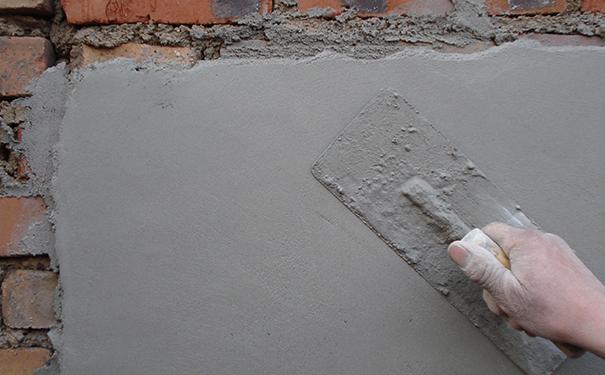
No. Higher viscosity can improve thickening but may reduce workability, spreading ability, and construction efficiency if not properly selected.
Both are important. The best HPMC grade provides a balance between water retention, viscosity, and application performance.
Yes. Excessive viscosity may make mortar sticky, difficult to spread, and harder to level.
HPMC improves water retention, workability, adhesion, and open time in cement-based mortar systems.
Selection should consider mortar type, required performance, cement composition, dosage, and compatibility with other additives.
Yes. Laboratory testing helps manufacturers identify the most suitable HPMC grade and dosage for their specific formulation.
Higher viscosity does not always mean better HPMC performance. While viscosity influences thickening and consistency, water retention, workability, and application requirements are equally important factors. Manufacturers should evaluate HPMC grades based on the complete formulation rather than a single specification. By balancing viscosity and water retention, companies can achieve better mortar performance, improved construction efficiency, and more consistent product quality. Choosing an experienced partner like Celix helps ensure reliable cellulose ether solutions for different construction applications.
Build Better, Build Greener, with Celix HPMC

Clean Safer, Care Smarter, with Celix Cellulose Ether

Drill Deeper, Operate Safer, with Celix Cellulose Ether

Formulate Precisely, Deliver Safely, with Celix Cellulose Ether

Taste Better, Keep Fresher, with Celix Cellulose Ether

Shape Stronger, Fire Smarter, with Celix Cellulose Ether
Contact Us

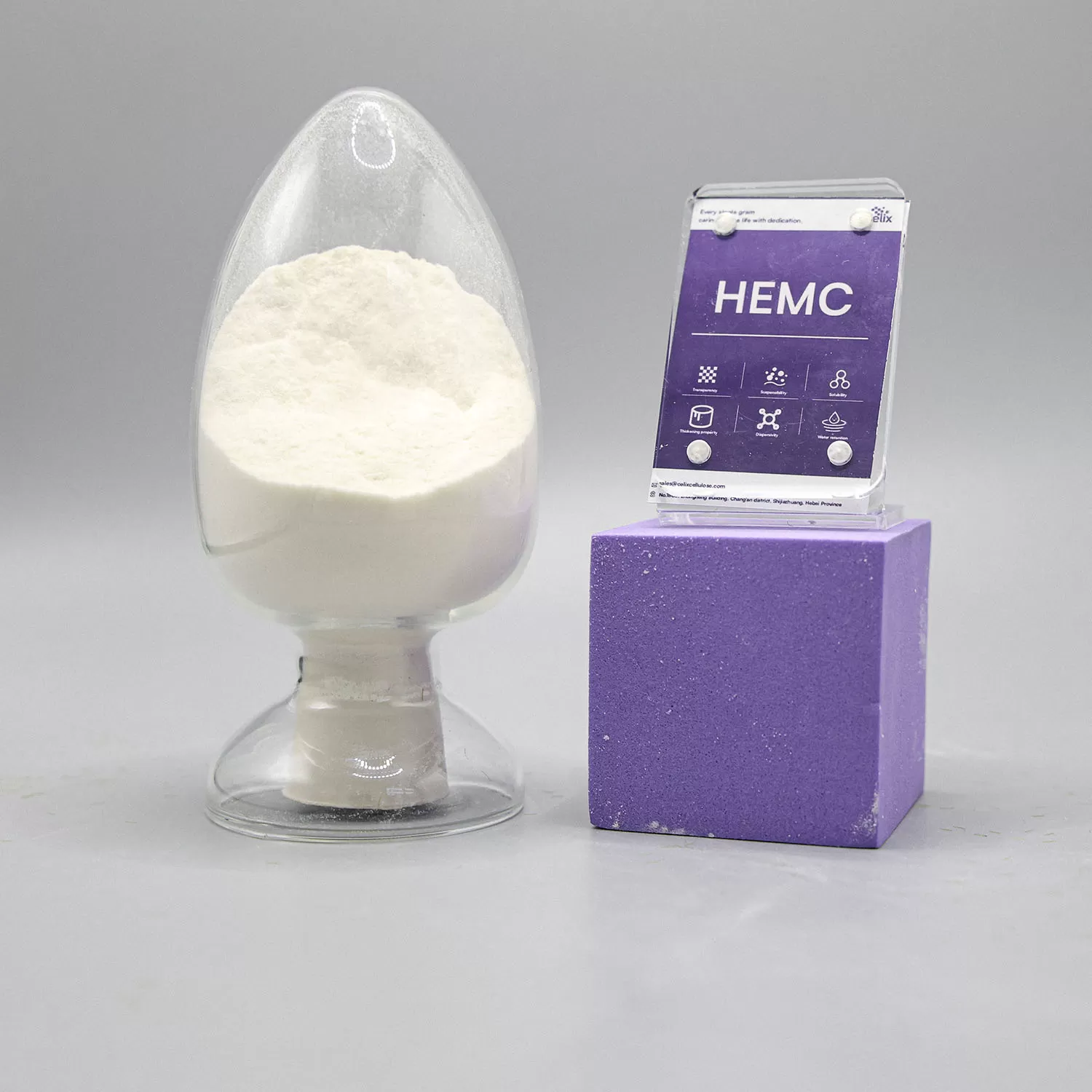
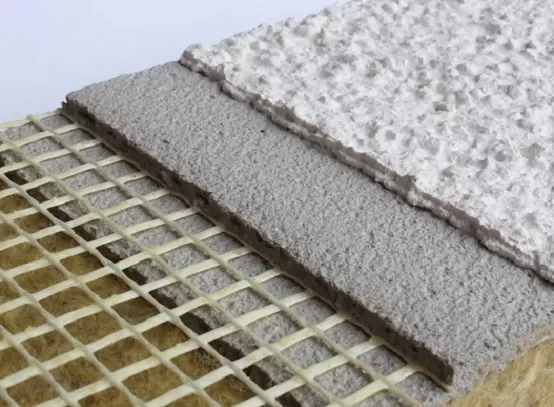

Celix Cellulose Co., Ltd, is an integrated chemical cellulose manufacturer with in-house R&D, factories, and global sales sites.
Our products include HPMC, HEC, MHEC, VAE RDP, PCE, PVA, Defoamers, PP fibers, HPS, SHP and Gypsum Retarder.


Celix Cellulose Co., Ltd, is an integrated chemical cellulose manufacturer with in-house R&D, factories, and global sales sites.
Our products include HPMC, HEC, MHEC, VAE RDP, PCE, PVA, Defoamers, PP fibers, HPS, SHP and Gypsum Retarder.
Quick Links
+8618330106777
info@celixcellulose.com