EN
EN
 jp
jp  ko
ko  es
es  ru
ru  pt
pt  th
th  ar
ar  vi
vi  id
id  kk
kk 
Construction
Build Better, Build Greener, with Celix HPMC

In the dry-mix mortar business, choosing a cellulose ether isn't just about price—it’s about whether your formula survives the actual site conditions. At Celix Industrial, we’ve seen how environmental stress, especially heat, can turn a high-quality mix into a failed application. The debate of HPMC vs. HEMC usually comes down to one critical, often misunderstood factor: how the polymer behaves when the sun hits the wall.
The technical difference between HPMC (Hydroxypropyl Methyl Cellulose) and HEMC (Methyl Hydroxyethyl Cellulose) isn’t just about chemical names; it’s about their "thermal threshold."
Every Cellulose Ether has a specific Gel Temperature. This is the point where the polymer stops being soluble and loses its ability to hold water. If the water in your mortar evaporates before the cement can hydrate, you lose strength and adhesion.
HPMC (Celix PM Series): Typically features a gel point of 60°C to 70°C. It is an excellent, reliable workhorse for temperate climates.
HEMC (Celix EM Series): Engineered with hydroxyethyl groups, it pushes the gel point to 75°C - 90°C.
We often tell our clients: don't over-engineer if the conditions don't demand it. For projects in regions where ambient temperatures stay below 30-35°C, Celix HPMCprovides the best performance-to-cost ratio.
It offers the reliable "body" and smooth workability required for standard interior wall putties and cement-based skim coats. At Celix, we use high-purity refined cellulose as our foundation to ensure that even our standard grades provide consistent results, bag after bag.
If you are supplying products to the Middle East, Southeast Asia, or Africa, HEMC products are your technical insurance policy. When a wall surface exceeds 40°C under direct sunlight, standard HPMC can "crash," leading to bond failure.
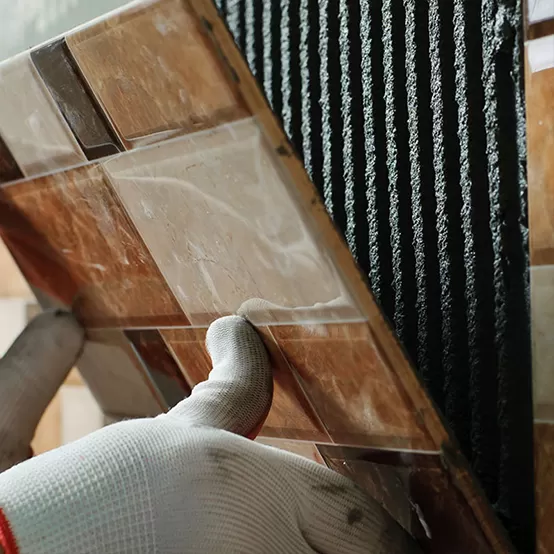
Celix HEMC maintains its protective film even in extreme heat. This is essential for maintaining the tile adhesive open time giving workers the window they need to adjust tiles properly without compromising the final set.
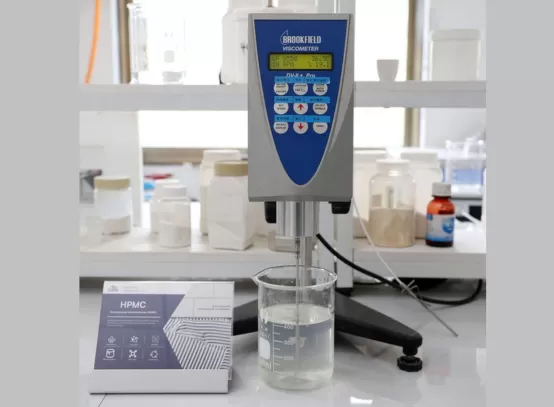
At Celix Industrial, we believe that a supplier’s value is truly proven in the laboratory—not just on a data sheet. We don’t just test for theoretical viscosity; we test for real-world performance.
In the chemical export business, your reputation depends on the consistency of your ingredients. This is why we have invested heavily in automated process control. Our reactors monitor every second of the etherification process to ensure the degree of substitution is perfectly balanced. This precision is what makes our Modified HEMC so reliable; it offers a formulation tolerance that standard products simply cannot match.
1. Temperate Climate (<30°C): Stick with HPMC grades for the best economic value.
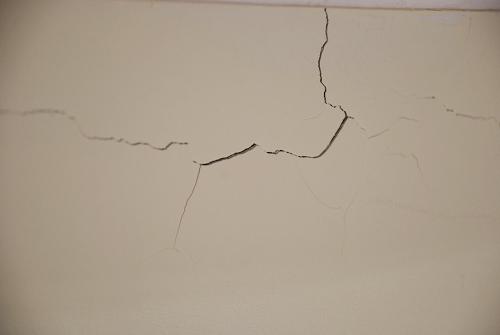
2. Tropical or Summer Construction: Upgrade to HEMC to prevent premature drying and cracking.
3. Gypsum-based Systems: HEMC typically provides better compatibility and a smoother, "creamy" finish.
Don't let climate variables compromise your product quality. Contact the Celix Industrial technical team today to discuss your specific application needs.
Build Better, Build Greener, with Celix HPMC

Clean Safer, Care Smarter, with Celix Cellulose Ether

Drill Deeper, Operate Safer, with Celix Cellulose Ether

Formulate Precisely, Deliver Safely, with Celix Cellulose Ether

Taste Better, Keep Fresher, with Celix Cellulose Ether

Shape Stronger, Fire Smarter, with Celix Cellulose Ether
Contact Us
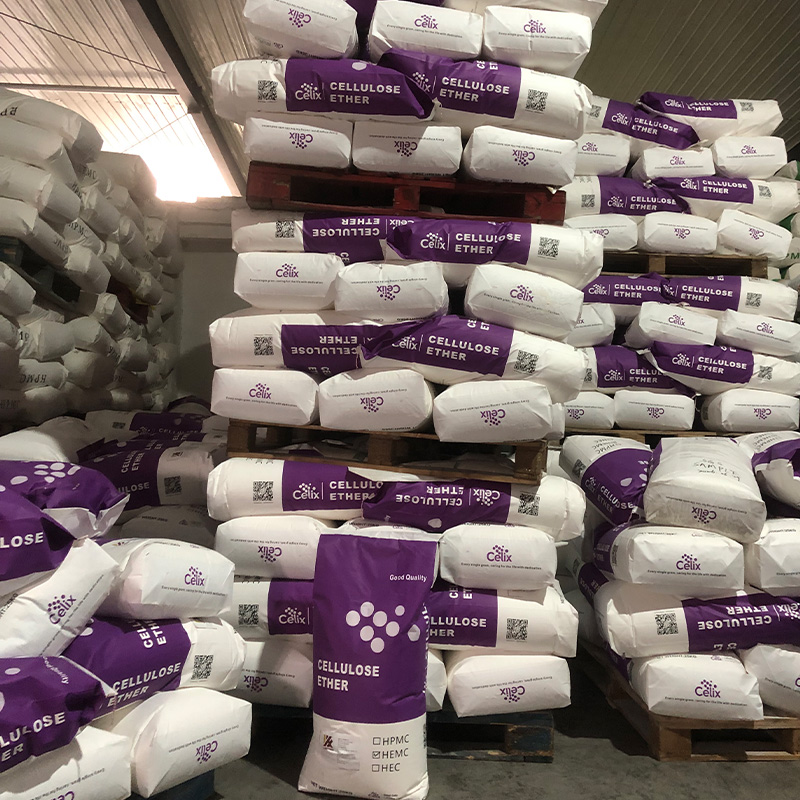
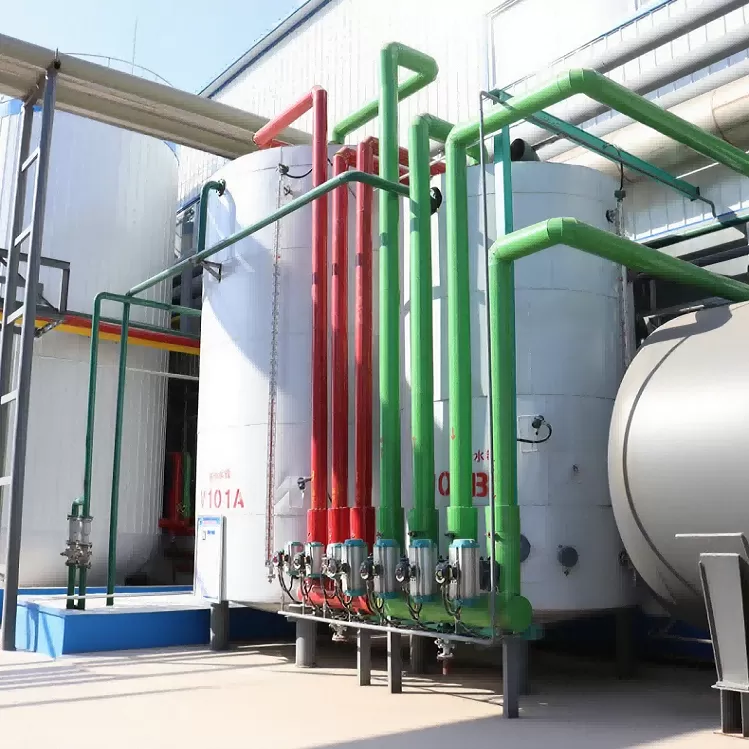

Celix Cellulose Co., Ltd, is an integrated chemical cellulose manufacturer with in-house R&D, factories, and global sales sites.
Our products include HPMC, HEC, MHEC, VAE RDP, PCE, PVA, Defoamers, PP fibers, HPS, SHP and Gypsum Retarder.


Celix Cellulose Co., Ltd, is an integrated chemical cellulose manufacturer with in-house R&D, factories, and global sales sites.
Our products include HPMC, HEC, MHEC, VAE RDP, PCE, PVA, Defoamers, PP fibers, HPS, SHP and Gypsum Retarder.
Quick Links
+8618330106777
info@celixcellulose.com