EN
EN
 jp
jp  ko
ko  es
es  ru
ru  pt
pt  th
th  ar
ar  vi
vi  id
id  kk
kk 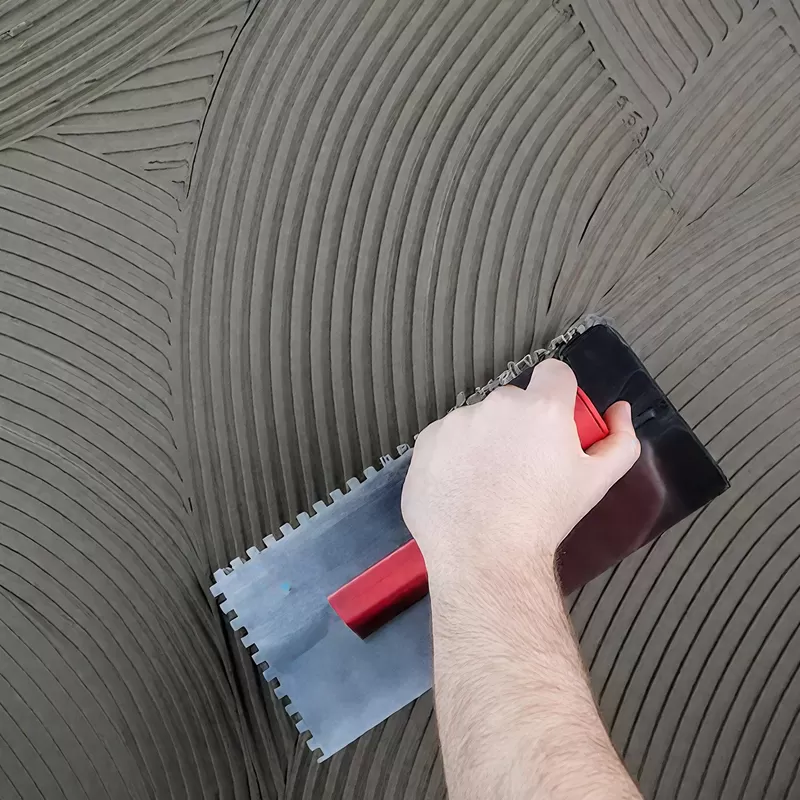
Construction
Build Better, Build Greener, with Celix HPMC

Hydroxypropyl methylcellulose (HPMC) has become a cornerstone additive in modern building materials, particularly in challenging environments where climatic conditions demand enhanced performance. In Russia, where winter temperatures frequently fall well below freezing, construction projects face unique obstacles — from mortar hydration delays to poor open workability. This article explores how HPMC for construction, especially high‑quality grades like Celix HPMC, provides reliable solutions for cold‑weather challenges, ensuring superior mortar performance, increased efficiency, and compliance with local Russian standards.
Russia's expansive geography means construction companies operate across diverse and often severe climatic conditions — from the milder regions in the southwest to the Arctic latitudes of Siberia. Winter temperatures can range from −10°C to below −40°C in certain areas, severely impacting construction workflows. Cold weather slows the hydration process of cementitious materials, reduces mortar workability, and can increase cracking and bonding failures if not properly addressed.
In such environments, construction stakeholders — including general contractors, material formulators, and project planners — seek additives that not only maintain material performance but also improve handling under low temperatures. This is where HPMC for construction becomes indispensable for Russian projects. Its multifunctional properties extend workability, optimize water retention, and contribute to the overall durability and strength of mortar systems, offering a key advantage over traditional formulations that may become brittle or ineffective in freezing conditions.
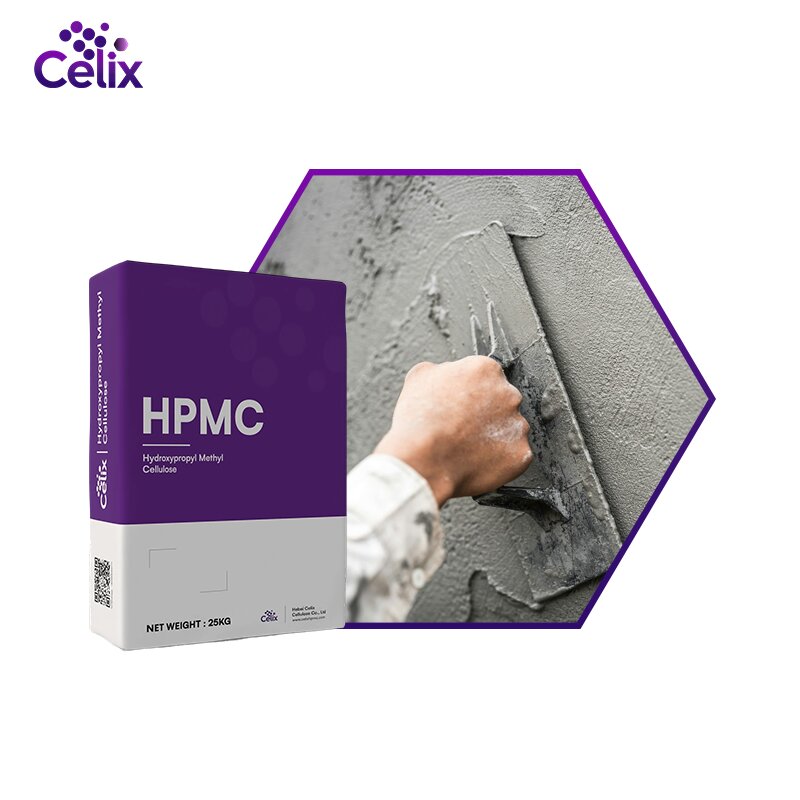
Hydroxypropyl methylcellulose (HPMC) is a non‑ionic cellulose ether widely used as a performance modifier in cement‑based systems. When added to mortar and plaster formulations, HPMC improves essential performance characteristics for construction applications.
One of the defining challenges in cold‑weather projects is the rapid loss of free moisture in the mortar. At low temperatures, water evaporates more slowly, yet the hydration reaction of cement significantly decelerates — often resulting in incomplete curing. HPMC effectively retains water within the mixture, preventing premature drying and promoting thorough cement hydration. This capability is particularly valuable where temperatures inhibit the natural curing process, as it allows the mortar to maintain workable consistency longer and achieves better bond strength.
In addition, HPMC enhances the plasticity and viscosity of mortar blends, enabling builders to maintain proper application even when temperatures drop. This is critical in Russia, where extended outdoor work during winter demands materials that can withstand cold without sagging or losing cohesion. The rheology‑modifying character of HPMC ensures more predictable performance, bridging the gap between cold climate challenges and robust construction outcomes.
Three key performance indicators for cold‑weather mortars are workability, water retention, and open time. These factors — when optimized — significantly reduce labor costs, minimize waste, and enhance structural integrity.
Workability: In freezing climates, mortar mixtures tend to stiffen rapidly once mixed, reducing the time workers have to spread and finish the material. HPMC increases the plasticity of the mortar, ensuring a smoother and more controlled application even under sub‑zero conditions.
Water Retention: Maintaining an adequate moisture level is essential to promote complete hydration and prevent premature setting. HPMC forms a protective film around cement particles, locking in moisture and preventing evaporation — a feature that proves critical in dry, cold Russian winters.
Open Time: This refers to the period after mixing during which the mortar remains workable. Cold weather tends to shorten this window by slowing chemical reactions and stiffening the material. HPMC extends the open time, enabling crews to work efficiently on larger surfaces without compromising quality.
Together, these properties not only improve construction productivity but also enhance adhesion to substrates, reduce cracking, and improve the resilience of the finished structure against freezing‑and‑thaw cycles — a common stressor across Russia’s vast cold regions.
When choosing HPMC for construction applications in Russia, product quality, purity, and consistency are paramount. Celix — a globally recognized manufacturer of high‑performance cellulose ethers — offers precisely engineered HPMC grades suited for rigorous construction demands. Celix products combine excellent water retention, controlled viscosity, and superior dispersion, making them ideal for mortars, plasters, tile adhesives, and other cement‑based systems used in cold environments.
Key advantages of Celix HPMC include:
Optimized Formulations: Designed for construction applications (including mortars and cementitious mixtures), with grades tailored to balance thickening and water retention effectively. For example, below is the recommended formulation for the Tile adhesive:
| Sand | Cement | Calcium Formate | RDP 5030 | PM-Pro-AS2T |
| 62-70 | 30-38 | 0.3-0.7 | 2-5 | 0.25-0.35 |
Consistency and Quality Control: Manufactured under strict quality standards to ensure consistent performance across batches — critical for large‑scale Russian projects.
Enhanced Weather Performance: Proven capabilities in maintaining workability and curing behavior even in low temperatures significantly below freezing.
Selecting Celix HPMC can help Russian construction companies meet local building codes and performance criteria, while simultaneously improving project timelines and material efficiency.
In Russia's demanding climatic landscape, achieving consistency, strength, and reliability in construction materials is non‑negotiable. HPMC for construction provides a scientifically proven solution to cold‑weather challenges, enhancing mortar workability, water retention, and open time. By integrating Celix HPMC into project formulations, contractors and material producers can ensure robust performance, greater durability, and compliance with industry expectations — even in the harshest winter conditions.
For Russian projects that require dependable cold weather performance and enhanced mortar characteristics, Celix HPMC stands out as a trusted additive that delivers both quality and consistency.

References:
Build Better, Build Greener, with Celix HPMC

Clean Safer, Care Smarter, with Celix Cellulose Ether

Drill Deeper, Operate Safer, with Celix Cellulose Ether

Formulate Precisely, Deliver Safely, with Celix Cellulose Ether

Taste Better, Keep Fresher, with Celix Cellulose Ether

Shape Stronger, Fire Smarter, with Celix Cellulose Ether
Contact Us
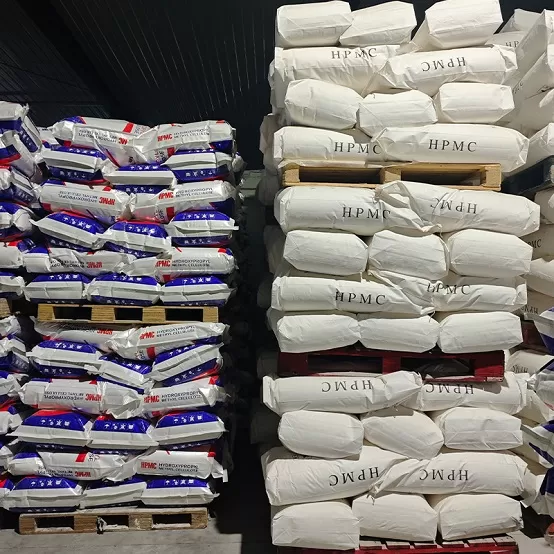
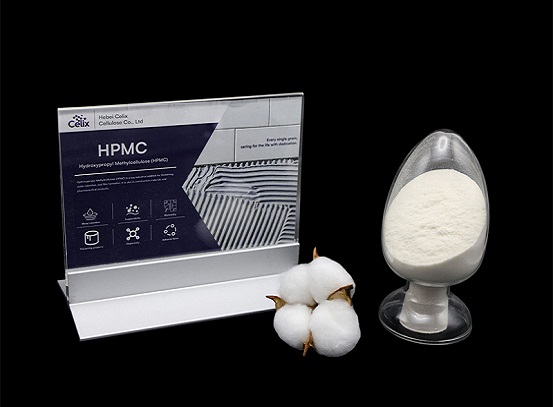

Celix Cellulose Co., Ltd, is an integrated chemical cellulose manufacturer with in-house R&D, factories, and global sales sites.
Our products include HPMC, HEC, MHEC, VAE RDP, PCE, PVA, Defoamers, PP fibers, HPS, SHP and Gypsum Retarder.


Celix Cellulose Co., Ltd, is an integrated chemical cellulose manufacturer with in-house R&D, factories, and global sales sites.
Our products include HPMC, HEC, MHEC, VAE RDP, PCE, PVA, Defoamers, PP fibers, HPS, SHP and Gypsum Retarder.
Quick Links
+8618330106777
info@celixcellulose.com