EN
EN
 jp
jp  ko
ko  es
es  ru
ru  pt
pt  th
th  ar
ar  vi
vi  id
id  kk
kk 
Construction
Build Better, Build Greener, with Celix HPMC

In the global construction chemicals market, finding an HPMC supplier is easy, but finding one that delivers consistent batch quality is a massive challenge for dry-mix mortar and tile adhesive manufacturers.
A slight variation in Hydroxypropyl Methylcellulose (HPMC) quality between shipments can ruin your product's workability, cause tile sagging, or lead to severe cracking in wall putty.
If you are a procurement manager or a factory owner looking to secure your supply chain, this guide covers the exact technical checkpoints to verify before choosing your long-term bulk HPMC powder supplier.
For industrial-grade applications, HPMC acts as the backbone of water retention and open time. When you switch batches, any instability in the etherification process results in fluctuating performance.
The Risk of Poor Consistency: If Batch A has a viscosity of 150,000 mPa.s but Batch B drops to 120,000 mPa.s, your tile adhesive will lose its anti-slip properties, leading to costly on-site complaints.
The Hidden Cost: Inconsistent HPMC forces production engineers to constantly adjust formulas, wasting time and increasing raw material costs.
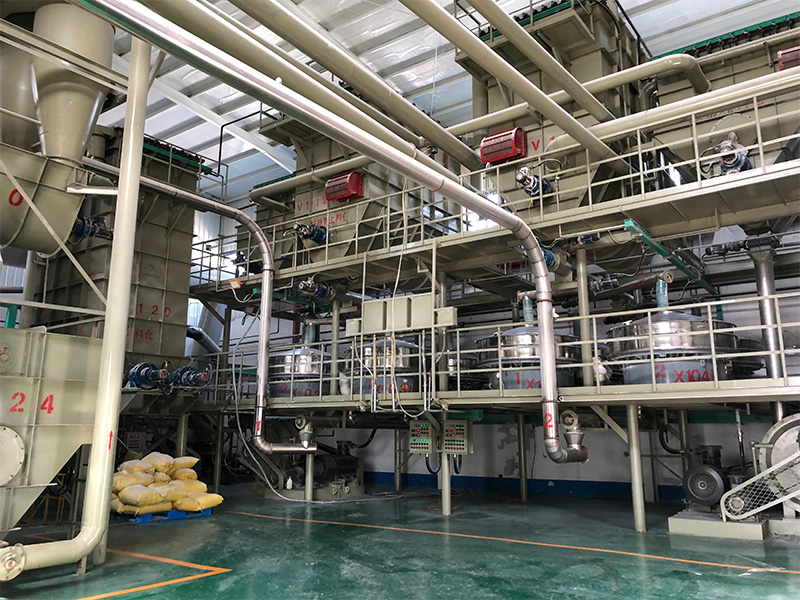
When auditing an HPMC manufacturer, do not just look at the price per ton. Ask their laboratory team for the specific control ranges of these four metrics:
| Key Technical Metrics | Standard Target Range | Impact on Dry-mix Mortar Performance |
| Viscosity Stability | ±10% max deviation | Determines the thickener efficiency and sag resistance. |
| Water Retention Rate | ≥85% - 90% | Prevents premature drying; crucial for cement hydration and open time. |
| Ash Content (Purity) | ≤5\% for premium grades | High ash means high impurities, which drastically lowers water retention. |
| Transmittance | ≥80% | Reflects the uniformity of chemical substitution (etherification). |
A leading industrial grade HPMC supplier won't just tell you their product is good—they will prove it through a standardized QC workflow. Ensure your supplier implements the following steps:
Step 1: Raw Material Tracking (Refined Cotton & Wood Pulp)
High-quality HPMC starts with high-quality cellulose sources. Reliable manufacturers use premium refined cotton and maintain long-term partnerships with top pulp suppliers to prevent raw material variations.
Step 2: Advanced Automated Production Lines
Manual chemical dosing leads to human error. Look for suppliers utilizing fully automated DCS (Distributed Control Systems). Automation ensures that temperature, pressure, and reaction times during alkalization and etherification remain identical for every batch.
Step 3: Mandatory Batch Testing & Retention Samples
A trustworthy partner tests every single batch (typically every 2 to 4 tons) and generates an independent COA (Certificate of Analysis). Furthermore, they should retain batch samples for at least 1–2 years for traceability in case any quality issue arises.
To separate genuine factories from unreliable brokers, add these highly targeted questions to your procurement checklist:
(1)"What equipment do you use to test viscosity, and which standard (Brookfield or NDJ) is used on your COA?" (Ensures you are comparing apples to apples).
(2)"What is your annual export volume and production capacity?" (Top suppliers with a 30,000-ton annual export capacity or higher usually possess more mature quality control systems).
(3)"Do you offer customized modifications for specific applications like tile adhesive (C1/C2 grade) or gypsum plaster?" (A professional supplier will have specialized formulas, such as premium modified series, to improve open time or anti-slip properties).
Ensuring consistent batch quality is not just about luck; it is about choosing an HPMC supplier that treats quality control as science. By verifying their automation tech, testing standards, and ash content limits, you can protect your factory from production downtime and quality defects.
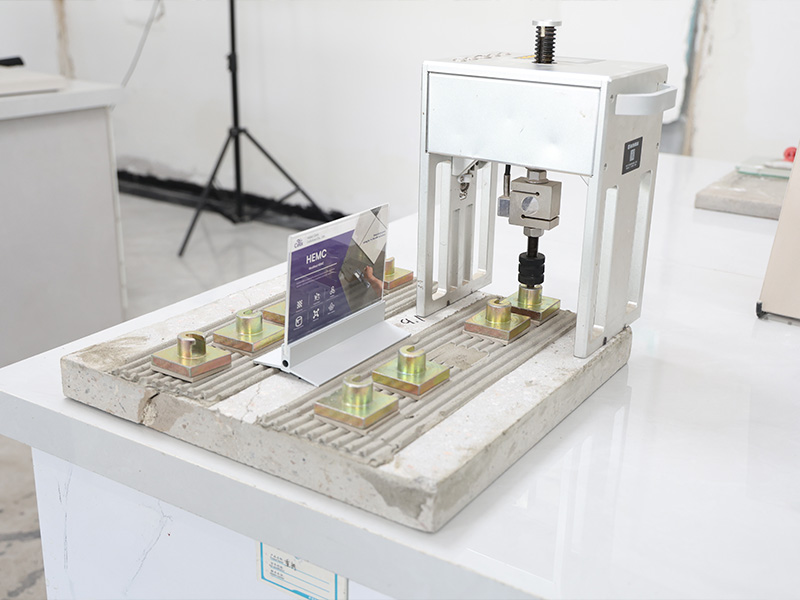
We specialize in high-performance cellulose ether (HPMC, MHEC, HEMC) production, exporting consistent quality to over 150 countries. Contact our technical team today to request a Free 25KG Sample Bag for your laboratory testing and secure your factory price quotation!
Which Companies Supply HPMC for Construction Materials?
Stability Above All: Why Modified HPMC is Replacing Standard Grades in Premium Projects
HPMC Price Trends 2026: Balancing Cost and Quality in Global Procurement
Build Better, Build Greener, with Celix HPMC

Clean Safer, Care Smarter, with Celix Cellulose Ether

Drill Deeper, Operate Safer, with Celix Cellulose Ether

Formulate Precisely, Deliver Safely, with Celix Cellulose Ether

Taste Better, Keep Fresher, with Celix Cellulose Ether

Shape Stronger, Fire Smarter, with Celix Cellulose Ether
Contact Us

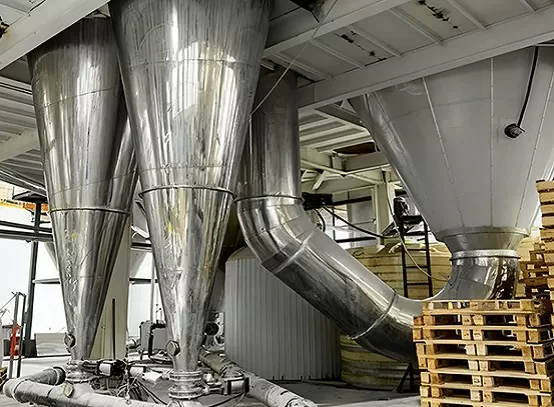
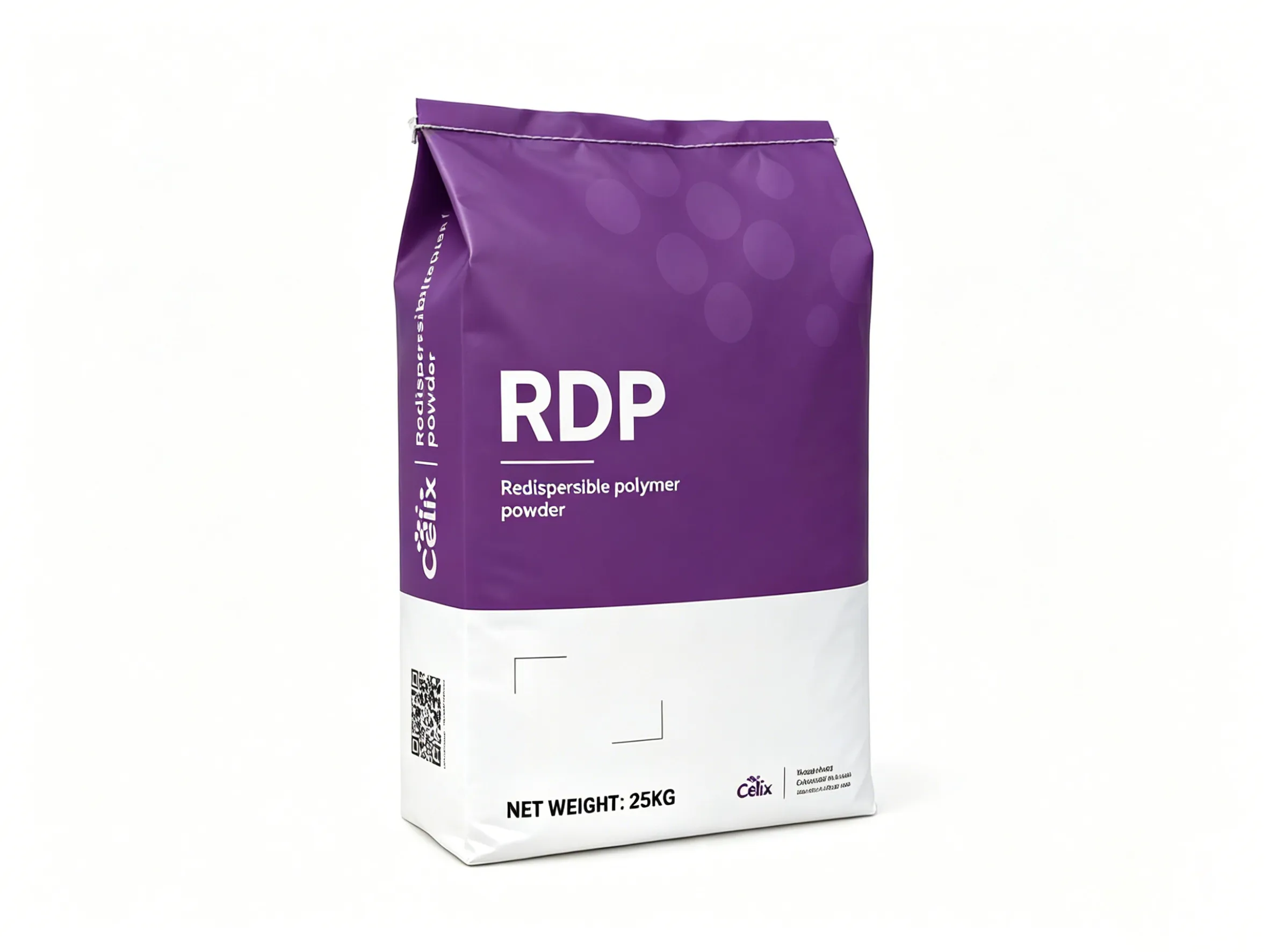

Celix Cellulose Co., Ltd, is an integrated chemical cellulose manufacturer with in-house R&D, factories, and global sales sites.
Our products include HPMC, HEC, MHEC, VAE RDP, PCE, PVA, Defoamers, PP fibers, HPS, SHP and Gypsum Retarder.


Celix Cellulose Co., Ltd, is an integrated chemical cellulose manufacturer with in-house R&D, factories, and global sales sites.
Our products include HPMC, HEC, MHEC, VAE RDP, PCE, PVA, Defoamers, PP fibers, HPS, SHP and Gypsum Retarder.
Quick Links
+8618330106777
info@celixcellulose.com