EN
EN
 jp
jp  ko
ko  es
es  ru
ru  pt
pt  th
th  ar
ar  vi
vi  id
id  kk
kk 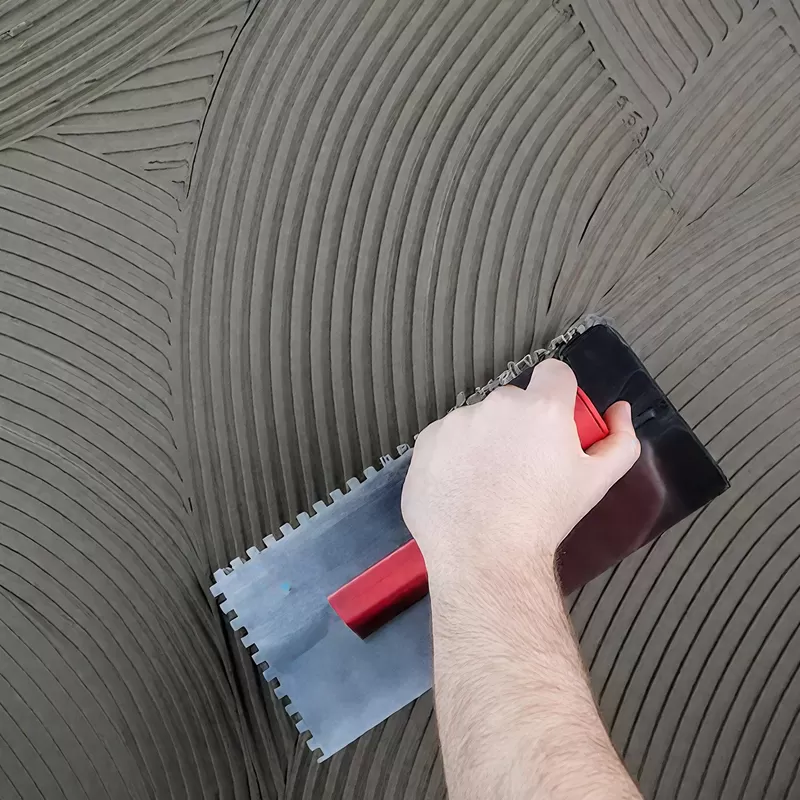
Construction
Build Better, Build Greener, with Celix HPMC

For procurement managers in the construction and chemical sectors, the question is always the same: "What is the HPMC price today, and where is it going tomorrow?" As we navigate the complexities of 2026, the global market for cellulose ethers continues to face a complex interplay of raw material availability, shifting energy policies, and logistics challenges.
At Celix, with over 18 years of manufacturing expertise and a 30,000-ton annual capacity, we believe that strategic procurement isn't just about finding the lowest number—it’s about ensuring the best total cost of ownership for your formulation.
The HPMC price trends 2026 show a market that is maturing but remains sensitive to external shocks. Unlike the volatility of previous years, the current market demands a deeper understanding of the "performance-to-price" ratio. Buyers who prioritize price alone often find themselves facing inconsistent batches, which can lead to disastrous results, such as the common skim coat cracking issues that plague many construction projects.
To make informed decisions, a Marketing Manager or Procurement Head must understand the three primary pillars that dictate HPMC pricing in today's market:
The cost of refined cotton linter and high-purity wood pulp—the essential precursors for the etherification process—accounts for nearly 60% of the total manufacturing cost. Variations in global agricultural yields and pulp production directly impact your per-ton cost.
Manufacturing Hydroxypropyl Methyl Cellulose is an energy-intensive process. As a leading HPMC manufacturer in China, Celix has invested heavily in sustainable technology. While environmental compliance can impact short-term production costs, it ensures a stable, long-term supply that is immune to sudden government shutdowns of non-compliant factories.
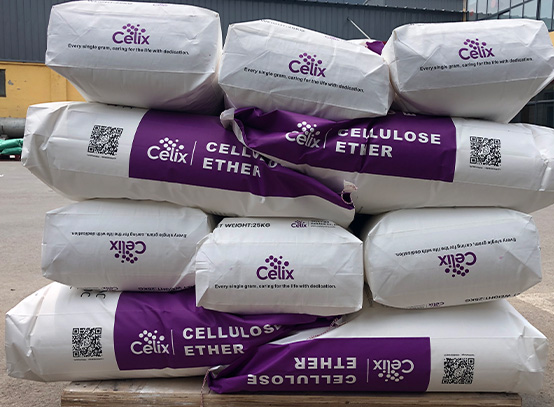
Shipping costs to key markets like Brazil, Mexico, Russia, and the Middle East remain a significant variable. Sourcing from a factory that offers optimized 25KG packaging for maximum container utilization can save you up to 8% in landed costs per shipment.Here is the video of Celix shipping
It is tempting to choose a supplier based solely on a quote that is $50 below the market average. However, the technical reality is often harsh. In our Celix Laboratory, we frequently analyze "budget" HPMC samples that have been adulterated with starch or inferior additives to lower the price.
The true cost of these products includes:
Inconsistent Batches: Batch-to-batch variation forces you to constantly adjust your production line.
Product Failure: Lower purity directly correlates with poor water retention, a fact we discussed in our guide to CAS 9004-65-3 quality standards .
Increased Dosage: Often, you need to add 20% more of a "cheap" HPMC to achieve the same viscosity as 100% pure Celix HPMC.
As a verified HPMC factory with a global footprint, Celix helps you balance your budget through technical optimization rather than price cutting. We recommend exploring our high-performance construction chemicals list to find the exact grade for your climate.
We support our partners with:
Price Stability Agreements: Protecting you from sudden market spikes.
Customized Formulations: Sometimes a modified grade like PM-Pro-AS2T can reduce your overall additive consumption, lowering your total cost per ton of mortar.
Lab-Verified Purity: Every 25KG bag comes with a guarantee of 99% consistency.
The 2026 HPMC market rewards the "educated buyer." By understanding the drivers behind the HPMC price and focusing on laboratory-verified quality, you can protect your margins and your brand reputation. Don't just buy a chemical; invest in a partnership that grows with your business.
Build Better, Build Greener, with Celix HPMC

Clean Safer, Care Smarter, with Celix Cellulose Ether

Drill Deeper, Operate Safer, with Celix Cellulose Ether

Formulate Precisely, Deliver Safely, with Celix Cellulose Ether

Taste Better, Keep Fresher, with Celix Cellulose Ether

Shape Stronger, Fire Smarter, with Celix Cellulose Ether
Contact Us

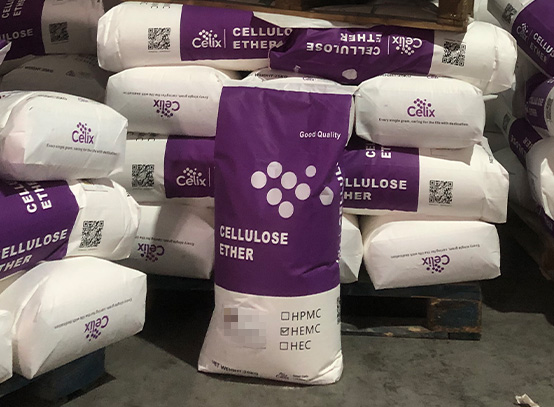

Celix Cellulose Co., Ltd, is an integrated chemical cellulose manufacturer with in-house R&D, factories, and global sales sites.
Our products include HPMC, HEC, MHEC, VAE RDP, PCE, PVA, Defoamers, PP fibers, HPS, SHP and Gypsum Retarder.


Celix Cellulose Co., Ltd, is an integrated chemical cellulose manufacturer with in-house R&D, factories, and global sales sites.
Our products include HPMC, HEC, MHEC, VAE RDP, PCE, PVA, Defoamers, PP fibers, HPS, SHP and Gypsum Retarder.
Quick Links
+8618330106777
info@celixcellulose.com