EN
EN
 jp
jp  ko
ko  es
es  ru
ru  pt
pt  th
th  ar
ar  vi
vi  id
id  kk
kk 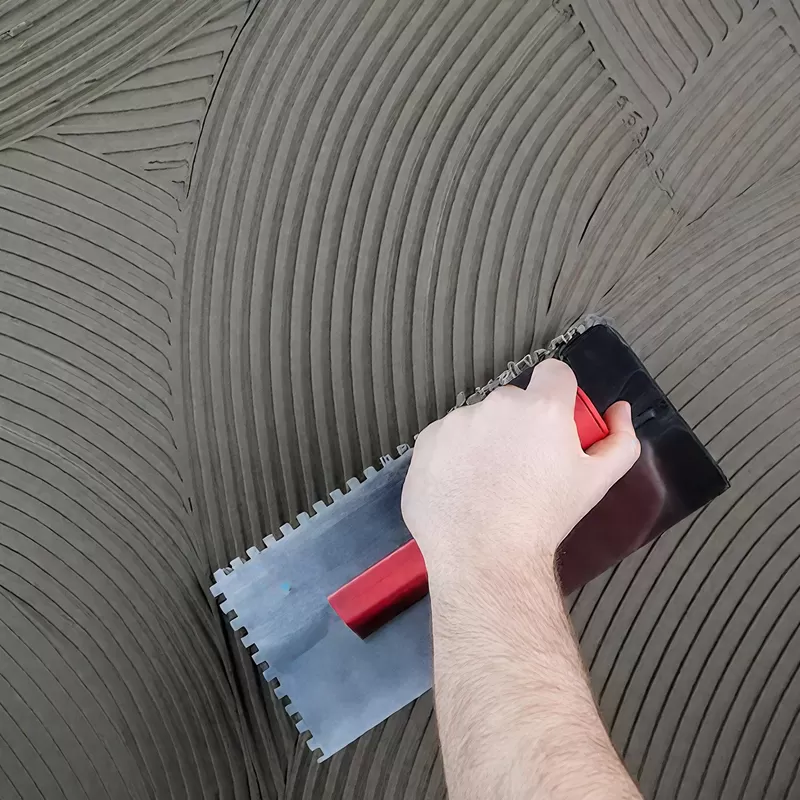
Construction
Build Better, Build Greener, with Celix HPMC

In modern construction, Hydroxypropyl Methylcellulose (HPMC) has become an indispensable chemical additive. Often referred to as the "industrial monosodium glutamate," this versatile cellulose ether plays a critical role in improving the performance of dry-mix mortars, adhesives, and coatings.
But what exactly makes industrial grade HPMC so vital in architecture?
Whether you are a building materials distributor, a mortar factory owner, or a procurement manager, understanding the core uses of HPMC in construction is key to optimizing your formulas and ensuring project quality.
Here is a comprehensive breakdown of the primary applications of HPMC in the building industry.
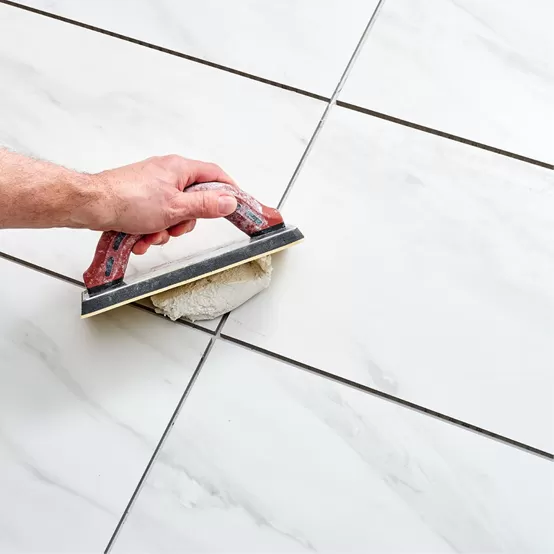
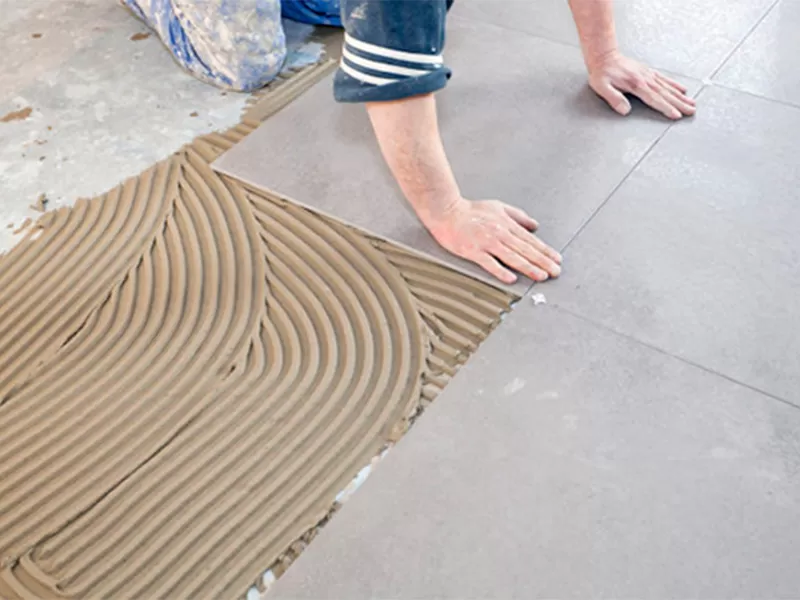
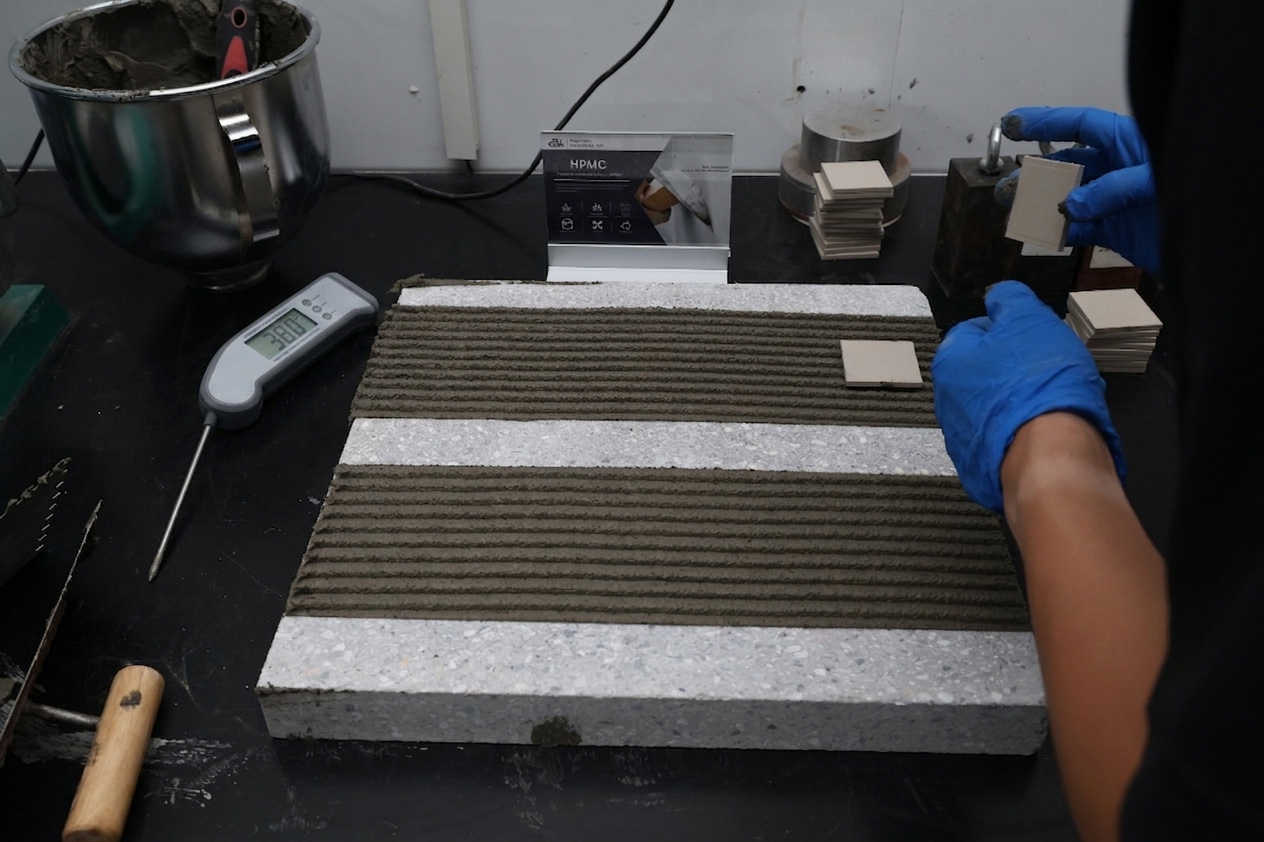
One of the most high-volume uses of HPMC in architecture is in cement-based tile adhesives.
Water Retention:HPMC prevents the substrate from absorbing water too quickly from the mortar, ensuring complete cement hydration and boosting bond strength.
Open Time Extension:It significantly extends the open time, giving construction workers a longer window to adjust tiles without the adhesive skinning over.
Sag Resistance (Anti-Slip):Modified HPMC grades provide excellent shear viscosity, preventing heavy porcelain or large-format tiles from sliding down vertical walls during installation.
For interior and exterior wall finishing, HPMC is the secret behind a smooth, crack-free surface.
Workability:Adding bulk HPMC powder to wall putty formulas drastically improves trowel application, reducing fatigue for painters.
Crack Prevention:By locking moisture within the skim coat layer, it stops premature drying, which is the leading cause of shrinkage cracks and chalking.
High Yield:It improves the volume consistency of the putty, ensuring better coverage per square meter.
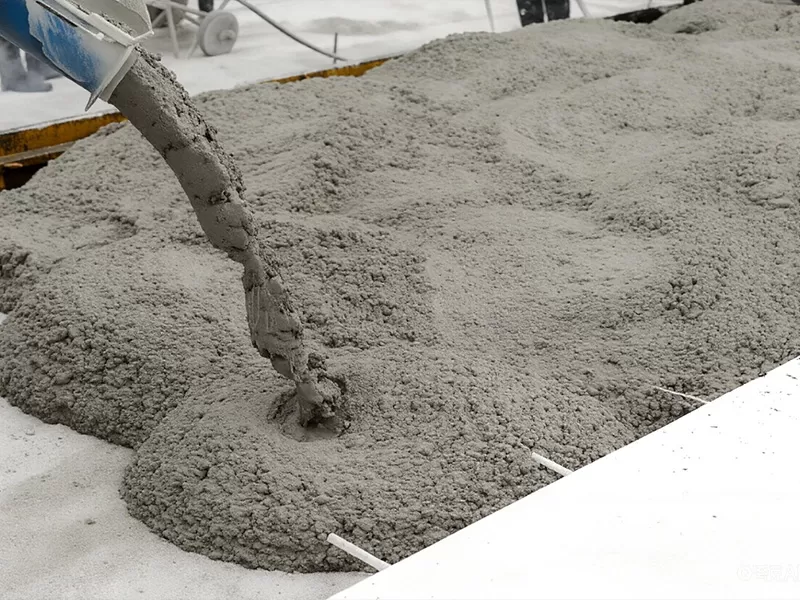
In flooring applications, consistency and fluidity are everything. HPMC is utilized here as an anti-segregation agent.
Preventing Bleeding:It increases the wet mortar's viscosity just enough to prevent sedimentation, ensuring that sand and heavy aggregates don't sink to the bottom while water rises to the top.
Flow Maintenance:It keeps the self-loading compound highly fluid and uniform, leading to a perfectly flat, smooth floor finish after curing.
As gypsum plaster gains popularity due to its fast-drying and eco-friendly properties, HPMC serves as a crucial modifier.
Water Consistency:Gypsum absorbs water rapidly. HPMC delays this process, allowing the plaster to be spread evenly over large areas.
Cohesion:It enhances the binding power of the plaster mix, reducing waste caused by material dropping off the walls during application.
In energy-efficient architecture, insulation boards (like EPS or XPS) require exceptionally strong bonding mortars.
Adhesion Layer Boost:HPMC enhances the wetting ability of the mortar onto the smooth plastic surface of insulation boards.
Thermal Shock Resistance:It ensures the mortar layer remains flexible enough to withstand external temperature fluctuations without delaminating.
From a chemical and structural standpoint, the architectural benefits of HPMC boil down to three core functions:
Core Function | Architectural Benefit | Typical Dry-mix Application |
Thickening Efficiency | Improves mix homogeneity and sag resistance. | Tile Adhesives, EIFS |
Superior Water Retention | Prolongs open time and ensures deep cement curing. | Wall Putty, Gypsum Plaster |
Air Entrainment | Enhances workability and plastic yield. | Renderings, External Plasters |
Understanding the uses of HPMC in architecture allows factories to fine-tune their dry-mix product lines for maximum competitiveness. However, achieving these results requires batch-to-batch stability and the right viscosity grade.
Partner with a Leading HPMC Manufacturer
At Celix Cellulose(https://wa.me/8618330106777), we operate a state-of-the-art plant with an annual capacity of 30,000 tons, supplying premium HPMC, HEMC, and RDP to over 150 countries. Whether you need an anti-slip modifier for tile adhesives or a high-purity thickener for wall putty, our technical team offers customized formulation services to fit your local climate and materials.
Build Better, Build Greener, with Celix HPMC

Clean Safer, Care Smarter, with Celix Cellulose Ether

Drill Deeper, Operate Safer, with Celix Cellulose Ether

Formulate Precisely, Deliver Safely, with Celix Cellulose Ether

Taste Better, Keep Fresher, with Celix Cellulose Ether

Shape Stronger, Fire Smarter, with Celix Cellulose Ether
Contact Us
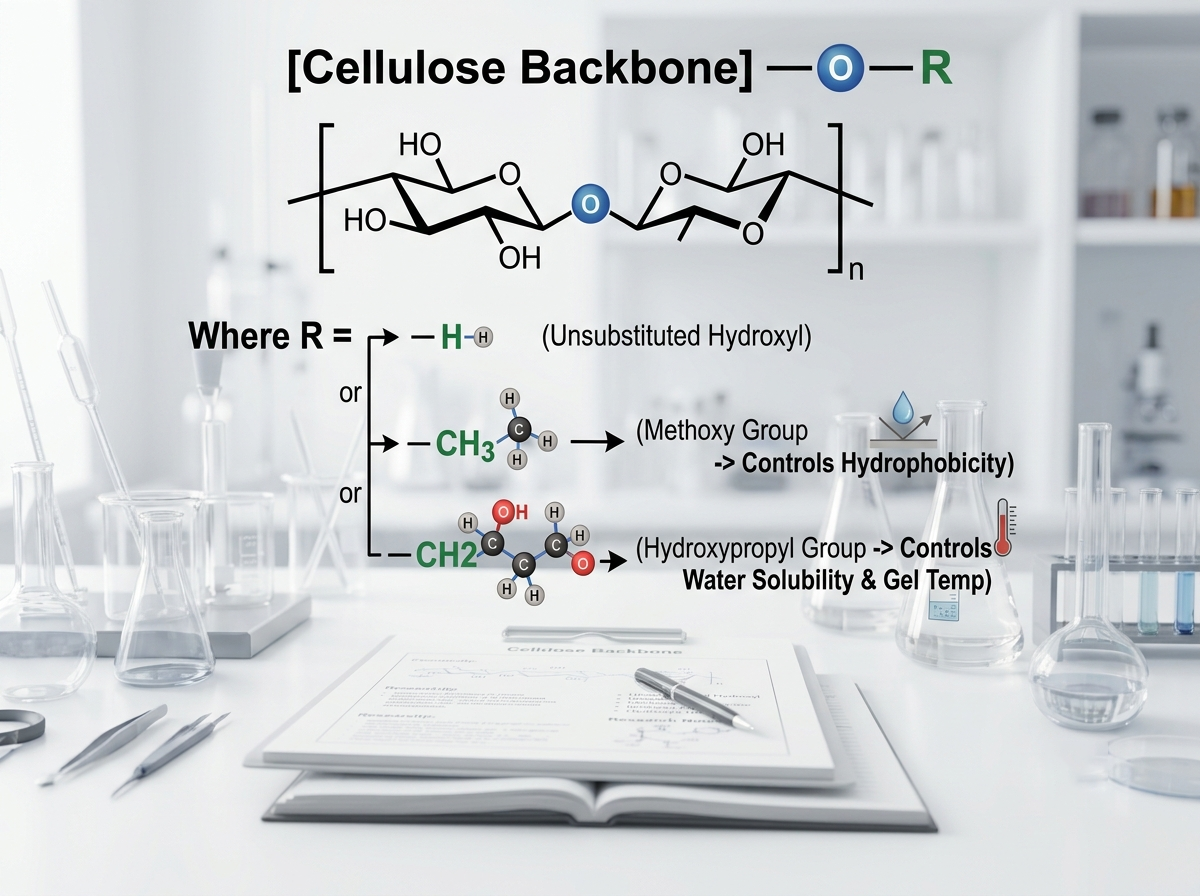
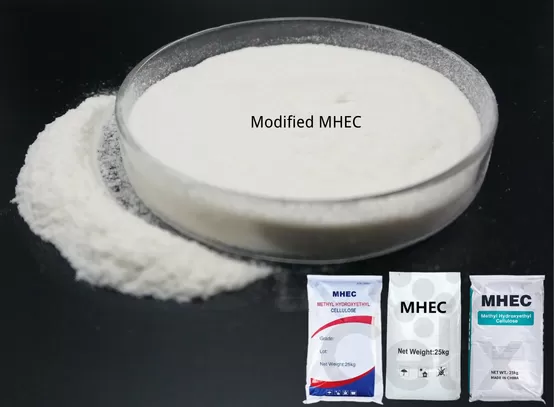

Celix Cellulose Co., Ltd, is an integrated chemical cellulose manufacturer with in-house R&D, factories, and global sales sites.
Our products include HPMC, HEC, MHEC, VAE RDP, PCE, PVA, Defoamers, PP fibers, HPS, SHP and Gypsum Retarder.


Celix Cellulose Co., Ltd, is an integrated chemical cellulose manufacturer with in-house R&D, factories, and global sales sites.
Our products include HPMC, HEC, MHEC, VAE RDP, PCE, PVA, Defoamers, PP fibers, HPS, SHP and Gypsum Retarder.
Quick Links
+8618330106777
info@celixcellulose.com