EN
EN
 jp
jp  ko
ko  es
es  ru
ru  pt
pt  th
th  ar
ar  vi
vi  id
id  kk
kk 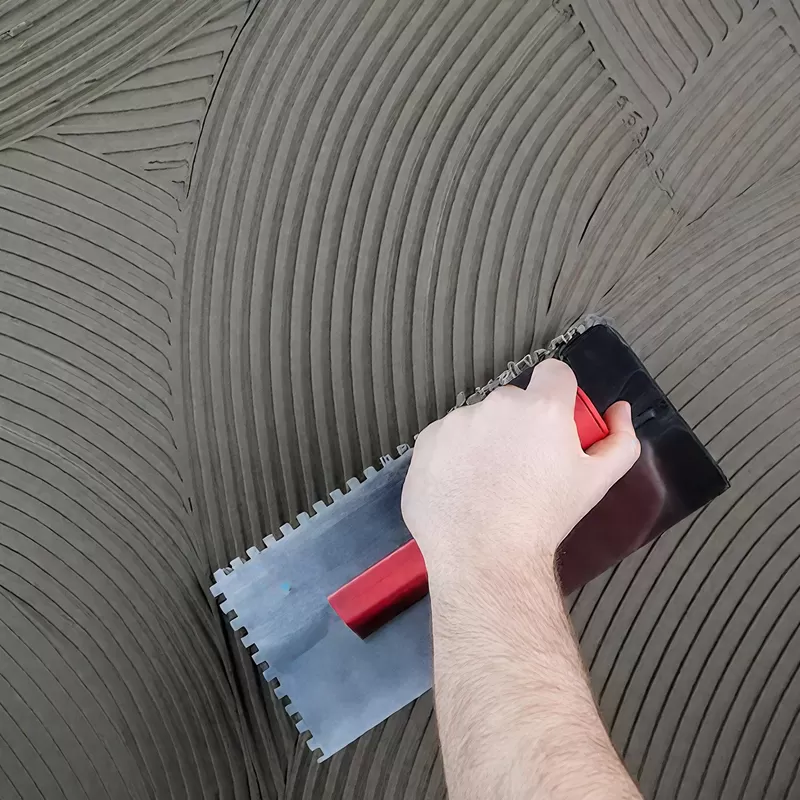
Construction
Build Better, Build Greener, with Celix HPMC

In cement mortar formulations, achieving the right balance of additives is critical for consistent performance. Among these additives, Hydroxypropyl Methyl Cellulose (HPMC) plays an important role in water retention, workability, adhesion, and open time. However, using the wrong HPMC dosage can create serious performance problems.
Adding too little HPMC may cause poor water retention, reduced adhesion, and faster drying, while excessive dosage can lead to slow setting, excessive air entrainment, and increased material cost.
For manufacturers and formulators, understanding how HPMC dosage affects mortar performance is essential for improving product quality and reducing formulation issues.
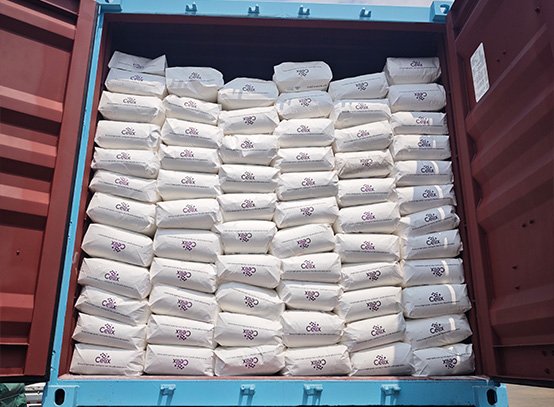
HPMC is a cellulose ether widely used as a functional additive in cement-based materials. It improves mortar performance by controlling water retention, viscosity, and rheological behavior.
In products such as tile adhesives, plastering mortar, and skim coats, the correct HPMC dosage helps maintain moisture during hydration, allowing cement particles to develop proper strength.
For example, HPMC for cement mortar is commonly selected based on factors such as cement content, aggregate type, required water retention, and application method. The optimal dosage is not a fixed number but depends on the complete formulation system.
A typical dosage range for HPMC in dry mix mortar is approximately 0.1%–0.5% of total dry formulation weight, although the exact amount varies depending on product requirements and HPMC grade.
Insufficient HPMC dosage is one of the most common reasons for poor mortar performance.
When too little HPMC is added, the mortar may experience:
The mortar loses water too quickly after application, especially on porous substrates. This can reduce cement hydration and weaken final bonding performance.
For applications such as tile installation, insufficient HPMC may cause the mortar surface to dry before tiles are properly positioned, resulting in reduced adhesion.
Low HPMC levels may make mortar harder to spread and less smooth during application, affecting construction efficiency.
These problems are especially common when manufacturers reduce additive dosage to lower costs without considering the impact on final product quality.
While increasing HPMC dosage can improve certain properties, excessive use may create new problems.
Excessive HPMC Dosage Issue | Possible Effect |
Higher viscosity | Mortar becomes difficult to mix and apply |
Excessive water retention | Longer drying time |
Increased air entrainment | Lower mechanical strength |
Higher cost | Reduced formulation efficiency |
Too much HPMC can make mortar feel sticky and reduce construction speed. In some cases, excessive viscosity may prevent proper leveling and negatively affect surface appearance.
For manufacturers producing premium dry mix products, dosage optimization is more important than simply increasing HPMC content.
Selecting the correct dosage requires evaluating multiple formulation factors.
Higher cement content may require different HPMC levels because more water is needed during hydration.
Different applications require different performance targets. For example:
Tile adhesive requires strong adhesion and suitable open time.
Plaster mortar requires excellent workability and water retention.
Self-leveling materials require controlled viscosity.
Products such as HPMC for tile adhesive are usually optimized for specific requirements, including sag resistance, adhesion strength, and smooth application.
Not all HPMC products perform the same way. Viscosity, particle size, substitution level, and gel temperature influence the final mortar properties.
When mortar performance problems occur, changing HPMC dosage should not be the only solution. Manufacturers should analyze the entire formulation.
Common troubleshooting steps include:
Checking the HPMC viscosity grade
Reviewing water-to-cement ratio
Testing mixing procedures
Evaluating sand quality and particle distribution
Adjusting other additives such as RDP or starch ether
Laboratory testing before commercial production helps identify the ideal formulation balance and prevents large-scale production issues.
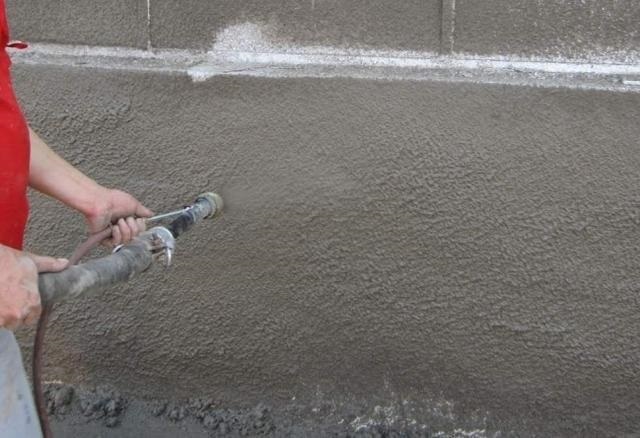
The quality consistency of HPMC directly affects mortar performance. Manufacturers should work with suppliers that provide stable product specifications, technical support, and application guidance.
A professional cellulose ether supplier should provide detailed technical data, including viscosity range, moisture content, purity, and recommended applications.
Celix provides cellulose ether solutions for construction applications, including HPMC products designed for cement mortar, tile adhesive, plaster, and other dry mix systems. With technical support and application expertise, Celix helps manufacturers optimize formulations for different market requirements.
The dosage typically ranges from around 0.1% to 0.5% of the dry mix formulation, but the optimal amount depends on the mortar type and performance requirements.
Yes. Excessive HPMC may increase air content and delay drying, which can negatively affect final mechanical properties.
Low dosage may cause poor water retention, reduced open time, lower adhesion, and difficult application.
Not necessarily. The correct viscosity depends on the application. Excessive viscosity can reduce workability.
Yes. HPMC improves water retention, workability, and open time, making it an important additive in tile adhesive formulations.
Manufacturers should consider application requirements, formulation composition, viscosity, and technical recommendations from an experienced supplier.
The correct HPMC dosage is essential for achieving balanced mortar performance. Too little HPMC can result in poor water retention and weak adhesion, while excessive dosage may cause slow drying, higher viscosity, and unnecessary costs. By evaluating formulation requirements, application conditions, and HPMC grade selection, manufacturers can achieve better product consistency. Working with an experienced supplier like Celix helps ensure reliable cellulose ether solutions for modern construction materials.
Build Better, Build Greener, with Celix HPMC

Clean Safer, Care Smarter, with Celix Cellulose Ether

Drill Deeper, Operate Safer, with Celix Cellulose Ether

Formulate Precisely, Deliver Safely, with Celix Cellulose Ether

Taste Better, Keep Fresher, with Celix Cellulose Ether

Shape Stronger, Fire Smarter, with Celix Cellulose Ether
Contact Us
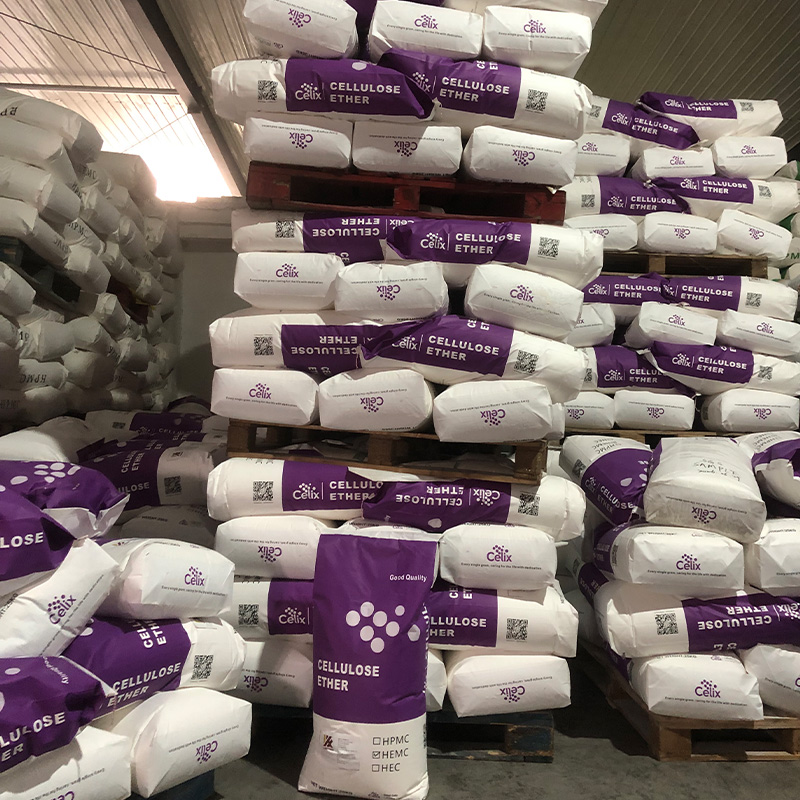

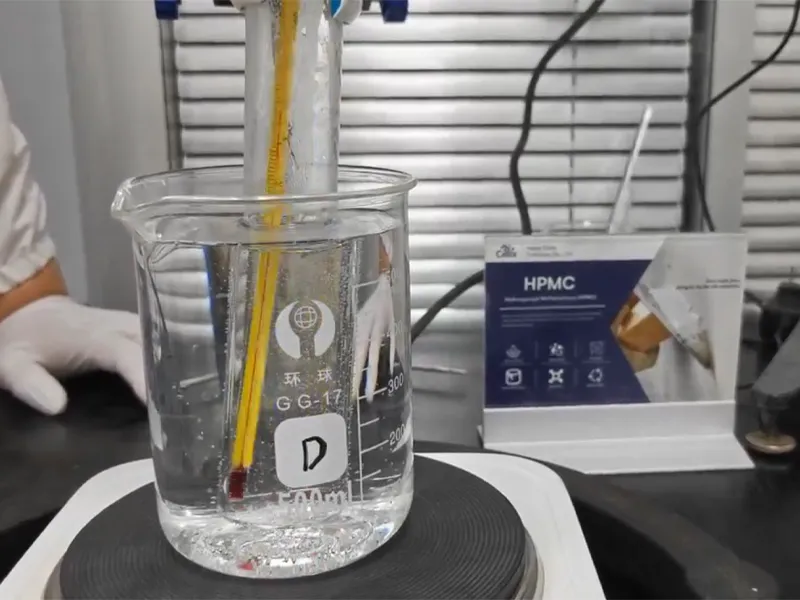

Celix Cellulose Co., Ltd, is an integrated chemical cellulose manufacturer with in-house R&D, factories, and global sales sites.
Our products include HPMC, HEC, MHEC, VAE RDP, PCE, PVA, Defoamers, PP fibers, HPS, SHP and Gypsum Retarder.


Celix Cellulose Co., Ltd, is an integrated chemical cellulose manufacturer with in-house R&D, factories, and global sales sites.
Our products include HPMC, HEC, MHEC, VAE RDP, PCE, PVA, Defoamers, PP fibers, HPS, SHP and Gypsum Retarder.
Quick Links
+8618330106777
info@celixcellulose.com