EN
EN
 jp
jp  ko
ko  es
es  ru
ru  pt
pt  th
th  ar
ar  vi
vi  id
id  kk
kk 
Construction
Build Better, Build Greener, with Celix HPMC

MHEC and HPMC are both essential cellulose ethers in modern construction, but they are not interchangeable. For tile adhesives, wall putty, plaster, skim coat, and dry-mix mortars, the right choice depends on water retention, workability, open time, temperature stability, and cost target.
As a leading cellulose ether manufacturer, Celix HPMC specializes in high-quality construction-grade solutions that improve efficiency, durability, and sustainability in building applications. This comprehensive guide compares MHEC vs HPMC in construction, providing data-driven insights to help you choose the right solution for your projects.
Methyl Hydroxyethyl Cellulose (MHEC) features methyl and hydroxyethyl groups substituted on the cellulose backbone. This structure delivers excellent hydrophilicity and thermal stability.
Hydroxypropyl Methyl Cellulose HPMC incorporates methyl and hydroxypropyl groups. It is prized for its versatile thickening, film-forming, and water-retention properties in alkaline environments like cement-based systems.
Both are non-ionic, water-soluble polymers derived from natural cellulose. They are added in small quantities (typically 0.1–0.5% by weight in dry-mix formulations) but dramatically improve mortar performance.
The biggest technical differences come from their substituent groups, which affect gel temperature, solubility, water retention behavior, and workability. Reported gel temperatures are typically around 60–75°C for HPMC and around 80°C or higher for MHEC, which gives MHEC an advantage in hot weather or high-temperature construction environments.
HPMC is commonly recognized for strong water retention and robust adhesion, while MHEC is often noted for smoother application, better flow, and better performance under heat. Several industry sources also note that MHEC can be more cost-effective in basic building materials, while HPMC is preferred in higher-performance systems.
Property | MHEC (Methyl Hydroxyethyl Cellulose) | HPMC (Hydroxypropyl Methyl Cellulose) | Typical Advantage |
Gel Temperature | Typically higher (often ≥80°C) | Usually 60–75°C | MHEC in hot environments |
Water Retention | Excellent water retention, especially in alkaline systems | Very good water retention and consistency | Both perform well |
Thickening & Rheology | Strong anti-sag performance and stability | Excellent workability and pseudoplasticity | HPMC for smooth application |
Thermal Stability | Better resistance to high temperatures | Good thermal performance | MHEC |
Adhesion & Open Time | Good adhesion and workable open time | Often superior open time in tile adhesives | HPMC |
Cost Efficiency | Can be more cost-effective in some markets | Often positioned as premium grade | Depends on formulation |
Typical Dosage | 0.1–0.4% | 0.15–0.5% | Similar |
This table reflects the most common formulation patterns used in construction-grade cellulose ethers. Final selection still depends on viscosity grade, substitution level, cement system, gypsum system, and local climate.
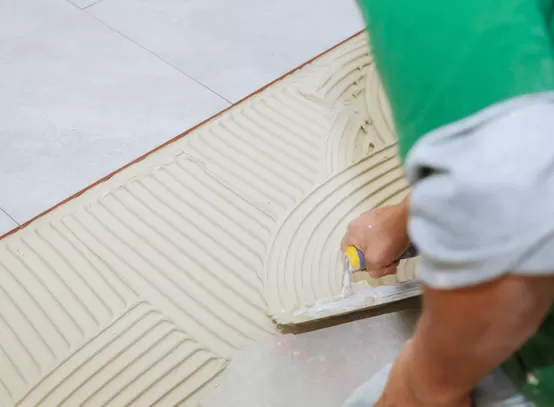
HPMC for Construction excels in tile adhesives, self-leveling compounds, and cement-based renders. Its balanced properties provide longer open time, better slip resistance, and improved workability. Construction HPMC is particularly effective in EIFS (Exterior Insulation and Finishing Systems) and gypsum plasters, where consistent hydration is essential.
MHEC shines in high-temperature applications or gypsum-based plasters and exterior coatings. Its higher gel temperature prevents premature gelling during hot-weather mixing and application, making it popular in regions with extreme climates. MHEC often delivers superior sag resistance and uniform water distribution.
Global cellulose ether market (including HPMC and MHEC) was valued at approximately USD 8.3 billion in 2024 and is projected to reach USD 21.7 billion by 2034, growing at a CAGR of 10.1%. Construction remains a dominant driver.
At Celix HPMC, we produce premium construction HPMC and related cellulose ethers under strict ISO and ASTM standards. Our products are engineered for maximum batch-to-batch consistency, ensuring reliable performance in tile adhesives, skim coats, and repair mortars.
Whether you need standard or modified grades, Celix solutions help manufacturers reduce material waste, improve productivity, and meet green building certifications. Explore our full range and see why contractors worldwide trust Celix for superior results.
1. What is the main difference between MHEC and HPMC?
MHEC has hydroxyethyl groups and higher gel temperature (≥80°C), while HPMC features hydroxypropyl groups with gel temperature around 60–75°C. This affects thermal stability and suitability for different climates.
2. Which is better for hot weather construction: MHEC or HPMC?
MHEC generally performs better in high temperatures due to its superior thermal stability and resistance to premature gelling.
3. Can HPMC and MHEC be used interchangeably in tile adhesives?
Not always. Construction HPMC often provides better open time and adhesion in cement-based adhesives, while MHEC may be preferred for sag resistance. Testing in your specific formulation is recommended.
4. How much cellulose ether is typically added to dry-mix mortar?
Dosage usually ranges from 0.1% to 0.5% by weight, depending on viscosity grade and desired performance.
5. Is one more cost-effective than the other?
MHEC can offer better value in certain high-temperature or gypsum applications, while premium hydroxypropyl methyl cellulose HPMC justifies its use through broader versatility and performance consistency.
6. Are Celix products suitable for sustainable building projects?
Yes. As a responsible cellulose ether manufacturer, Celix HPMC offers low-VOC, bio-based additives that support green certifications and improve energy efficiency in modern buildings.
Choosing between MHEC and HPMC in construction depends on your specific needs: temperature conditions, substrate type, and performance priorities. HPMC delivers outstanding versatility and workability for most modern dry-mix applications, while MHEC excels in heat resistance and certain gypsum systems.
At Celix HPMC, we’re committed to helping you achieve superior building outcomes with high-performance cellulose ethers.
Contact our technical team today for formulation guidance, samples, or custom solutions.
Build Better, Build Greener, with Celix HPMC

Clean Safer, Care Smarter, with Celix Cellulose Ether

Drill Deeper, Operate Safer, with Celix Cellulose Ether

Formulate Precisely, Deliver Safely, with Celix Cellulose Ether

Taste Better, Keep Fresher, with Celix Cellulose Ether

Shape Stronger, Fire Smarter, with Celix Cellulose Ether
Contact Us
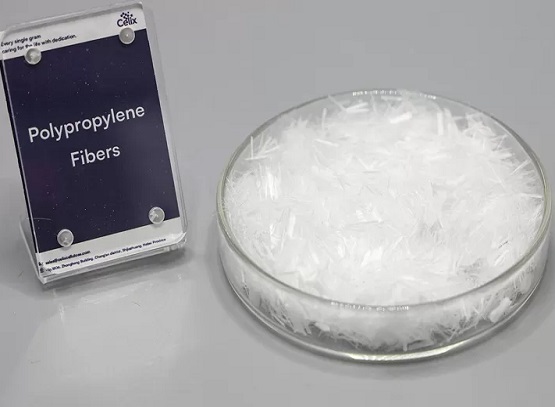
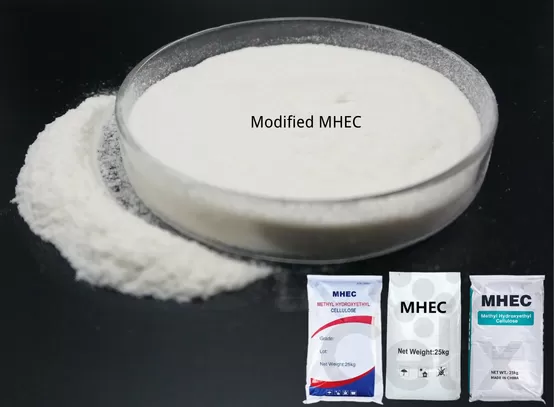

Celix Cellulose Co., Ltd, is an integrated chemical cellulose manufacturer with in-house R&D, factories, and global sales sites.
Our products include HPMC, HEC, MHEC, VAE RDP, PCE, PVA, Defoamers, PP fibers, HPS, SHP and Gypsum Retarder.


Celix Cellulose Co., Ltd, is an integrated chemical cellulose manufacturer with in-house R&D, factories, and global sales sites.
Our products include HPMC, HEC, MHEC, VAE RDP, PCE, PVA, Defoamers, PP fibers, HPS, SHP and Gypsum Retarder.
Quick Links
+8618330106777
info@celixcellulose.com