EN
EN
 jp
jp  ko
ko  es
es  ru
ru  pt
pt  th
th  ar
ar  vi
vi  id
id  kk
kk 
Construction
Build Better, Build Greener, with Celix HPMC

In the flooring industry, a self-leveling compound that doesn't stay "level" is a recipe for disaster. I've seen many projects where the surface looks perfect while wet, but as it dries, a thin layer of water appears on top (bleeding) or the sand settles at the bottom (segregation). This isn't just an aesthetic flaw; it results in a weak, dusty surface that will eventually crack or peel. At Celix Cellulose, we know that achieving the perfect flow requires more than just a liquid mix—it requires a stabilized suspension.
Bleeding occurs when the water separates from the solid particles and rises to the surface. Segregation is the opposite—where the heavy aggregates (like sand) sink because the slurry lacks enough "internal friction" to hold them in place. Both issues lead to an inconsistent density across the floor's thickness.
If your self-leveling mix shows a watery surface, your Self-leveling mortar additive is likely failing to regulate the water demand properly. For a project manager, this means the finished floor will lack the compressive strength required for high-traffic environments.
A common mistake in self leveling compounds is using a high-viscosity HPMC to stop bleeding. While this may prevent water from rising, it also reduces the material’s flow. If the compound becomes too thick, it won’t level itself, leaving a wavy surface that requires manual smoothing.
For self-leveling applications, we specifically developed the PM-4H series. This low-viscosity Modified HPMC is designed to work in synergy with Polycarboxylate Superplasticizers (PCE).
Why PM-4H is the industry standard:
Rapid Dispersion: It dissolves instantly without forming lumps that could cause surface pits.
High Suspension Power: Even at low dosages, it keeps aggregates in suspension, preventing the "sandy bottom" effect.
Enhanced Workability: It provides a "creamy" consistency that allows for easy pumping and troweling over large areas.
At Celix Cellulose, we believe that floor integrity shouldn't be a gamble. Every batch of our construction chemicals undergoes rigorous application-oriented testing.
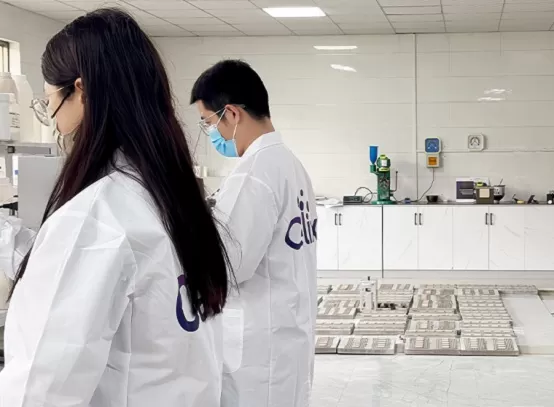
We don't just measure the powder in a lab; we mix a full batch of self-leveling mortar and perform a Flow Table Test. We observe the slurry for 30 minutes to ensure no bleeding occurs at the edges of the flow circle. By utilizing automated process monitoring, we eliminate the batch-to-batch drift that causes on-site failures. When you use Celix, you are getting the engineering certainty required for a flawless, crack-free finish.

Don't let segregation ruin your flooring reputation. Partner with the technical experts at Celix Cellulose to find the precise grade of HPMC or HEMC for your specific formula. We provide the stability you need to stay flat.
Build Better, Build Greener, with Celix HPMC
Clean Safer, Care Smarter, with Celix Cellulose Ether

Drill Deeper, Operate Safer, with Celix Cellulose Ether

Formulate Precisely, Deliver Safely, with Celix Cellulose Ether

Taste Better, Keep Fresher, with Celix Cellulose Ether

Shape Stronger, Fire Smarter, with Celix Cellulose Ether
Contact Us
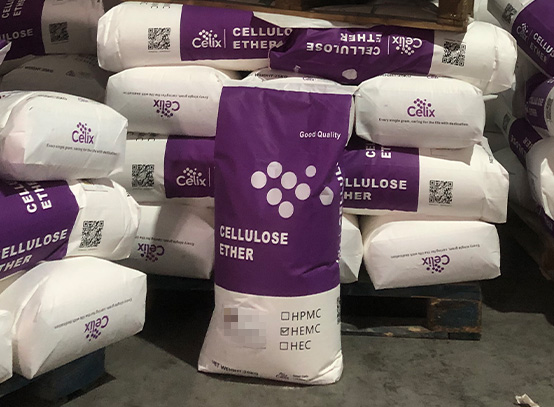
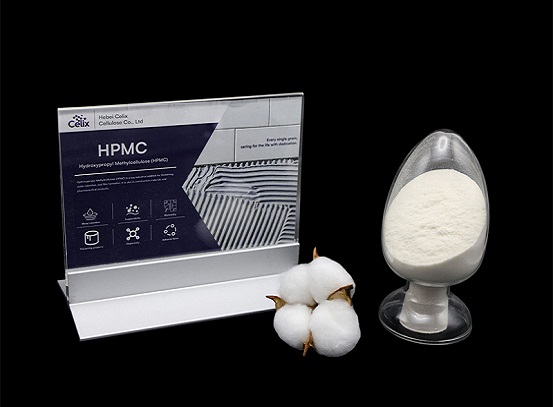

Celix Cellulose Co., Ltd, is an integrated chemical cellulose manufacturer with in-house R&D, factories, and global sales sites.
Our products include HPMC, HEC, MHEC, VAE RDP, PCE, PVA, Defoamers, PP fibers, HPS, SHP and Gypsum Retarder.


Celix Cellulose Co., Ltd, is an integrated chemical cellulose manufacturer with in-house R&D, factories, and global sales sites.
Our products include HPMC, HEC, MHEC, VAE RDP, PCE, PVA, Defoamers, PP fibers, HPS, SHP and Gypsum Retarder.
Quick Links
+8618330106777
info@celixcellulose.com