EN
EN
 jp
jp  ko
ko  es
es  ru
ru  pt
pt  th
th  ar
ar  vi
vi  id
id  kk
kk 
Construction
Build Better, Build Greener, with Celix HPMC

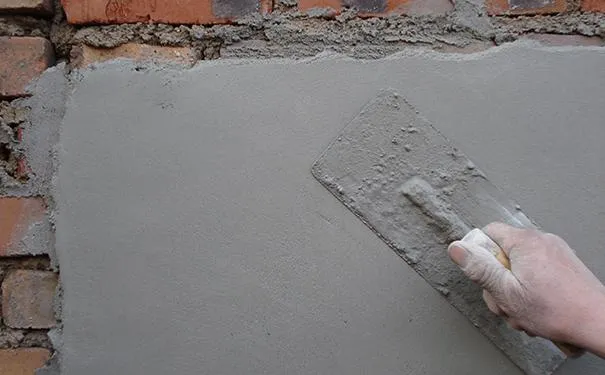
In Sub-Saharan Africa's booming construction markets—from Lagos and Nairobi to Addis Ababa—rapid urbanization is driving massive demand for high-quality cement based plaster and render plaster systems. However, dry-mix producers and contractors across the region consistently face a frustrating jobsite headache: wet mortar sagging and sliding down vertical masonry walls during manual or spray application.
When plaster slumps under its own weight, it leads to uneven wall thickness, severe surface cracking, excessive material waste, and costly labor delays. While workers on site often blame low-quality local cement or poor sand grading, the root cause almost always boils down to uncontrolled thixotropy, thermal water loss, and unoptimized hydroxypropyl methylcellulose HPMC additives.
Here is an in-depth technical analysis on why plaster sags under Sub-Saharan working conditions and how optimizing your hpmc cellulose formulation eliminates anti-sag issues for good.
Achieving excellent anti-sag resistance requires maintaining high yield stress under static conditions while allowing the wet mix to flow easily when troweled. In Sub-Saharan Africa, three extreme environmental and operational factors severely disrupt this rheological balance:
Extreme Ambient Heat & Direct Sun: Temperatures across Central and West Africa frequently exceed 35℃(95℉).High heat accelerates water evaporation from fresh wet plaster and can trigger premature thermal gelation of lower-grade cellulose ether, causing the polymer network to break down and lose dynamic viscosity.
Aggressive Substrate Absorption: Most regional construction relies on hollow concrete blocks, red clay bricks, or porous tuff stones. Without adequate water retention in the plaster, these dry substrates instantly suck water out of the mortar matrix, destroying its internal cohesion and causing fresh layers to slump or peel off.
Unregulated On-Site Water Addition: Laborers often add unmeasured amounts of water into the mortar mixer to make troweling feel "easier" or to compensate for hot weather. Excess water dilutes the polymer concentration, reducing static yield stress to near zero.
To stop mortar from sliding, your dry-mix formulation needs a additive that delivers pseudoplastic thixotropy—meaning high viscosity at rest (to resist gravity) and low viscosity under shear stress (for easy troweling).
This is where hydroxypropyl methyl cellulose HPMC serves as the ultimate rheology modifier:
Under Shear (Troweling): As the mason applies force with a trowel or spray nozzle, long-chain hydroxypropyl methylcellulose molecules align in the direction of flow. Apparent viscosity drops immediately, enabling effortless spreading and smooth application.
At Rest (Mortar on Wall): The instant shear force ceases, the cellulose ether polymer chains entangle back into a dense 3D network with hydrogen bonds. This instantly rebuilds high static yield stress, locking heavy mortar layers up to15-20mm thick onto vertical walls without sagging.
Many dry-mix producers falsely believe that simply purchasing the highest brookfield viscosity grade(e.g.,200,000mpa·s)will automatically solve sag issues. In reality, anti-sagging depends on the structural balance between polymer viscosity, etherification degree, and modified rheology agents.
A.Viscosity Range Selection
40,000 to 75,000 mPa.s: Ideal for machine-sprayed plasters where lower line pressure and high fluidity are required.
100,000 to 150,000 mPa.s: The gold standard for manual cement based plaster, external wall renders, and hpmc for skim coat applications.
200,000 mPa.s and above: Extremely high viscosity. While it offers heavy thickener properties, excessive molecular weight can make mortar sticky ("stringy" or "gummy"), increasing trowel resistance and worker fatigue in hot climates.
B. Modified HPMC vs. Pure HPMC
Standard pure HPMC primarily provides water retention and general thickening. To achieve superior heavy-layer anti-sagging without making the mortar overly sticky, formulation engineers utilize modified HPMC polymer blends. These modified grades incorporate specialized thixotropic slip-reducing agents that enhance static yield strength by up to 40%.
If your clients in Sub-Saharan Africa are reporting plaster slump or wall peeling, adjust your dry-mix batch formulation using these field-proven ratios:
| Raw Material Component | Standard Baseline Formula | Hot Climate & Heavy Plaster Formula | Technical Purpose & Impact |
| OPC Cement (42.5N) | 12%-15% | 14%-18% | Boosts early inorganic strength and hydration matrix. |
| Hydrated Lime | 3%-5% | 4%-6% | Enhances plastic workability and natural water resistance. |
| Graded Quartz Sand(0.1-1.2mm) | 78%-82% | 75%-80% | Optimizes aggregate packing density to lower binder demand. |
| Celix Modified HPMC (100k - 150k Viscosity) | 0.15%-0.25% | 0.25%-0.35% | Delivers superior water retention and pseudoplastic anti-sagging. |
| Starch Ether (HPS) | 0.00% | 0.03%-0.05% | Delivers superior water retention and pseudoplastic anti-sagging. |
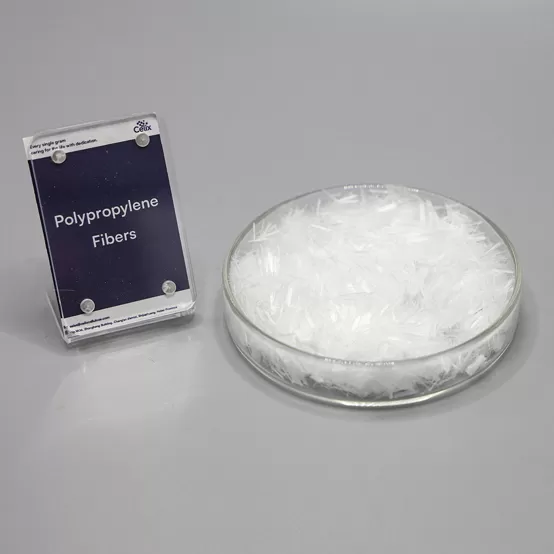
| Polypropylene Fibers (PP Fiber 6mm) | 0.00% | 0.05%-0.10% | Provides micro-reinforcement against plastic shrinkage cracking. |
Key Formulation Tips for African Climate:
Incorporate Starch Ether (HPS): Adding just 0.03%-0.05% Hydroxypropyl Starch Ether alongside hpmc polymer dramatically increases plaster thixotropy, allowing thick 20mm single-coat passes with zero slump.
Upgrade Water Retention Rate: In hot environments(>30℃),specify hydroxypropyl methyl cellulose grades with a water retention rate of≥98%.This prevents dry substrates from sapping mortar water before hydration completes.
Control Fine Sand Content: Ensure sand contains less than 3% silt/clay. High mud content consumes cellulose ether, requiring higher polymer dosages to maintain viscosity.
Before dispatching bulk dry-mix mortar shipments to jobsites, perform these three rapid laboratory quality tests:
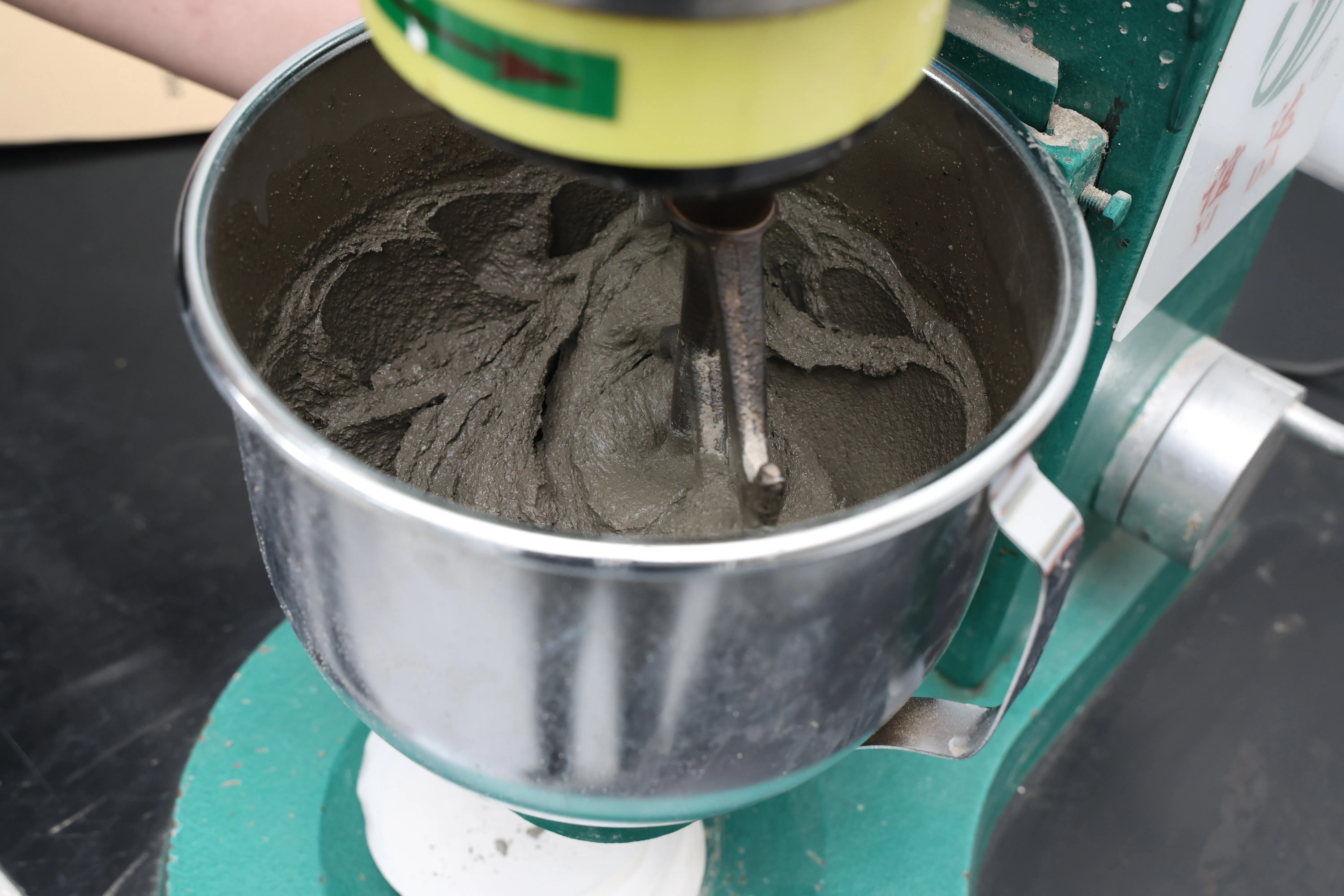
Trowel Angle Test: Mix mortar with target water ratio. Scoop a 15mm layer onto a smooth steel trowel and turn it vertically(90°). High-quality anti-sag plaster will adhere firmly without sliding for over 60 seconds.
Vertical Channel Sag Test: Apply a 20mm thick strip of plaster onto an un-wetted hollow concrete block. Cut horizontal grooves across the plaster. Observe if the upper ridges sag or slump into the channels over 15 minutes.
Water Retention & Temperature Gelation Test: Measure viscosity retention at 20℃ vs.40℃. Premium hydroxy methyl cellulose maintains its gel network structure even under high ambient slurry temperatures.
Solving anti-sagging issues in challenging tropical climates requires consistent, high-purity chemical additives designed for extreme conditions.
As an international cellulose ether factory, Hebei Celix Cellulose Co., Ltd.(Celix) produces specialized grades of hydroxypropyl methylcellulose (HPMC), HEMC, and redispersible polymer powder (VAE RDP) tailored specifically for global dry-mix exporters and local African manufacturers.
By controlling etherification substitution levels, brookfield viscosity ranges, and thermal stability profiles, Celix additives empower formulators to produce smooth, non-sagging, crack-resistant cementitious plasters that handle hot weather and rough jobsite conditions with ease.
Build Better, Build Greener, with Celix HPMC

Clean Safer, Care Smarter, with Celix Cellulose Ether

Drill Deeper, Operate Safer, with Celix Cellulose Ether

Formulate Precisely, Deliver Safely, with Celix Cellulose Ether

Taste Better, Keep Fresher, with Celix Cellulose Ether

Shape Stronger, Fire Smarter, with Celix Cellulose Ether
Contact Us
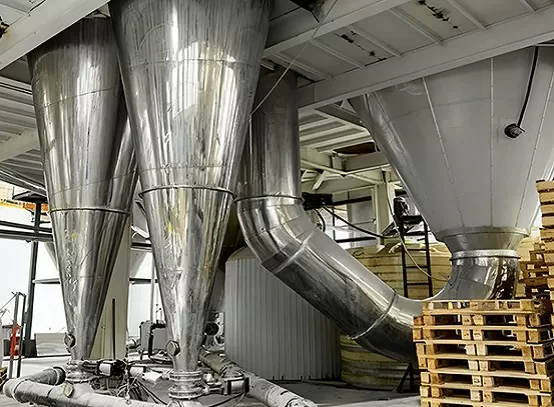

Celix Cellulose Co., Ltd, is an integrated chemical cellulose manufacturer with in-house R&D, factories, and global sales sites.
Our products include HPMC, HEC, MHEC, VAE RDP, PCE, PVA, Defoamers, PP fibers, HPS, SHP and Gypsum Retarder.


Celix Cellulose Co., Ltd, is an integrated chemical cellulose manufacturer with in-house R&D, factories, and global sales sites.
Our products include HPMC, HEC, MHEC, VAE RDP, PCE, PVA, Defoamers, PP fibers, HPS, SHP and Gypsum Retarder.
Quick Links
+8618330106777
info@celixcellulose.com