EN
EN
 jp
jp  ko
ko  es
es  ru
ru  pt
pt  th
th  ar
ar  vi
vi  id
id  kk
kk 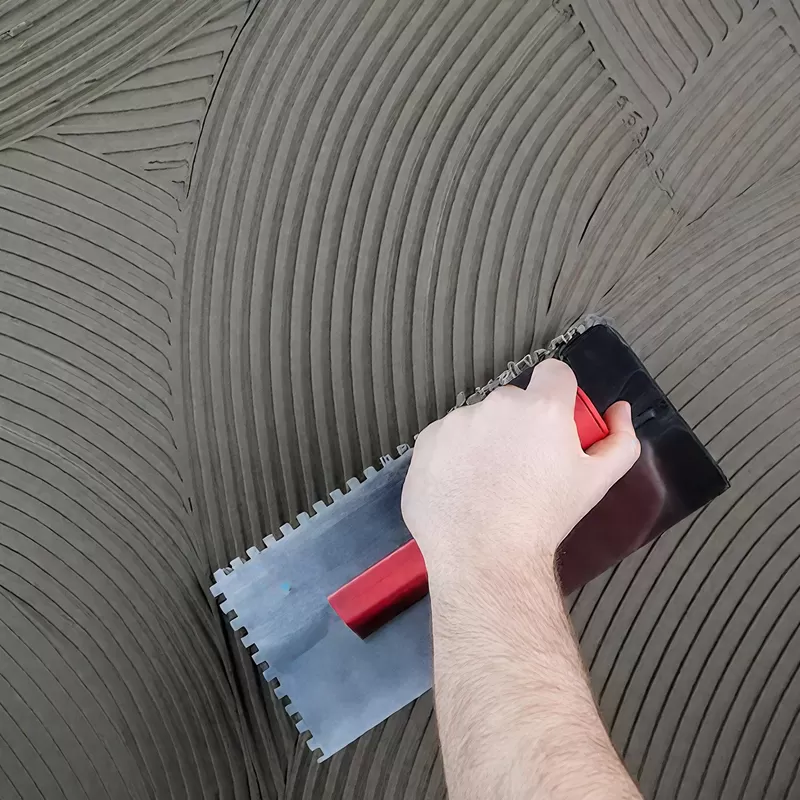
Construction
Build Better, Build Greener, with Celix HPMC

Installing small ceramic tiles relies heavily on mechanical keying as porous tile backs absorb water from wet cement. In contrast, modern sintered porcelain slabs present three critical engineering challenges:
Impermeable Vitrified Backs: Porcelain slabs do not absorb water, making mechanical interlock impossible. Adhesion must rely entirely on polymer chemical bonding and interfacial film contact.
Extreme Gravitational Shear: A single 1200*2400mm slab can weigh over 35kg Without high static yield stress, fresh mortar compresses under gravity, causing the slab to slide down walls during vertical installation.
Severe Thermal & Structural Stresses: In the Middle East, ambient jobsite temperatures frequently exceed40℃(104℉),while European interiors frequently feature underfloor heating systems. Thermal expansion and contraction generate massive shear stress across the tile-substrate interface.
To withstand these forces, European and Middle Eastern standards demand high-performance tile adhesive C2 classifications (specifically C2TE, C2TE S1, or C2TE S2 compliant with ISO 13007 / EN 12004).
To pass C2TE certification and prevent jobsite failures, a c2 flexible tile adhesive depends on three vital rheological properties controlled by hydroxypropyl methylcellulose HPMC for Tile Adhesive:
Vertical Anti-Slip(T≤0.5mm): Under high shear during troweling, the adhesive must spread smoothly; under static gravity, it must instantaneously build high yield stress to hold heavy slabs in place without sagging.
Extended Open Time(E≥30min): High ambient temperatures and dry wind rapidly pull moisture from wet adhesive surfaces. If skinning occurs before the slab is embedded, wet contact area drops below90%, leading to hollow voids and debonding.
Tensile Adhesion Strength(≥1.0N/mm2): Polymer chains must form a continuous film across the interface, maintaining high bond strength even after heat aging, water immersion, and freeze-thaw cycles.
Standard, unmodified hydroxypropyl methyl cellulose (pure 100k–200k viscosity) provides excellent water retention, but it falls short when handling heavy porcelain slabs:
Plexus Network Breakdown: Unmodified cellulose ether creates a sticky wet mortar that pulls against the trowel, yet lacks the pseudoplastic thixotropy needed to resist downward slab displacement.
Premature Skinning in Hot Climates: In Middle Eastern jobsite heat, unmodified HPMC forms a dry surface skin within 10 to 15 minutes, drastically shortening tile adhesive open time.
Modified HPMC for tile adhesive solves this problem. By chemically modifying the cellulose ether structure with specialized functional groups and thixotropic agents, modified HPMC dramatically lowers troweling resistance while boosting static yield stress and skinning resistance.
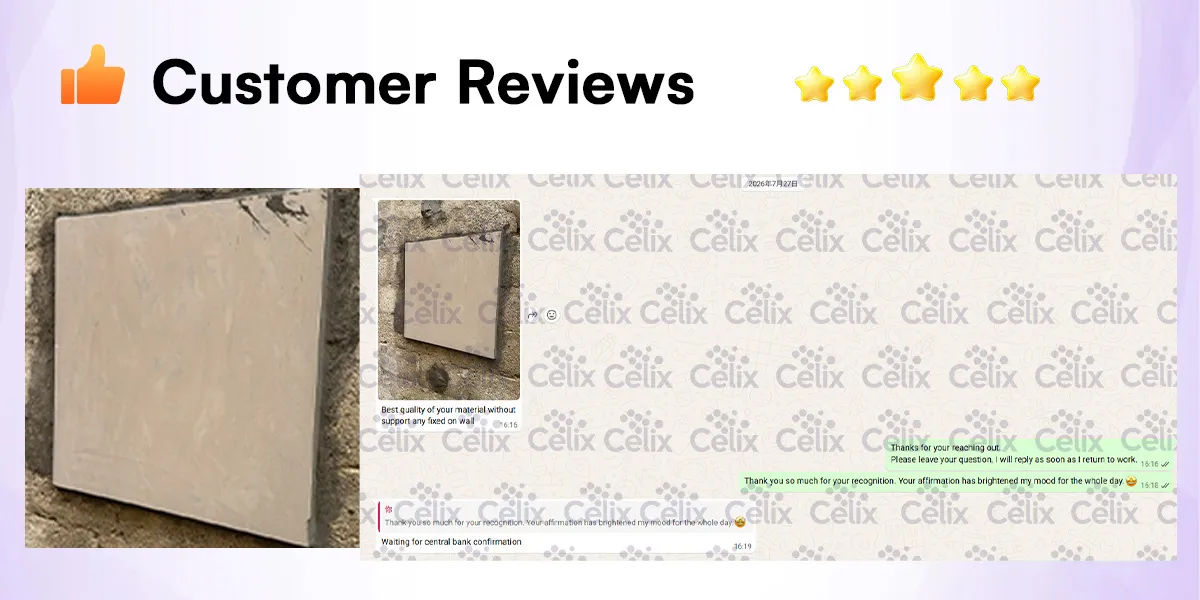
A leading regional dry-mix tile adhesive mortar manufacturer supplying high-end commercial projects across the GCC (Saudi Arabia, UAE) and Southern Europe was experiencing frequent contractor complaints. Their C2TE adhesive was suffering from surface skinning within 15 minutes under GCC summer heat, causing large-format slabs to slip on vertical facades.
The Formulation Upgrade:
After technical consultation with the Celix factory application laboratory, the manufacturer replaced their standard 100,000 mPa·s cellulose ether with Celix Modified HPMC for tile adhesive (Celix-Pro Series) at a dosage of 0.35%-0.40%, combined with 0.03% Hydroxypropyl Starch Ether.
The Results & Client Feedback:
Zero Slab Slippage: Vertical slip on 600×1200mm porcelain tiles dropped from 1.2mm to under 0.2mm (T rating fully achieved).
Extended Open Time: Wet contact area remained over90% even after 30 minutes of open-air exposure at 35℃.
Outstanding Field Feedback: The client expressed complete satisfaction with Celix HPMC for tile adhesive, reporting that jobsite applicators praised the effortless troweling feel, zero slab sag, and superior bond security. The manufacturer has since standardized Celix Modified HPMC across all C2TE and C2TES1 product lines.
To assist dry-mix formulators in achieving optimal performance, the Celix lab recommends the following parameter guidelines for large-format tile installation:
| Performance Parameter | C1 Standard Tile Adhesive | C2TE Large-Format Tile Adhesive | C2TES1 / S2 Premium Slab Adhesive |
| Recommended HPMC Grade | Standard HPMC (40k–100k) | Celix Modified HPMC (40k–70k) | Celix Premium Modified HPMC |
| HPMC Dosage Range | 0.20%-0.30% | 0.30%-0.40% | 0.35%-0.50% |
| VAE RDP Polymer Powder | 0.5%-1.5% | 2.0%-3.5% | 4.0%-6.0% |
| Open Time (EN 1346) | ≥20min (≥5N/mm2) | ≥30min (≥0.5N-mm2) | ≥30min (≥1.0N-mm2) |
| Slip Resistance (EN 1308) | <1.0mm | ≤0.5mm | ≤0.2mm |
High-Value External Standards & Industry References
To verify your formulation parameters against international engineering frameworks, consult these technical resources:
ISO 13007-1 Tile Adhesives Classification: ISO 13007 Official Standard for C1/C2, Slip (T), and Open Time (E) test definitions.
EN 12004 European Mortar Testing Framework: European Committee for Standardization (CEN) guidelines for deformable adhesives (S1/S2).
ASTM C1583 Tensile Bond Testing: ASTM International standard test method for direct tension pull-off strength.
EU REACH Chemical Safety Standards: ECHA REACH Regulations ensuring chemical compliance for construction exports into European markets.
As large-format porcelain slabs continue to dominate European and Middle Eastern architecture, dry-mix manufacturers cannot afford jobsite debonding failures. Achieving reliable anti-slip performance and extended open time requires cellulose ether solutions tailored for demanding vitrified substrates.
As a leading cellulose ether factory and trusted hpmc manufacturer, Hebei Celix Cellulose Co., Ltd. (Celix)supplies premium hydroxypropyl methylcellulose HPMC, Hydroxyethyl Methyl Cellulose MHEC HEMC, and redispersible polymer powders engineered specifically for C2TE, C2TES1, and C2TES2 tile adhesive systems.
Build Better, Build Greener, with Celix HPMC

Clean Safer, Care Smarter, with Celix Cellulose Ether

Drill Deeper, Operate Safer, with Celix Cellulose Ether

Formulate Precisely, Deliver Safely, with Celix Cellulose Ether

Taste Better, Keep Fresher, with Celix Cellulose Ether

Shape Stronger, Fire Smarter, with Celix Cellulose Ether
Contact Us
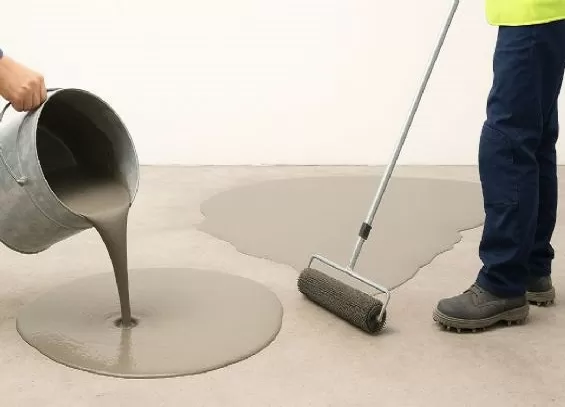
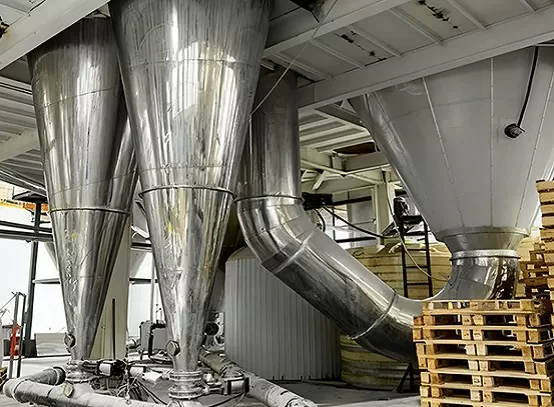
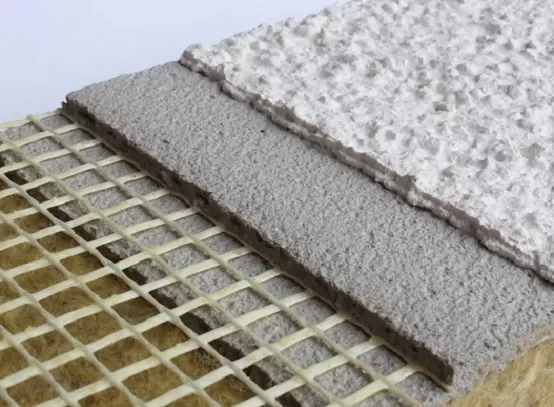

Celix Cellulose Co., Ltd, is an integrated chemical cellulose manufacturer with in-house R&D, factories, and global sales sites.
Our products include HPMC, HEC, MHEC, VAE RDP, PCE, PVA, Defoamers, PP fibers, HPS, SHP and Gypsum Retarder.


Celix Cellulose Co., Ltd, is an integrated chemical cellulose manufacturer with in-house R&D, factories, and global sales sites.
Our products include HPMC, HEC, MHEC, VAE RDP, PCE, PVA, Defoamers, PP fibers, HPS, SHP and Gypsum Retarder.
Quick Links
+8618330106777
info@celixcellulose.com