EN
EN
 jp
jp  ko
ko  es
es  ru
ru  pt
pt  th
th  ar
ar  vi
vi  id
id  kk
kk 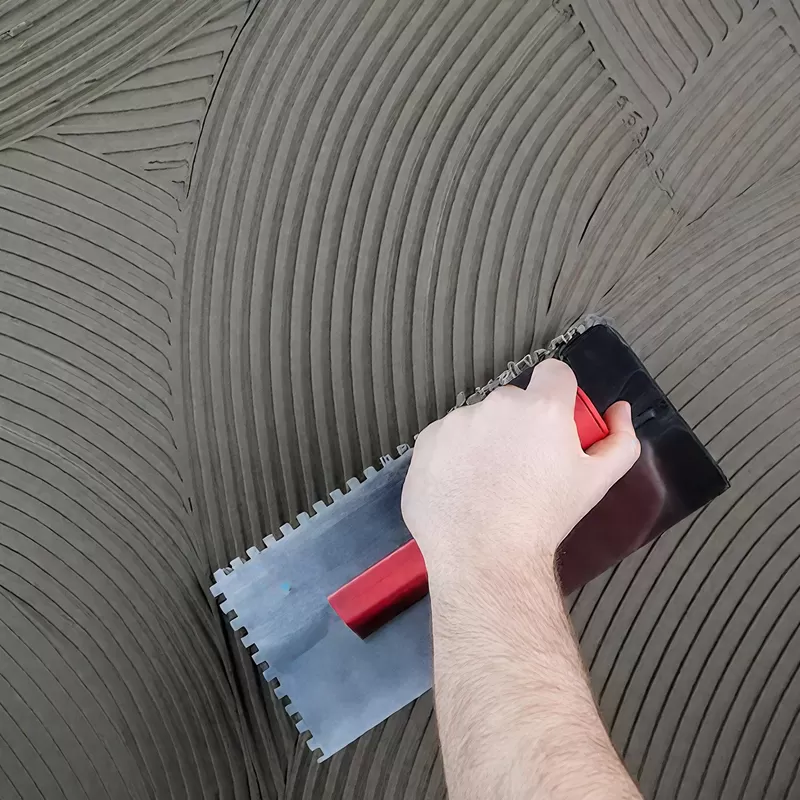
Construction
Build Better, Build Greener, with Celix HPMC

Across South Asia—particularly in the rapidly expanding construction markets of India, Pakistan, and Bangladesh—white cement-based wall putty is an indispensable finishing material. Driven by major urban housing drives and commercial developments, Indian wall putty manufacturers produce millions of metric tons annually to provide smooth, water-resistant, crack-free surfaces before final paint application.
However, formulating a high-grade wall putty in India comes with severe environmental and operational challenges: tropical ambient heat exceeding 40℃ to 45℃(104℉-113℉), high dry-substrate porosity, fast water loss, and intense jobsite pressure for easy troweling.
When a putty paste peels off, pinholes form, or surface chalking occurs after drying, the root cause almost always points to an improperly chosen hydroxypropyl methylcellulose (HPMC) additive.
Here is an engineering guide detailing the 5 key parameters for choosing HPMC to optimize your wall putty formulation for the Indian market.
A standard Indian white cement wall putty composition consists of white Portland cement(30%-40%), hydrated lime or heavy calcium carbonate/calcite powder(60%-70%), and performance functional additives(0.4%-0.6%).
Because white cement requires adequate water to complete hydraulic hydration, rapid water evaporation caused by dry Indian summers starves the cement matrix. HPMC cellulose acts as the crucial water retention engine and rheology modifier that guarantees complete cement curing, effortless troweling, and long-term durability.
To select the perfect hpmc for wall putty and ensure your dry-mix product passes Indian site inspections and laboratory quality audits, evaluate these 5 chemical and physical parameters:
For white cement-based wall putty, brookfield viscosity controls paste body, trowel feel, and vertical sag resistance.
l Recommended Viscosity Range: 100,000 to 220,000 mPa.s (measured in 2% aqueous solution at 20°C).
l Why Ultra-High Viscosity (200k mPa.s) Fails: Many local Indian formulators incorrectly assume that higher viscosity automatically means better quality. However, an excessively high viscosity range creates a sticky paste ("heavy trowel resistance"), causing applicator fatigue, uneven layer thickness, and surface drag marks.
l Why Low Viscosity (40k–70k mPa.s) Fails: Low-viscosity HPMC lacks the static yield stress required to keep a 1.5-2.0mm wet putty coat from sagging or slumping down vertical masonry walls.
In tropical Indian conditions(>35℃), rapid water loss into dry concrete blocks or red clay bricks causes premature drying, surface chalking, pinholes, and micro-cracking.
l Mandatory Target: Water retention rate≥98%(tested via standard filter paper method).
l Technical Impact: Premium hydroxypropyl methyl cellulose retains moisture inside the wet slurry coat long enough for white cement to undergo complete hydraulic crystallization, yielding a rock-hard, non-chalking, water-resistant surface that bonds tightly to the masonry wall.
Etherification Substitution Profile (DS / MS Ratio) the degree—specifically the balance between Methoxyl(-OCH3)and Hydroxypropyl(-OCH2CH(OH)CH3)chemical groups—determines thermal stability and gel point temperature.
l High Hydroxypropyl Content (HPMC 2910 / 2208 Types): Increasing the hydroxypropyl substitution degree raises the thermal gelation temperature of cellulose ether above 65℃-70℃.
l Why It Matters in India: During hot summer mixing (where slurry temperatures in black plastic buckets can cross 40℃ under direct sun), standard low-gel HPMC loses its water-binding capacity. A high-substitution hydroxy methyl cellulose grade remains fully dissolved and active even under extreme field temperatures.
In Indian jobsite practices, site laborers typically hand-mix dry wall putty powder with water in plastic buckets using wooden sticks or manual paddles, rather than high-speed mechanical mixers.
l Surface-Treated / Delayed-Solubility Grades: Instantaneous HPMC grades can form gummy, un-dissolved polymer lumps ("fish eyes") when mixed hastily by hand.
l Optimal Selection: Modified hpmc polymer with controlled, uniform dissolution speed ensures that the polymer chains hydrate evenly across the wet mix within 3 to 5 minutes, delivering a smooth, butter-like paste texture without un-dissolved clumps.
Ash content reflects the amount of residual inorganic salts and impurities left after chemical washing in the hpmc factory.
l Target Value: Ash Content ≤5.0% (Premium grades feature≤1.0%-3.0%).
l Commercial Impact: Low-purity, high-ash HPMC (often blended with cheap fillers or unwashed salts) exhibits poor stability, lower water retention efficiency per gram, and can cause efflorescence (white salt leaching) or yellow discoloration on smooth plaster walls over time. High-purity hpmc china exports manufactured with rigorous hot-water washing deliver reliable, batch-to-batch consistency.
To assist plant managers and dry-mix formulation chemists across South Asia, the application laboratory at Hebei Celix Cellulose Co., Ltd. (Celix) recommends the following baseline formula for smooth, water-resistant skim coat putty:
Raw Material Component | Standard Grade Wall Putty | Premium Water-Resistant Putty | Functional Role & Technical Impact |
White Cement (JK White / UltraTech) | 30.0% | 35.0% | Primary hydraulic binder for strength & whiteness. |
Heavy Calcium Carbonate (Calcite 300-500 mesh) | 69.5% | 64.2% | Fine aggregate filler providing volume & smoothness. |
Celix Modified HPMC(100k - 150k Viscosity) | 0.40% | 0.50% | High water retention(≥98%), anti-sagging, easy troweling. |
0.00% | 0.25% | Boosts flexibility, tensile adhesion, and scrub resistance. | |
0.03% | 0.05% | Enhances thixotropy, reduces sticky trowel drag. |
To verify your dry-mix putty quality against international and regional standards, consult these technical testing frameworks:
1. ISO 13007 / European Testing Standards: Consult the official ISO Standards Repository for dry-mix mortar testing methods.
2. EN 1015 Mortar Consistency & Water Retention: Review European Standard EN 1015 Protocols for consistency, bulk density, and moisture retention analysis.
3. ASTM C1583 Pull-Off Adhesion Strength: Check ASTM International Testing Directives for tensile bond evaluations on masonry substrates.
4. EU REACH Chemical Safety Standards: Review ECHA REACH Directives ensuring chemical compliance and safety across global supply chains.
Capturing market share in South Asia’s competitive wall putty industry requires cost-effective, high-purity additives that perform reliably under extreme tropical heat and rough site practices.
As an international cellulose ether factory and trusted hpmc manufacturer, Hebei Celix Cellulose Co., Ltd. (Celix) supplies premium hydroxypropyl methylcellulose (HPMC), HEMC, and redispersible polymer powder (VAE RDP) engineered specifically for white cement wall putties, skim coats, and joint fillers.
By offering customized brookfield viscosity ranges, low ash content, superior water retention, and specialized modification technologies, Celix empowers Indian dry-mix producers to lower production costs while delivering superior product quality.
Looking to optimize your wall putty formulation or reduce raw material costs? [Contact Celix Technical Support Today for Free Lab Samples & Customized Formulation Guidance]
Build Better, Build Greener, with Celix HPMC

Clean Safer, Care Smarter, with Celix Cellulose Ether

Drill Deeper, Operate Safer, with Celix Cellulose Ether

Formulate Precisely, Deliver Safely, with Celix Cellulose Ether

Taste Better, Keep Fresher, with Celix Cellulose Ether

Shape Stronger, Fire Smarter, with Celix Cellulose Ether
Contact Us
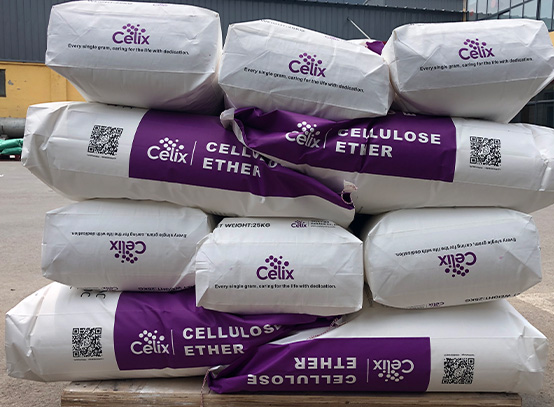
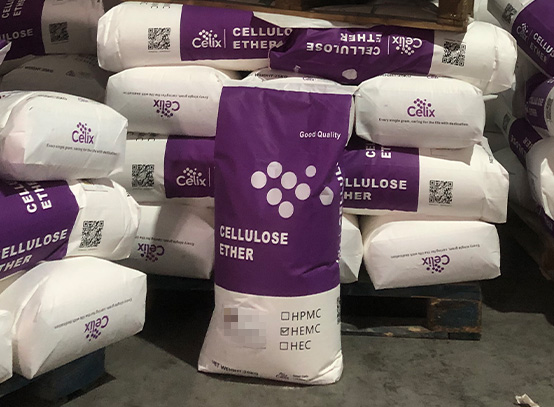
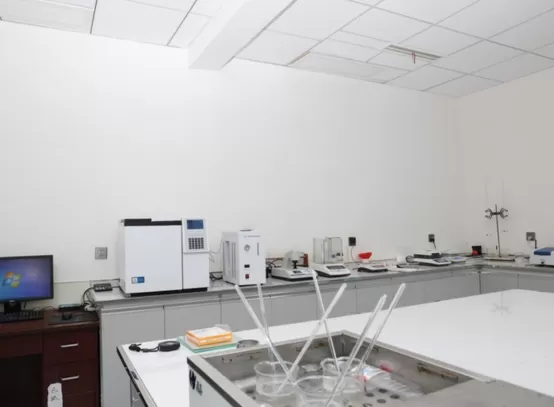

Celix Cellulose Co., Ltd, is an integrated chemical cellulose manufacturer with in-house R&D, factories, and global sales sites.
Our products include HPMC, HEC, MHEC, VAE RDP, PCE, PVA, Defoamers, PP fibers, HPS, SHP and Gypsum Retarder.


Celix Cellulose Co., Ltd, is an integrated chemical cellulose manufacturer with in-house R&D, factories, and global sales sites.
Our products include HPMC, HEC, MHEC, VAE RDP, PCE, PVA, Defoamers, PP fibers, HPS, SHP and Gypsum Retarder.
Quick Links
+8618330106777
info@celixcellulose.com