EN
EN
 jp
jp  ko
ko  es
es  ru
ru  pt
pt  th
th  ar
ar  vi
vi  id
id  kk
kk 
Construction
Build Better, Build Greener, with Celix HPMC

In modern waterborne architectural coatings and industrial emulsion systems, precise control of rheology is fundamental to application performance. Coatings R&D engineers face a constant balancing act: maintaining package viscosity in the can, preventing heavy pigment settling during warehouse storage, ensuring smooth brush or spray application, and securing rapid yield stress recovery after shearing to eliminate sag without destroying film leveling.
While hydroxyethyl cellulose (HEC) is historically common in latex paints, hydroxypropyl methylcellulose (HPMC) has emerged as a high-efficiency alternative—offering unique water retention dynamics, rapid gel network formation, and cost-effective rheology modification.
However, as latex paints incorporate reactive anti-corrosive pigments, mineral fillers, enzymatic biocides, and varying alkaline pH adjusters, coatings formulation chemists encounter critical stability hurdles. This technical analysis explores the polymer thickening mechanism of hydroxypropyl methylcellulose in waterborne systems, offering a deep dive into its pH stability window, salt tolerance limits, and practical formulation strategies.
Hydroxypropyl methylcellulose is a non-ionic cellulose ether derived from natural refined cotton or wood pulp through chemical etherification with methyl chloride(-OCH3)and propylene oxide(-OCH2CH(OH)CH3).
In waterborne latex coatings, non-ionic hpmc cellulose operates through two primary physical thickening pathways:
1.Hydration Shell & Hydrodynamic Expansion: The hydrophilic hydroxyl and hydroxypropyl substituent groups form hydrogen bonds with free water molecules. As the hpmc polymer hydrates and uncoils, it immobilizes free water in the continuous phase, drastically raising the system's hydrodynamic volume.
2.Reversible Intermolecular Chain Entanglement: At rest (low shear rate,0.1-10s-1),expanded HEC/HPMC polymer chains overlap to form a physical 3D network. This builds high in-can brookfield viscosity and static yield stress, holding dense titanium dioxide(TiO2)and calcium carbonate(CaCO3)particles in stable suspension.
Under high application shear(10,000s-1during brushing, rolling, or spraying), the non-covalent polymer entanglements temporarily uncoil and align parallel to the fluid flow. Viscosity drops immediately (pseudoplastic shear thinning), minimizing brush drag and allowing uniform film build.
Latex paint formulations are typically adjusted to an alkaline range(pH8.0-10.0)using volatile neutralizing amines (such as AMP-95 or ammonia) to stabilize acrylic resin emulsions and activate anionic pigment dispersants. Over time, amine evaporation or acidic degradation products can cause system pH drift.
Unlike alkali-swellable acrylic thickeners (ASE/HASE) that depend on charge ionization and collapse when pH drops below 7.5 hydroxypropyl methyl cellulose is non-ionic:
l Acidic Range (pH 3.0 – 5.0): In specialty stain-blocking or anti-corrosive industrial primers, the non-ionic ether linkages(-C-O-C-)along the glucan backbone resist acid hydrolysis at ambient temperatures.
l Alkaline Range (pH 8.0 – 11.0): HPMC demonstrates near-perfect viscosity stability across standard paint manufacturing windows. Hydroxyl ions(OH-)do not cleave the non-ionic ether substituents.
l Extreme Alkaline Range (pH > 12.0): In high-alkali masonry coatings applied over fresh concrete, extreme hydroxyl ion concentrations deprotonate free hydroxyl groups on the cellulose ring, slightly altering the hydration shell. Choosing high-substitution hpmc china grades prevents phase separation in high-pH environments.
In heavy-duty industrial coatings, anti-corrosive primers, and high-PVC interior paints, formulations contain high levels of dissolved inorganic salts and multivalent metal ions(Ca2+or Zn2+), forming insoluble ionic crosslinks that lead to rapid polymer flocking, syneresis, and phase separation.
While non-ionic hydroxy propyl methyl cellulose does not undergo ionic precipitation, high inorganic salt concentrations compete with the polymer for available water molecules—a phenomenon known as "salting-out":
1.Water Molecule Competition: Highly hydrated inorganic ions(SO2+4,Cl-,NA+)Water Molecule Competition: Highly hydrated inorganic ions.
2.Methoxyl Substitution Influence: Because hpmc cellulose contains hydrophobic methoxyl groups(-OCH3), excessive water loss exposes these hydrophobic segments, causing the polymer chains to aggregate and lower the thermal gelation temperature.
3.Optimizing Substitution Ratios: To maximize salt tolerance in high-electrolyte formulations, select HPMC grades with a higher Hydroxypropyl (MS) / Methoxyl (DS) ratio. The hydroxypropyl group acts as a hydrophilic buffer, preventing hydrophobic aggregation even in high-salinity latex mixes.
To guide coatings R&D engineers in evaluating thickener options, the table below compares major waterborne thickener chemistries:
Thickener Class | Chemical Structure | Operational pH Range | Electrolyte / Salt Tolerance | Shear Thinning Profile | Spatter & Leveling Performance |
Celix HPMC | Non-ionic Cellulose Ether | pH 3.0 – 12.0 | High (Balanced DS/MS) | Highly Pseudoplastic (Strong Anti-Settling) | Good Leveling / Moderate Spatter |
HEC (Hydroxyethyl) | Non-ionic Cellulose Ether | pH 2.0 – 12.0 | Excellent (High MS) | Pseudoplastic | Good Leveling / Moderate Spatter |
ASE (Alkali-Swellable) | Anionic Acrylic Polymer | pH 8.0 – 10.5 | Low to Moderate | Highly Pseudoplastic | Fair Leveling / High Spatter |
HASE (Associative) | Hydrophobically Modified Acrylic | pH 8.0 – 10.0 | Sensitive to Surfactants | Moderate Pseudoplastic | Good Leveling & Roller Spatter |
HEUR (Associative) | Non-ionic Polyurethane | pH 3.0 – 11.0 | Excellent | Near-Newtonian (High High-Shear) | Outstanding Leveling & Zero Spatter |
Formulation Synergy Tip: Combining Celix HPMC (for cost-effective in-can package viscosity, high-PVC pigment suspension, and pH stability) with a non-ionic HEUR associative thickener (for high-shear application film build and zero roller spatter) creates a balanced, high-performance paint system.
When selecting hpmc for wall putty or waterborne coatings formulations, evaluate these primary selection criteria:
1.Delayed Hydration (Surface-Treated Grades): Specify surface-treated hydroxypropyl methyl cellulose with delayed hydration (10 to 20 minute dissolution delay) to prevent clumping ("fish eyes") when adding dry thickener directly into high-speed pigment dispersion tanks.
2.Enzymatic Stability: Microbes in raw water or bio-based pigments can secrete cellulase enzymes that cleave unsubstituted glucan rings. Specify Celix Bio-Stable HPMC engineered with uniform substitution profiles to preserve long-term storage viscosity.
To verify rheology, pH stability, and electrolyte compatibility in your laboratory, align testing with these international standards:
ASTM D2196 Rotational Viscosity Testing: Consult ASTM D2196 Test Methods for evaluating non-Newtonian flow behavior, shear thinning index, and thixotropy using rotational viscometers.
ISO 3219 Liquid State Rheology Determination: Refer to ISO 3219 Polymer Testing Frameworks for defined shear rate evaluations.
ASTM D562 Stormer Viscosity (KU) Standards: Review ASTM D562 Krebs Unit Testing Protocols for consistency evaluations in latex coatings.
EU REACH Chemical Safety Standards: Review ECHA REACH Directives ensuring regulatory compliance across international markets.
Achieving robust package stability, superior pigment suspension, and uncompromised performance across broad pH and electrolyte conditions requires high-purity cellulose ether additives.
As an international cellulose ether factory and trusted hpmc manufacturer, Hebei Celix Cellulose Co., Ltd. (Celix) supplies specialized grades of hydroxypropyl methylcellulose (HPMC), HEMC, HEC, and redispersible polymer powders (VAE RDP) tailored for architectural paints, industrial coatings, and dry-mix construction materials.
Looking to optimize your paint rheology or resolve pH/salt stability issues? [Contact Celix Technical Engineers Today to Request Free Lab Samples & Custom Formulation Support]
Build Better, Build Greener, with Celix HPMC
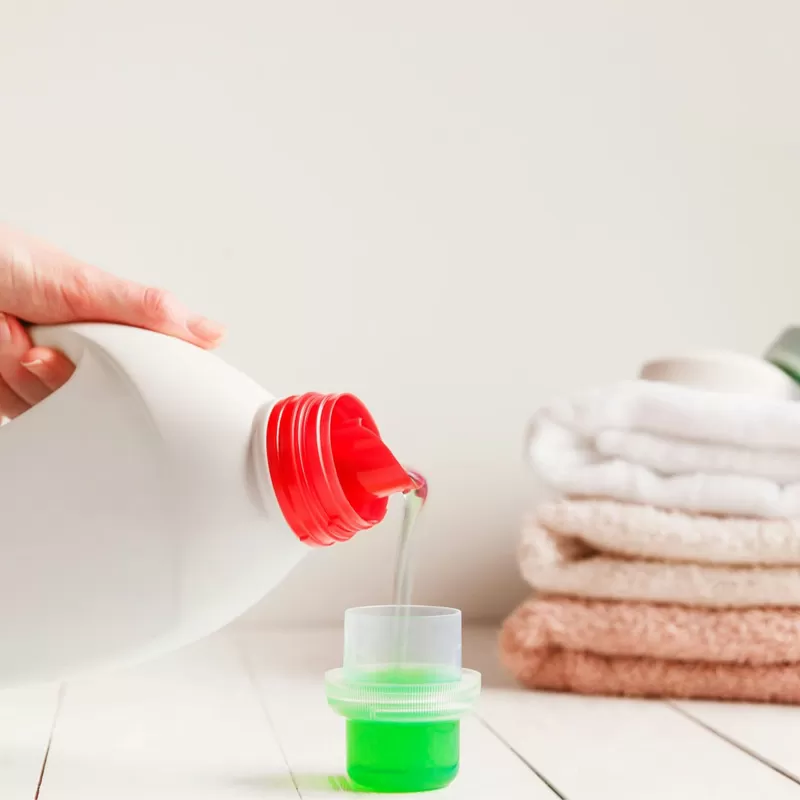
Clean Safer, Care Smarter, with Celix Cellulose Ether

Drill Deeper, Operate Safer, with Celix Cellulose Ether

Formulate Precisely, Deliver Safely, with Celix Cellulose Ether

Taste Better, Keep Fresher, with Celix Cellulose Ether

Shape Stronger, Fire Smarter, with Celix Cellulose Ether
Contact Us
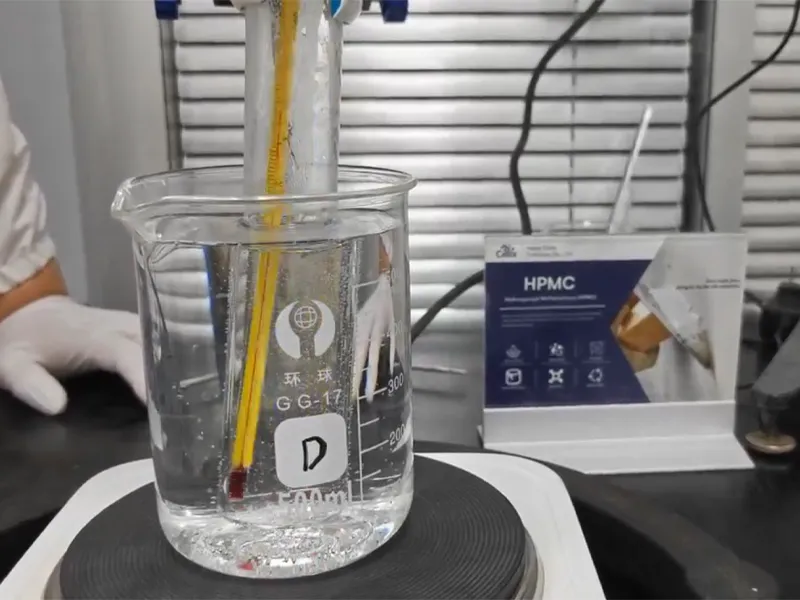
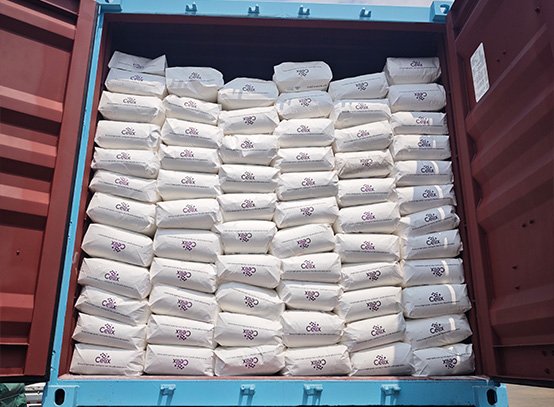
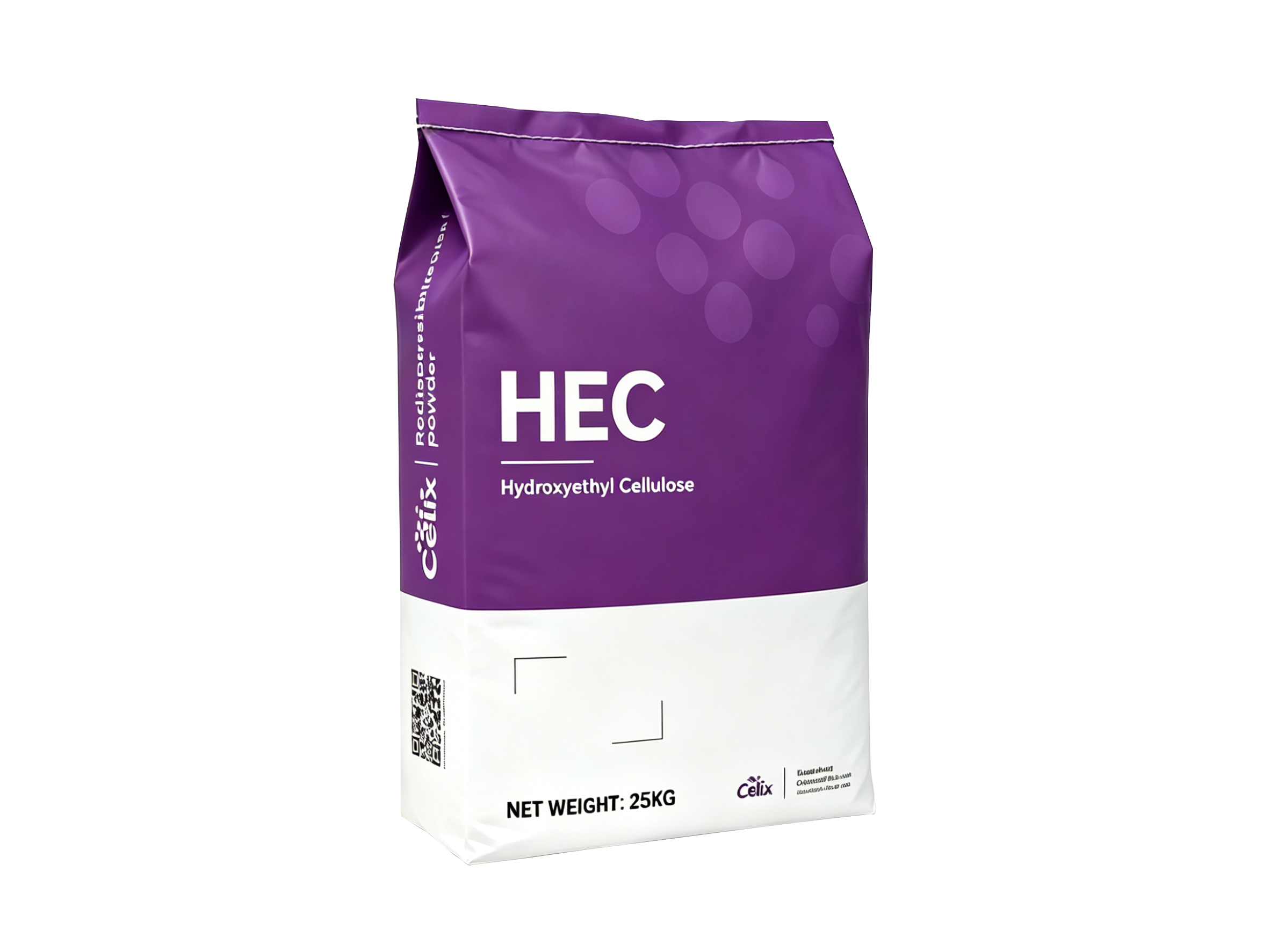

Celix Cellulose Co., Ltd, is an integrated chemical cellulose manufacturer with in-house R&D, factories, and global sales sites.
Our products include HPMC, HEC, MHEC, VAE RDP, PCE, PVA, Defoamers, PP fibers, HPS, SHP and Gypsum Retarder.


Celix Cellulose Co., Ltd, is an integrated chemical cellulose manufacturer with in-house R&D, factories, and global sales sites.
Our products include HPMC, HEC, MHEC, VAE RDP, PCE, PVA, Defoamers, PP fibers, HPS, SHP and Gypsum Retarder.
Quick Links
+8618330106777
info@celixcellulose.com