EN
EN
 jp
jp  ko
ko  es
es  ru
ru  pt
pt  th
th  ar
ar  vi
vi  id
id  kk
kk 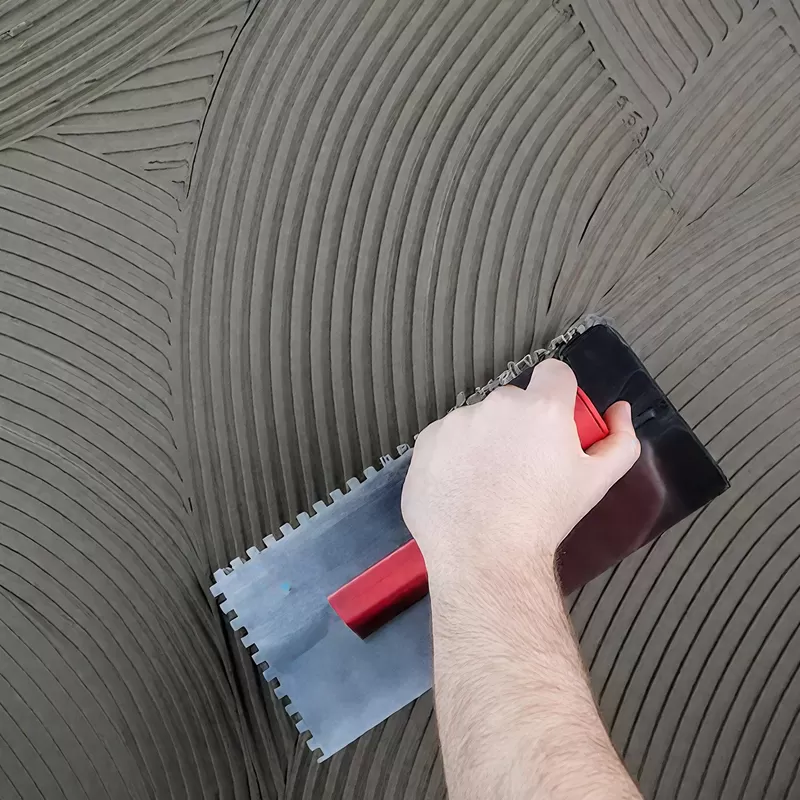
Construction
Build Better, Build Greener, with Celix HPMC

Across the Gulf Cooperation Council (GCC) region—including Saudi Arabia, the United Arab Emirates (UAE), Qatar, Oman, and Kuwait—the construction boom continues to set global records. However, dry-mix mortar producers supplying residential mega-projects like NEOM, Red Sea Global, and Dubai South face a constant jobsite challenge: rapid water evaporation and skinning of tile adhesives under direct heat and arid desert winds.
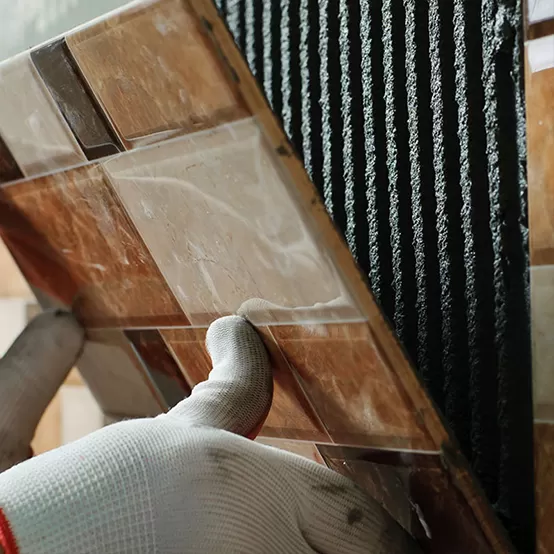
When jobsite temperatures reach 40℃ to 50℃(104℉-122℉)with relative humidity dropping below 20%, standard tile mortars lose surface moisture in minutes. This leads to premature skinning, severely shortened tile adhesive open time, reduced wet transfer area, and eventual hollow sounding or de-bonded tiles.
To pass strict GCC site inspections and satisfy C2TE / C2TES1 specifications compliant withISO 13007 / EN 12004 standards, dry-mix formulators must carefully select the right hpmc viscosity grades and functional modification parameters.
In dry-mix formulations, tile adhesive open time refers to the maximum time window after comb-troweling during which porcelain or ceramic tiles can be embedded into fresh mortar to achieve a tensile adhesion strength of at least0.5N/mm2.
Under typical Middle Eastern summer jobsite conditions, two concurrent mechanisms rapidly destroy open time:
When surface skinning occurs, pressing a tile onto the combed mortar ridges results in poor wet contact coverage (dropping below the mandatory 90% threshold). This forms air pockets, leading to tile displacement and adhesion failure during pull-off tests.
Hydroxypropyl methylcellulose (HPMC) acts as the primary viscosity modifying agent and water retention additive in cement-based mortars. However, there is a common industry misconception among dry-mix producers that simply increasing the brookfield viscosity of HPMC will automatically yield a longer open time.
In reality, higher molecular weight (higher viscosity) HPMC behaves differently under high-temperature conditions:
Higher viscosity hpmc cellulose(150,000-200,000mPa·s)builds rapid initial wet thickener strength. However, because its high molecular weight slows down complete dissolution in low-water mixes under heat, it tends to form a dense surface film that dries out into a rigid "crust" prematurely under direct sunlight.
Standard cellulose ethers undergo thermal gelation when heated. As slurry temperatures rise above 40℃ on Middle Eastern jobsites, standard high-viscosity hydroxypropyl methyl cellulose reaches its gel point earlier, causing polymer chain collapse and sudden loss of water retention efficiency.
Using an overly high viscosity range creates a sticky, "stringy" paste that resists smooth trowel spreading. Lower to medium viscosity grades(40,000-70,000mPa·s)allow masons to achieve clean mortar ridges that stay fresh longer without slumping.
To evaluate the exact impact of hpmc viscosity grades under Middle East weather conditions, the application lab at Hebei Celix Cellulose Co., Ltd. (Celix) conducted comparative open time testing using a standard C2TE formulation matrix exposed 40℃ ambient heat and 25% relative humidity:
| HPMC Grade Type | Brookfield Viscosity (2% Solution, 20°C) | HPMC Dosage | Open Time at 20°C / 65% RH | Open Time at 40°C / 25% RH | Tensile Adhesion (EN 1346 after 30 min) |
| Standard High Viscosity HPMC | 150,000mPa·s | 0.35% | 30 min | 12 - 15 min (Failed C2TE) | 0.32N/mm2(Non-compliant) |
| Standard Ultra-High Viscosity HPMC | 200,000mPa·s | 0.35% | 32 min | 10 - 12 min (Failed C2TE) | 0.28N/mm2(Non-compliant) |
| Celix Modified HPMC (Celix-MH 40k) | 40,000mPa·s | 0.35% | 35 min | 28 - 30 min (Passed C2TE) | 0.68N/mm2(Non-compliant) |
| Celix Modified HPMC + Starch Ether | 70,000mPa·s | 0.35%+0.03% | 40 min | 32 - 35 min (Passed C2TE) | 0.82N/mm2(Non-compliant) |
Key Finding: Medium-viscosity Modified HPMC for tile adhesive(40,000-70,000mPa·s)combined with high ether substitution degree outperforms 200,000mPa·s unmodified grades by maintaining over double the active open time in 40℃ desert heat.
To help dry-mix producers in Saudi Arabia, the UAE, and Qatar achieve long open times and pass site audits smoothly, Celix application engineers recommend the following formulation adjustment strategies:
1.Shift to Medium Viscosity (40k–70k mPa.s): Medium-viscosity hydroxypropyl methylcellulose dissolves more uniformly in high ambient heat, building a flexible, moist polymer surface film that delays skin formation.
2.Select High Methoxyl / Hydroxypropyl Substitution Balance: High substitution ratios elevate the polymer’s thermal gelation point above 60℃, ensuring water retention properties remain intact even when wet mortar is applied onto hot concrete substrates.
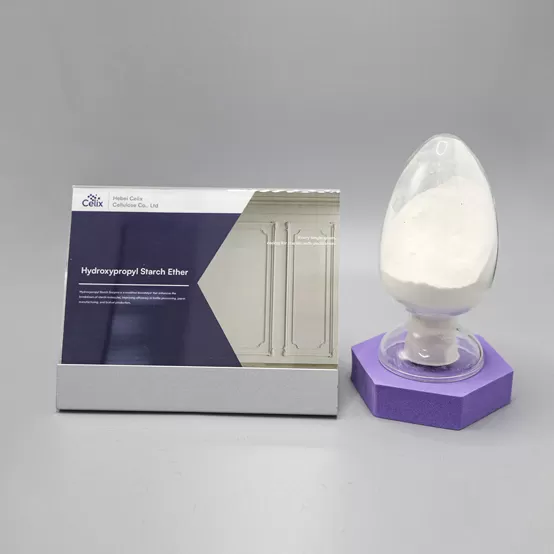
3.Synergize with Hydroxypropyl Starch Ether: Adding 0.03%-0.05% Hydroxypropyl Starch Ether reduces sticky trowel drag, enhances sag resistance, and extends open time without increasing total cellulose ether cost.
4.Maintain Adequate Polymer Powder (RDP) Levels: Combine Celix Modified HPMC with 2.5%-4.0% RDP VAE redispersible polymer powder to ensure robust tensile adhesion after extreme heat exposure.
For dry-mix quality assurance managers and procurement directors in the GCC region, formulation testing should align with these international standards:
1.ISO 13007-1 / EN 12004 Tile Adhesives Standards: Refer to official ISO 13007 Specificationsfor Class C2TE open time(≥30min)and anti-slip testing protocols.
2.EN 1346 Determination of Open Time: Consult European Standard EN 1346 Frameworkfor pull-off tensile adhesion methodology after extended open air exposure.
3.ASTM C1583 Tensile Bond Testing: Check ASTM International Test Protocols for direct tension bond measurements on structural concrete substrates.
4.EU REACH Chemical Safety Directives: Review ECHA REACH Regulations ensuring raw material chemical compliance for exports into European and international markets.
Navigating dry-mix chemical challenges in Middle Eastern climates requires technical expertise and high-purity additives engineered for extreme temperatures.
As an international cellulose ether factory and reliable hpmc manufacturer, Hebei Celix Cellulose Co., Ltd. (Celix) supplies specialized grades of hydroxypropyl methylcellulose (HPMC), HEMC, and redispersible polymer powder (VAE RDP) tailored specifically for Saudi Arabia, the UAE, Qatar, and global tropical construction markets.
Build Better, Build Greener, with Celix HPMC

Clean Safer, Care Smarter, with Celix Cellulose Ether

Drill Deeper, Operate Safer, with Celix Cellulose Ether

Formulate Precisely, Deliver Safely, with Celix Cellulose Ether

Taste Better, Keep Fresher, with Celix Cellulose Ether

Shape Stronger, Fire Smarter, with Celix Cellulose Ether
Contact Us
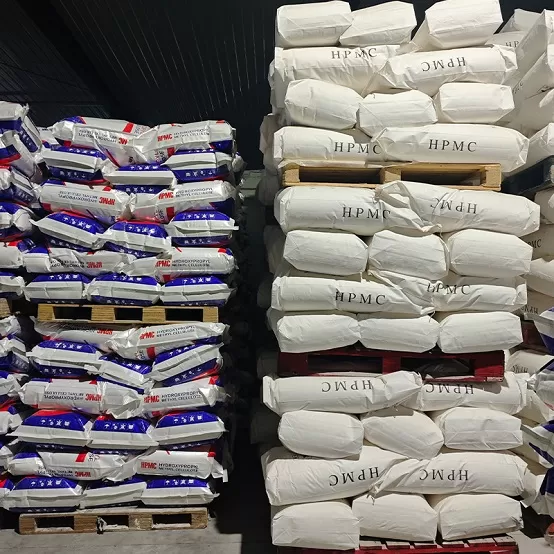
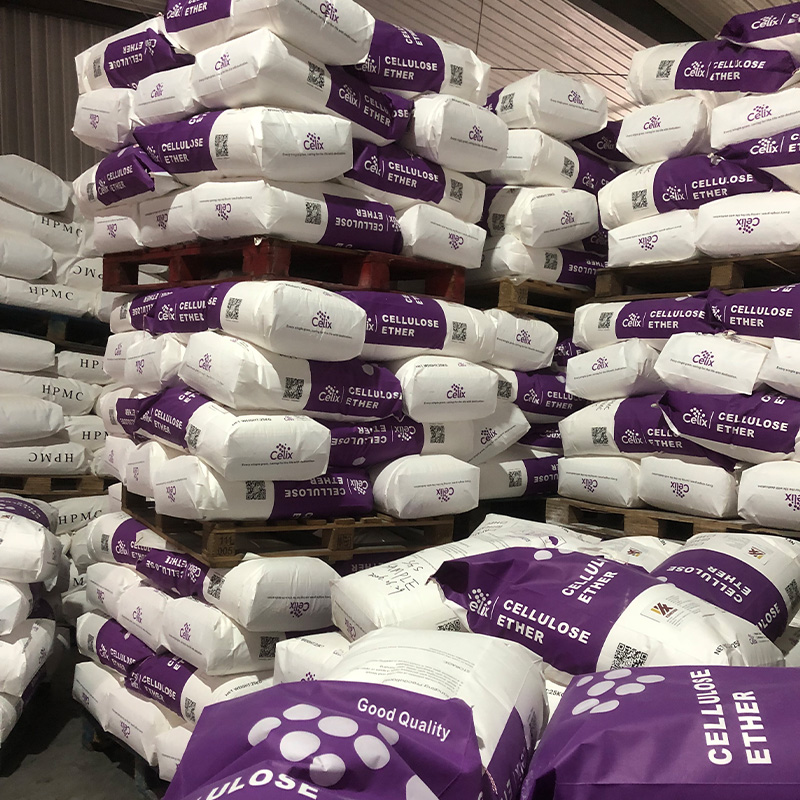
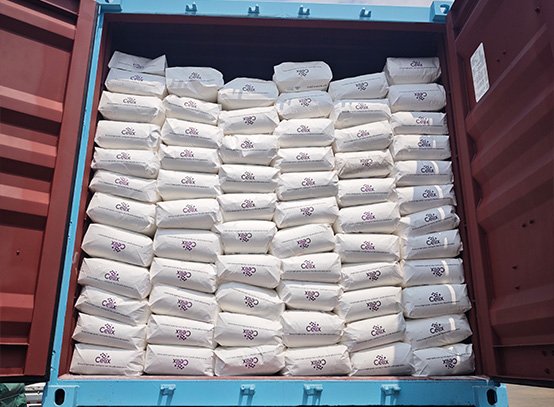

Celix Cellulose Co., Ltd, is an integrated chemical cellulose manufacturer with in-house R&D, factories, and global sales sites.
Our products include HPMC, HEC, MHEC, VAE RDP, PCE, PVA, Defoamers, PP fibers, HPS, SHP and Gypsum Retarder.


Celix Cellulose Co., Ltd, is an integrated chemical cellulose manufacturer with in-house R&D, factories, and global sales sites.
Our products include HPMC, HEC, MHEC, VAE RDP, PCE, PVA, Defoamers, PP fibers, HPS, SHP and Gypsum Retarder.
Quick Links
+8618330106777
info@celixcellulose.com