EN
EN
 jp
jp  ko
ko  es
es  ru
ru  pt
pt  th
th  ar
ar  vi
vi  id
id  kk
kk 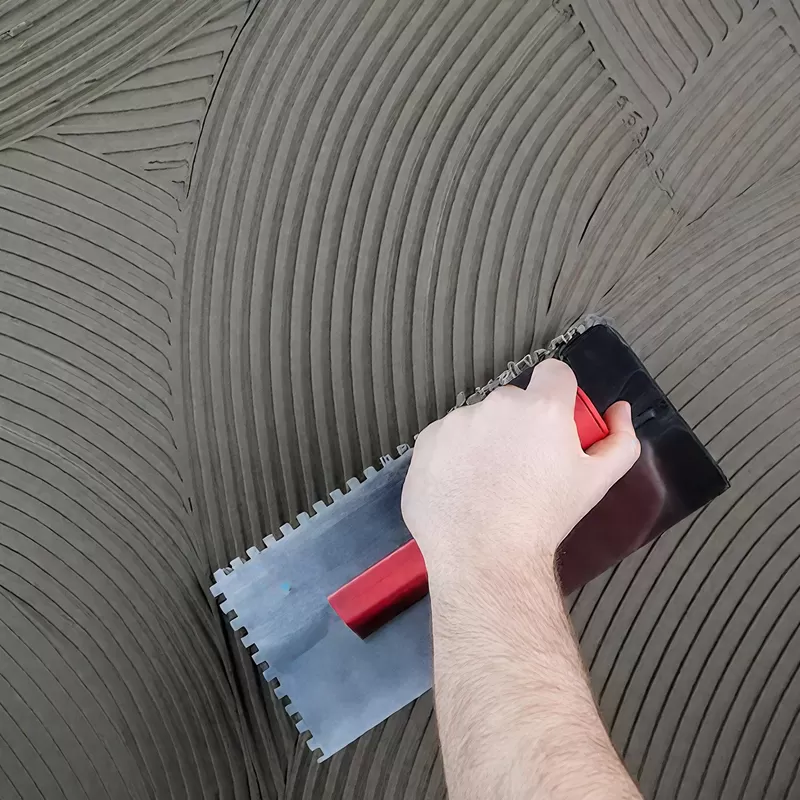
Construction
Build Better, Build Greener, with Celix HPMC

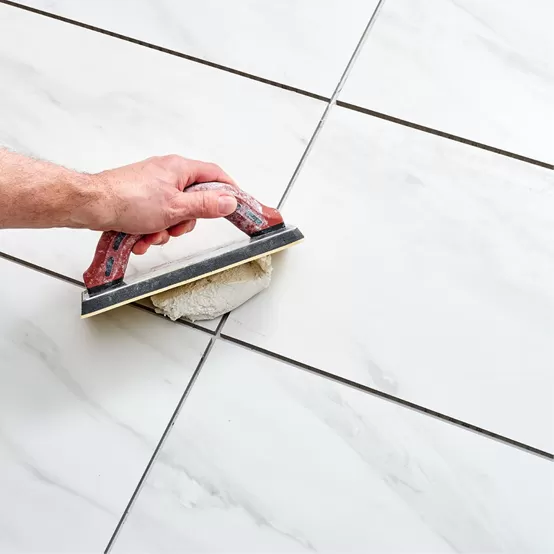
In tropical and arid regions like Saudi Arabia, the UAE, India, and Vietnam, tile installers face a relentless common enemy: heat.
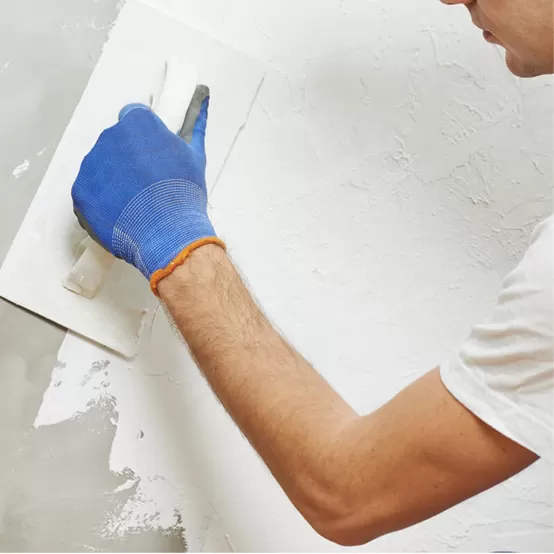
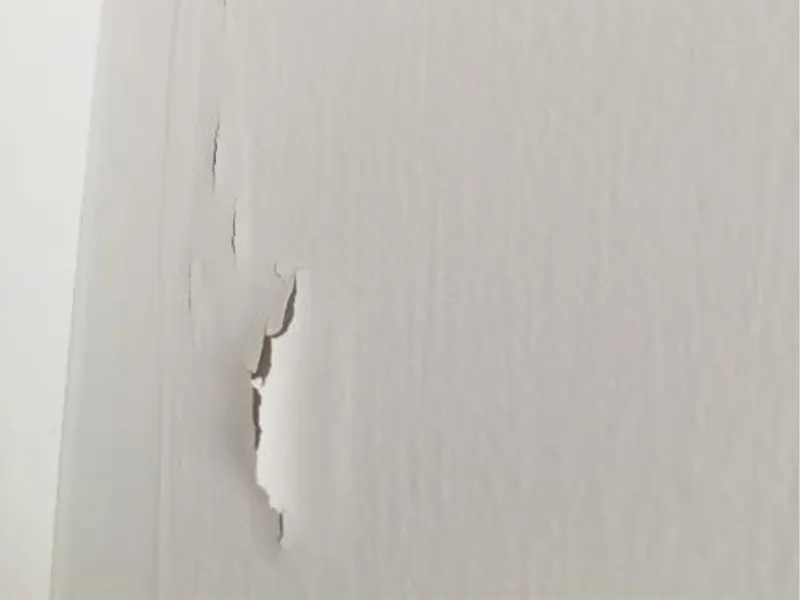
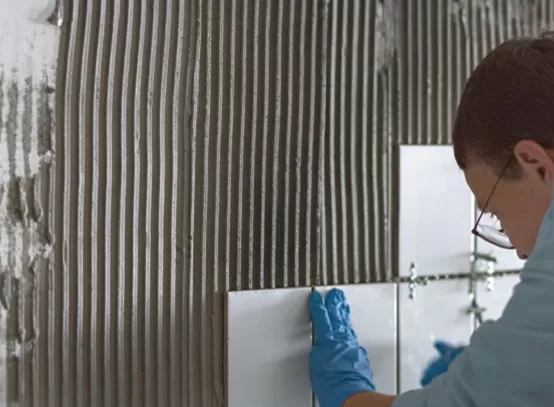
When working in temperatures exceeding 35°C (and reaching up to 45°C+ in Middle Eastern summers), standard tile adhesives fail. The mortar dries out rapidly, skins over in minutes, and loses its sticky texture before the tile can even touch the wall. The disastrous results? Poor open time, low tensile adhesion strength, tile sagging, and eventual tile debonding (popping off/hollow tiles).
If your clients are complaining about high material waste and structural failures during hot seasons, the root cause lies in your formulation's water retention.
Here is a technical analysis of how extreme climates destroy dry-mix mortar performance and how to engineer a heat-resistant solution using high-performance HEMC and HPMC from Celix.
To solve the problem, we must understand the chemical kinetics occurring inside the wet mortar at the microscopic level:
Premature Water Evaporation: High ambient temperatures and dry winds quickly strip water from the exposed surface of the freshly applied adhesive, leading to rapid "skinning" (forming a dry, non-sticky layer on top).
Unfinished Cement Hydration: Portland cement requires water over an extended period to grow calcium silicate hydrate (C-S-H) crystals. If the mortar loses its water too fast, the hydration reaction stops prematurely.
High-Substrate Absorption: In hot regions, concrete walls and brick substrates themselves become hot and highly porous, aggressively sucking the mixing water out from the back of the mortar matrix.
Without a highly specialized water-retaining agent, the interface between the tile and the substrate will lack structural strength, leading to eventual delamination.
In the Middle East and Southeast Asian construction chemical markets, technical formulators traditionally reach for HEMC (Hydroxyethyl Methyl Cellulose) instead of HPMC for summer formulations.
Why is HEMC the Industry Standard for Hot Climates?
The preference for HEMC comes down to Thermal Gelation Temperature. All cellulose ethers transition from a soluble, water-retaining liquid phase into a thick, structured gel when they reach a specific limit (the gelation point).
Standard HPMC (Gel Temp ~60°C - 65°C): When the temperature of the wet mortar rises on a hot jobsite, standard HPMC approaches its gelation limit prematurely. Its water-holding capacity drops significantly, leading to a massive loss in water retention.
HEMC (Gel Temp ~75°C ): HEMC naturally possesses a much higher thermal gelation point. It remains fully soluble and highly active in locking in water even under intense midday heat.
The Celix Dual-Solution Advantage
At Celix, we understand this regional chemistry preference. We offer a dual-track product lineup to give our global clients maximum formulating flexibility:
Premium Celix HEMC: Engineered specifically for the Middle Eastern and tropical markets, providing superior water retention, thermal stability, and smooth workability under extreme conditions.
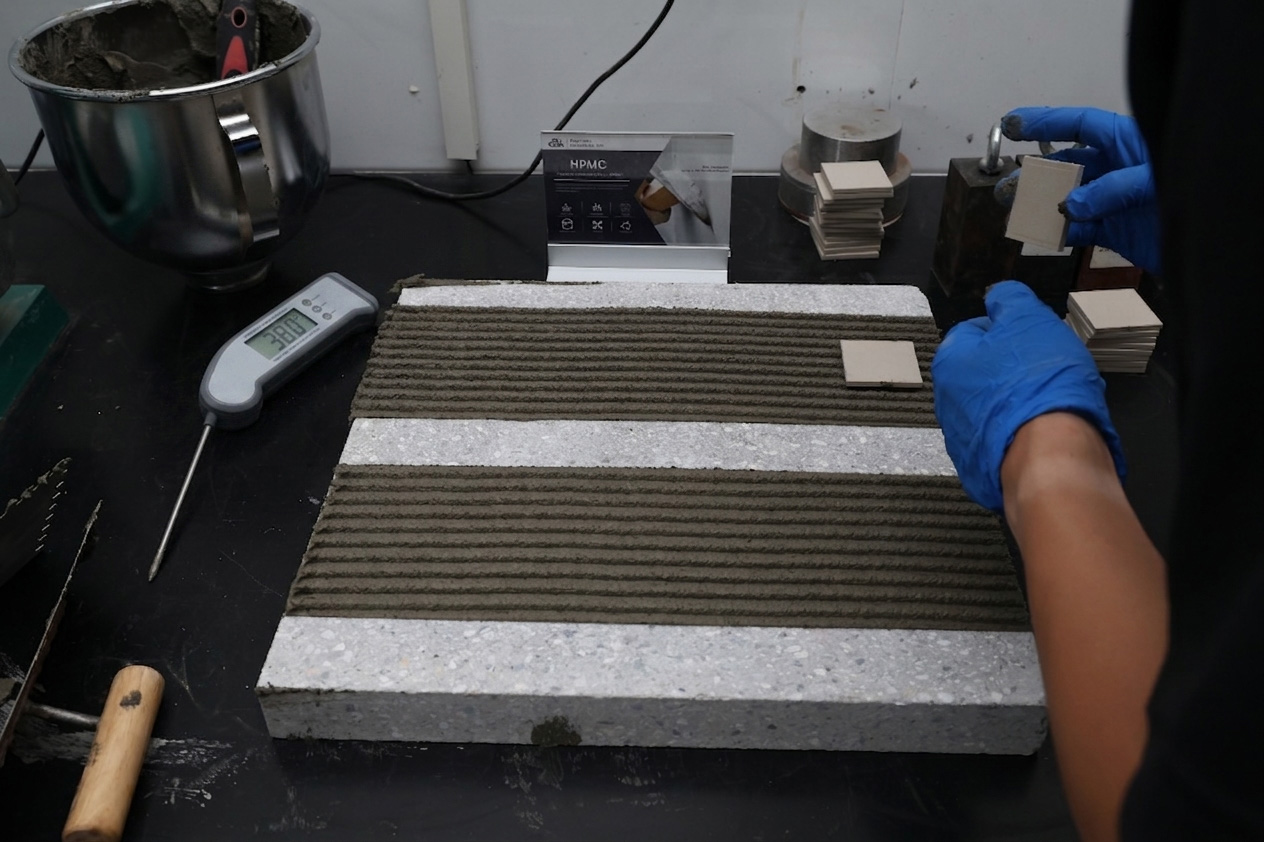
For hot and tropical markets, we recommend shifting to these climate-optimized grades:
A. For Standard Ceramic Tile Adhesives (C1 Grades)
Recommended Grade: Celix HEMC (Viscosity: 40,000 – 60,000 mPa·s).
Modification: Medium-high modification with delayed hydration (for easy lump-free mixing).
Performance: Balances cost-efficiency with high water retention, ensuring a reliable 25-minute open time under standard hot conditions.
B. For Premium Large-Format & Porcelain Tile Adhesives (C2/C2TE Grades)
Recommended Grade: Celix Premium HEMC (Viscosity: 100,000 – 150,000 mPa·s).
Modification: High modification featuring exceptional anti-sag (slip-resistance) and extended open time.
Performance: Provides an active barrier that retains moisture for up to 30 minutes, even when applying heavy, large-format tiles onto hot, vertical concrete substrates.
To prevent dry-out and ensure C1/C2 rating compliance, try this starting-point formulation strategy for hot-weather cementitious tile adhesives:
| Raw Material Component | Dosage (Weight %) | Technical Purpose in Hot Weather |
| Portland Cement (Type I / 42.5R) | 35.0% - 40.0% | Core hydraulic binder requiring complete hydration. |
| Silica Sand (Grade 50-100 Mesh) | 55.0% - 60.0% | Mineral aggregate backbone; keep stored in shaded areas to prevent high dry-mix starting temperatures. |
| Calcium Carbonate Filler | 3.0% - 5.0% | Improves grading and densifies capillary pores. |
| Redispersible Polymer Powder (RDP) | 1.5% - 3.0% | Restores flexibility and shear adhesion strength compromised by dry-out. |
| Celix HEMC | 0.3% - 0.45% | Crucial water retention, extends open time, and provides slip resistance. |
| Calcium Formate / Accelerator | 0.2% - 0.5% | Carefully balances setting times when using retarders or high-temperature water. |
Secure Your Summer Dry-Mix Quality with Celix
At Celix, we operate an advanced manufacturing complex with an annual capacity of 30,000 tons of cellulose ether (HPMC, HEMC, HEC). Backed by our specialized team of 187 R&D, production, and QC chemical professionals, we don't just supply products; we engineer localized climate solutions.
We test our cellulose ethers under simulated extreme climates to guarantee that our Middle Eastern and Southeast Asian partners receive chemicals that perform robustly on local jobsites.
Are you experiencing bonding failures or short open times in your market?
Contact the Celix Climate-Formulation Lab Today to receive expert formulation diagnostics, Technical Data Sheets (TDS), or to order free climate-optimized lab samples for your local sand and cement trials.
Build Better, Build Greener, with Celix HPMC

Clean Safer, Care Smarter, with Celix Cellulose Ether

Drill Deeper, Operate Safer, with Celix Cellulose Ether

Formulate Precisely, Deliver Safely, with Celix Cellulose Ether

Taste Better, Keep Fresher, with Celix Cellulose Ether

Shape Stronger, Fire Smarter, with Celix Cellulose Ether
Contact Us

Celix Cellulose Co., Ltd, is an integrated chemical cellulose manufacturer with in-house R&D, factories, and global sales sites.
Our products include HPMC, HEC, MHEC, VAE RDP, PCE, PVA, Defoamers, PP fibers, HPS, SHP and Gypsum Retarder.


Celix Cellulose Co., Ltd, is an integrated chemical cellulose manufacturer with in-house R&D, factories, and global sales sites.
Our products include HPMC, HEC, MHEC, VAE RDP, PCE, PVA, Defoamers, PP fibers, HPS, SHP and Gypsum Retarder.
Quick Links
+8618330106777
info@celixcellulose.com