EN
 jp
 ko
 es
 ru
 pt
 th
 ar
 vi
 id
 kk
Construction
Build Better, Build Greener, with Celix HPMC

When construction projects take place during cold weather seasons, low ambient temperatures (<10℃) present severe operational challenges for dry-mix mortar manufacturers, concrete contractors, and site engineers. As temperature drops, the hydration reaction rate of ordinary Portland cement slows down drastically.
This thermal retardation leads to prolonged setting times, sluggish early strength development, and heightened vulnerability to freeze-thaw damage during the critical first 24 to 48 hours of curing. In fast-paced construction schedules—such as tile installations, rapid repair mortars, and winter masonry works—waiting days for structural strength is financially unviable.
To overcome these hurdles,industrial-grade calcium formate(Ca(HCOO)2)has become the premier organic hardening accelerator and early-strength agent in modern cementitious formulations.
This technical guide explores the working mechanism of calcium formate in cement hydration, its role in accelerating Calcium Silicate Hydrate (C-S-H) crystal growth in cold weather, and how it synergizes with HPMC and VAE RDP for optimal winter performance.
Under standard ambient conditions (20℃), cement hydration proceeds steadily through the dissolution of clinker minerals (C3S,C2S,C3A) and the subsequent precipitation of Calcium Silicate Hydrate (C-S-H) gel, which provides mechanical strength.
When temperatures drop below 10℃ and approach freezing:
l Ion Diffusion Slows: The kinetic energy of calcium and silicate ions in the pore solution drops sharply, delaying initial and final setting times.
l Early Strength Deficit: 1-day and 3-day compressive strengths plummet, delaying formwork removal and subsequent trade works.
l Freezing Risk: Unbound free water inside the porous mortar matrix freezes and expands, causing internal micro-cracking and complete structural destruction of the cement bond.
Traditionally, calcium chloride (CaCl2) was used as an accelerator, but it introduces severe corrosion risks to embedded steel rebars and causes efflorescence. Industrial-grade calcium formate offers a chloride-free, highly effective, eco-friendly alternative.
Calcium formate acts as both a chemical accelerator and a crystallization nucleating agent in cement-based systems:
1. Catalytic Hydration of Tricalcium Silicate(C3S): The formate anion (HCOO-) interacts with calcium ions in the pore solution, lowering the activation energy required for the hydration of C3S. This triggers early dissolution and kick-starts exothermic hydration ahead of schedule.
2.Nucleation and Precipitation of C-S-H Gel: Dissociated calcium ions(Ca2+)from calcium formate increase the local ionic concentration, providing active nucleation sites that accelerate the precipitation and interlocking growth of needle-like C-S-H crystals.
3.Shortened Setting Times: By hastening initial stiffening and final set, calcium formate enables workers to finish surfaces, cut joints, and load structures much faster even in near-freezing conditions.
Formulating successful winter-grade dry-mix mortars requires balancing accelerating agents with water retention and polymer film formation additives:
l The Polymer Film-Forming Temperature (MFFT) Consideration: When applying redispersible polymer powder (VAE RDP) in cold weather, ambient temperatures must remain above the polymer’s Minimum Film-Forming Temperature. Combining calcium formate's exothermic hydration heat with optimized RDP grades ensures proper 3D polymer film coalescence.
l Cellulose Ether Water Retention: In cold, dry winter winds, moisture evaporation can still outpace hydration. High-performance hydroxypropyl methylcellulose (HPMC) locks free water into the matrix, guaranteeing that calcium formate and cement have sufficient water to complete crystallization.
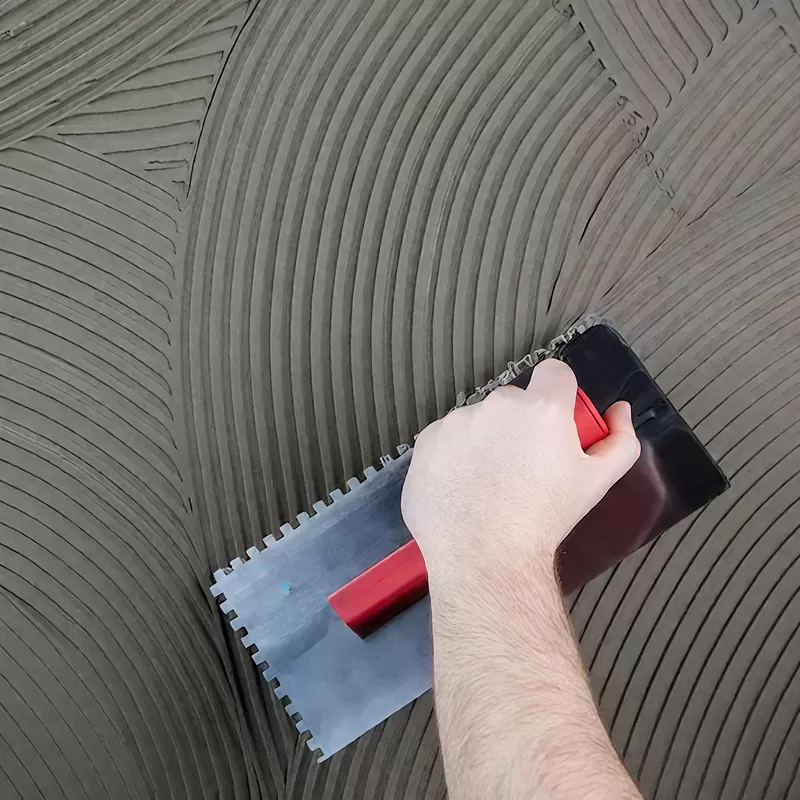
To evaluate the mechanical impact of calcium formate in cold-weather conditions, the application laboratory at Hebei Celix Cellulose Co., Ltd. (Celix) tested a standard tile adhesive exposed to an ambient curing temperature of 5℃:
Curing Parameter (5℃ Environment) | Control Mortar (0% Calcium Formate) | Winter Optimized Mortar (0.5% Calcium Formate) | Performance Enhancement |
Initial Setting Time | 8.5 hours | 4.2 hours | 50% Faster Setting |
1-Day Compressive Strength | 3.2 MPa | 7.8 MPa | +143% Early Strength |
7-Day Tensile Adhesion (EN 1348) | 0.55N/mm2 | 1.15 N/mm2 | Meets C2 Requirements |
Freeze-Thaw Resistance (25 cycles) | Severe scaling / failure | Intact (>1.0N/mm2) | Full Durability Pass |
To ensure your winterized dry-mix formulations comply with structural engineering specifications, align laboratory testing with established standards:
ISO 13007 / EN 12004 Mortar Testing: Consult ISO 13007 Specifications for tensile adhesion and open time testing procedures.
EN 196 Methods of Testing Cement: Review European Standard EN 196 Protocols for determining setting times and compressive/flexural strength development.
ASTM C109 Standard Test Method for Compressive Strength: Check ASTM International Directives for hydraulic cement mortar strength testing.
EU REACH Chemical Safety Directives: Review ECHA REACH Regulations ensuring raw material chemical safety and export compliance across global markets.
Formulating reliable, fast-setting, crack-resistant mortars for cold-weather construction requires high-purity additives and precise accelerator dosage.
As a primary chemical manufacturer, Hebei Celix Cellulose Co., Ltd. (Celix) supplies industrial-grade calcium formate, premium HPMC, HEMC, HEC, and VAE redispersible polymer powders engineered specifically for global dry-mix mortar producers. Whether you are formulating winter tile adhesives, rapid repair mortars, or cold-weather masonry grouts, Celix provides robust chemical solutions and expert technical support.
Build Better, Build Greener, with Celix HPMC

Clean Safer, Care Smarter, with Celix Cellulose Ether

Drill Deeper, Operate Safer, with Celix Cellulose Ether

Formulate Precisely, Deliver Safely, with Celix Cellulose Ether

Taste Better, Keep Fresher, with Celix Cellulose Ether

Shape Stronger, Fire Smarter, with Celix Cellulose Ether
Contact Us
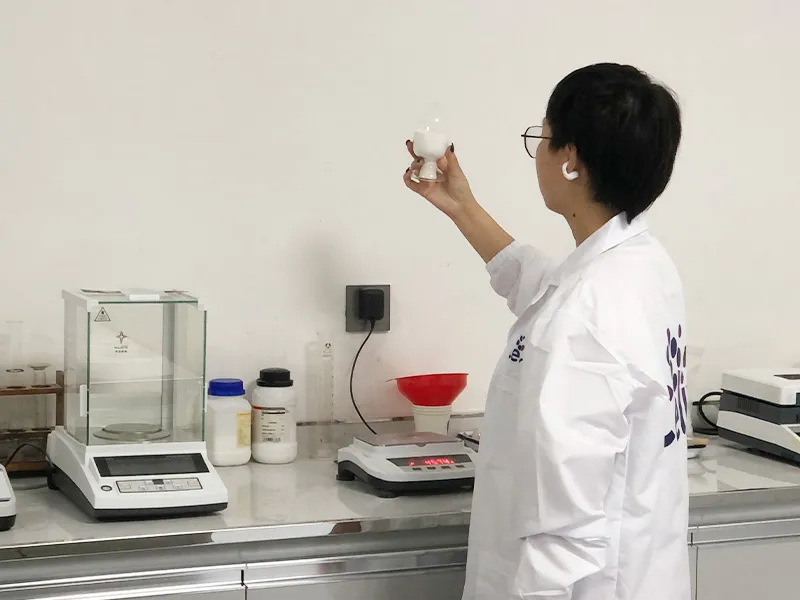
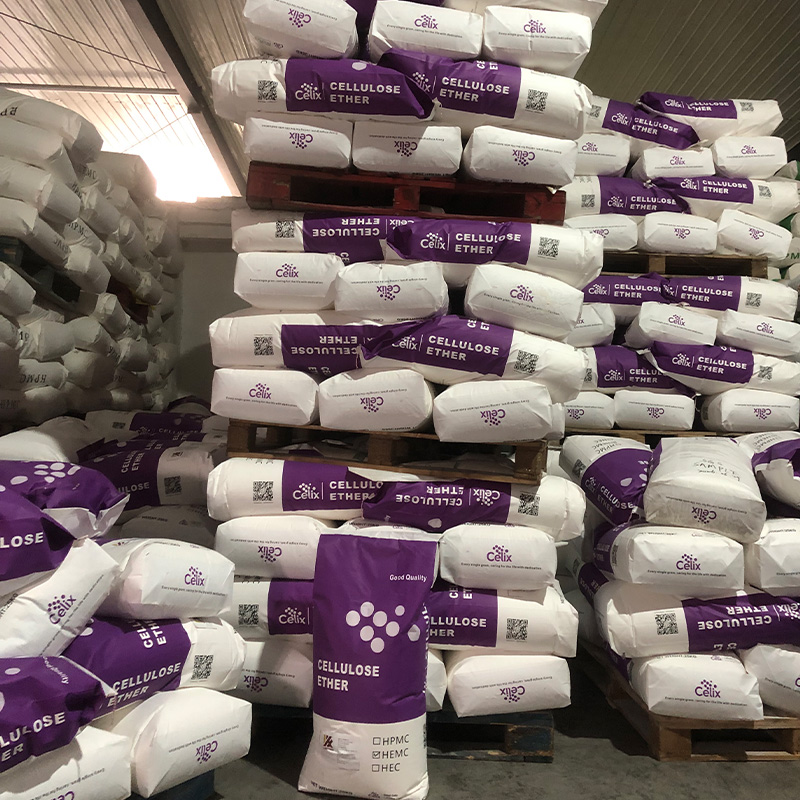
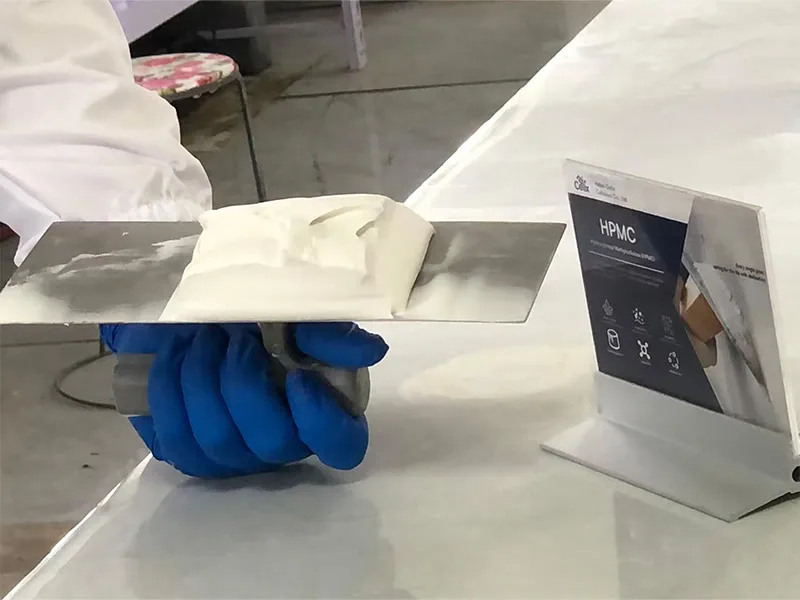

Celix Cellulose Co., Ltd, is an integrated chemical cellulose manufacturer with in-house R&D, factories, and global sales sites.
Our products include HPMC, HEC, MHEC, VAE RDP, PCE, PVA, Defoamers, PP fibers, HPS, SHP and Gypsum Retarder.


Celix Cellulose Co., Ltd, is an integrated chemical cellulose manufacturer with in-house R&D, factories, and global sales sites.
Our products include HPMC, HEC, MHEC, VAE RDP, PCE, PVA, Defoamers, PP fibers, HPS, SHP and Gypsum Retarder.
Quick Links
+8618330106777
info@celixcellulose.com