EN
EN
 jp
jp  ko
ko  es
es  ru
ru  pt
pt  th
th  ar
ar  vi
vi  id
id  kk
kk 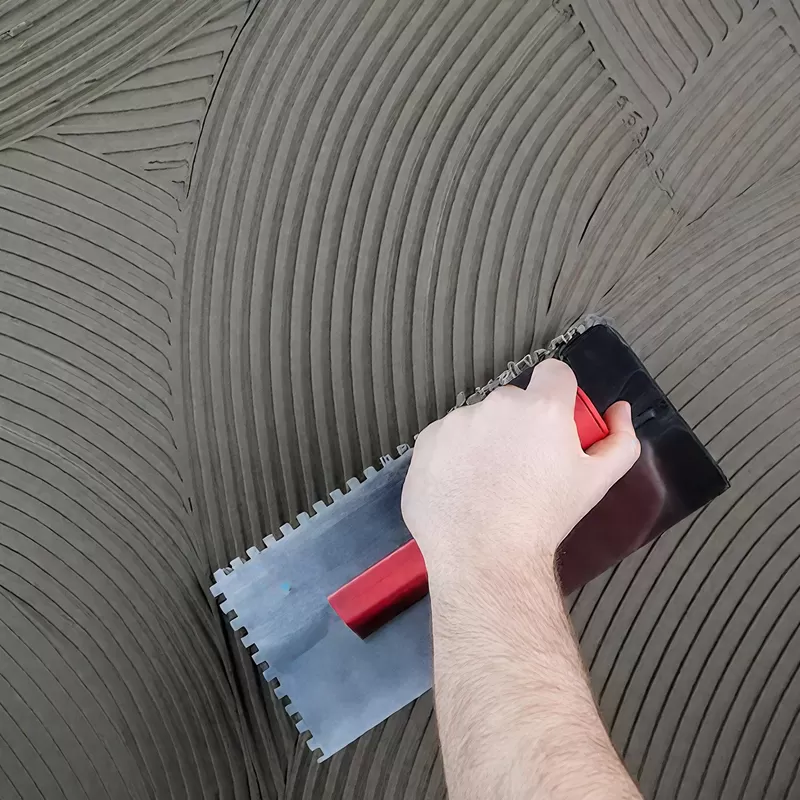
Construction
Build Better, Build Greener, with Celix HPMC

In the global industrial formulation market, cellulose ethers are the invisible heroes. They dictate the water retention, workability, viscosity, and stability of everything from the dry-mix mortar on a skyscraper to the premium paint on a residential wall.
However, among the most widely used variants—Hydroxypropyl Methyl Cellulose (HPMC), Hydroxyethyl Methyl Cellulose (HEMC), and Hydroxyethyl Cellulose (HEC)—choosing the wrong type can lead to catastrophic product failures like cracking, sagging, or phase separation.
As a leading global manufacturer, Celix breaks down the technical differences, thermal properties, and optimal application scenarios for HPMC, HEMC, and HEC to help you make the perfect procurement decision.
Quick Comparison: The Core Technical Differences
Before diving into specific industries, it is essential to understand how these three chemical structures differ in their physical behavior:
| Technical Metric | HPMC (Hydroxypropyl Methyl Cellulose) | HEMC (Hydroxyethyl Methyl Cellulose) | HEC (Hydroxyethyl Cellulose) |
| Chemical Structure | Non-ionic, methyl & hydroxypropyl groups | Non-ionic, methyl & hydroxyethyl groups | Non-ionic, hydroxyethyl groups only |
| Thermal Gelation Temp | Moderate (typically 60°C - 75°C) | High (typically 75°C - 90°C) | No gelation point (soluble in hot & cold water) |
| Water Retention | Excellent at moderate temperatures | Superior at high ambient temperatures | Moderate in construction / Excellent in coatings |
| Enzyme Resistance | Moderate | Moderate | High (Bio-stable grades available) |
1. Dry-Mix Mortar & Tile Adhesives: HPMC vs. HEMC
When it comes to construction chemicals, the battle is usually between HPMC and HEMC.
Why Choose HPMC?
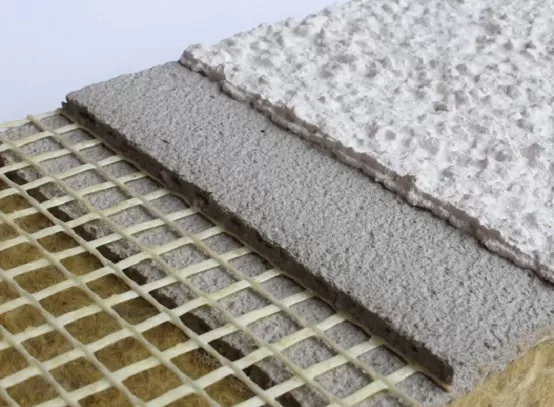
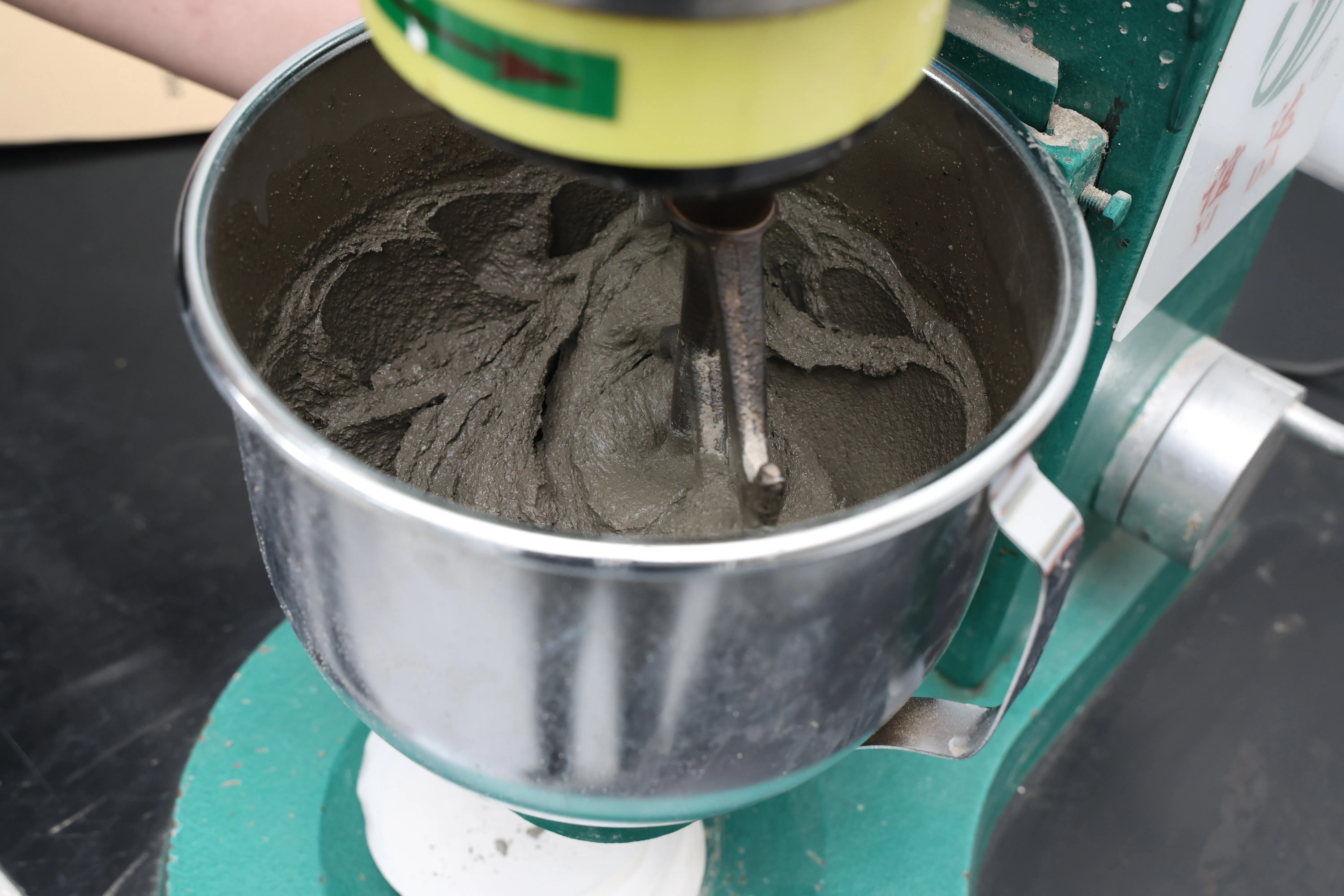
HPMC (Hydroxypropyl Methyl Cellulose) is the global standard for dry-mix mortar, cement plasters, and standard tile adhesives. It offers an exceptional balance of price and performance, providing excellent water retention to prevent dry mortar from losing water too quickly into porous substrates.
When to Upgrade to HEMC?
HEMC (Hydroxyethyl Methyl Cellulose) possesses a significantly higher thermal gelation temperature than HPMC.
l The Summer Challenge: In hot climates (such as the Middle East, Southeast Asia, or South America during summer), the jobsite temperature can easily exceed 40°C. Under these conditions, standard HPMC can lose its water-retention capacity, causing tile adhesives to lose open time and crack.
l The HEMC Solution: Because HEMC stays stable at much higher temperatures, it ensures that your mortar retains its water, workability, and open time even in extreme heat.
If your construction projects are located in tropical or high-temperature regions, HEMC is the recommended cellulose ether. For standard temperature zones, HPMC offers the most cost-effective performance.
2. Water-Based Paints & Coatings: HEC takes the Crown
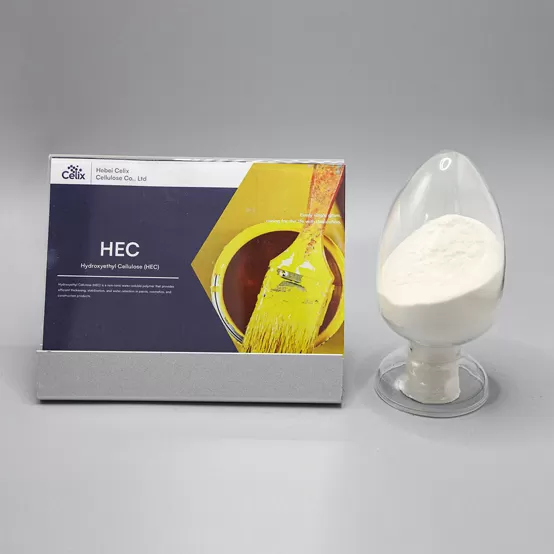
While HPMC and HEMC dominate the cement and gypsum world, HEC (Hydroxyethyl Cellulose) is the undisputed king of latex paints and architectural coatings.
Why HEC is Essential for Paints:
l Pseudoplastic Rheology: HEC gives paint excellent shear-thinning behavior. When you brush or roll the paint (high shear), it flows smoothly. Once applied to the wall (low shear), it thickens rapidly to prevent dripping and sagging.
l Color Compatibility: HEC has superb compatibility with various color pigments, ensuring uniform color distribution without bleeding or separation.
l Excellent Biostability: Premium HEC grades offer enhanced resistance to microbial and enzymatic degradation, drastically extending the shelf-life of liquid paints in storage.
https://youtu.be/wzE2eehdrK8 For advanced paint formulations, explore our dedicated HEC Product Solutions to optimize your coatings.
3. Oilfield Drilling Fluids: The Specialized Role of HEC
The petroleum industry demands chemical additives that can withstand high-salinity, high-pressure, and high-temperature (HPHT) downhole environments.
In oilfield drilling, completion, and workover fluids, HEC is highly preferred over HPMC and HEMC for several key reasons:
1. No Gelation Point: Since HEC does not gel when heated, it maintains its viscosity and fluid-loss control properties deep inside the wellbore where temperatures are soaring.
2. Low Residue: HEC can be broken down easily by acids or oxidizers, leaving minimal residue behind, which prevents damage to the oil-producing formation.
3. Viscosity Building: It acts as an outstanding thickener in brine-based drilling fluids, keeping drilling cuttings suspended efficiently.
Summary Guide: Which One Should You Buy?
To streamline your procurement and supply chain, follow this industry rule of thumb:
l Select HPMC if: You manufacture standard tile adhesives, wall putties, EIFS, or gypsum plasters under normal climate conditions.
l Select HEMC if: You manufacture premium construction mortars designed for high-temperature jobsites or require superior sag resistance in heavy tile installations.
l Select HEC if: You are formulating water-based interior/exterior paints, architectural coatings, or specialized oilfield drilling fluids.
Partner with Celix: Factory-Direct Cellulose Ethers
As a verified manufacturer with an annual output of 30,000 tons, Celix does not just sell bags of chemicals—we provide tailored formulation support. Our team of 187 R&D, production, and QC specialists ensures that every batch matches your specific viscosity, open time, and climate requirements.
Unsure which grade fits your exact raw material budget and performance goals?
[Contact the Celix Technical Team Today] to request comprehensive Technical Data Sheets (TDS), Material Safety Data Sheets (MSDS), or custom free lab samples for your evaluation.
Build Better, Build Greener, with Celix HPMC

Clean Safer, Care Smarter, with Celix Cellulose Ether

Drill Deeper, Operate Safer, with Celix Cellulose Ether

Formulate Precisely, Deliver Safely, with Celix Cellulose Ether

Taste Better, Keep Fresher, with Celix Cellulose Ether

Shape Stronger, Fire Smarter, with Celix Cellulose Ether
Contact Us


Celix Cellulose Co., Ltd, is an integrated chemical cellulose manufacturer with in-house R&D, factories, and global sales sites.
Our products include HPMC, HEC, MHEC, VAE RDP, PCE, PVA, Defoamers, PP fibers, HPS, SHP and Gypsum Retarder.


Celix Cellulose Co., Ltd, is an integrated chemical cellulose manufacturer with in-house R&D, factories, and global sales sites.
Our products include HPMC, HEC, MHEC, VAE RDP, PCE, PVA, Defoamers, PP fibers, HPS, SHP and Gypsum Retarder.
Quick Links
+8618330106777
info@celixcellulose.com