EN
EN
 jp
jp  ko
ko  es
es  ru
ru  pt
pt  th
th  ar
ar  vi
vi  id
id  kk
kk 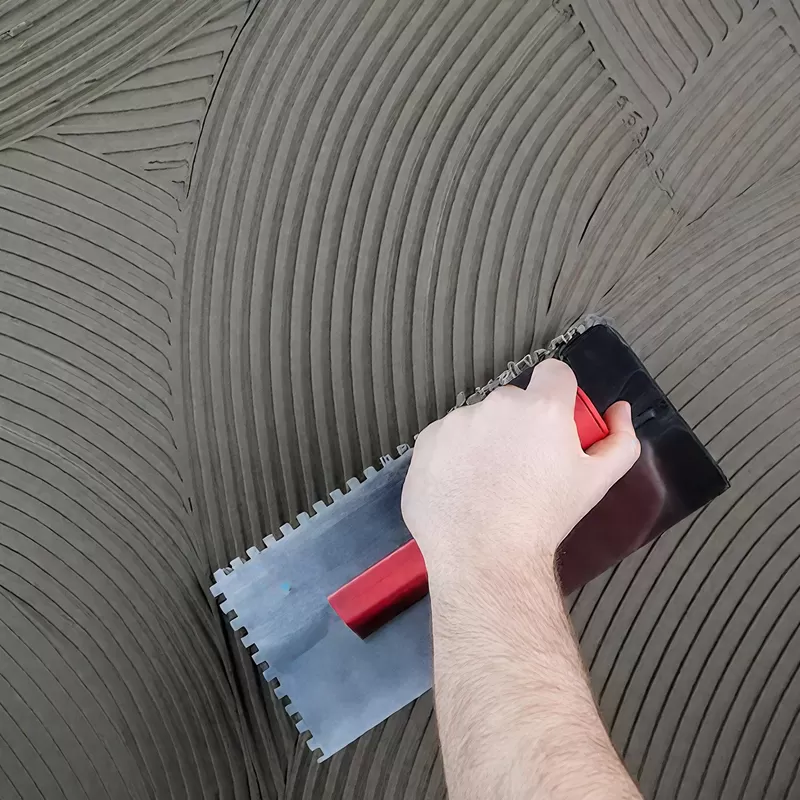
Construction
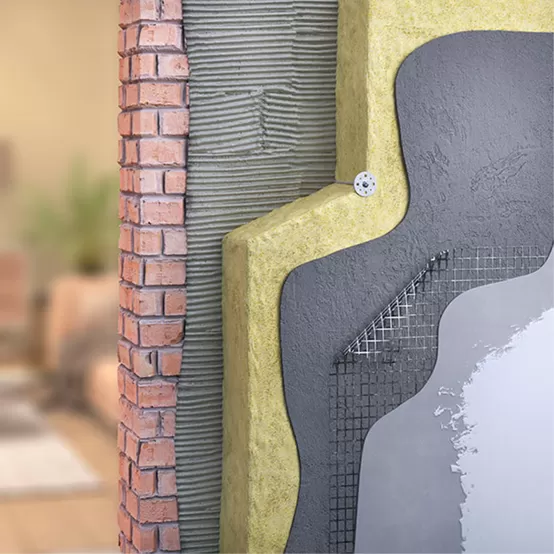
Build Better, Build Greener, with Celix HPMC

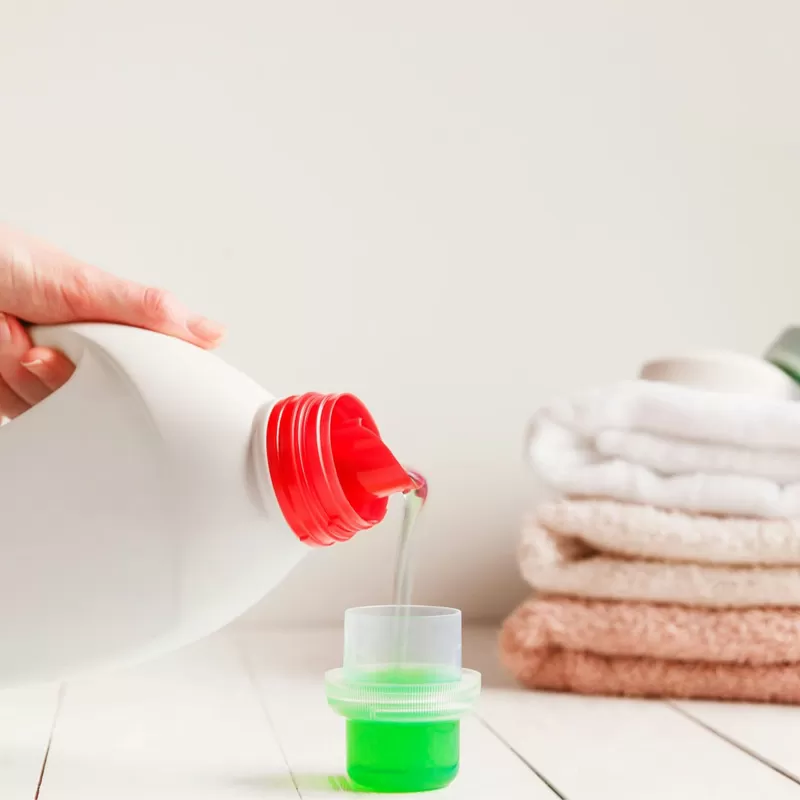
In the formulation of chemical products—ranging from thick fluid laundry detergents to industrial dry-mix mortars and latex paints—controlling viscosity is a top priority. Without the right rheology modifier, active ingredients would sediment, and the liquid would be too watery to apply or pour effectively.
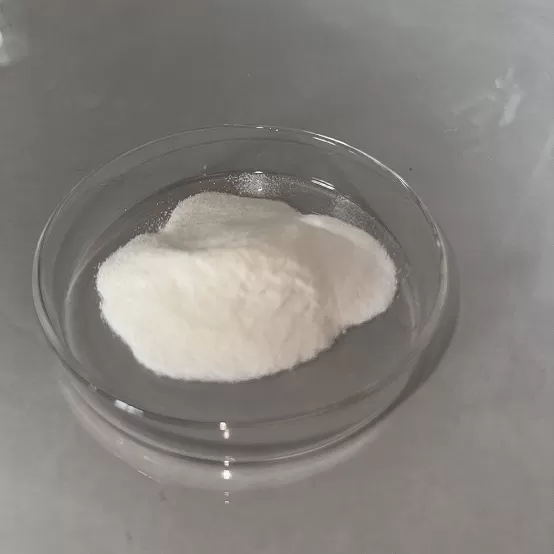
This is exactly where Hydroxypropyl Methylcellulose (HPMC) steps in as an industry-standard solution.
But how does HPMC function as a thickener in liquids? What happens at the molecular level when this white powder dissolves into water?
Whether you are a chemical formulator, an R&D engineer, or a procurement manager sourcing bulk HPMC powder, understanding the exact science behind its thickening mechanism will help you optimize your formulas and trim production costs.
At its core, HPMC thickens liquids through two overlapping physical and chemical actions: Polymer Chain Entanglement and Hydrogen Bonding Layering.
When industrial grade HPMC is dispersed into water, its long, coiled polymer chains begin to hydrate and unwind. As these elongated cellulose ether molecules spread throughout the liquid, they bump into one another and crosslink. This creates a dense, three-dimensional molecular "net" or polymer matrix that physically traps free-flowing water molecules, restricting their movement and instantly raising the liquid's viscosity.
To understand why a top-tier HPMC manufacturer can customize viscosity grades ranging from 400 to 200,000 mPa.s, we have to look closer at the chemical properties during blending:
Step 1: Hydration and Dissolution
HPMC is a non-ionic water-soluble polymer derived from natural refined cotton or wood pulp. When added to water, the hydrophilic (water-loving) hydroxyl groups on its cellulose backbone rapidly attract water molecules, creating a hydration shell around the polymer chains.
Note for Formulators: Using a surface-treated cold-water dispersible HPMC grade ensures that these chains disperse fully before expanding, preventing dry, un-dissolved lumps (fish-eyes) in your mixing tanks.
Step 2: Hydrogen Bonding Network
As the temperature stabilizes and mixing continues, strong hydrogen bonds form between the water molecules and the ether groups (methoxyl and hydroxypropyl substitutions) of the HPMC. This bonding immobilizes a large volume of "free water," transforming a low-viscosity liquid into a stable, cohesive gel or thick fluid.
Step 3: Viscosity vs. Molecular Weight
The thickening efficiency is directly proportional to the molecular weight (chain length) of the HPMC grade used. Longer molecular chains result in higher numbers of entanglements, which creates greater resistance to flow—resulting in a much thicker product even at a very low dosage (typically 0.1% to 0.5% by weight).
One of the main reasons chemical plants choose HPMC over basic salts or clay thickeners is its unique Pseudoplastic (Shear-Thinning) Fluid Behavior.
HPMC solutions change their viscosity based on the mechanical force applied to them:
At Rest (Low Shear):The molecular chains remain tangled in a messy, random network. The liquid looks thick, stable, and highly viscous, which perfectly prevents phase separation or heavy particle settling on store shelves.
Under Motion (High Shear):When you pump the liquid through a factory pipe, squeeze a soap bottle, or brush paint onto a wall, the mechanical force causes the tangled HPMC chains to line up straight parallel to the flow direction.
The Result:Viscosity drops instantly, allowing the liquid to flow smoothly and spread with minimal effort. As soon as the force stops, the chains instantly entangle again, regaining their original thickness.
For R&D labs tracking batch consistency, keep this multi-factor checklist in mind when evaluating your HPMC supplier:
Controlling Variable | Impact on Liquid Thickening | Industrial Significance |
Concentration % | Viscosity increases exponentially with dosage. | Small adjustments can fix watery batches. |
Shear Rate | Higher shear = Lower temporary viscosity. | Critical for sprayability and pumpability. |
Temperature | HPMC thins as heat rises, until it reaches its thermal gelation point. | Essential to test if your product is shipped to hot climates. |
Salt & pH Levels | Highly stable across pH 3.0 to 11.0 due to its non-ionic nature. | Won't crash or sediment in high-salt laundry detergents. |
Answering how HPMC functions as a thickener reveals that it is not a passive filler—it is a highly engineered rheological tool. Getting the perfect thickness, transparency, and shear-thinning response depends entirely on selecting the right substitution balance and a highly stable batch quality.
At Celix Cellulose, we run advanced automated DCS production lines with an annual export capacity of 30,000 tons, supplying premier, high-purity HPMC,MHEC,and RDP to over 150 countries. Whether you need an instant cold-water dispersible thickener with ≥85% clarity for liquid detergents, or a high-viscosity modifier for tile adhesives, our R&D lab provides customized formulation support to suit your exact system components.
Build Better, Build Greener, with Celix HPMC
Clean Safer, Care Smarter, with Celix Cellulose Ether

Drill Deeper, Operate Safer, with Celix Cellulose Ether

Formulate Precisely, Deliver Safely, with Celix Cellulose Ether

Taste Better, Keep Fresher, with Celix Cellulose Ether

Shape Stronger, Fire Smarter, with Celix Cellulose Ether
Contact Us



Celix Cellulose Co., Ltd, is an integrated chemical cellulose manufacturer with in-house R&D, factories, and global sales sites.
Our products include HPMC, HEC, MHEC, VAE RDP, PCE, PVA, Defoamers, PP fibers, HPS, SHP and Gypsum Retarder.


Celix Cellulose Co., Ltd, is an integrated chemical cellulose manufacturer with in-house R&D, factories, and global sales sites.
Our products include HPMC, HEC, MHEC, VAE RDP, PCE, PVA, Defoamers, PP fibers, HPS, SHP and Gypsum Retarder.
Quick Links
+8618330106777
info@celixcellulose.com