EN
EN
 jp
jp  ko
ko  es
es  ru
ru  pt
pt  th
th  ar
ar  vi
vi  id
id  kk
kk 


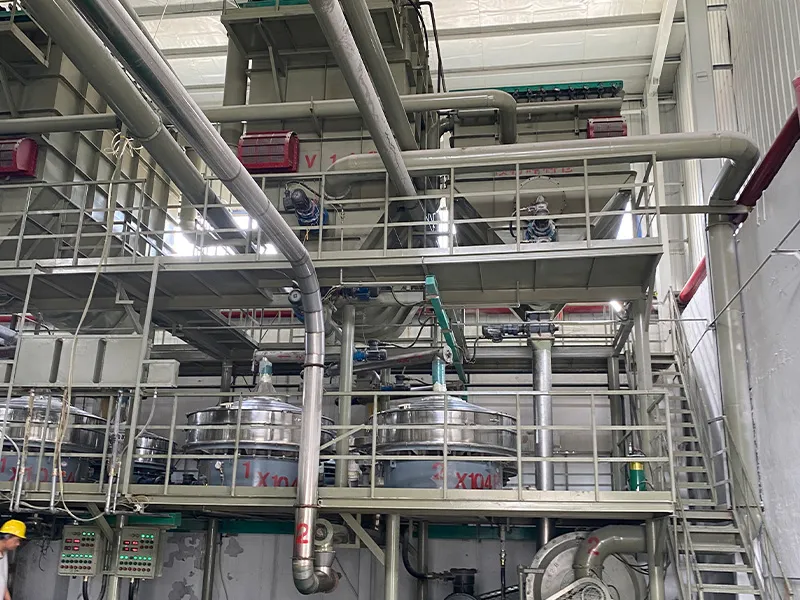
Celix Cellulose Co., Ltd, is an integrated chemical cellulose manufacturer with in-house R&D, factories, and global sales sites.
Our products include HPMC, HEC, MHEC, VAE RDP, PCE, PVA, Defoamers, PP fibers, HPS, SHP and Gypsum Retarder.

Hydroxypropyl Methyl Cellulose (HPMC) is one of the most important performance additives used in dry mix mortar, tile adhesive, skim coat, self-leveling compounds, and other cement-based building materials. Among its many specifications, viscosity is a key indicator that determines how the product performs during mixing, application, and curing.
This video demonstrates the laboratory testing procedure used to verify the viscosity of a high-viscosity 200,000 cps HPMC grade. Through standardized testing conditions, manufacturers can ensure every production batch delivers stable and consistent performance before being supplied to customers.
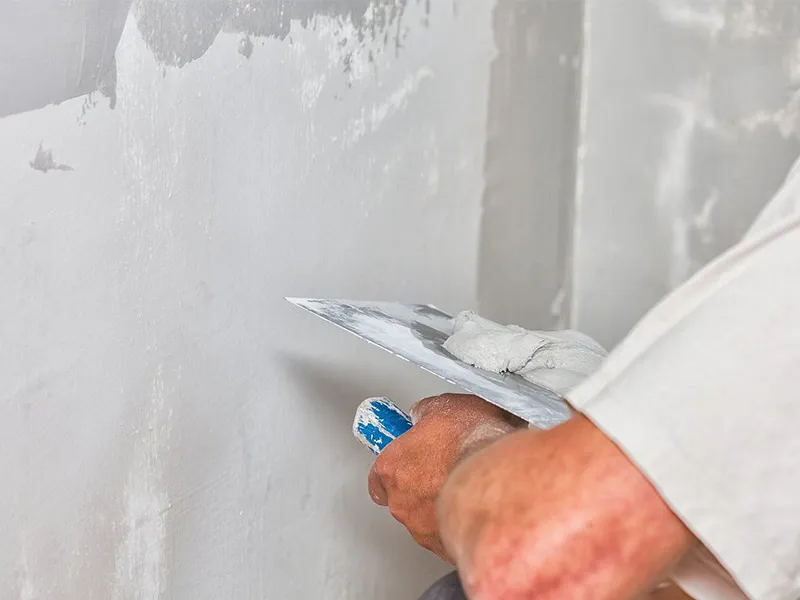
The unit “cps” (centipoise) measures the thickness or resistance to flow of an HPMC solution. A 200,000 cps high viscosity HPMC delivers powerful thickening effects even at low dosage levels, making it ideal for premium tile adhesives and gypsum-based plasters. Higher viscosity grades like this provide better anti-sag properties and improved workability, helping contractors achieve smoother application and stronger adhesion.
HPMC CAS number is 9004-65-3. This non-ionic cellulose ether is derived from natural cotton or wood pulp through a series of chemical processes, resulting in a white to off-white powder that dissolves in cold water to form a viscous, stable solution.
Watch as our laboratory team performs a precise viscosity test using a professional rotational viscometer (Lichen digital viscometer with rotor #4 at 1.5 RPM):
Sample Preparation: 2% HPMC aqueous solution, strictly controlled at 20°C ± 0.1°C.
Mixing Process: Thorough dispersion in hot water followed by cooling and stabilization.
Testing Conditions: Temperature control with thermometer, proper rotor selection, and real-time monitoring.
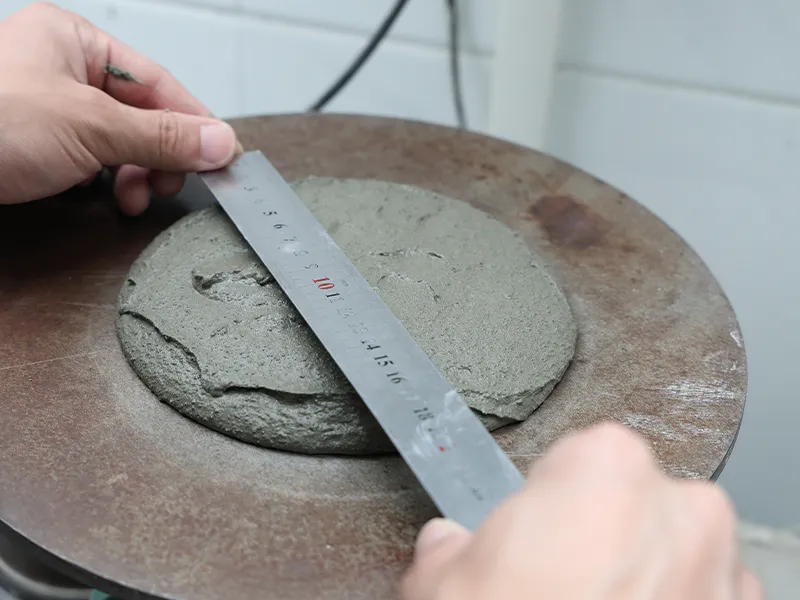
Results: The viscosity reading stabilizes between 217,222 mPa·s and 219,193 mPa·s, with torque percentage around 54.3%–54.8%. This confirms the product meets high-viscosity specifications with excellent consistency.
The video clearly shows the gel-like, thick consistency typical of premium 200,000 cps HPMC, providing visual proof of its outstanding thickening capability.
Several factors can influence HPMC viscosity performance in real applications:
Solution concentration and temperature
Mixing speed and shear conditions
pH value and presence of other additives (cement, gypsum, fillers)
Storage conditions and dissolution quality
Proper quality control testing, as demonstrated, ensures every batch delivers reliable performance in tile adhesive, EIFS/ETICS systems, and self-leveling mortars.
Superior Water Retention: Prevents rapid drying and cracking.
Excellent Workability: Improves open time and slip resistance.
Strong Sag Resistance: Ideal for vertical applications like tile fixing and wall plastering.
Enhanced Adhesion: Boosts bonding strength between substrates and mortars.
Good Compatibility: Works seamlessly with cement, gypsum, and various construction chemicals.

Celix Cellulose Co., Ltd, is an integrated chemical cellulose manufacturer with in-house R&D, factories, and global sales sites.
Our products include HPMC, HEC, MHEC, VAE RDP, PCE, PVA, Defoamers, PP fibers, HPS, SHP and Gypsum Retarder.


Celix Cellulose Co., Ltd, is an integrated chemical cellulose manufacturer with in-house R&D, factories, and global sales sites.
Our products include HPMC, HEC, MHEC, VAE RDP, PCE, PVA, Defoamers, PP fibers, HPS, SHP and Gypsum Retarder.
Quick Links
+8618330106777
info@celixcellulose.com