EN
EN
 jp
jp  ko
ko  es
es  ru
ru  pt
pt  th
th  ar
ar  vi
vi  id
id  kk
kk 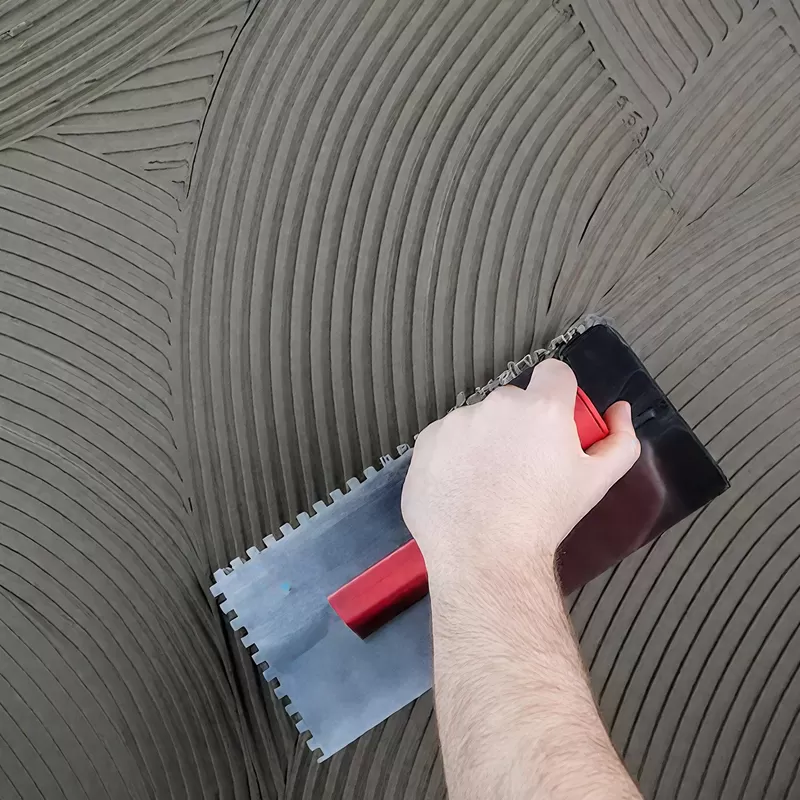
Construction
Build Better, Build Greener, with Celix HPMC

As the global construction sector advances through 2026, dry-mix mortar producers, chemical importers, and building material manufacturers face an increasingly complex operating landscape. Driven by tightening environmental mandates across Europe and the Americas, volatile raw material prices, and demanding jobsite productivity targets, raw material cost optimization has moved to the top of every plant manager’s agenda.
In dry-mix formulations—including tile adhesives (C1/C2TE), skim coats, wall putties, self-leveling underlayments, and EIFS/ETICS insulation mortars—chemical additives represent a modest fraction of total batch weight, but up to 60%-70% of raw material costs.
o help dry-mix producers optimize formulation costs without sacrificing quality, this guide analyzes three defining trends shaping the 2026 additives market: cost control optimization, global sustainability mandates, and performance balance chemistry.
Rising binder costs and international freight fluctuations are pressing dry-mix producers to re-examine their additive spend. Historically, formulators relied on ultra-high viscosity thickeners or over-dosed polymer powders to ensure safety margins. In 2026, leading manufacturers are shifting toward precision formulation chemistry.
Over-specifying hydroxypropyl methylcellulose (HPMC) at 150,000-200,000 mPa·s often creates a sticky, stringy mortar paste that reduces trowel efficiency. Transitioning to medium-viscosity Modified HPMC(40,000-70,000 mPa·s)allows producers to maintain superior water retention(≥98%)while improving workability and lowering total polymer dosing.
Replacing 10%-15% of primary hpmc cellulose dosage with high-purity Hydroxypropyl Starch Ether (HPS) drastically lowers formula cost per ton while enhancing thixotropy, sag resistance, and trowel slip in tile adhesives and wall putties.
Sourcing directly from primary HPMC manufacturers in China eliminates intermediate distributor markups (20%-35%), giving high-volume plants direct access to customized brookfield viscosity grades, verified Certificates of Analysis (COA), and stable bulk container pricing.
Environmental standards are no longer restricted to local regulations; they now dictate international supply chains. European and North American buyers increasingly demand verified sustainability credentials from raw material suppliers.
EU PPWR Packaging Compliance: As the European Union enforces strict packaging waste reduction rules, chemical raw materials shipped in non-compliant or non-recyclable multi-layer bags face customs delays and elevated EPR eco-tariffs.
EU REACH & ECHA Traceability: Sourcing cellulose ether and redispersible polymer powder (VAE RDP) with full REACH registration guarantees seamless entry into the European Single Market.
Low-VOC & Eco-Friendly Formulations: Green building rating systems (LEED, BREEAM) require non-toxic, low-emission additives that maintain indoor air quality without sacrificing open time or bond strength.
A key challenge for global dry-mix exporters is ensuring that a single formulation performs predictably across diverse climate zones—from the hot, arid environments of Saudi Arabia and the UAE to humid tropical regions across South Asia.
In high-temperature jobsites(>40℃), standard cellulose ethers undergo thermal gelation, losing water retention capacity and causing surface skinning within 10 minutes. Formulating with high-hydroxypropyl modified HPMC raises thermal gel points above 65℃, ensuring mortars meet the mandatory 30-minute open time requirements under ISO 13007 / EN 12004 standards.
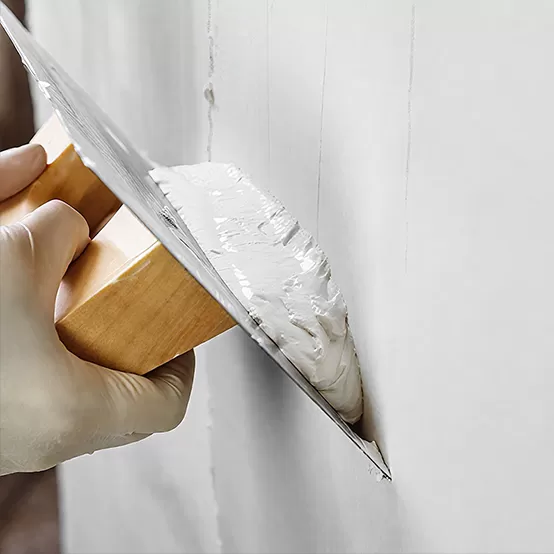
In white cement-based wall putties and skim coats, rapid moisture loss into dry masonry substrates leads to incomplete cement hydration, surface chalking, and micro-cracking. Incorporating high-purity HPMC with low ash content(≤5.0%)and high water retention(≥98%)guarantees full hydraulic curing and a smooth, hard finish.
To assist plant chemists and procurement directors, the application laboratory at Hebei Celix Cellulose Co., Ltd. (Celix) outlines benchmark additive guidelines for core dry-mix categories:
Application Category | Recommended Additive Chemistry | Viscosity Grade Range | Primary Performance Objective |
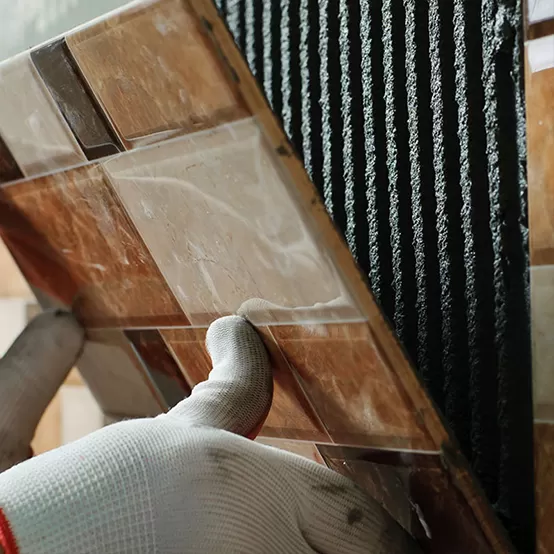
C2TE Premium Tile Adhesive | Celix Modified HPMC + VAE RDP | 40,000-70,000 mPa·s | High tensile adhesion(≥1.0N/mm2),30-min open time at 40℃ |
White Cement Wall Putty | Celix HPMC(Low Ash ≤3%) | 100,000-150,000 mPa·s | High water retention(≥98%), non-chalking, smooth trowel finish. |
Self-Leveling Compound | Celix Low-Viscosity HPMC / HEMC | 400-2,000 mPa·s | Excellent fluidity, segregation resistance, bubble release. |
Waterborne Architectural Paint | Celix Bio-Stable HEC / HPMC | 30,000-100,000 mPa·s | Pseudoplastic flow, broad pH stability (3–12), high salt compatibility. |
For quality assurance managers and international procurement leads, raw material testing should align with these established international frameworks:
ISO 13007 / EN 12004 Mortar Testing: Consult official ISO 13007 Specifications for tile adhesive tensile adhesion, open time, and anti-slip testing methods.
European Packaging & Packaging Waste Framework: Check European Commission Environment Directives regarding sustainable packaging rules for industrial imports.
ECHA EU REACH Guidelines: Review European Chemicals Agency (ECHA) Regulations for chemical safety compliance.
ASTM C1583 Tensile Bond Testing: Check ASTM International Test Standards for tension bond strength on concrete substrates.
Navigating the 2026 dry-mix additives market requires more than just buying raw materials—it demands a strategic manufacturing partner capable of delivering chemical purity, regulatory security, and formulation optimization.
As a leading global cellulose ether factory and trusted HPMC manufacturer in China, Hebei Celix Cellulose Co., Ltd. (Celix) produces premium HPMC, HEMC, HEC, and redispersible polymer powders (VAE RDP) engineered for high performance and cost efficiency. With full EU REACH and EU PPWR compliance, in-house application laboratories, and flexible direct factory procurement terms, Celix supports building material producers across Europe, the Middle East, South Asia, and the Americas.
Build Better, Build Greener, with Celix HPMC

Clean Safer, Care Smarter, with Celix Cellulose Ether

Drill Deeper, Operate Safer, with Celix Cellulose Ether

Formulate Precisely, Deliver Safely, with Celix Cellulose Ether

Taste Better, Keep Fresher, with Celix Cellulose Ether

Shape Stronger, Fire Smarter, with Celix Cellulose Ether
Contact Us



Celix Cellulose Co., Ltd, is an integrated chemical cellulose manufacturer with in-house R&D, factories, and global sales sites.
Our products include HPMC, HEC, MHEC, VAE RDP, PCE, PVA, Defoamers, PP fibers, HPS, SHP and Gypsum Retarder.


Celix Cellulose Co., Ltd, is an integrated chemical cellulose manufacturer with in-house R&D, factories, and global sales sites.
Our products include HPMC, HEC, MHEC, VAE RDP, PCE, PVA, Defoamers, PP fibers, HPS, SHP and Gypsum Retarder.
Quick Links
+8618330106777
info@celixcellulose.com