EN
EN
 jp
jp  ko
ko  es
es  ru
ru  pt
pt  th
th  ar
ar  vi
vi  id
id  kk
kk 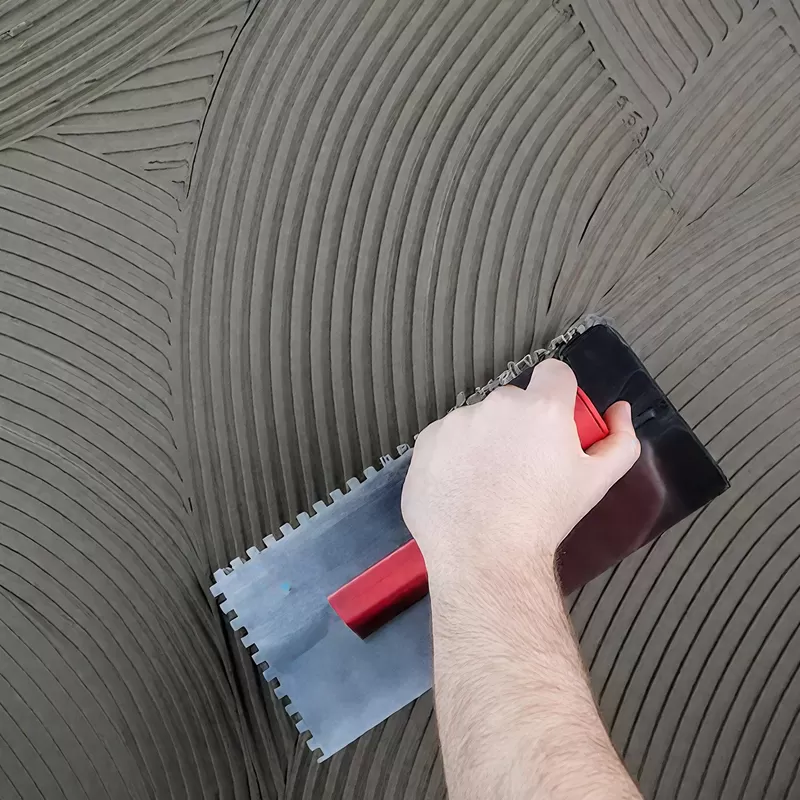
Construction
Build Better, Build Greener, with Celix HPMC

Hydroxypropyl methylcellulose (HPMC) comes in different premium grades, and the differences between them mainly lie in the following critical aspects: viscosity, ash and water content, and water retention. As a leading HPMC manufacturer, Celix customizes these technical specifications to engineered precision, ensuring maximum compatibility across diverse dry-mix mortar formulations.
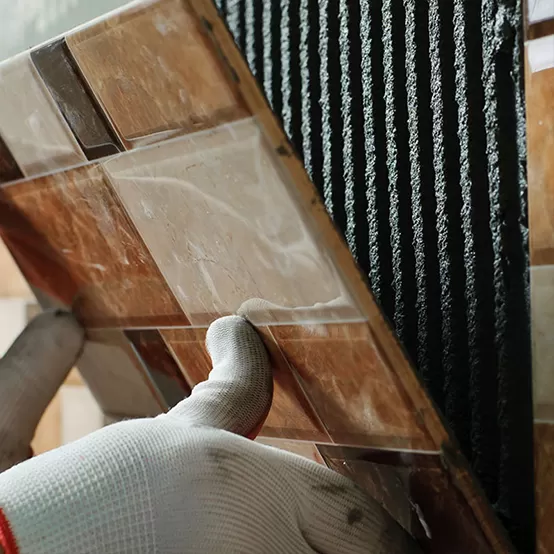
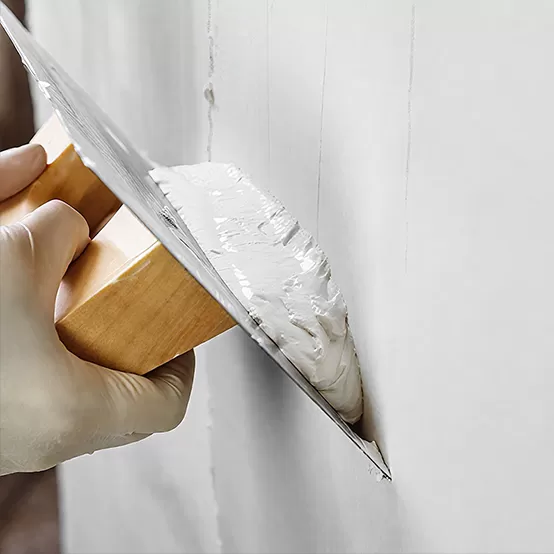
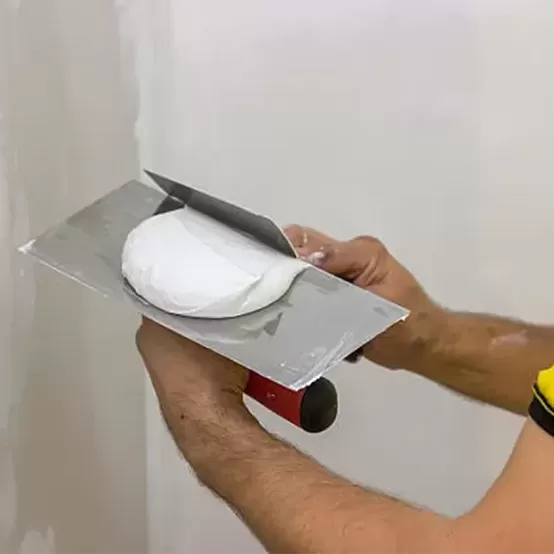
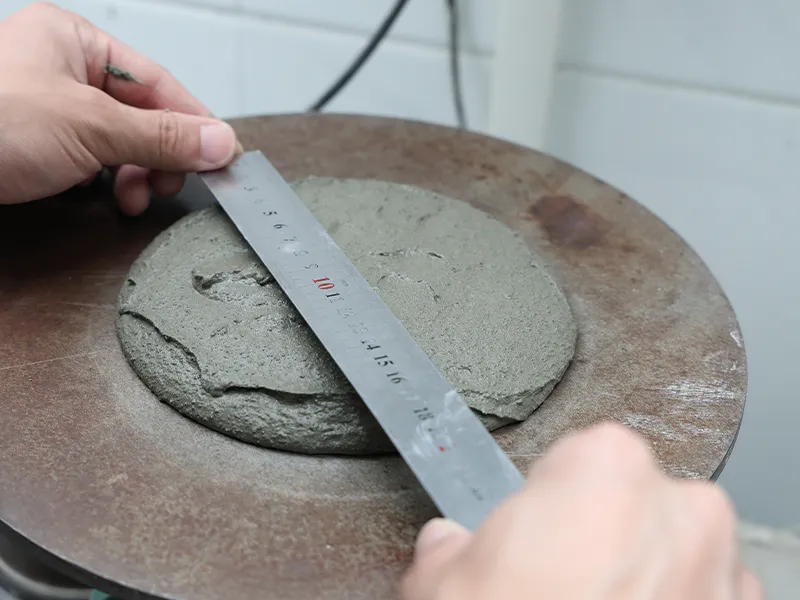
For instance, low-viscosity grades are ideal self-leveling additives that maintain exceptional flowability, while high-viscosity cellulose ether powder provides the superior anti-sagging properties required for high-end wall putty and tile adhesive formulations. Furthermore, optimizing water retention prevents premature dehydration in cementitious systems, ensuring complete hydration and ultimate bonding strength even in harsh climates.
By strictly controlling the chemical purity, our factory minimizes ash and water content to guarantee excellent batch-to-batch stability, high transparency for detergent grade HPMC, and long-term shelf life. Whether you are a plaster producer or a global chemical supplier, sourcing directly from an established HPMC factory allows you to leverage wholesale pricing and customized specifications. Contact Celix today to request a bulk price quote or secure a free sample for your lab trial.
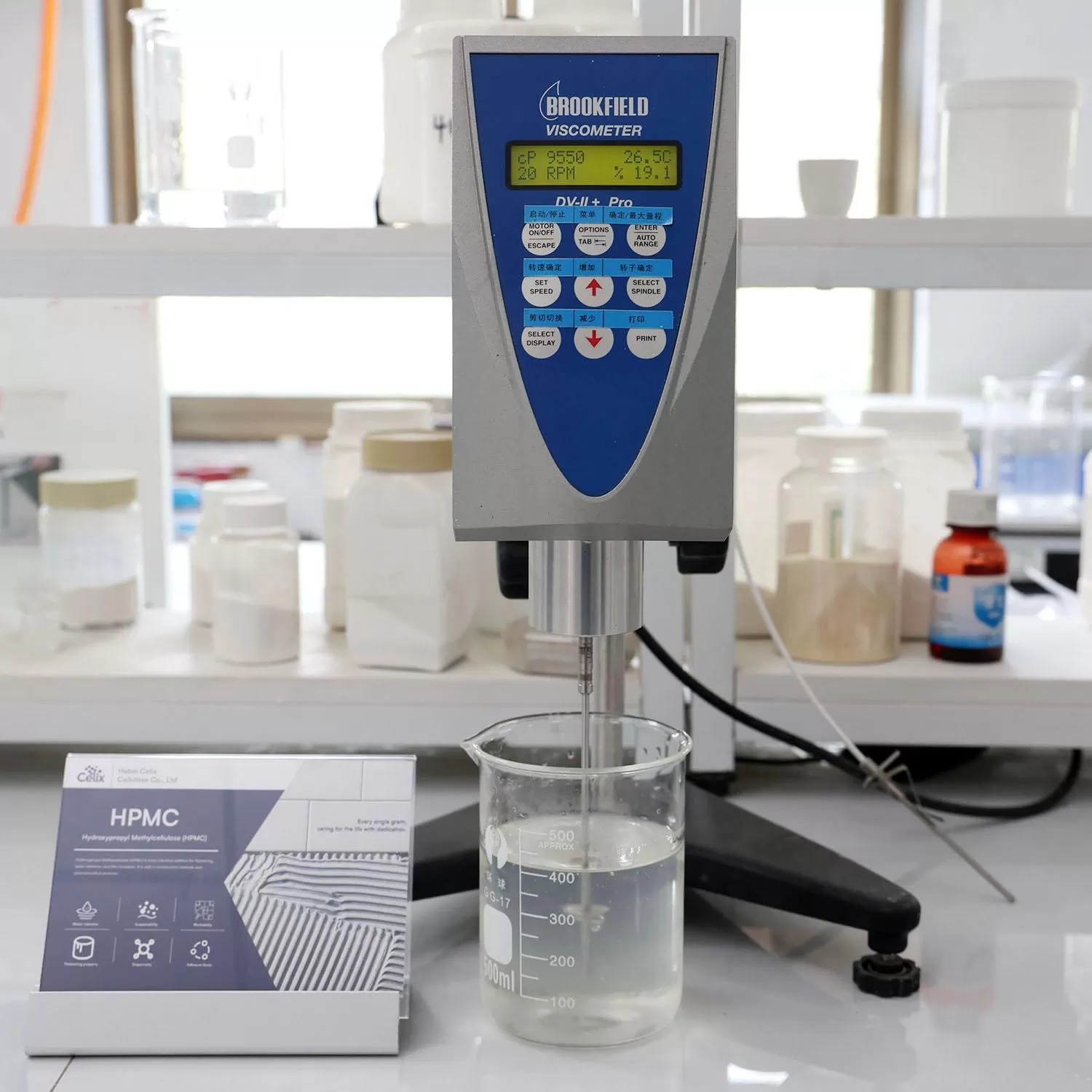
Range differences: HPMC grades can have a wide range of viscosities, typically measured in mPa·s (millipascal - seconds). Low - viscosity grades may have viscosities as low as a few thousand mPa·s, while high - viscosity grades can exceed 200,000 mPa·s.
For example, in some self - leveling floor mortar applications, a relatively low - viscosity HPMC (around 10,000 - 30,000 mPa·s) is preferred to ensure good fluidity and self - leveling properties. In contrast, for thick - coating plasters, high - viscosity HPMC (such as 100,000 - 200,000 mPa·s) is used to enhance the adhesion and prevent sagging.
Impact on applications: Viscosity affects the workability and performance of construction materials. Higher viscosity HPMC can increase the water - holding capacity and improve the bonding strength of mortars, but it may also make the material more difficult to spread. Lower viscosity grades allow for better flow and are suitable for applications where fluidity is crucial.
Degree of substitution: Different grades have varying levels of substitution of hydroxyl groups in the cellulose molecule with methyl and hydroxypropyl groups. A higher substitution degree of methyl groups generally results in better water solubility and film - forming properties. For example, in the production of certain water - based coatings, HPMC with a relatively high methyl substitution degree can form a more continuous and durable film on the surface.
Molar substitution: Molar substitution also impacts the performance of HPMC. Higher molar substitution of hydroxypropyl groups can enhance the thermal gelation temperature of HPMC solutions. In food applications, where temperature - sensitive behavior is important, a specific molar substitution grade of HPMC is chosen to ensure the stability of the product during processing and storage.
Capacity differences: The water - retention rate of different HPMC grades can vary.
High - quality HPMC grades used in construction are designed to have excellent water - retention capabilities, often above 90%. However, lower - grade or specialized HPMC may have a relatively lower water - retention rate, which is suitable for applications where less water retention is required. For instance, in some lightweight insulation mortars, a slightly lower water - retention grade of HPMC can be used to avoid excessive water content that might affect the insulation performance.
Effect on construction: In construction, a higher water - retention capacity helps prevent premature drying of mortars and plasters. This allows for better hydration of cementitious materials, resulting in improved strength development and reduced cracking.
Lower water - retention grades may be more suitable for applications where rapid drying is desired or where the base material has good water - absorption properties.
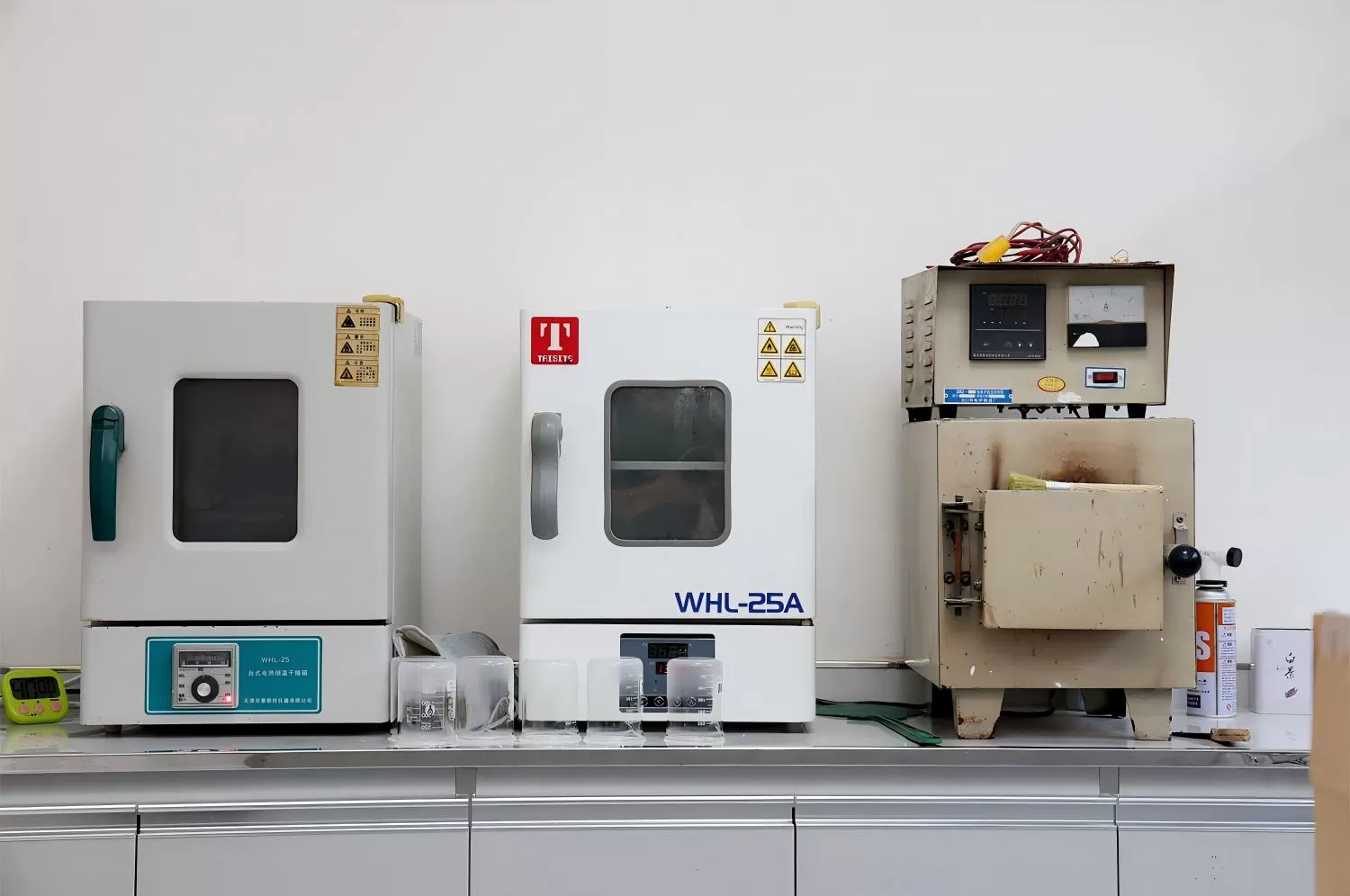
Purity levels: Premium grades of HPMC typically have higher purity, with fewer impurities. Impurities can include unreacted raw materials, salts, or other contaminants. High - purity HPMC is often required in applications where product quality and performance are critical, such as in pharmaceutical or food - grade applications.
Ash content: Ash content, which represents the inorganic impurities in HPMC, also varies among grades. Lower - grade HPMC may have a relatively higher ash content. In construction applications, high ash content can affect the workability and strength of mortars. For example, in high - strength concrete admixtures, low - ash - content HPMC grades are preferred to ensure optimal performance.
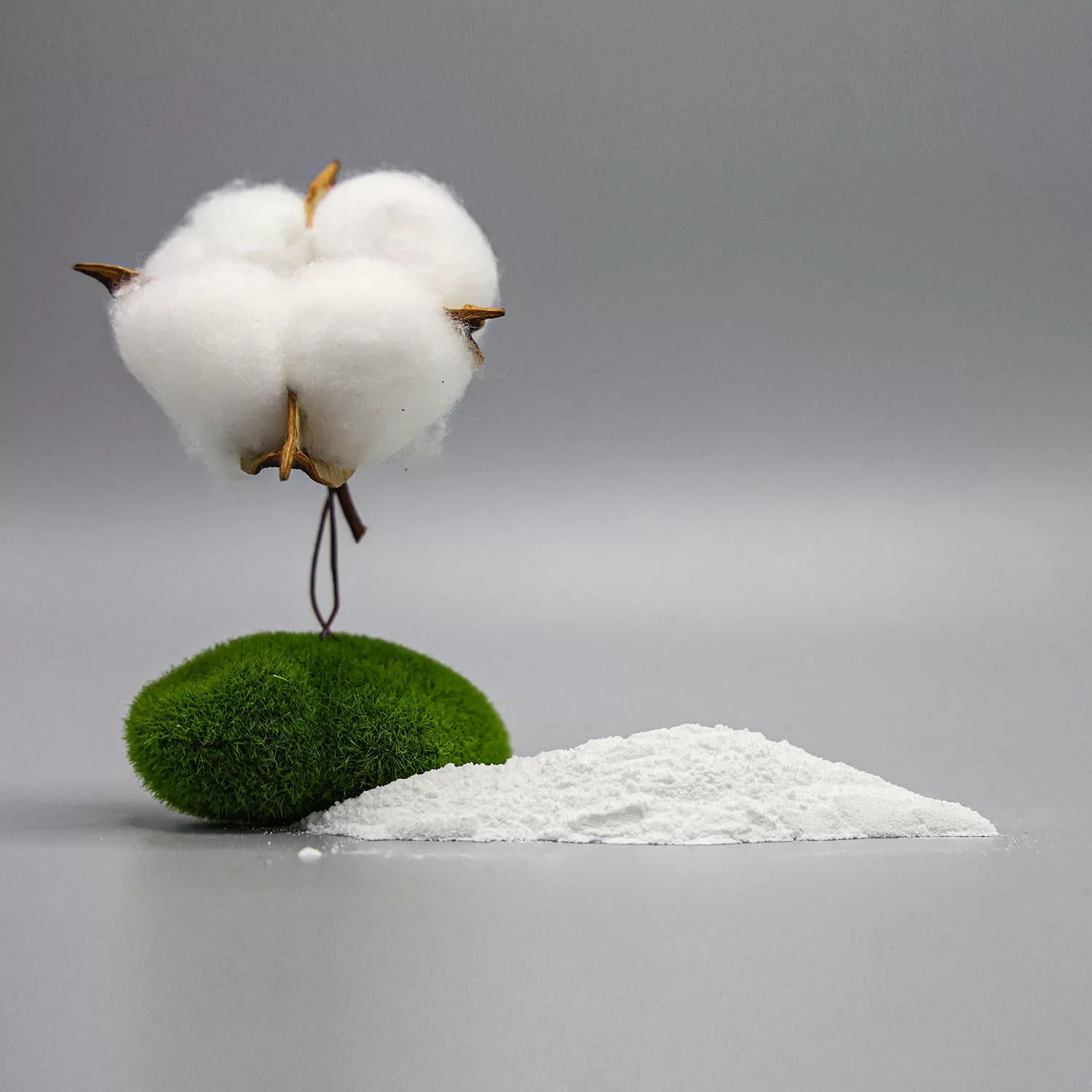
Size variation: Different grades of HPMC can have different particle size distributions. Finer - particle - sized HPMC generally dissolves more quickly and evenly in water or other solvents. In applications where rapid dissolution is required, such as in instant - mix construction products, HPMC with a finer particle size is used. Coarser - particle - sized HPMC may be more suitable for applications where a slower dissolution rate is desired or where the presence of larger particles does not affect the overall performance.
Impact on performance: The particle size can also influence the dispersion and suspension properties of HPMC in a mixture. Finer particles can provide better stability and prevent sedimentation, which is important in some liquid - based applications like paints and coatings.
Build Better, Build Greener, with Celix HPMC
Clean Safer, Care Smarter, with Celix Cellulose Ether

Drill Deeper, Operate Safer, with Celix Cellulose Ether

Formulate Precisely, Deliver Safely, with Celix Cellulose Ether

Taste Better, Keep Fresher, with Celix Cellulose Ether

Shape Stronger, Fire Smarter, with Celix Cellulose Ether
Contact Us

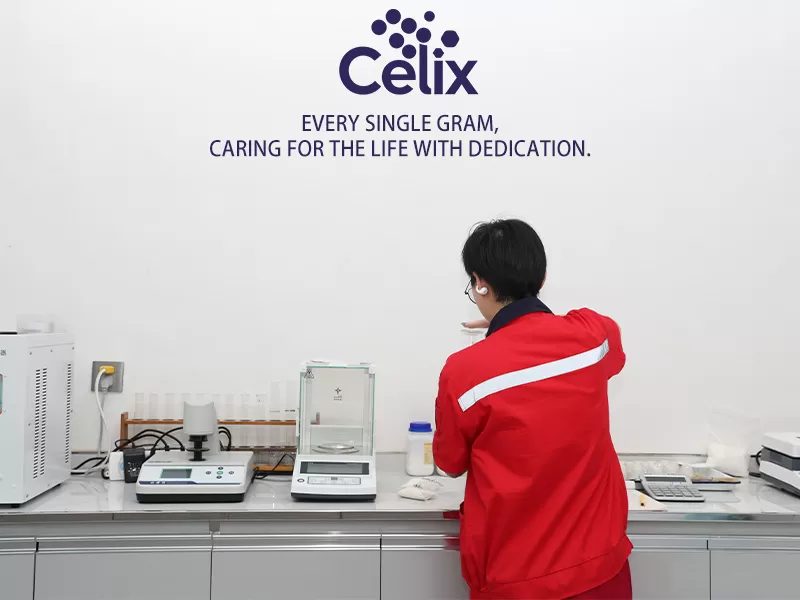

Celix Cellulose Co., Ltd, is an integrated chemical cellulose manufacturer with in-house R&D, factories, and global sales sites.
Our products include HPMC, HEC, MHEC, VAE RDP, PCE, PVA, Defoamers, PP fibers, HPS, SHP and Gypsum Retarder.


Celix Cellulose Co., Ltd, is an integrated chemical cellulose manufacturer with in-house R&D, factories, and global sales sites.
Our products include HPMC, HEC, MHEC, VAE RDP, PCE, PVA, Defoamers, PP fibers, HPS, SHP and Gypsum Retarder.
Quick Links
+8618330106777
info@celixcellulose.com