EN
EN
 jp
jp  ko
ko  es
es  ru
ru  pt
pt  th
th  ar
ar  vi
vi  id
id  kk
kk 
Construction
Build Better, Build Greener, with Celix HPMC

In modern construction, the choice of additives in cement mortars can dramatically affect workability, durability, and long-term performance. Among various modifiers, Hydroxypropyl Methylcellulose (HPMC) has gained widespread favor for its multifunctional benefits. In this article, we compare HPMC for cement with more traditional additives—highlighting key performance metrics, practical trade-offs, and why high-quality brands like Celix are increasingly being chosen.
Traditional cement additives—such as plasticizers, air-entrainers, or simple viscosity modifiers—play specific roles, but few deliver the comprehensive performance of HPMC. Here's what sets HPMC apart:
Water Retention: HPMC forms a thin polymer film in the mix, reducing the rate of water evaporation and significantly improving water retention. This ensures sufficient hydration, especially in dry or hot conditions.
Workability & Open Time: Unlike many additives that improve fluidity but shorten working time, HPMC not only enhances viscosity but also extends "open time"—the period during which mortar remains workable before setting.
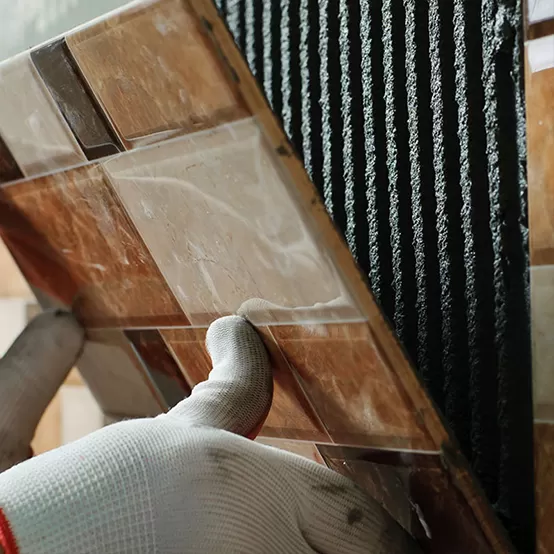
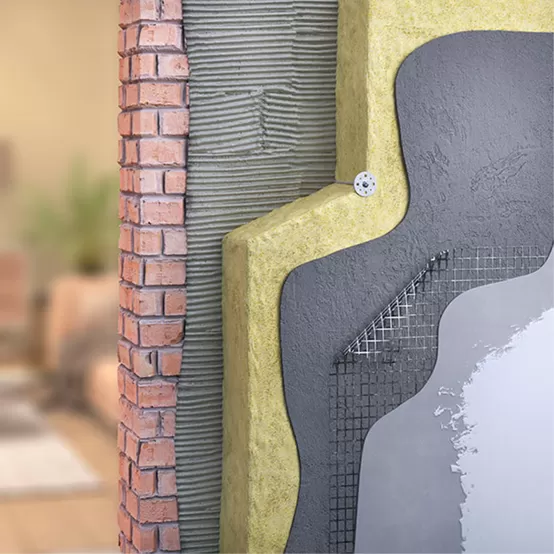
Adhesion & Cohesion: HPMC improves adhesion to substrates (e.g., brick, concrete) by forming a cohesive film, which helps reduce delamination and improves the bond strength of tile adhesives or repair mortars.
Crack Resistance: By increasing flexibility, reducing shrinkage stress, and maintaining moisture balance, mortars with HPMC exhibit better crack resistance than many traditional mixes.
Compatibility: HPMC works well with other admixtures (e.g., plasticizers or pozzolanic materials), providing a synergistic effect rather than conflicting with other ingredients.
In short, HPMC acts as a multifunctional additive within admixtures for concrete, allowing manufacturers to replace or reduce the use of several traditional materials.
Choosing a high-quality HPMC product—such as Celix—can maximize benefits while minimizing drawbacks. Here's how a premium brand shines:
Consistent Viscosity Grades: Celix offers well-characterized viscosity grades (e.g., 4,000 cps) that allow formulators to pick the right grade for their mortar type. High-viscosity HPMC enhances workability and avoids sagging.
Optimized Water Retention Performance: Celix HPMC is engineered to form efficient water-retaining films, enhancing mortar hydration and reducing shrinkage.
Thermal & Alkali Stability: High-grade HPMC withstands alkaline environments in cement, retaining functionality over time.
Reliable Open Time Control: With carefully manufactured products, Celix ensures that extended open time is stable and reproducible, which helps in large-area construction or tile work.
Regulatory and Quality Assurance: Reputable HPMC brands typically have rigorous QA/QC and supply chain transparency, reducing risk of batch-to-batch variability that can plague cheaper alternatives.
In practical terms, using Celix can lead to a more robust, durable, and reliable mortar system—especially for high-performance applications like self-leveling mortars, repair mortars, and tile adhesives.
The following table compares HPMC (e.g., Celix) with traditional additives in terms of key performance indicators:
| Performance Indicator | Celix HPMC (HPMC for Cement) | Traditional Additives (Plasticizers / Gelling Agents / Simple Viscosity Modifiers) |
|---|---|---|
| Water Retention | Very high: forms a film that significantly slows down water evaporation | Low to medium (depends on type and dosage) |
| Workability / Open Time | Extended: provides a longer construction working window | Shorter (high fluidity but quick setting) |
| Adhesion / Bond Strength | High: improves adhesion to substrates (brick, stone, etc.) | Limited (requires additional bonding modifiers) |
| Crack Resistance / Shrinkage Control | Excellent: mitigates drying shrinkage cracks | Depends on specialized shrinkage-reducing additives |
| Effect on Early Strength | Moderately negative (high dosage may inhibit early hydration) | Mostly enhances early strength (e.g., using accelerators) |
| Cost / Formulation Complexity | Relatively high; formulation optimization is required | Lower cost; simple formulation |
| Compatibility / Adaptability | Compatible with various additives (water reducers, mineral powders, etc.) | May require additional modifiers |
HPMC (especially high-quality products such as Celix) is an extremely valuable cement additive, offering superior performance in water retention, open time, adhesion, and crack resistance compared to many traditional additives. However, it also presents certain challenges: higher cost, potential impact on early-age strength, and the need for formulation optimization.
If your project prioritizes high durability and crack resistance, the use of HPMC (particularly premium products like Celix) is highly recommended.
If your primary concern is cost efficiency and there is a strict requirement for early-age strength, traditional additives may still be a reasonable choice.

Build Better, Build Greener, with Celix HPMC

Clean Safer, Care Smarter, with Celix Cellulose Ether

Drill Deeper, Operate Safer, with Celix Cellulose Ether

Formulate Precisely, Deliver Safely, with Celix Cellulose Ether

Taste Better, Keep Fresher, with Celix Cellulose Ether

Shape Stronger, Fire Smarter, with Celix Cellulose Ether
Contact Us


Celix Cellulose Co., Ltd, is an integrated chemical cellulose manufacturer with in-house R&D, factories, and global sales sites.
Our products include HPMC, HEC, MHEC, VAE RDP, PCE, PVA, Defoamers, PP fibers, HPS, SHP and Gypsum Retarder.


Celix Cellulose Co., Ltd, is an integrated chemical cellulose manufacturer with in-house R&D, factories, and global sales sites.
Our products include HPMC, HEC, MHEC, VAE RDP, PCE, PVA, Defoamers, PP fibers, HPS, SHP and Gypsum Retarder.
Quick Links
+8618330106777
info@celixcellulose.com